

With spring in full bloom and summer just around the corner, we take a look at the finest Viking festivals and events coming up in the next few months. From Denmark, Sweden, and Norway to Ireland, the US, and Poland, there are more than enough to keep you busy.
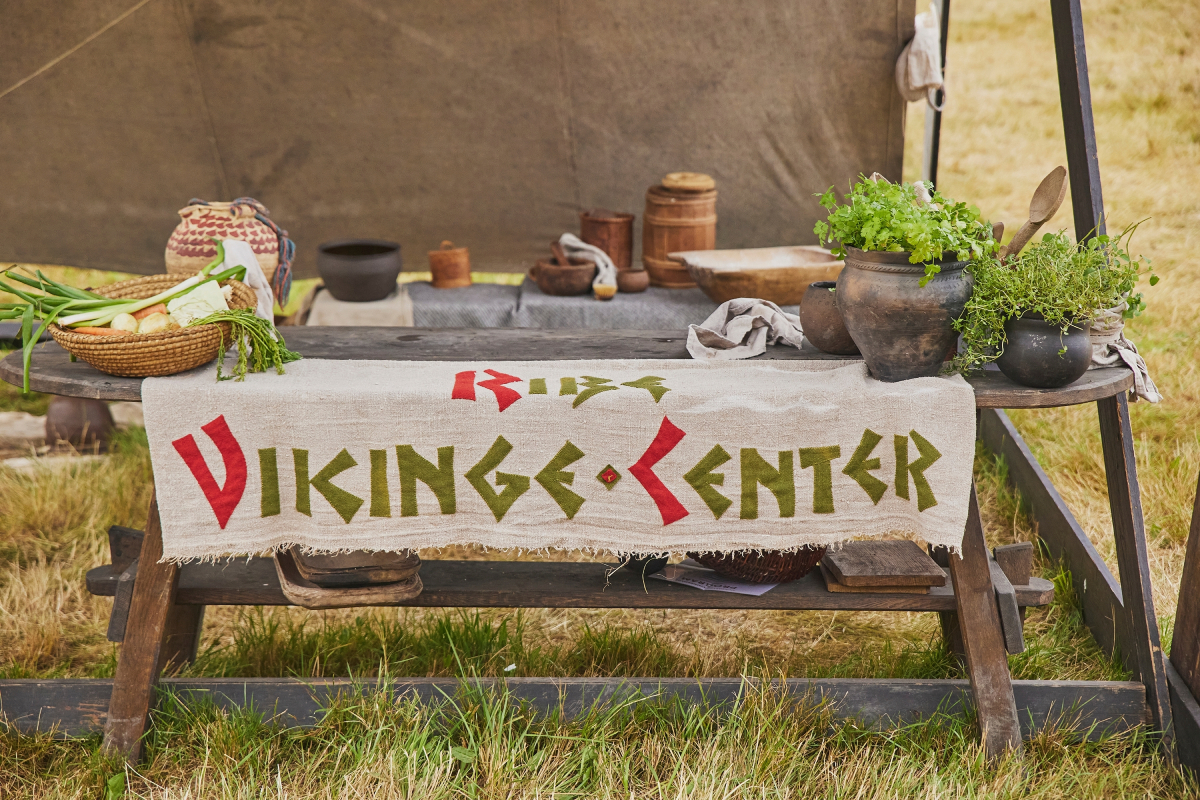
Ribe International Viking Market blends living history with crafts, music, and interactive events. Photo: Viktor Osipenko / Shutterstock
Ribe International Viking Market, Denmark, April 28 to May 3
Known as Denmark's oldest town, Ribe is well worth a visit in its own right, thanks to its charming medieval center and wide selection of museums and attractions. Just like many other locations in Scandinavia, Ribe celebrates its Viking heritage with an annual market rather than a fully fledged festival. Visitors can look forward to an array of goods from an international group of traders, with Viking Age-themed goods available and plenty of food and drink on offer, too. There is also everything from live Norse music and entertainment to battle reenactments, archery, and combat practice for the whole family to enjoy.
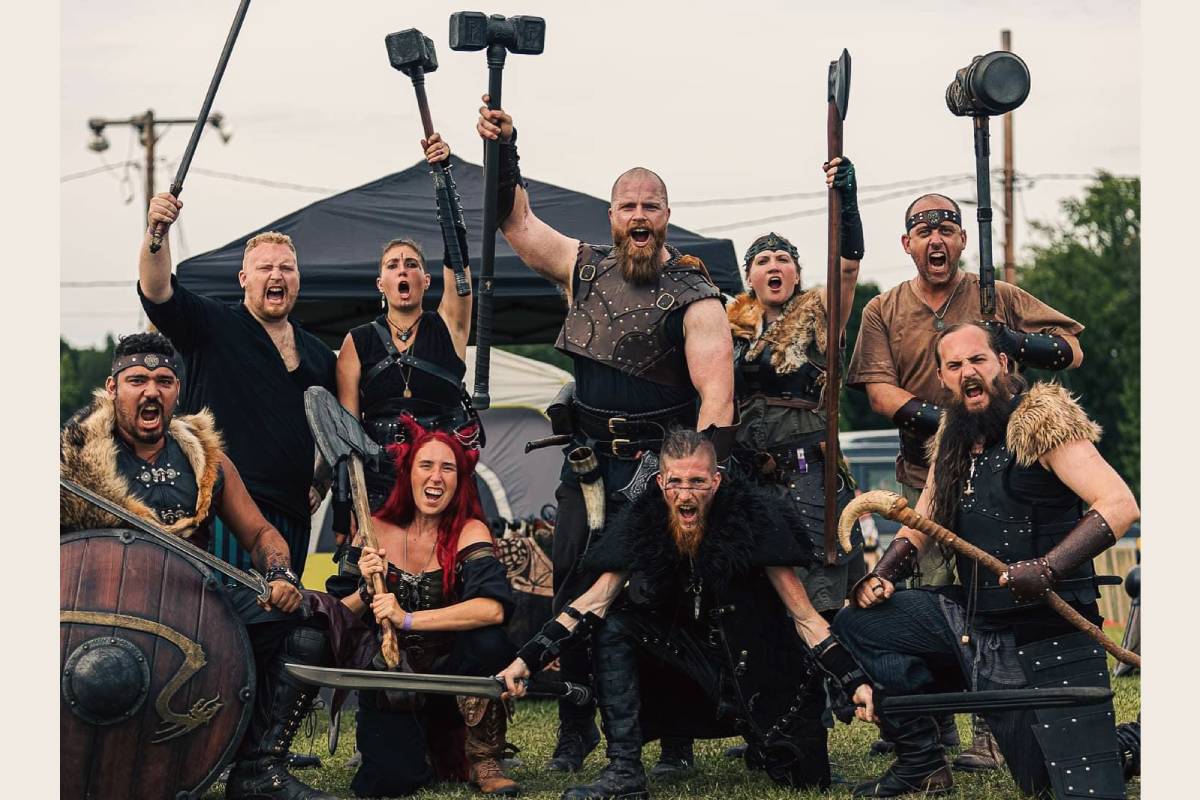
Held in North Carolina, NorseForged blends Viking themes with fantasy, gaming, and creative expression. Photo: NorseForged / Facebook
NorseForged, United States, May 9–11
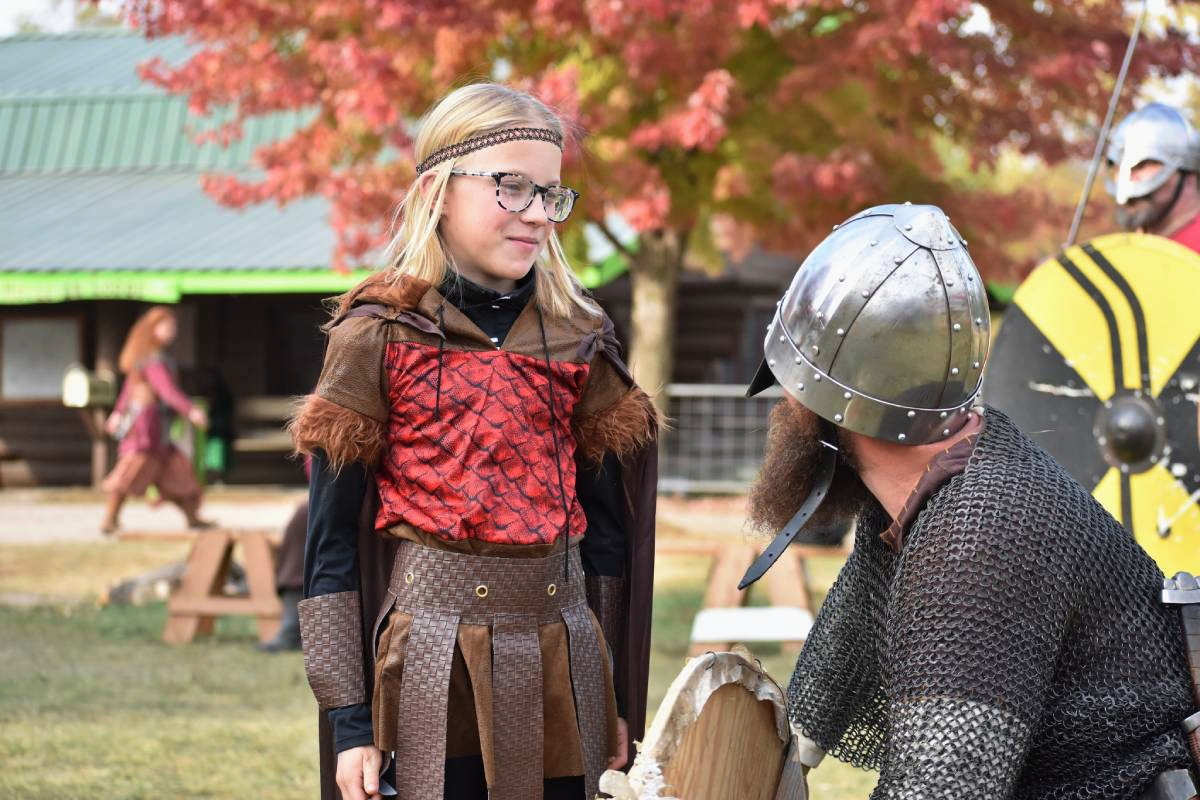
There is often a different feel to American festivals in comparison to their European counterparts, and NorseForged in New London, North Carolina, is no exception. While history plays a part, the emphasis here is on fantasy, imagination, and all-around feel-good fun. The festival is the dreamchild of the knifemaker NorseForged, also known as Jeremy Fulton, an Army veteran who has, over the last two decades, built his own business creating and selling Norse-inspired blades. Fulton has described the fifth NorseForged Gathering as a "massive nerd event," where everyone is welcome to indulge their passion, explore Viking culture, feast, and play epic games of TTRPGs (tabletop role-playing games).
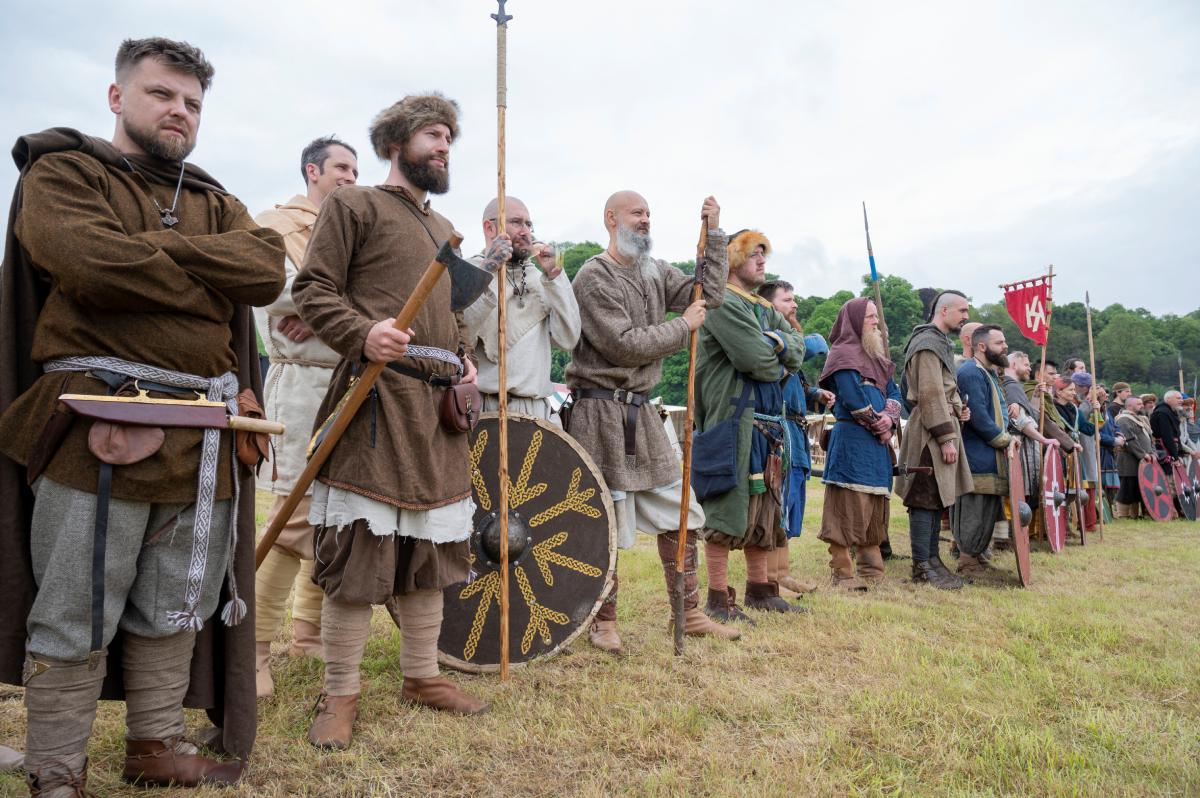
Set in the heart of Ireland, the event features 500 reenactors and a Viking ship parade. Photo: Boyne Valley Viking Experience
Boyne Valley Viking Experience, Ireland, May 17–18
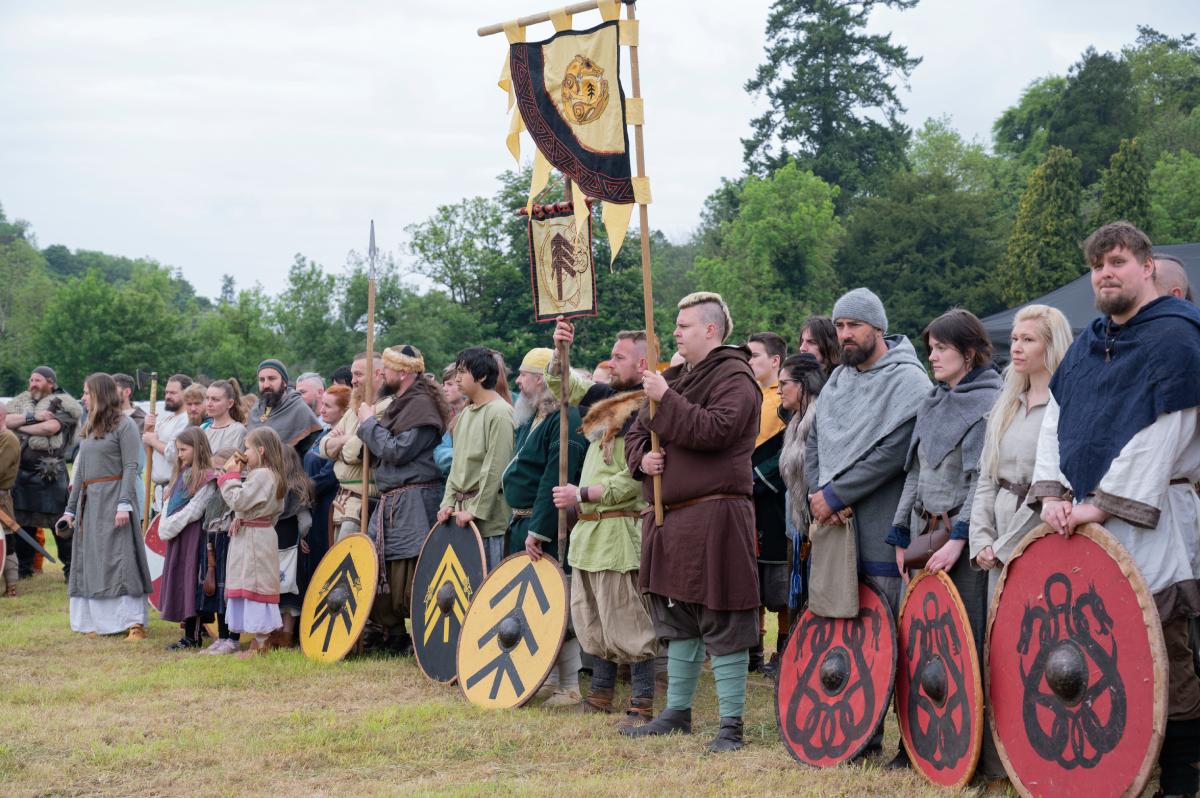
Ireland's premier Viking festival attracts more than 10,000 history enthusiasts to the captivating surroundings of the Boyne Valley in County Meath. On the grounds of Slane Castle, visitors can savor spectacular battle scenes from an international group of more than 200 Viking warriors, with 500 reenactors involved overall. The festival also sees a parade of Norse ships along the River Boyne, with sailors from the Vikings TV series on hand to provide tips and plenty of stories. Beyond the festival itself, the castle is well worth a visit, as is the nearby UNESCO World Heritage Site Brú na Bóinne, a set of Neolithic tombs founded in 3300 BCE.
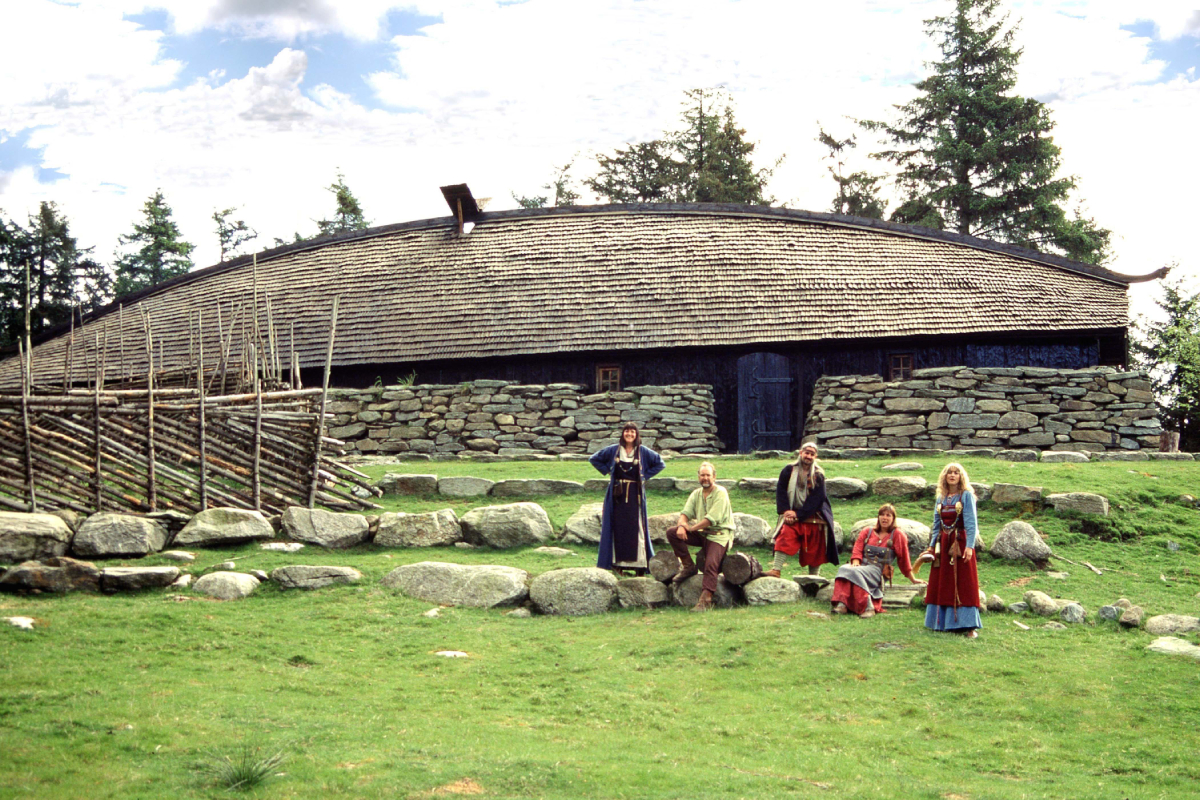
Set on Karmøy island, this festival offers Viking-themed activities near Norway's earliest royal seat. Photo: Svein Jakob Stensland / Avaldsnes Viking Festival
Viking Festival at Avaldsnes, Norway, June 6–8
Avaldsnes takes place in a truly special setting on the island of Karmøy. As the former residence of the country's first king, Harald Fairhair, Avaldsnes is said to have been the "first capital of Norway." Visitors access the island via a narrow walkway, soon finding themselves in front of a bustling market with traditional Scandinavian food, handcrafted goods, and live music. The festival also offers plenty of hands-on experiences, including archery, horseback riding, and even juggling, with the main emphasis on an authentic experience that faithfully recreates the feel of Viking Age Norway.
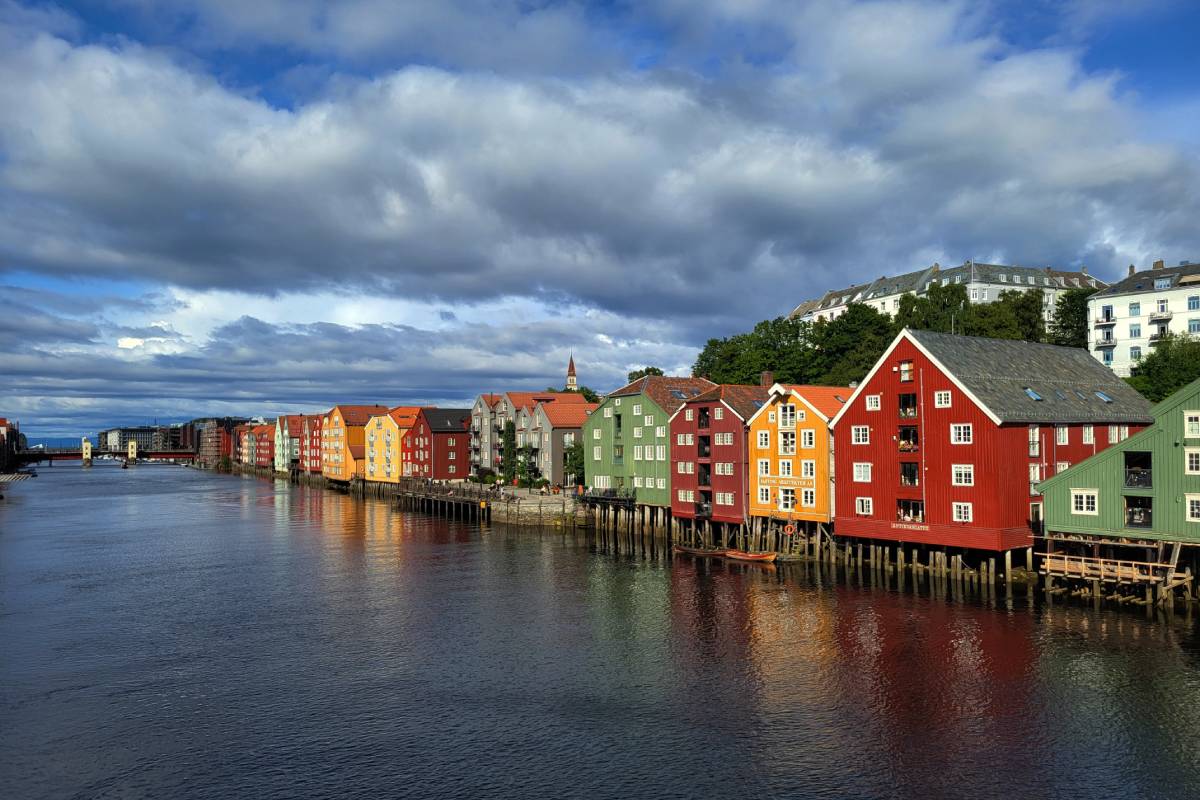
Set in a city with royal Viking roots, the market draws guests from across Europe and beyond. Photo: just_flowerin / Shutterstock
Trondheim Viking Market, Norway, June 20–22
Just like Denmark, Norway has its own array of Viking market events. One of the very finest has to be the Trondheim Viking Market, held at yet another historic location. Trondheim was officially founded in the year 997 by the Viking king Olav Tryggvason, who helped spread Christianity across the country. His successor, Olav Haraldsson, was reportedly a descendant of Harald Fairhair and established his main stronghold at Trondheim. Today, the market attracts visitors from all over Europe and beyond to peruse the wide selection of craft items made using Viking Age techniques. Other attractions include educational activities and workshops where people can learn bead making, rune writing, sword fighting, and much more besides.
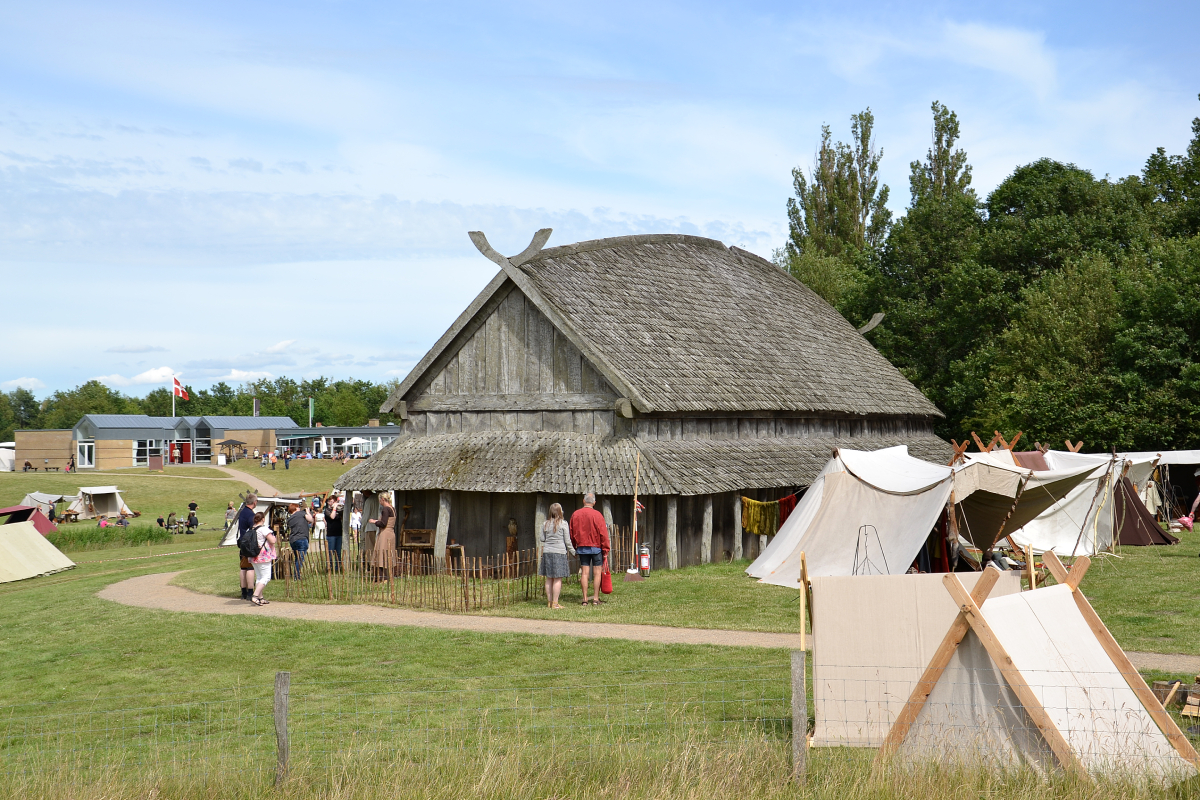
Held at a 10th-century ring fortress, Trelleborg hosts one of Denmark's largest Viking festivals. Photo: Pudelek (CC BY-SA 4.0)
Trelleborg Viking Festival, Denmark, July 12–20
Trelleborg is one of the large-scale ring fortresses thought to have been built by Harald Bluetooth in the 10th century. Every July, it is also home to one of Denmark's largest Viking festivals. Around 1,000 Vikings in period dress occupy a Norse encampment near the remains of the original fortress and a reconstructed Viking longhouse. There is a bustling Viking market, Viking Age food, and a wide selection of arts and crafts on display, including costume making, blacksmith work, and wood carving. The highlight of the festival, though, is undoubtedly the reenactment of the Battle of Trelleborg, which is fiercely fought out by approximately 250 Vikings at 1 p.m. each day from Thursday to Sunday.
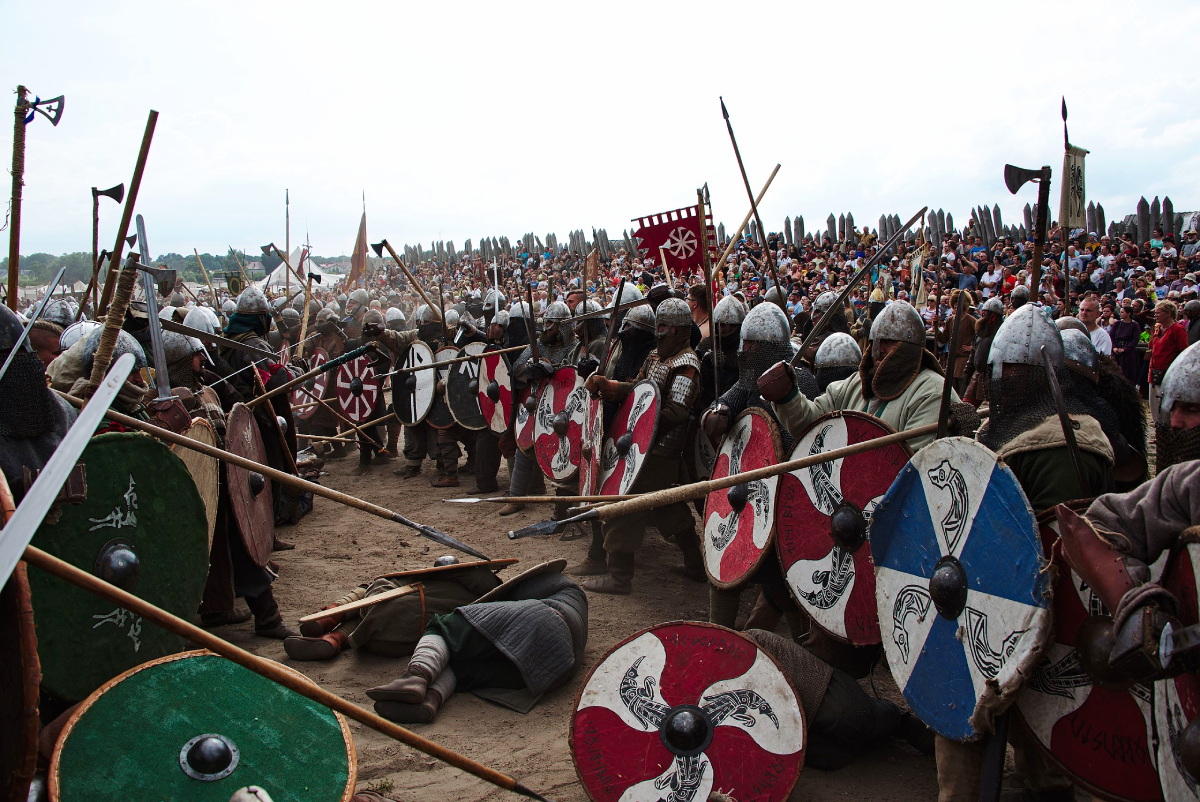
The Festival of Slavs and Vikings presents a unique blend of Norse and Slavic heritage with large-scale battles. Photo: Jakub T. Jankiewicz (CC BY-SA 4.0)
Festival of Slavs and Vikings, Poland, July 31 to August 3
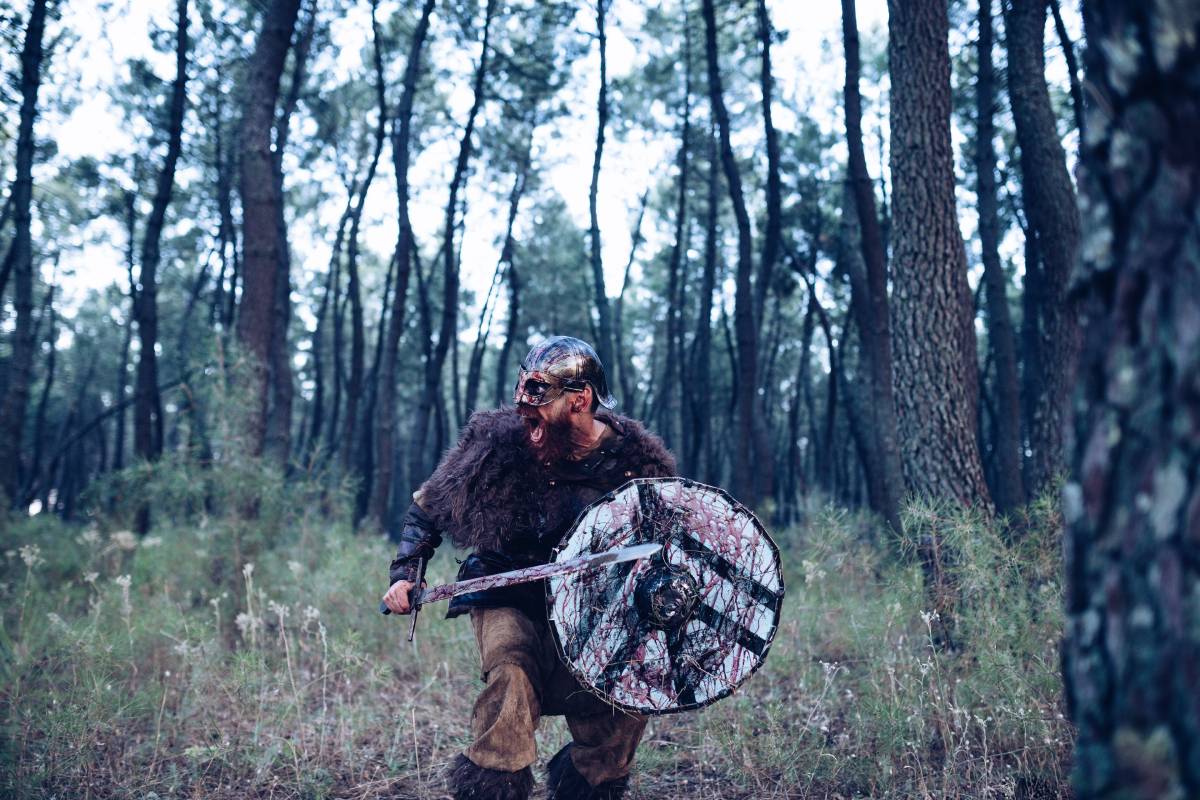
For something a little different this summer, The Viking Herald recommends traveling to the Baltic Sea island of Wolin in Poland. Here, the Polish celebrate a meeting of Scandinavian and Slavic culture that pays tribute to the Viking Age settlement discovered at Wolin. Visitors can look forward to a more Eastern European approach to reenactments, with a slightly more brutal and full-blooded clash of arms than at many West European festivals. This year, there is also something special going on at the nearby archeological site—an in-depth excavation that could unearth the depth of relations between Scandinavia and Poland during the Viking Age and potentially even reveal the long-lost city of Jomsborg.
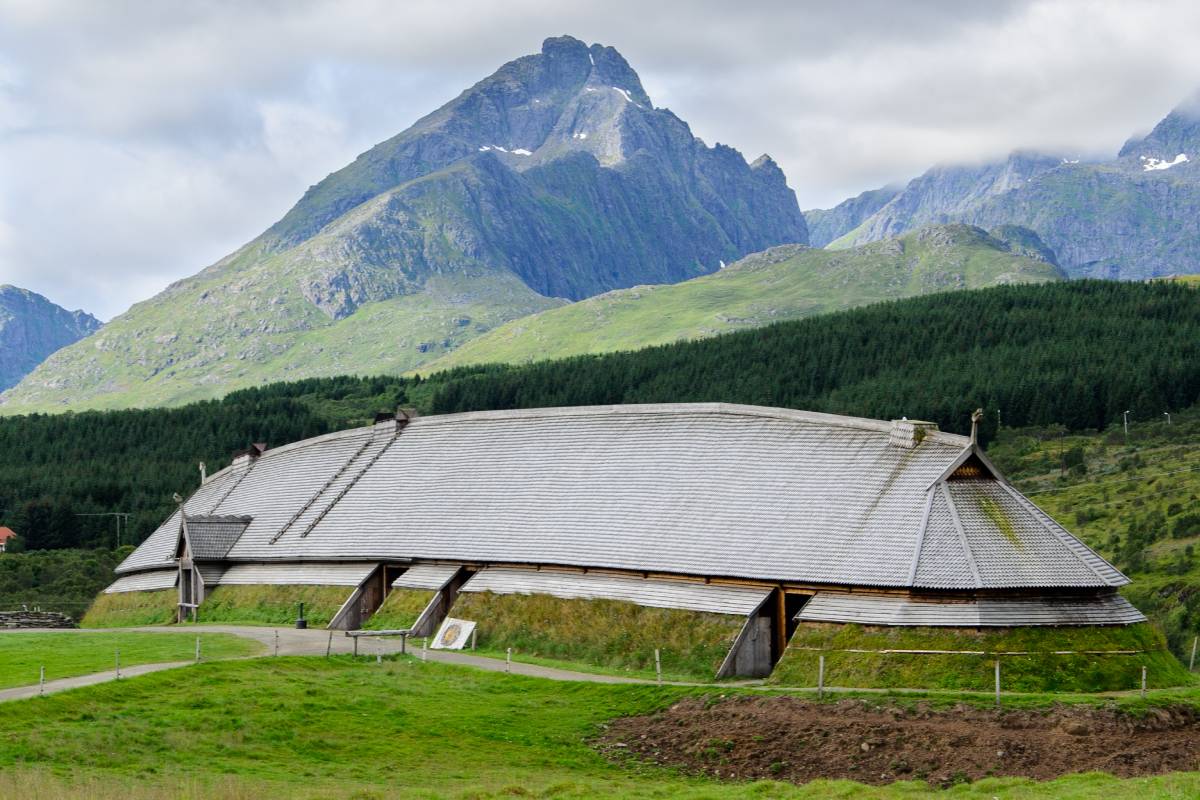
Lofotr Viking Festival offers a full program of reenactments and activities beside a reconstructed longhouse. Photo: Marek Kania / Shutterstock
Lofotr Viking Festival, Norway, August 1–10
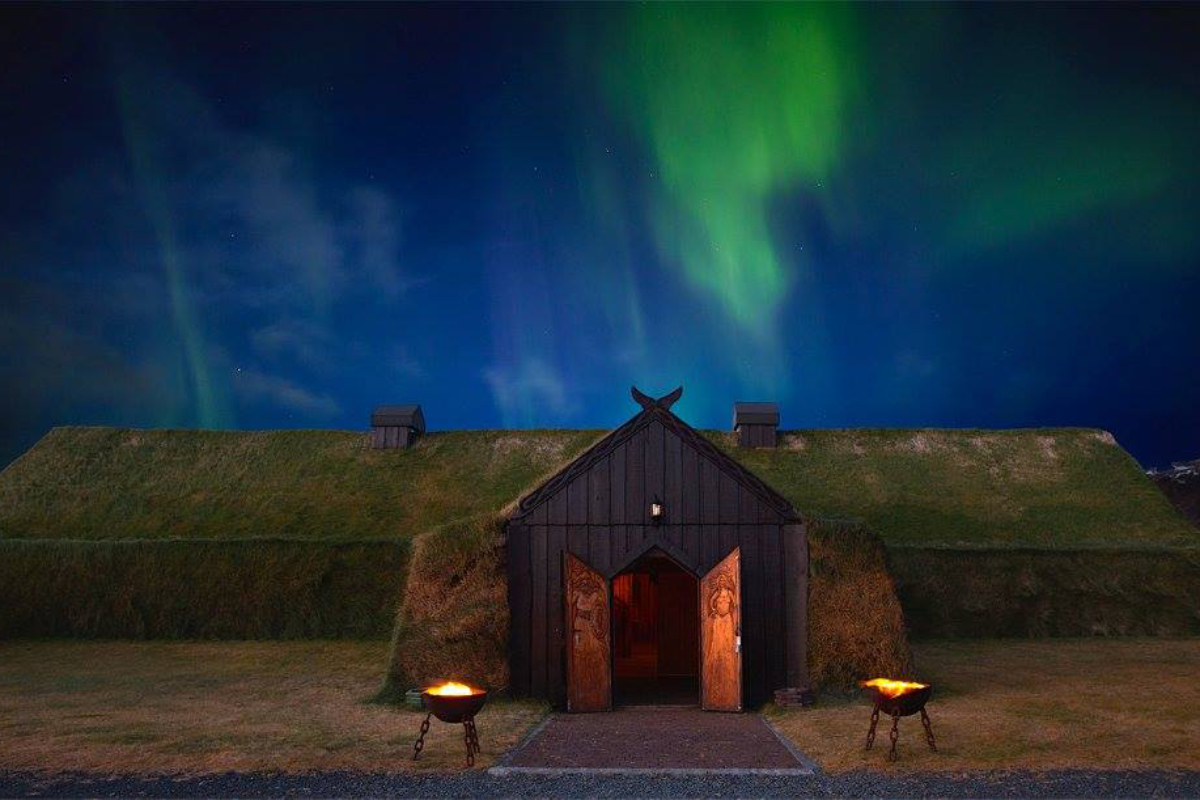
Lofotr is celebrating its 21st year at the Viking Ship Harbour in this ancient location in the Lofoten archipelago. Much like many other Viking festivals, Lofotr features markets, performances, concerts, battle shows, games, and competitions. What makes it truly special, however, is the setting. Visitors can take in the world's largest Viking longhouse as the mountains of the archipelago form a spectacular backdrop. Given that Lofoten lies beyond even Iceland, it might also be the northernmost Viking festival in the world.

Held in the historic city of Tønsberg, this festival features Viking ships, expert talks, and traditional crafts. Photo: Tønsberg Viking Festival
Tønsberg Viking Festival, Norway, August 7–10
Tønsberg is probably one of the most atmospheric Viking festivals in Europe. Held at the waterfront of this historical Norwegian city—just a few miles from the remarkable Viking site of the Oseberg ship burial—the festival offers the chance to view an incredible array of Viking vessels. The Tønsberg Viking Festival also usually attracts plenty of prestigious speakers to discuss the latest news in Viking Age archeology and history, while the market offers plenty of authentic craftsmanship and, of course, delicious food and drink to savor throughout the weekend.
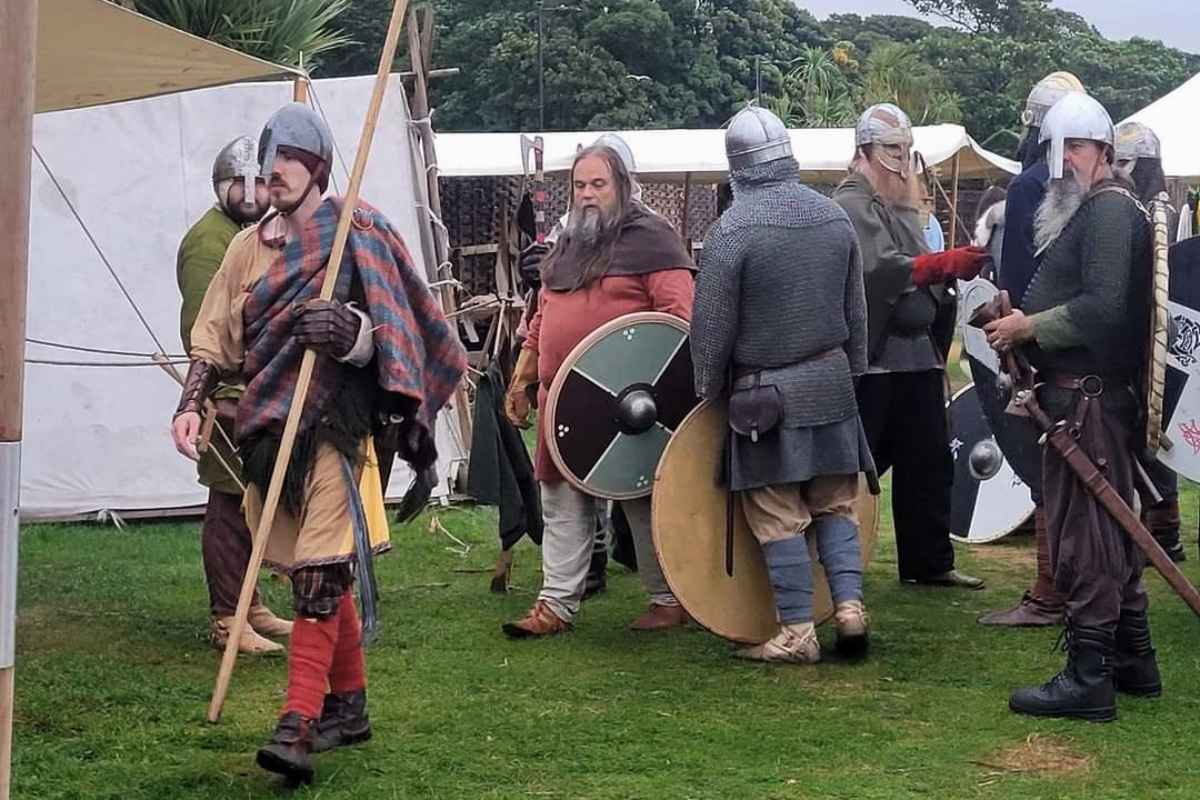
The festival has a rich history of over 40 years, making it one of the longest-running Viking-themed events in the UK. Photo: Largs Viking Festival
Largs Viking Festival, Scotland, August 30 to September 7
There is a slight contradiction to this event—it is a Viking festival that celebrates a battle that actually took place some time after the official end of the Viking Age. The Battle of Largs took place in 1263, though given that it was the last mainland battle between the Scots and the Norse, it could be seen as marking the final phase of the Scottish Viking Age. In any case, there is no lack of authenticity at the festival, with a Viking village giving locals and people from all over the world the chance to experience a slice of living history. There is also plenty of other spectacular entertainment on offer, including live music, battle reenactments, fireworks, and photogenic boat burnings on the beach of the Scottish coastal town.
We get to provide readers with original coverage thanks to our loyal supporters. Do you enjoy our work? You can become a PATRON here or via our Patreon page. You'll get access to exclusive content and early access.
Feel free to reach out to discuss potential stories that may be in the public interest. You can reach us via email at [email protected] with the understanding that the information you provide might be used in our reporting and stories.