

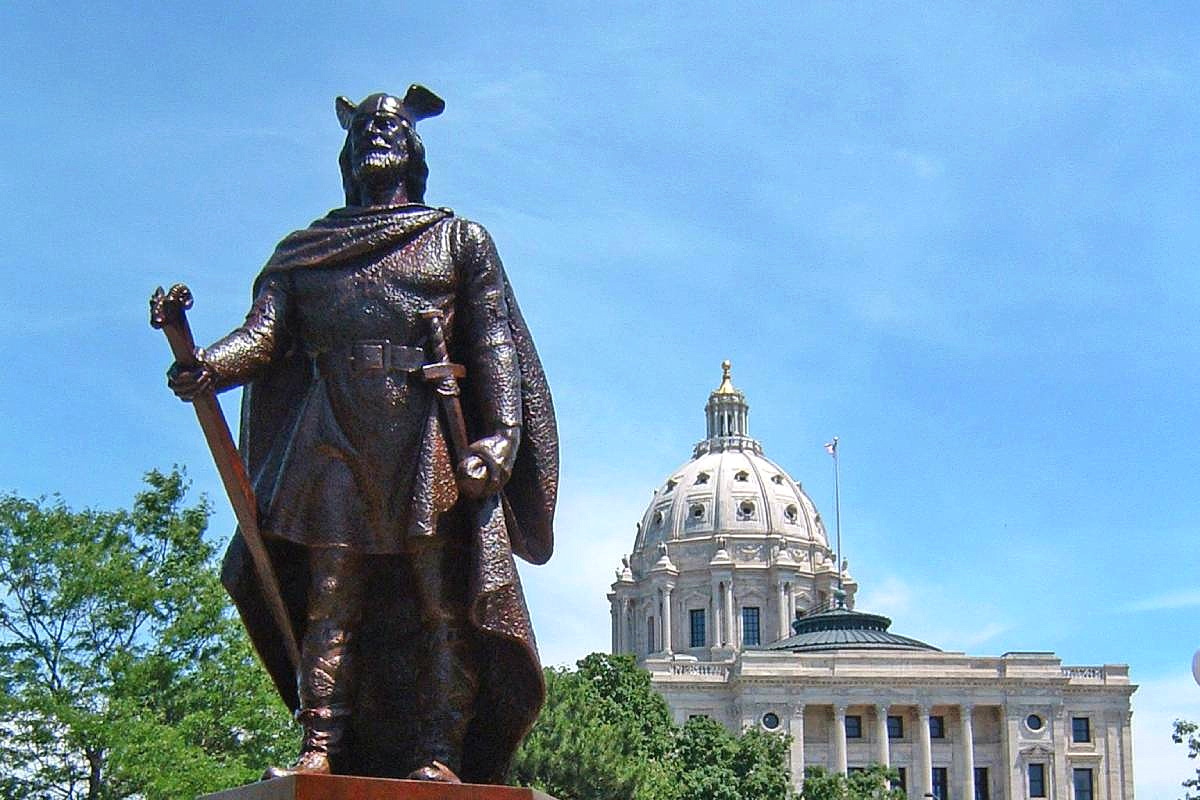
Donald Trump has officially declared October 9, 2025, to be Leif Erikson Day in the United States. The proclamation is part of an annual tradition of acknowledging the first European to land on the shores of North America.
A message for Nordic Americans
In a proclamation communicated via the official White House website, Donald Trump paid tribute to the Scandinavian explorer and emphasized the bonds between his administration and the Nordic nations of Norway, Sweden, Denmark, Iceland, and Finland.
"As we celebrate the heroic life of the great Leif Erikson," the proclamation reads, "We embrace his legacy, recognize the contributions of the millions of Nordic Americans, and recommit to advancing the timeless drive of discovery that has always stood at the heart of America's destiny."
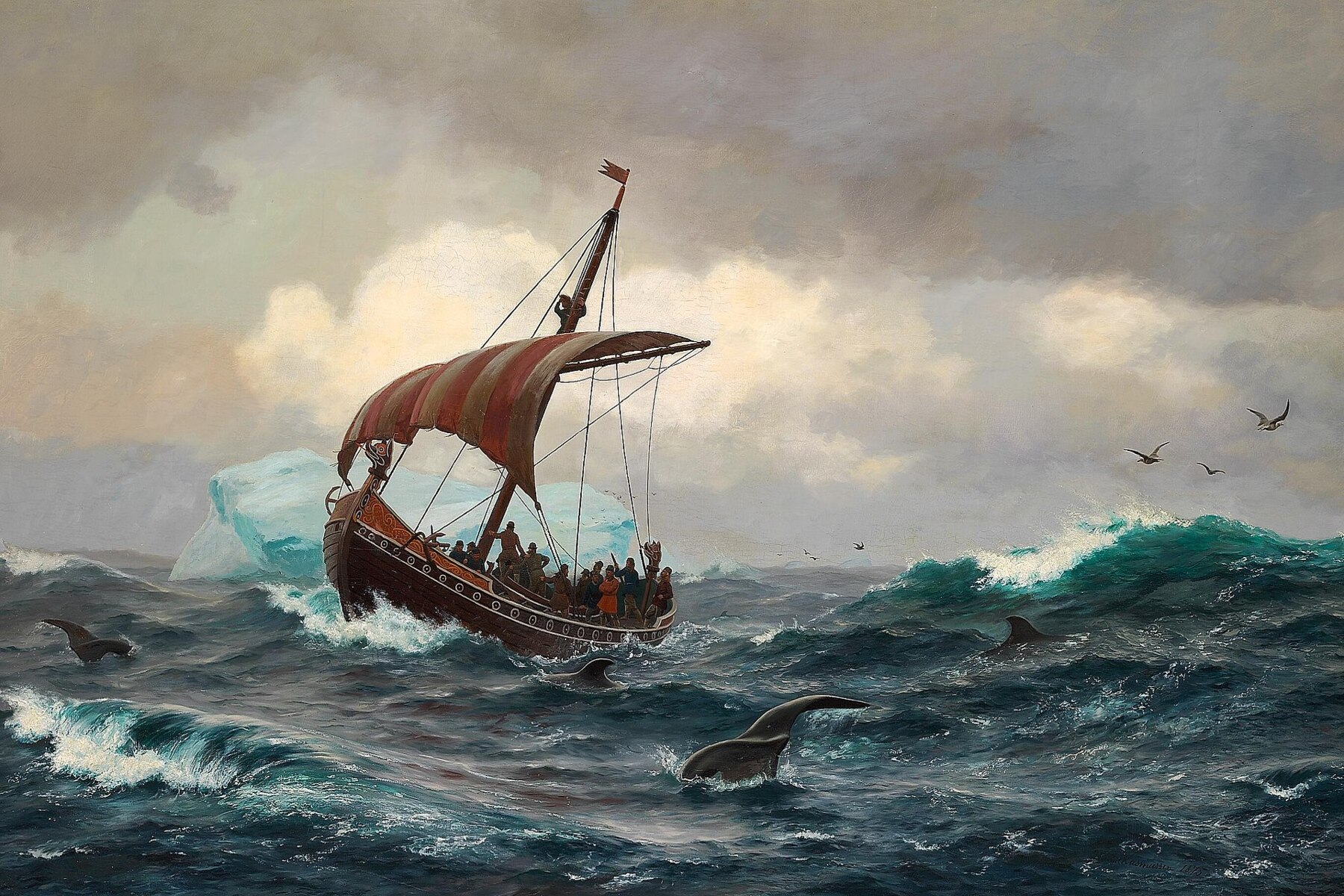
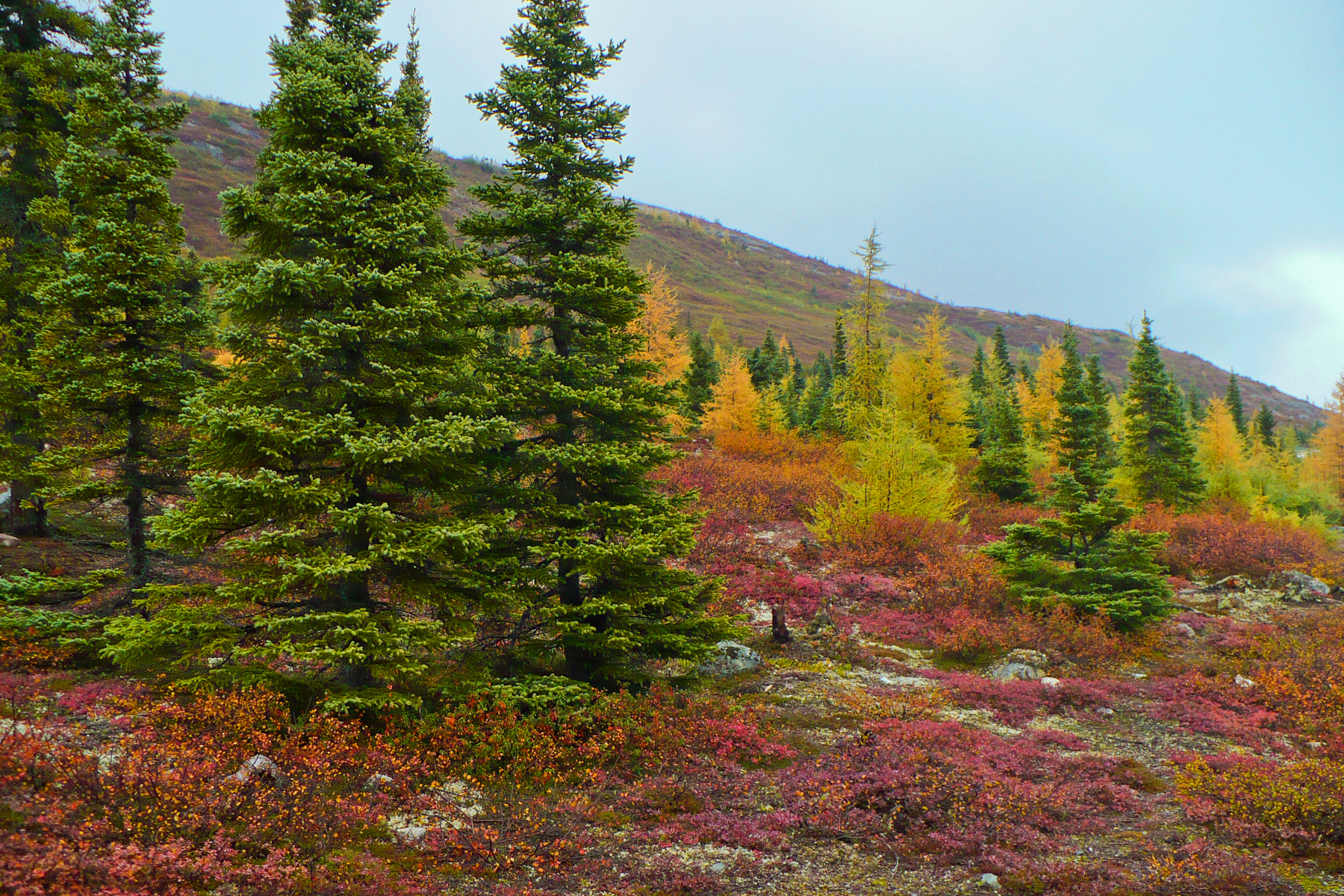
Leif Erikson is one of the most well-known people of the Viking Age, after sailing from Greenland to become the first European, together with the members of his crew, to set foot on the shores of North America, in Newfoundland, Canada.
As such, he has long been a popular figure in the Scandinavian communities of the United States.
Yet while Christopher Columbus, who journeyed to the New World nearly 500 years after the Scandinavian explorer, is a household name, Erikson has not always received the wider recognition his achievements arguably deserve.
In fact, the annual proclamation of Leif Erikson Day is the result of a lengthy campaign for recognition of his achievements in the 20th century.
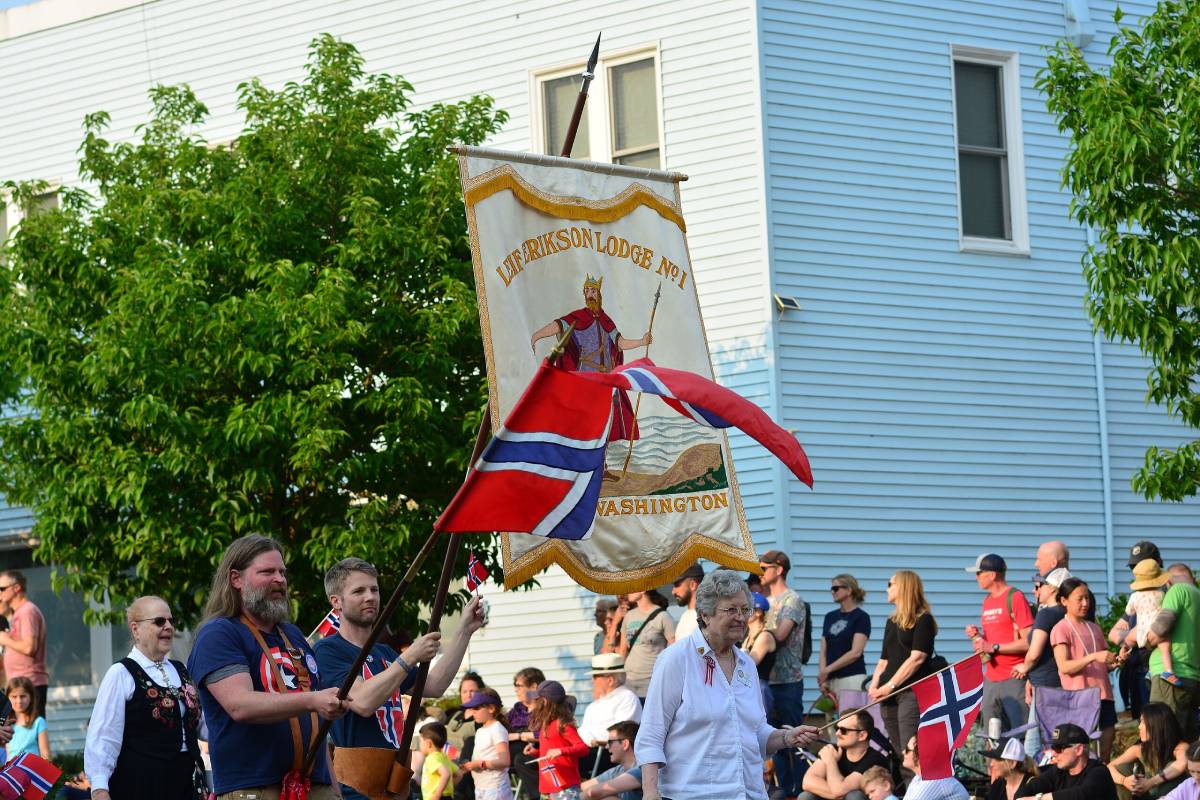
Members of Sons of Norway's Leif Erikson Lodge No. 1 carry their banner during a community parade in Seattle, Washington. Photo: Joe Mabel
Decades of campaigning
The first official steps to recognize the Viking explorer came in 1929, when the state of Wisconsin officially adopted October 9 as Leif Erikson Day.
The drive for recognition came after the Norwegian-American Rasmus Anderson helped popularize the idea that the Vikings were the first Europeans to arrive in the New World.
Backed by the Scandinavian community in North America, a campaign was launched that eventually resulted in Wisconsin and later six other U.S. states and one Canadian province, Saskatchewan, deciding to recognize the day.
In 1935, the federal government of the United States also acknowledged Leif Erikson Day for the first time after a resolution brought to Congress by the Wisconsin congressman Harry Sauthoff.
Yet while the resolution called for the day to be recognized on an annual basis, the final legislation only allowed for a one-off celebration in the same year.
Several additional pieces of legislation that called for the celebration to be recognized on an annual basis were unsuccessful. In 1964, however, President Lyndon B. Johnson signed a resolution that called for an annual proclamation to observe the day.
Since this time, each sitting president has issued a proclamation on an annual basis that acknowledges Leif Erikson Day and also pays tribute to the cultural links shared between the United States and the Nordic countries.
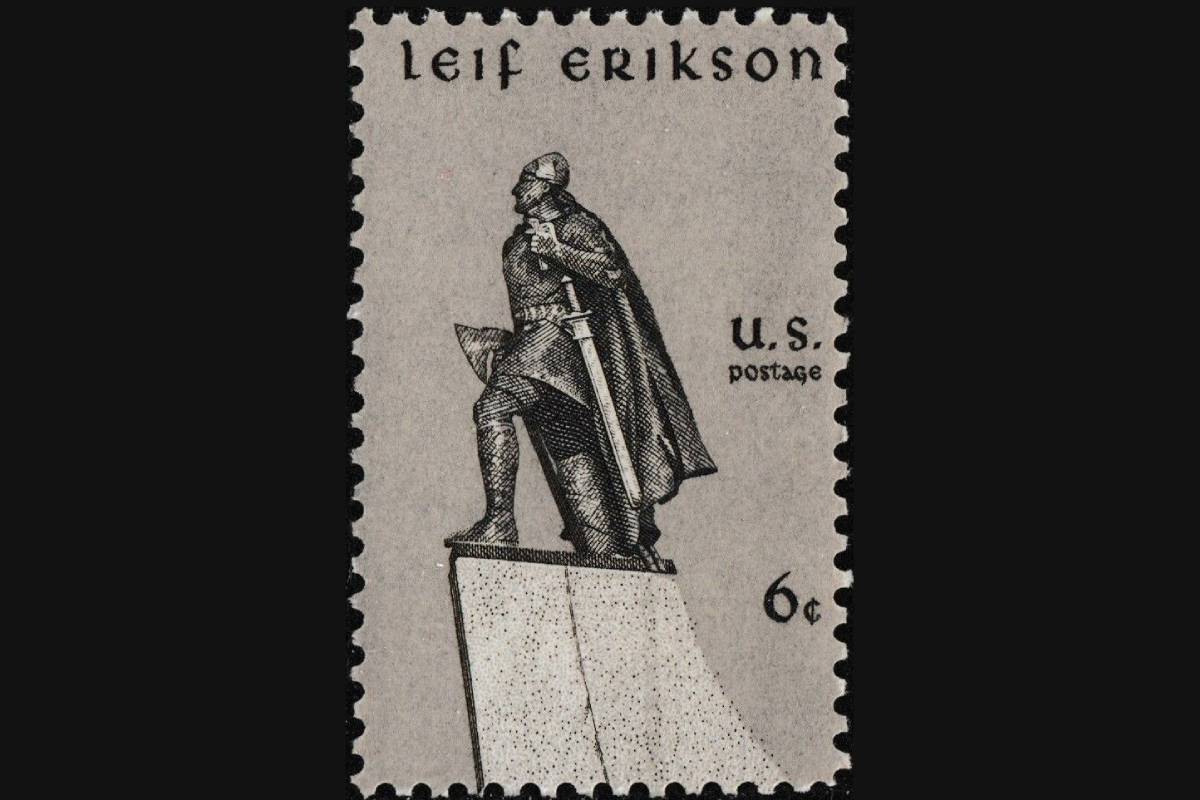
A 6-cent U.S. postage stamp from October 9, 1968, with artwork inspired by Alexander Stirling Calder's Reykjavík statue. Source: Bureau of Engraving and Printing
A widespread community
Given that the current U.S. president is arguably a divisive figure, who can often provoke strong reactions, it could be easy to read something deeper into the proclamation issued by the White House.
There have also been some historical attempts to link certain aspects of Viking culture with far-right or extremist theories. At the same time, Leif Erikson Day is still largely perceived as a relatively uncontroversial celebration of exploration and Scandinavian-American heritage.
There are estimated to be approximately 9.4 million people of Scandinavian ancestry in the United States, with an additional 1.2 million in Canada. Many of these people came to the shores of America during successive waves of immigration in the 19th and early 20th centuries.
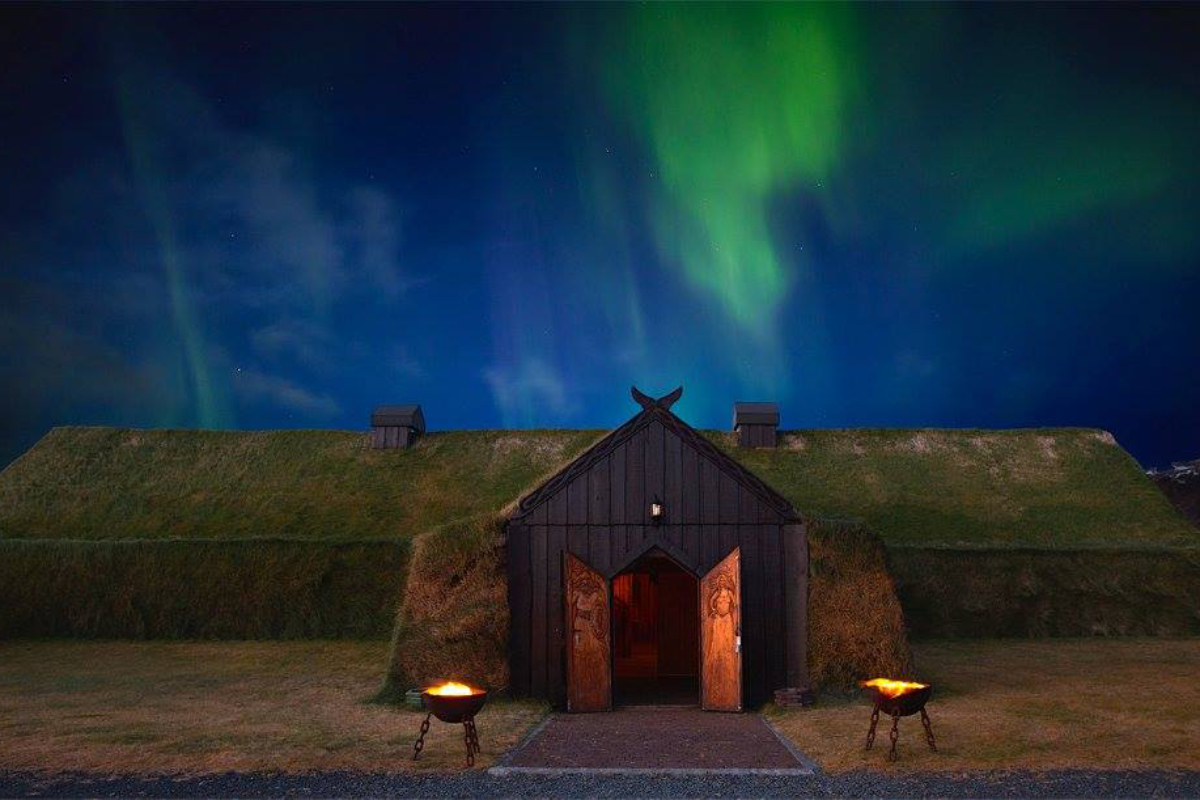
Indeed, it was two Norwegian visitors, Helge and Anne Stine Ingstad, who finally uncovered the only confirmed Viking site in North America, L'Anse aux Meadows, in Newfoundland, Canada.
A number of Viking-themed festivals have also emerged in the U.S., which have been founded by Scandinavian Americans, such as the Nordic Fire Festival in Michigan and the Great Northern Viking Festival in Minnesota.
Similarly, the recent launch of the Valkyrie in Washington State was the dream of a Danish-American family that had settled in the local area.
Whatever direction politics takes, it is hoped that cordial relations between the Nordic countries and the United States will continue for many centuries to come.
We get to provide readers with original coverage thanks to our loyal supporters. Do you enjoy our work? You can become a PATRON here or via our Patreon page. You'll get access to exclusive content and early access.
Feel free to reach out to discuss potential stories that may be in the public interest. You can reach us via email at [email protected] with the understanding that the information you provide might be used in our reporting and stories.