

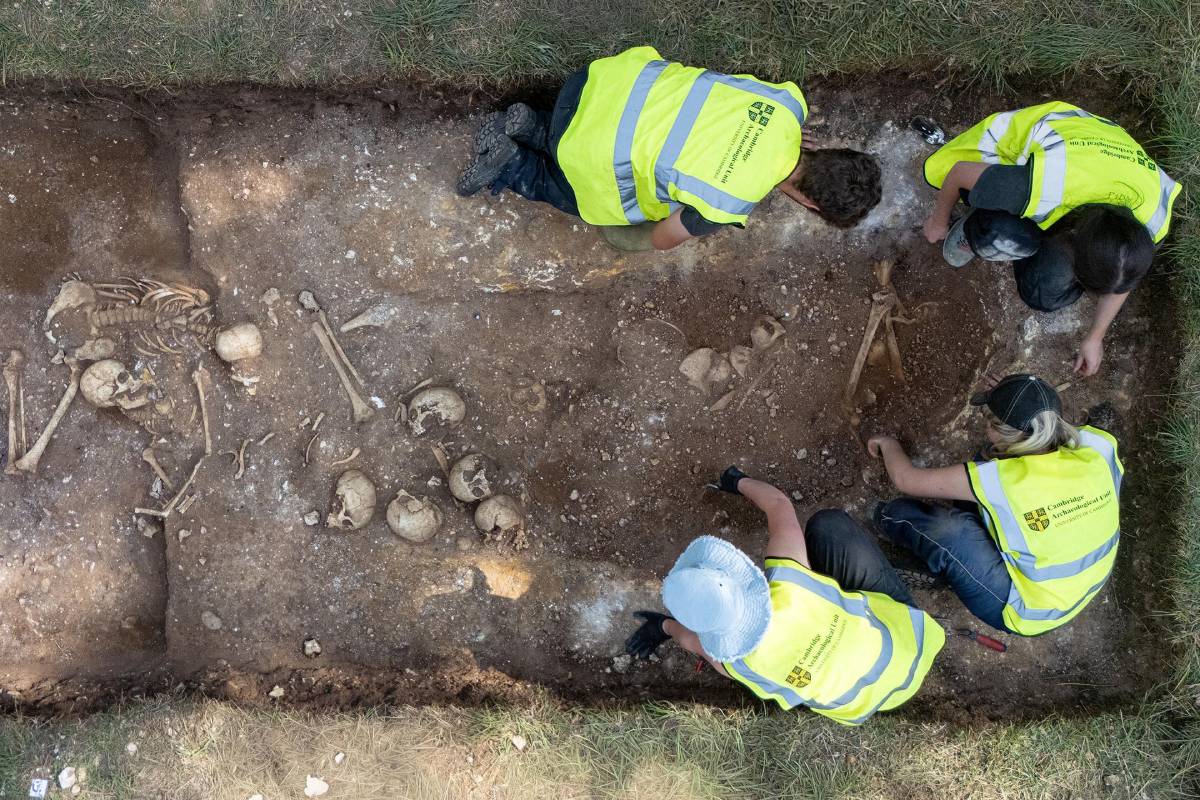
Excavators uncovered the remains in a single grave pit at Wandlebury, an Iron Age hillfort site just outside Cambridge. The burial includes at least ten men and shows signs of violence, including dismemberment and possible restraint.
One individual, unusually tall for the period, is notable because his skull bears a large circular opening consistent with trepanation, and the bone shows signs of healing.
Experts think the procedure took place while he was alive, which suggests he survived it for some time.
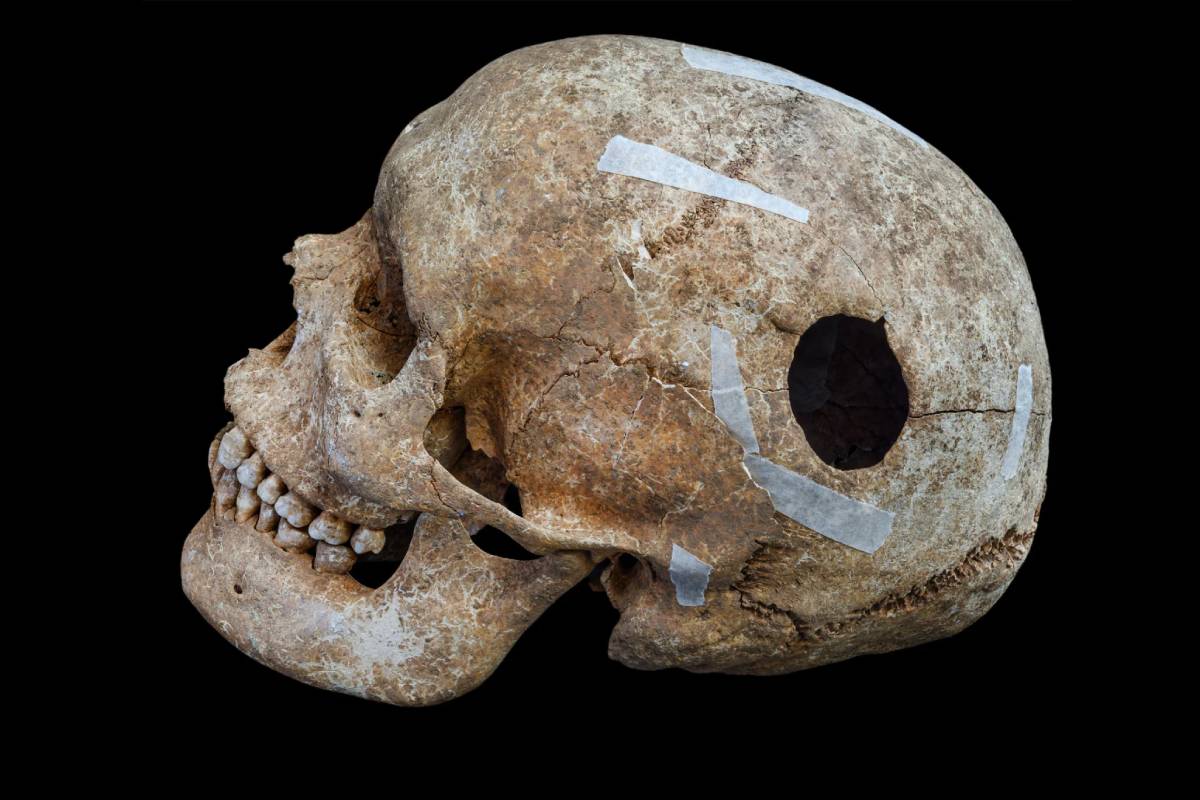
A healed cranial opening on a skull, consistent with trepanation. Source: David Matzliach / Cambridge Archaeological Unit
A dramatic cure for headaches
The discovery came to light during a student training dig last year.
The grave pit has been provisionally dated to the 9th century, with one man in particular drawing attention. With an estimated height of 6 feet 5 inches (1.90 meters), the man was some 11 inches taller than the average male in this period.
According to a University of Cambridge press report, the skull of the man contained a large, round hole. This hole has revealed signs of healing, suggesting that it had been bored into his skull as part of a rudimentary medical procedure known as trepanation.
Trepanation, also known as trepanning, is the ancient surgical practice of drilling, scraping, or cutting a hole in the skull to treat health issues, trauma, or for ritualistic purposes.
"The individual may have had a tumor that affected their pituitary gland and caused an excess of growth hormones," commented Dr. Trish Biers, curator of the Duckworth Collections at the university, in the press release.
"We can see this in the unique characteristics in the long shafts of their limb bones and elsewhere on the skeleton. Such a condition in the brain would have led to increased pressure in the skull, causing headaches that the trepanning may have been an attempt to alleviate."
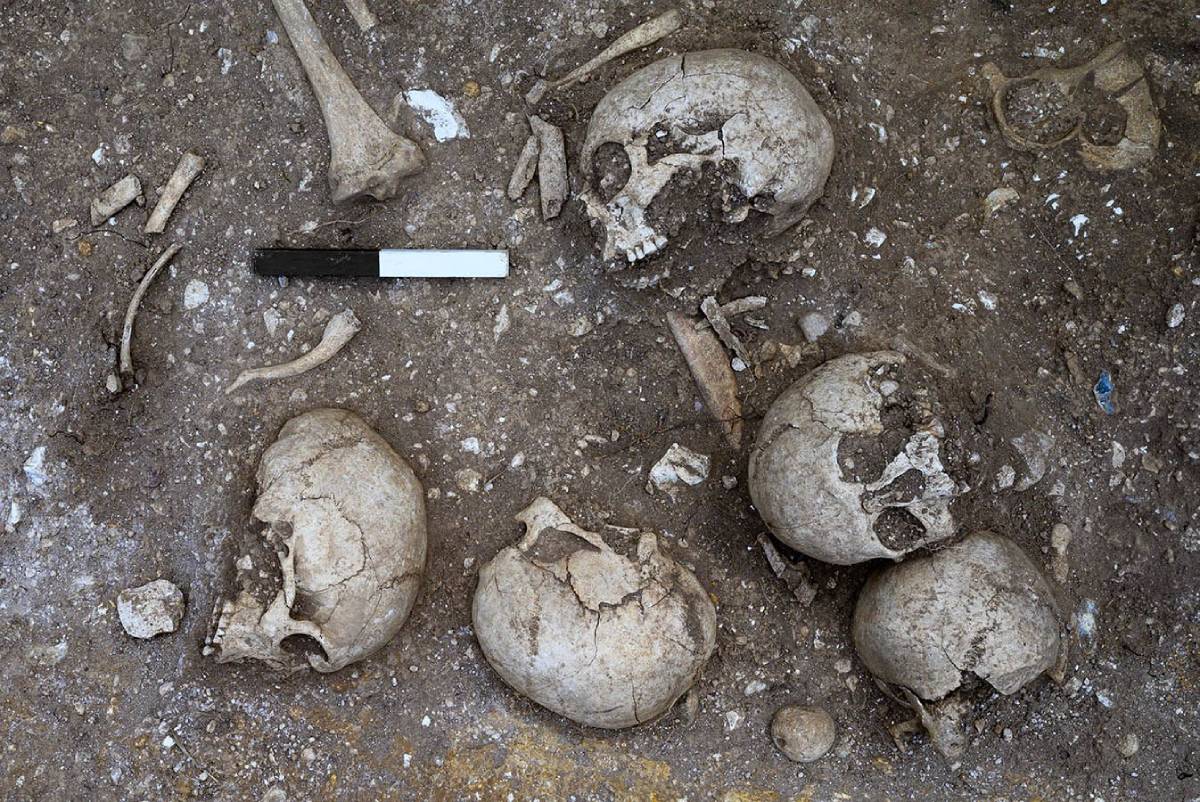
Several skulls from one burial pit, part of a possible execution pit context. Source: David Matzliach / Cambridge Archaeological Unit
Culture clashes
The Wandlebury site was first excavated in 1976, with the earliest finds from around 400 BCE. The latest remains, however, are thought to date to the 9th century CE.
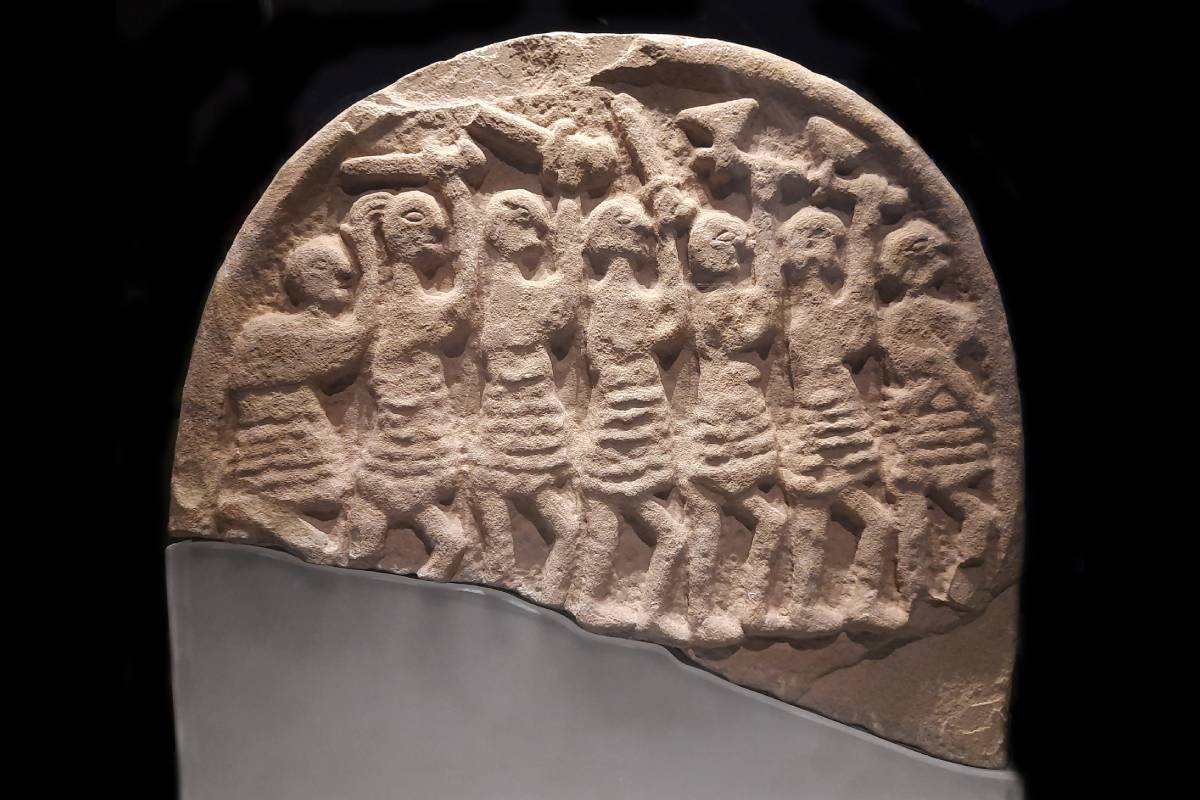
There are indications of violence in the arrangement of the bodies – some have been dismembered, while others appear to have been tied up. In other words, this may have been an execution pit.
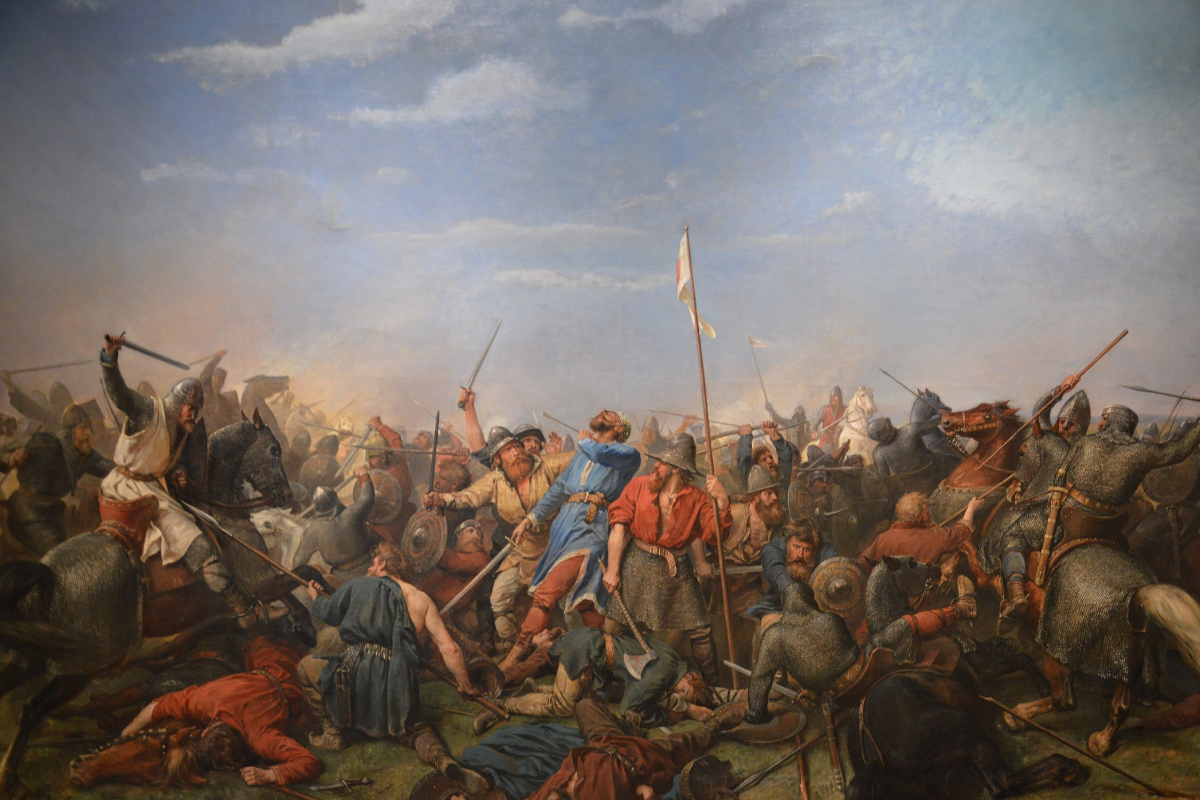
Cambridge served as a winter base for the Viking Great Army in 874–875 CE, and the area remained under Viking control into the early 900s. Medieval Christian sources referred to this force as the "Great Heathen Army," but in reality it was not a single unified force and it was never entirely "heathen."
At this stage, the archeologists do not yet know if the men found in the latest grave pit are Anglo-Saxon or Norse. DNA testing could reveal more about the origin of the men and perhaps whose side they may have been on in the struggle for power.
In addition to DNA testing, the team will also carry out isotopic work. It is hoped that these investigations will be able to provide more information about the health and ancestry of the men buried at Wandlebury.
The excavation is part of a five-year project by the university to train future archeologists, in collaboration with the charity Cambridge Past, Present and Future.
"I would never have expected to find something like this on a student training dig. It was a shocking contrast to the peaceful site of Wandlebury," Grace Grandfield, a Cambridge undergraduate from York who took part in the dig, commented in the press release.
"Several of the individuals we uncovered were a similar age to me, and it was a sobering experience to identify ever more disarticulated bones and realize the extent of the suffering that had taken place."
We get to provide readers with original coverage thanks to our loyal supporters. Do you enjoy our work? You can become a PATRON here or via our Patreon page. You'll get access to exclusive content and early access.
Feel free to reach out to discuss potential stories that may be in the public interest. You can reach us via email at [email protected] with the understanding that the information you provide might be used in our reporting and stories.