

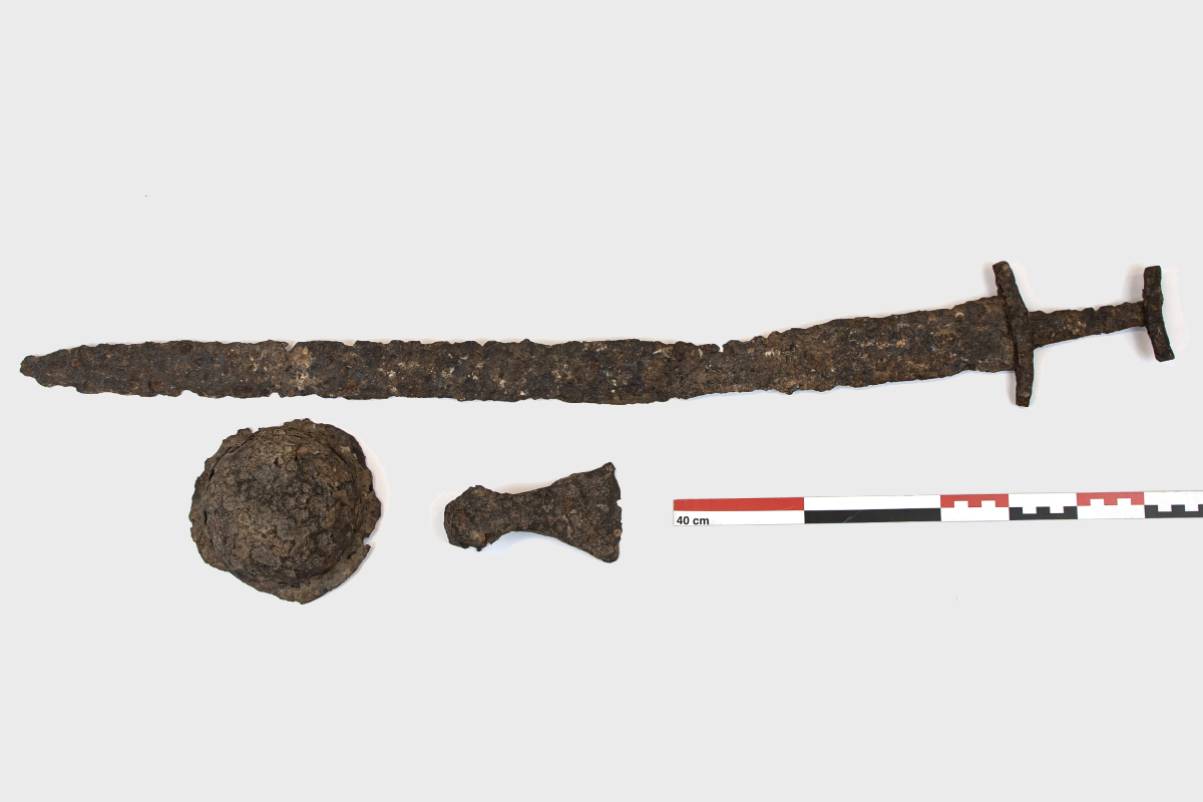
A set of Viking Age artifacts left on the shelf for some 54 years has now finally been presented to the Norwegian authorities.
It is hoped that the weapons, which were discovered and maintained by the Tormodsrud family on Askjem farm in southern Norway, will eventually be placed on display to the general public.
Pride of place
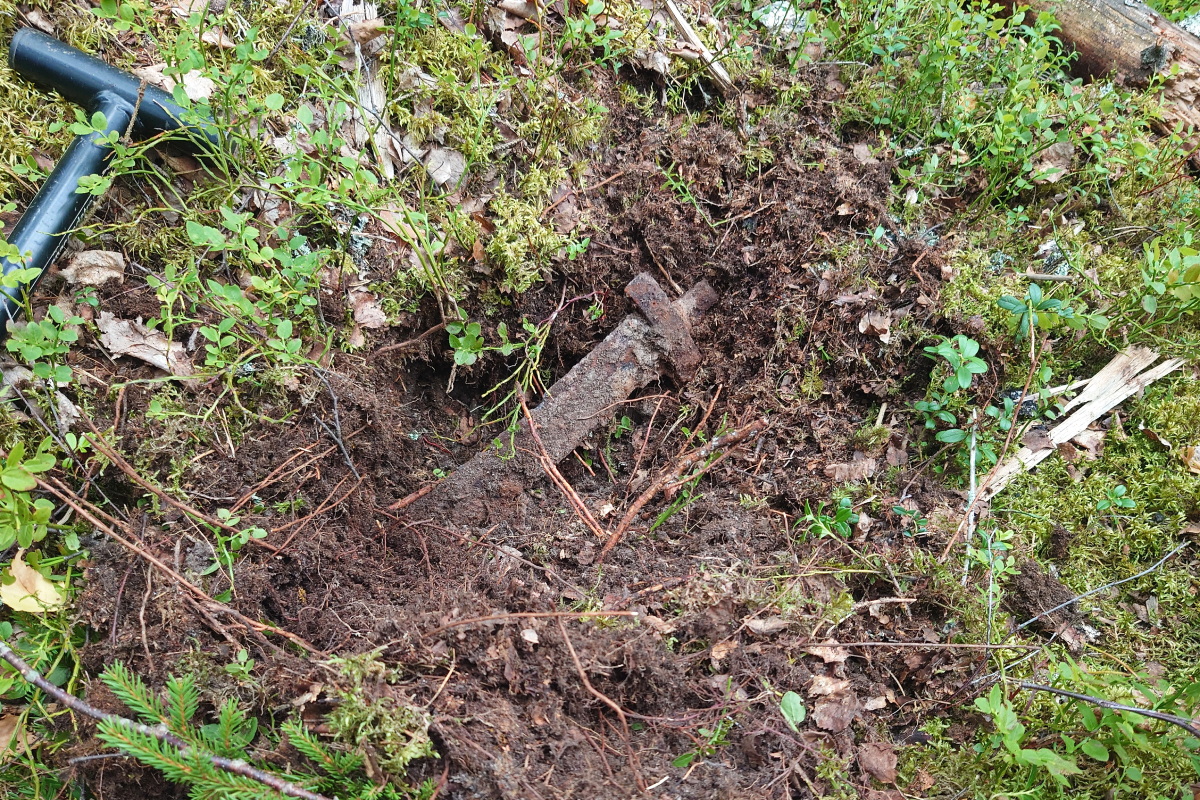
In 1970, the farmer Olav Tormodsrud was digging a trench on his property in the Lardal municipality in Norway when he came across an unusually hard object in the ground.
After carefully removing the surrounding soil and clay and extracting a total of three objects, Tormodsrud found himself face-to-face with a small Viking hoard: a sword, an axe, and a shield boss.
Tormodsrud may have been delighted with his discovery, but he was also reluctant to hand it over to the authorities, apparently uneasy with the prospect of a major investigation on his property.
Instead, he placed the weapons on the mantelpiece in the main house of his farm, where they would rest for more than half a century.
By law, historical artifacts found in Norway are the property of the state and should be handed over to the authorities.
For this reason, in an interview with the Norwegian Broadcasting Corporation (NRK), Olav Tormodsrud's granddaughter, Inger Aadne, explained that the weapons were considered something of a secret, with family members discouraged from talking about them.
- READ MORE: A Viking history of Norway – Part 1
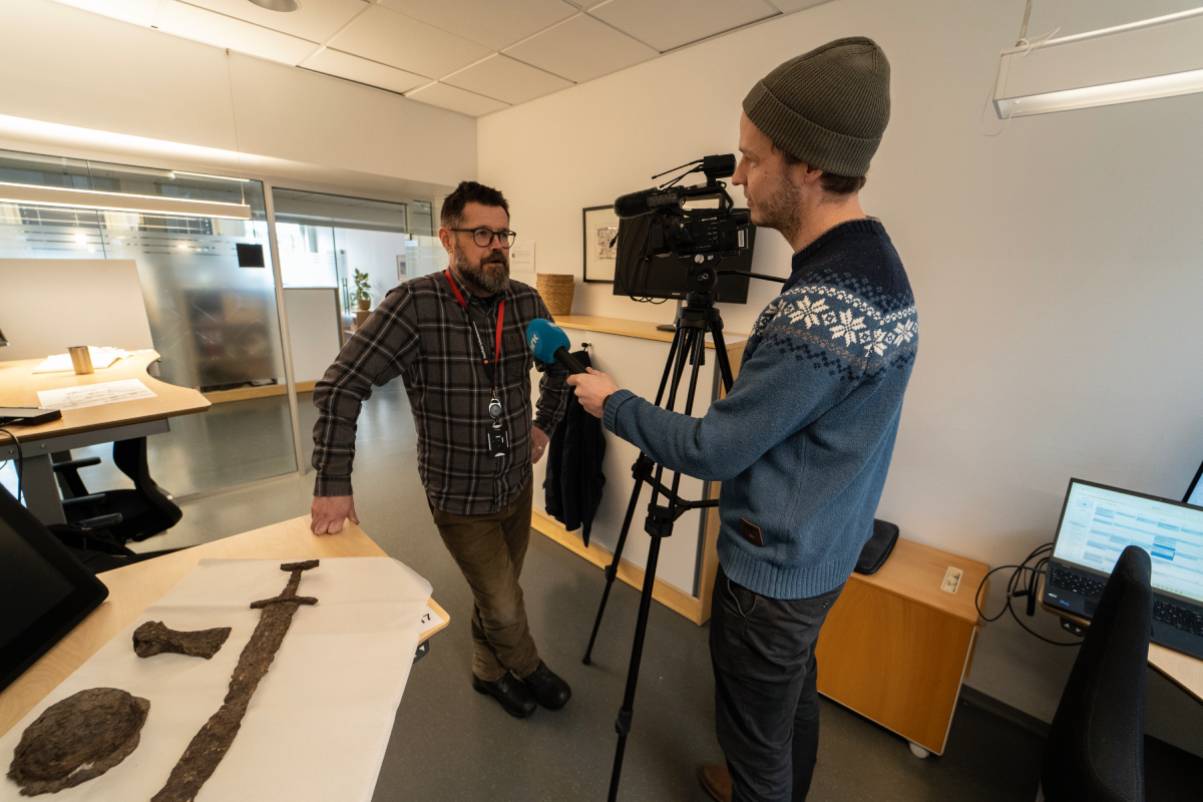
Ragnar Orten Lie, a project manager for Vikingvegen Vestfold, said receiving a full set of Viking weapons is rare. Source: NRK
A special delivery
Not only was the family technically infringing Norwegian law, but they also had no idea how old the artifacts were.
But as they made plans to renovate the fireplace where the objects were kept, Inger and her husband, Jan Aadne, realized it would be the perfect opportunity to try to find out more about the artifacts and perhaps share them with the community as a whole.
To do so, the couple sent the weapons to Cultural Heritage Vestfold, which is responsible for safeguarding the history of Vestfold County.
The package was accepted at the office last year by a delighted Ragnar Orten Lie, a project manager responsible for Vikingvegen Vestfold and Telemark.
"Though we did receive other swords in 2024, we were delighted to see a whole set of artifacts – not just a single object or fragment," Ragnar tells The Viking Herald.
A first real look
The experts at Cultural Heritage Vestfold have already carried out an initial analysis of the finds. They have provisionally dated the artifacts to the 10th century, placing them firmly in the Viking Age.
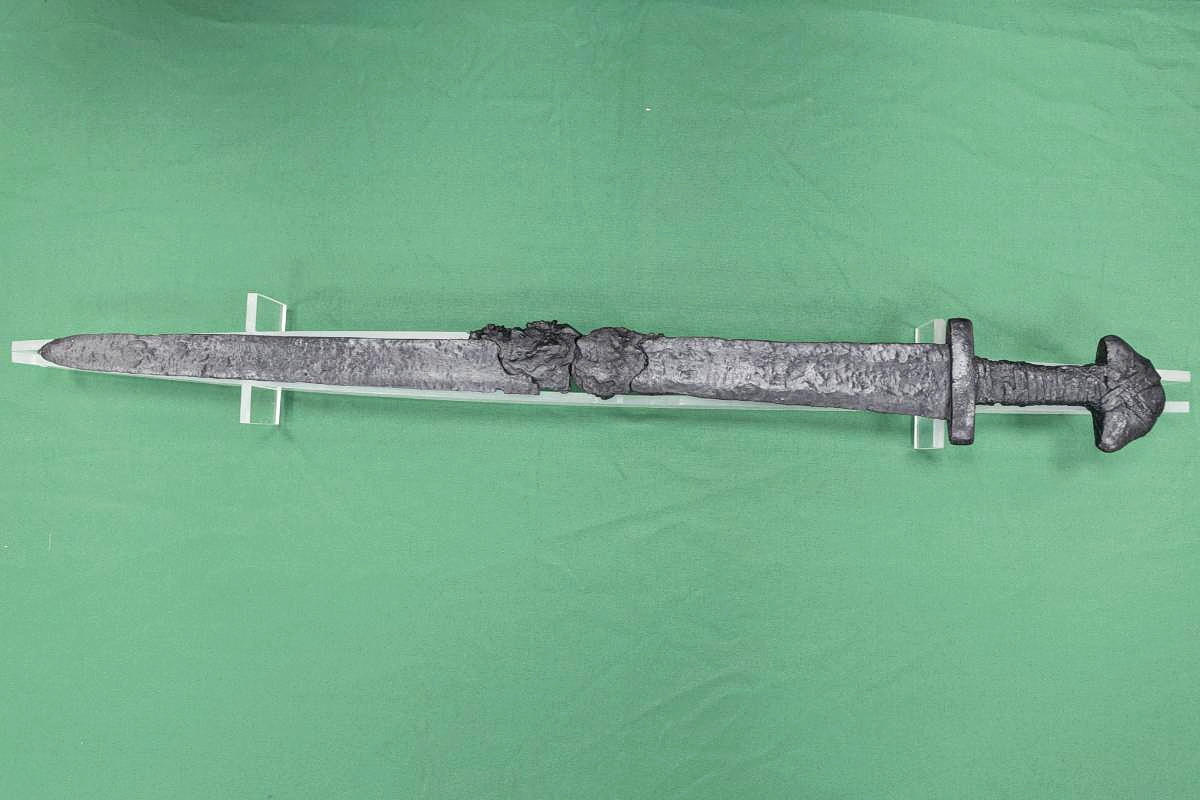
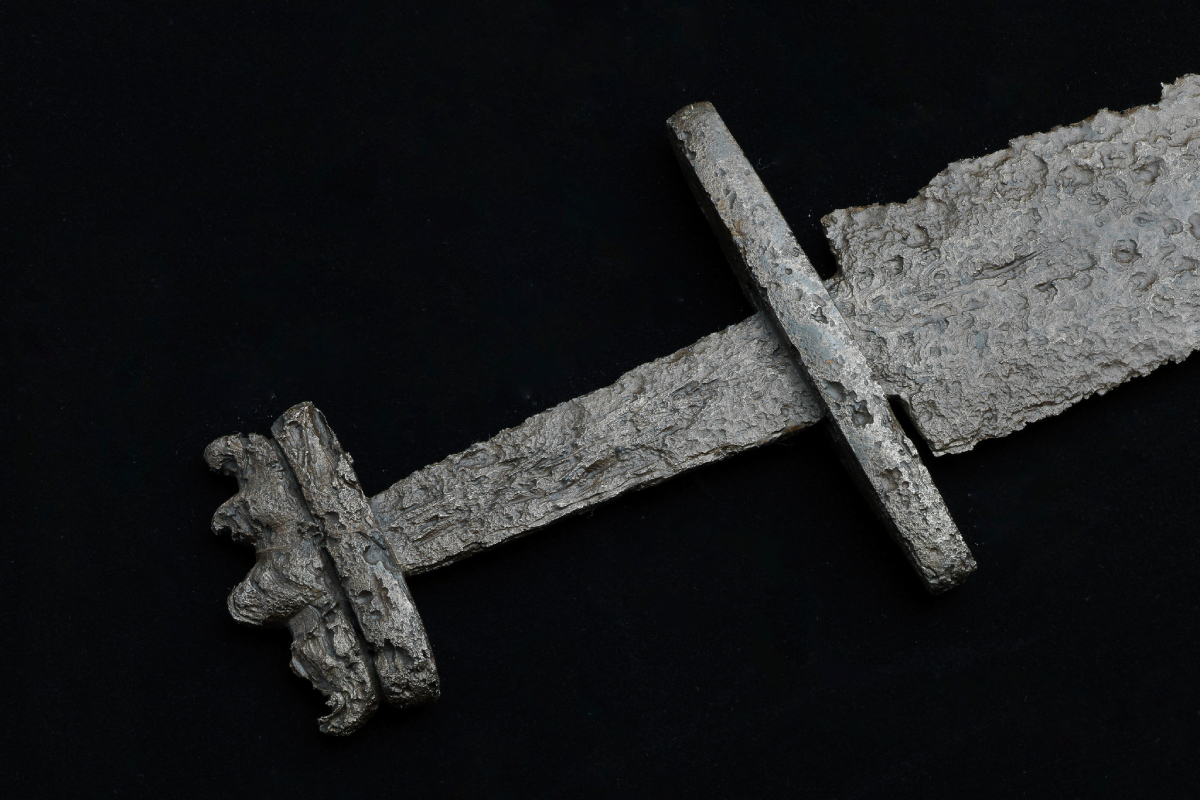
The shield boss – the central, raised element of the shield – and the axe head are both remarkably well preserved. It is the sword, however, that is perhaps the most striking.
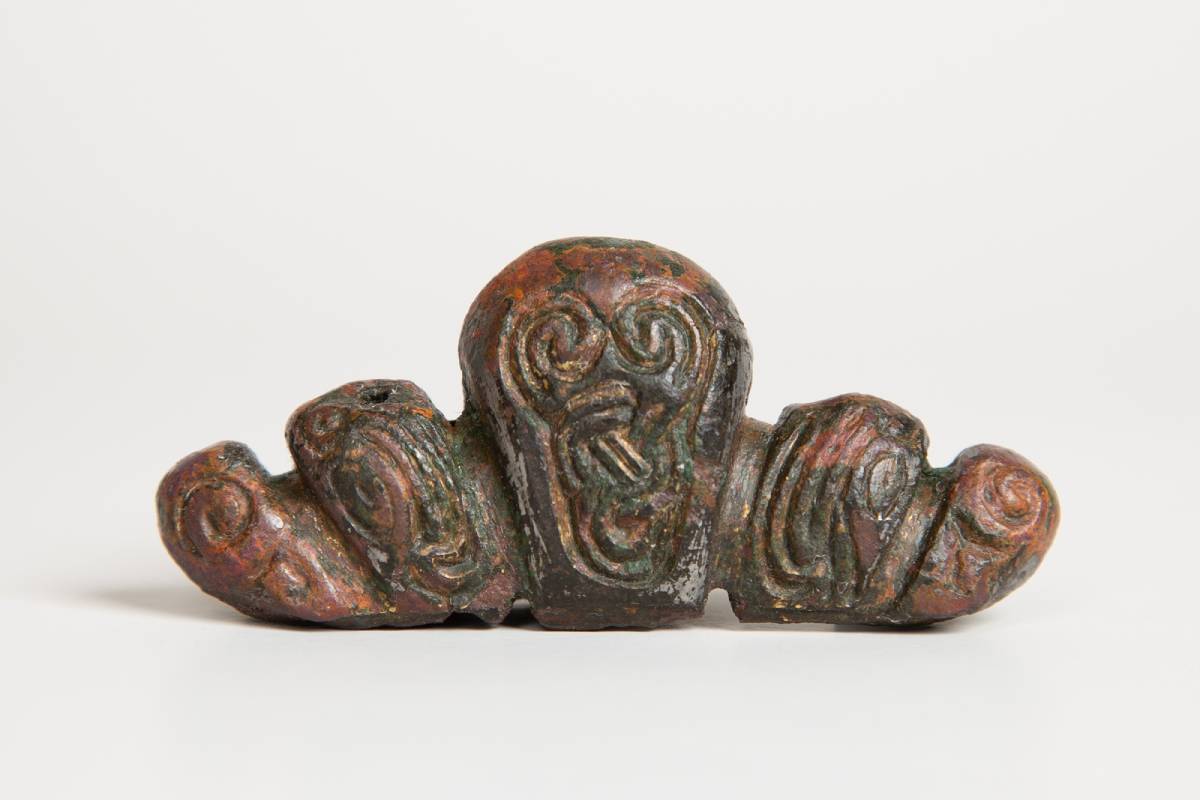
"We do look at typology for objects, and in this case, the sword's hilt indicated that it was Type Q, with a slight possibility for Type O, given that a part of the pommel is missing," Ragnar informs The Viking Herald.
The presence of the sword alongside two other classic Viking weapons indicates this may have been the burial site of a local man, possibly a warrior, though this has not yet been confirmed.
- READ MORE: A complete guide to Viking weaponry
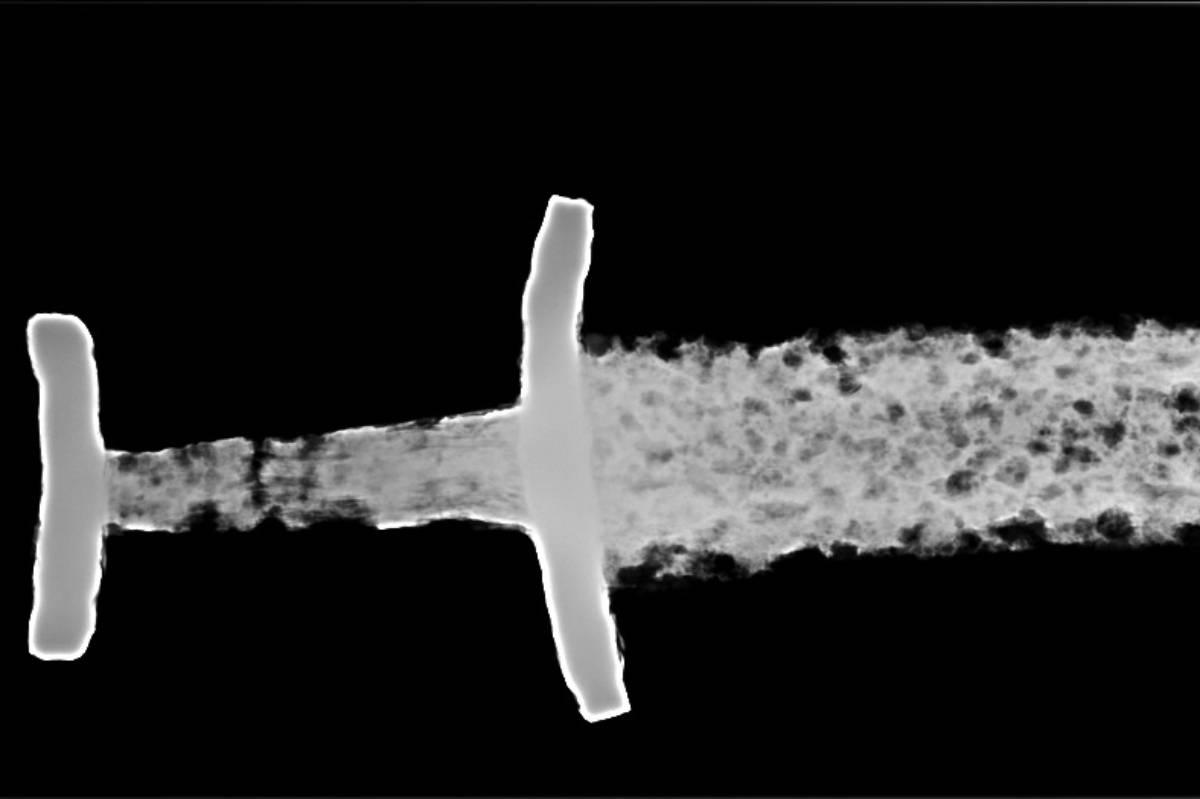
The shield boss and axe head remain well preserved, but the sword stands out as the most striking artifact. Source: Kulturarv Vestfold
What else is out there?
Indeed, Ragnar notes that when artifacts are only presented some time after their discovery, much of the most important information is often lost by that time.
"To us, context is very important," Ragnar explains to The Viking Herald. "Objects without any context are tragic. With the museum, all objects are carefully stored, and the information on when and where they were found is maintained."
Ragnar also believes that there are probably many other similar finds still hidden from view.
"Many objects are kept privately – mainly those found on farms during agricultural work," Ragnar informs us. "Today, on the other hand, most finds of this kind are unearthed by metal detectorists."
As for the Askjem farm artifacts, the next step is further analysis. "We will pass the objects on to the Museum of Cultural History and the University of Oslo for dating and conservation," Ragnar confirms.
It is then hoped that the items will be made available for public display, in line with the family's wishes.
We get to provide readers with original coverage thanks to our loyal supporters. Do you enjoy our work? You can become a PATRON here or via our Patreon page. You'll get access to exclusive content and early access.
Feel free to reach out to discuss potential stories that may be in the public interest. You can reach us via email at [email protected] with the understanding that the information you provide might be used in our reporting and stories.