

For those who believe in the Christian afterlife, their deeds in this life are said to reap eternal reward in the next.
For those that don't, that's OK (we don't judge here at The Viking Herald) because you reap an eternal reward in this life by hopping on a train, bus, or plane and traveling to that little slice of heaven here on Earth: Poland.
After centuries of being tossed around like a rag doll between its larger and more powerful neighbors and decades of authoritarian oppression during the Cold War, Poland is now having a bit of a moment.
Not only is it Europe's fastest-growing economy, but it is also a budding tourist mecca. Part of why millions of people travel to this Central European country (don't you dare call it Eastern Europe!) is its rich culture and storied history, often tragic but always memorable.
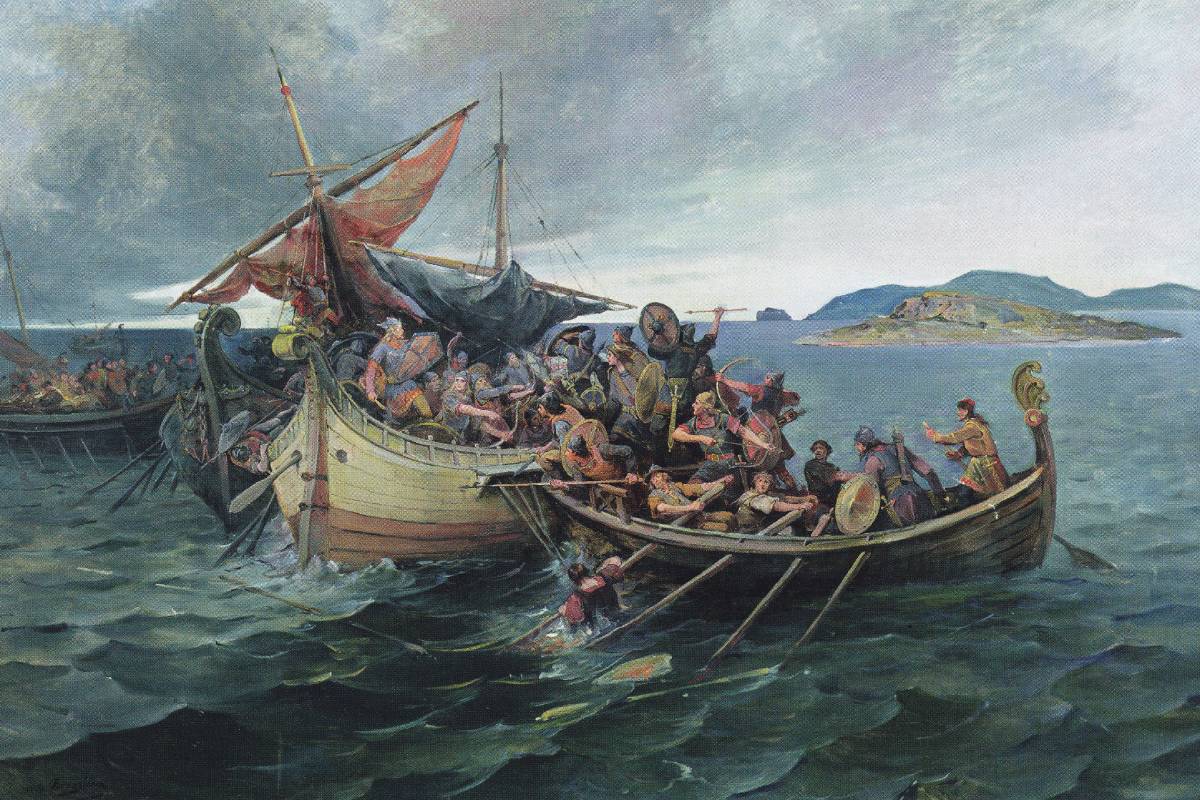
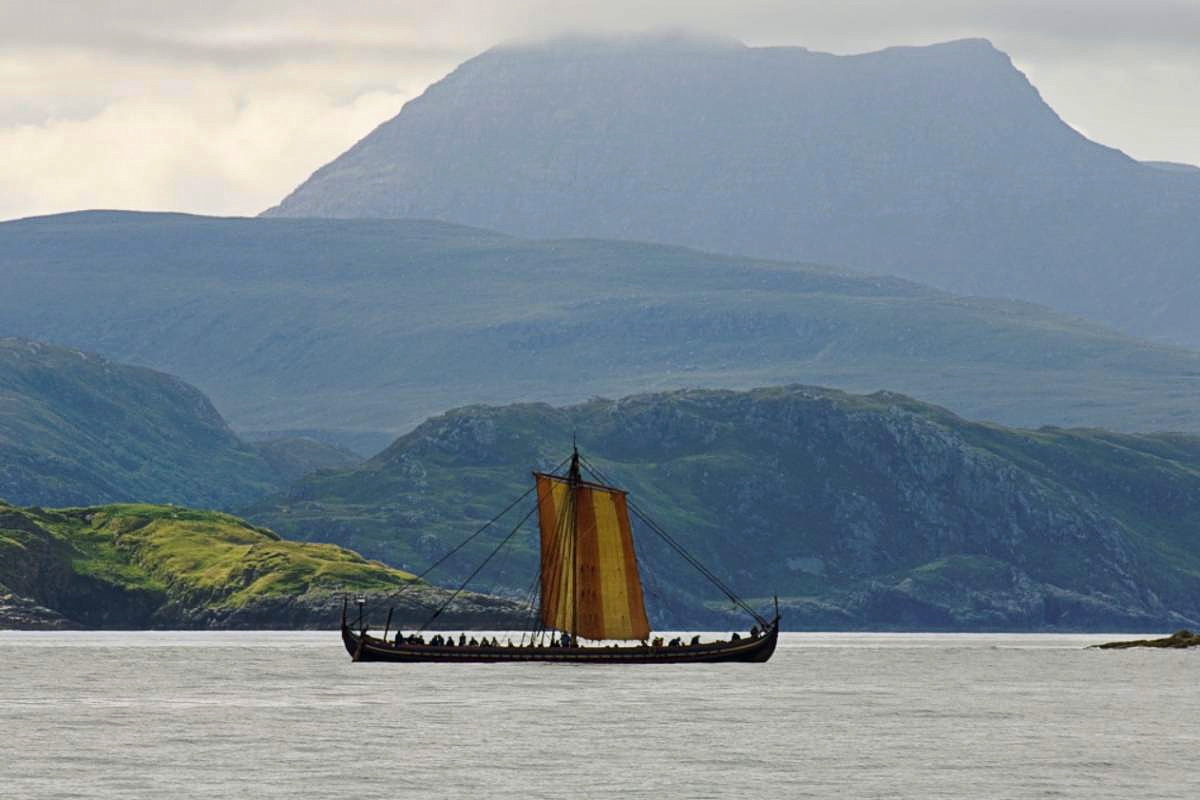
For much of the early medieval period, Poland was at the very epicenter of Viking activity. Its northern shores, where the Baltic Sea rolls onto, were just a short longboat sail from the Viking homeland of Scandinavia.
Much of the country experienced Viking interactions, be they predatory raids, military encounters, or the lucrative trade of goods or people.
The inhabitants of medieval Poland—particularly the Slavs, one of the many peoples who lived in this region during the medieval period—had a complicated relationship with people from Viking societies that oscillated between friend and foe, profit and pillage, ally and slave.
Perhaps the best way to experience Poland's culture, history, and landscape is through its Viking history. Let us go on a whistlestop tour of the country through five of its most famous Viking sites.
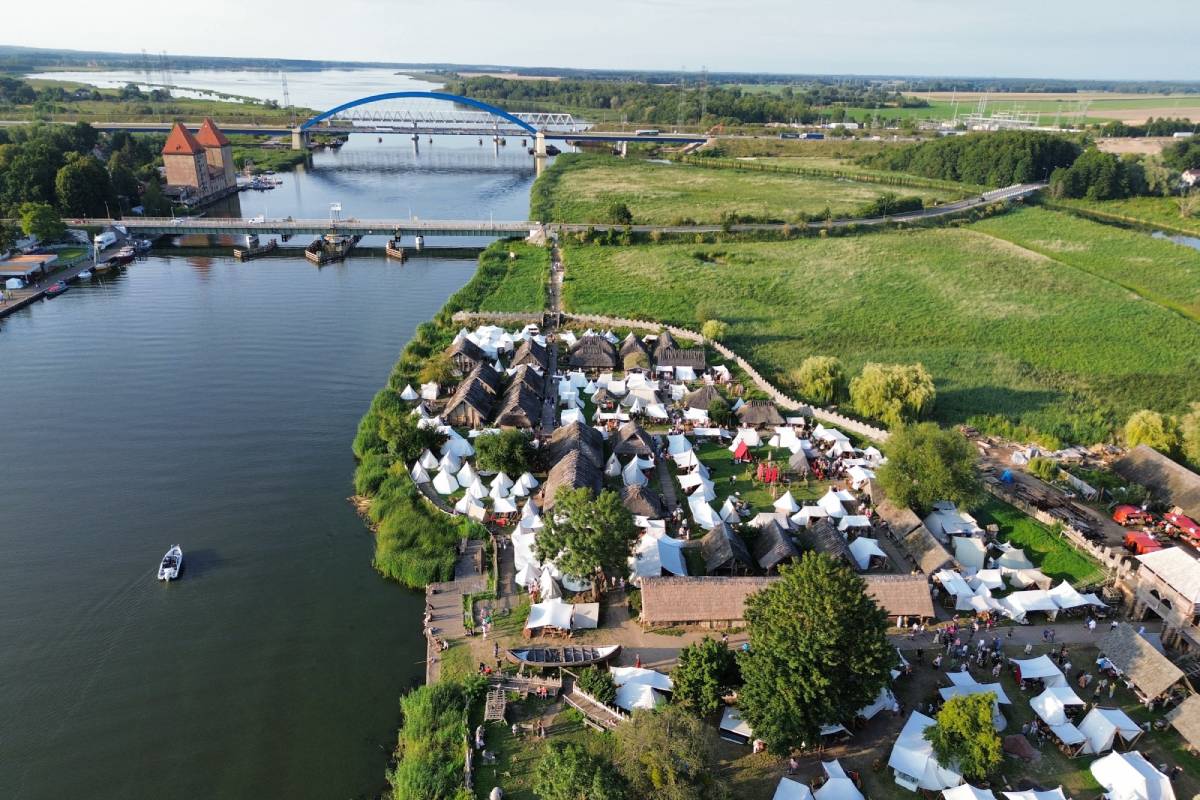
The town of Wolin, linked to the legendary Jomsborg, serves as the location of the long-running Festival of Slavs and Vikings. Photo: Artur Bociarski / Shutterstock
1) Wolin: Northwest Poland
We start our grand tour of Poland in Wolin, which is in the northwest of the country.
The modern town, located at the southern tip of Wolin Island, is believed to have been founded during the Viking Age sometime in the early 9th century.
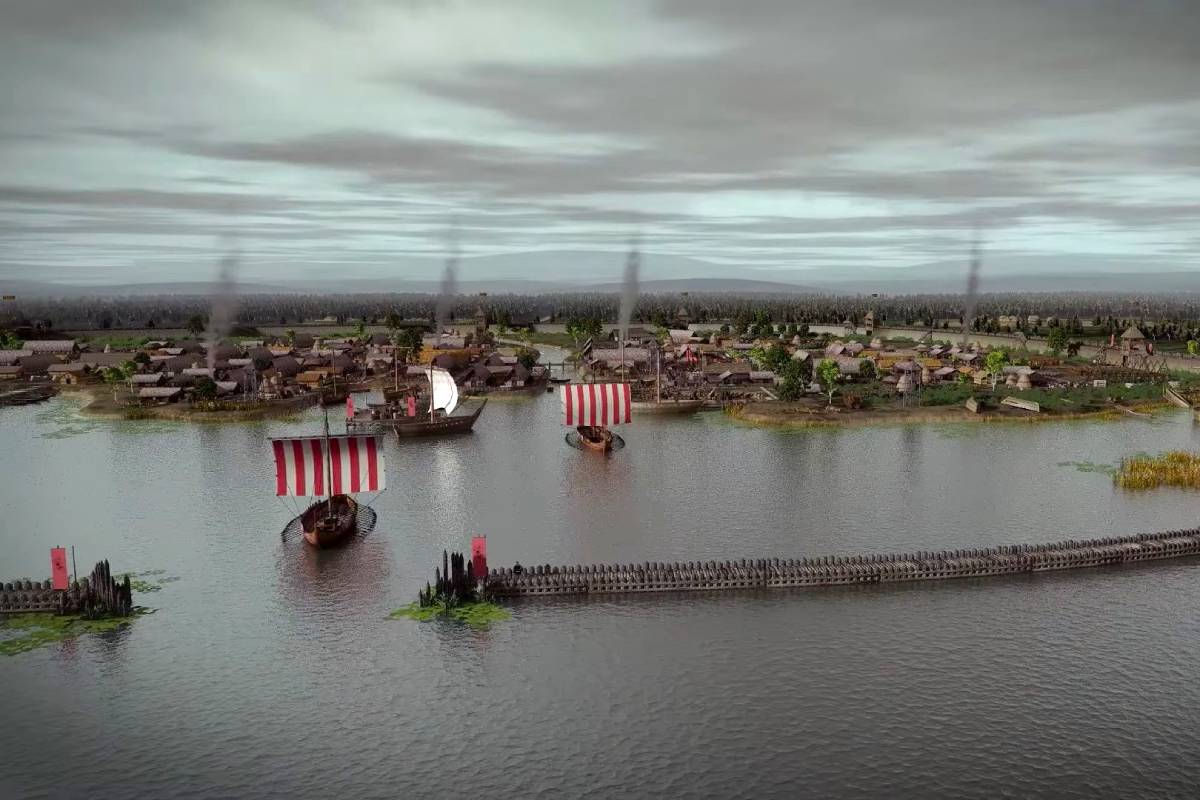
Much of the town's appeal comes from its association with the dreaded Jomsvikings. These were feared Viking mercenaries who operated from their fortress, Jomsborg.
They have been seen as a precursor to the later martial and chivalric orders of medieval Europe, like the Teutonic Order, as they were said to have a strict code of honor and warrior ethos.
The Jomsvikings not only have their own saga but also appear as bit-part players in many famous Viking Age battles, including the battles of Hjörungavágr and Svolder.
Danish King Harald Bluetooth was said to have died at Jomsborg, and another Viking king, Magnus the Good, supposedly burned it down in 1043.
Whilst much of early medieval Wolin fell due to prolonged Viking attacks, it was refounded in 1260.
A highlight of the town now is a museum that focuses on the history of the Vikings and the Slavs, alongside the long-running Festival of Slavs and Vikings held each summer.
Aside from its rich history, Wolin is now very much a seaside resort-type town where tourists can dip their toes in what was once a Viking pond—the Baltic Sea.
Though the connection between Wolin and the legendary Jomsborg remains unconfirmed, the site continues to attract archeological interest.
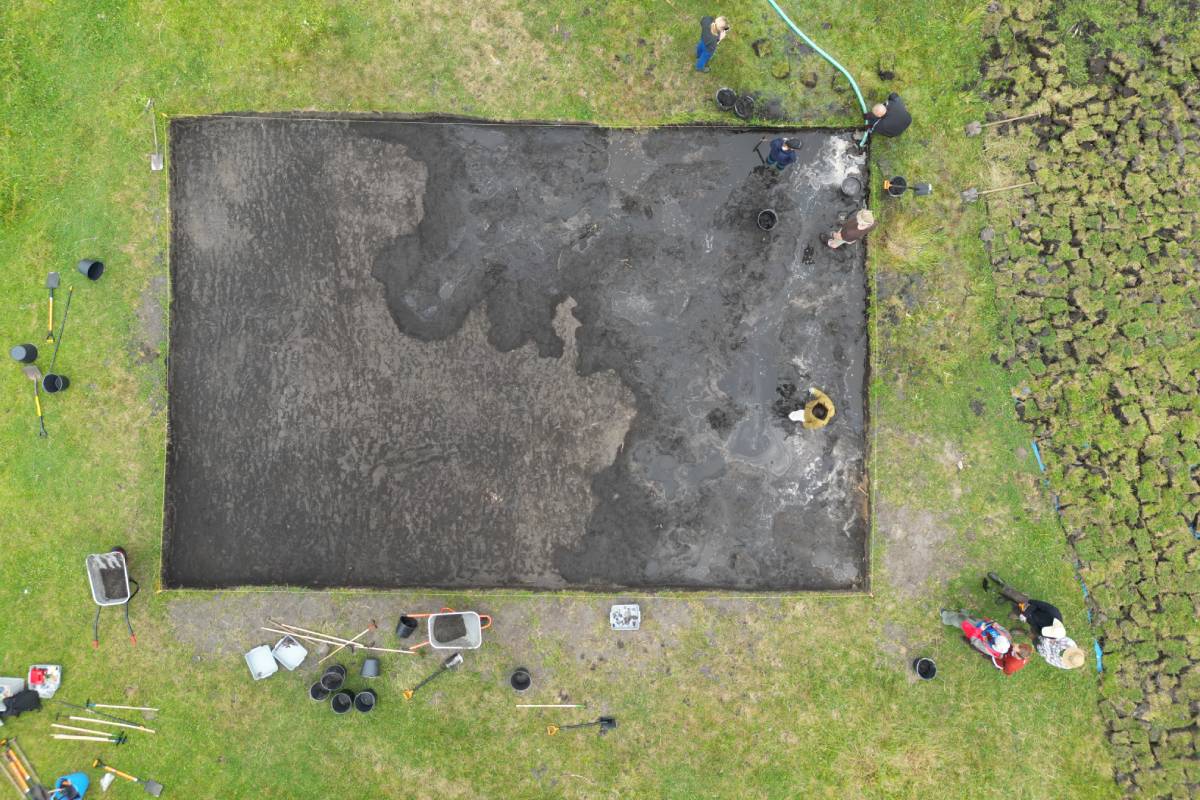
A major new Polish–Danish project is currently underway, aiming to investigate the origins of Wolin and explore whether Jomsborg was a real Viking fortress, a Slavic stronghold, or a later historical invention.
The three-year effort includes large-scale excavations of suspected harbor areas, cemeteries, and craft districts.
Researchers hope the findings will shed light on the relationship between Slavic and Scandinavian communities in this early medieval maritime hub.
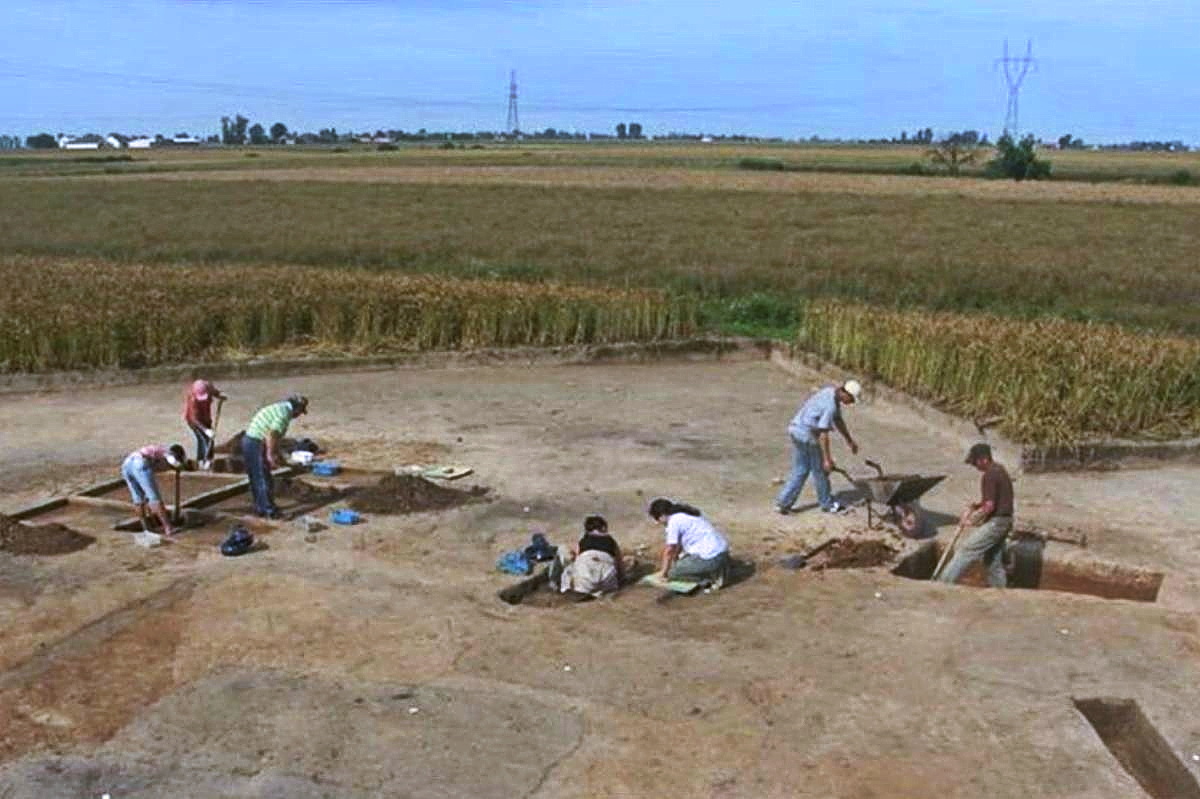
The excavation of Viking graves in Bodzia in 2007, conducted in open farmland near the village. Photo: Instytut Archeologii i Etnologii Polskiej Akademii Nauk ArcheoTV
2) Bodzia: Central Poland
We now travel further inland to the geographic heart of Poland, where the village of Bodzia lies in the Kuyavian-Pomeranian Voivodeship.
Now, this is certainly off the normal Polish tourist trail, as it is little more than a small village.
Yet what Bodzia lacks in population, it makes up for in archeological importance. Just a short distance from the river Vistula—where you can imagine Viking longboats once sailed—Bodzia is home to a necropolis uncovered during local excavations in 2007–09.
The excavations uncovered 58 burials (14 men, 21 women, and 14 children, all of elite status) and a wealth of grave goods, including weapons, jewelry, coins, and possibly even silk from China.
These grave goods suggest how this now small village was once part of the interconnected trade routes that people from Viking societies not only helped establish but also so lucratively tapped into.
Artifacts believed to have originated in the Kievan Rus, Asia, the Byzantine Empire, the Frankish realms, and Scandinavia all underpin the sophisticated regional and international trade that was to be found where Vikings roamed.
Whilst many people here may pass through the town without a second glance, this small bucolic village is worth a detour off the A1 highway to take in some of the silent majesty of one of the most important Viking-era burial sites uncovered in Poland.
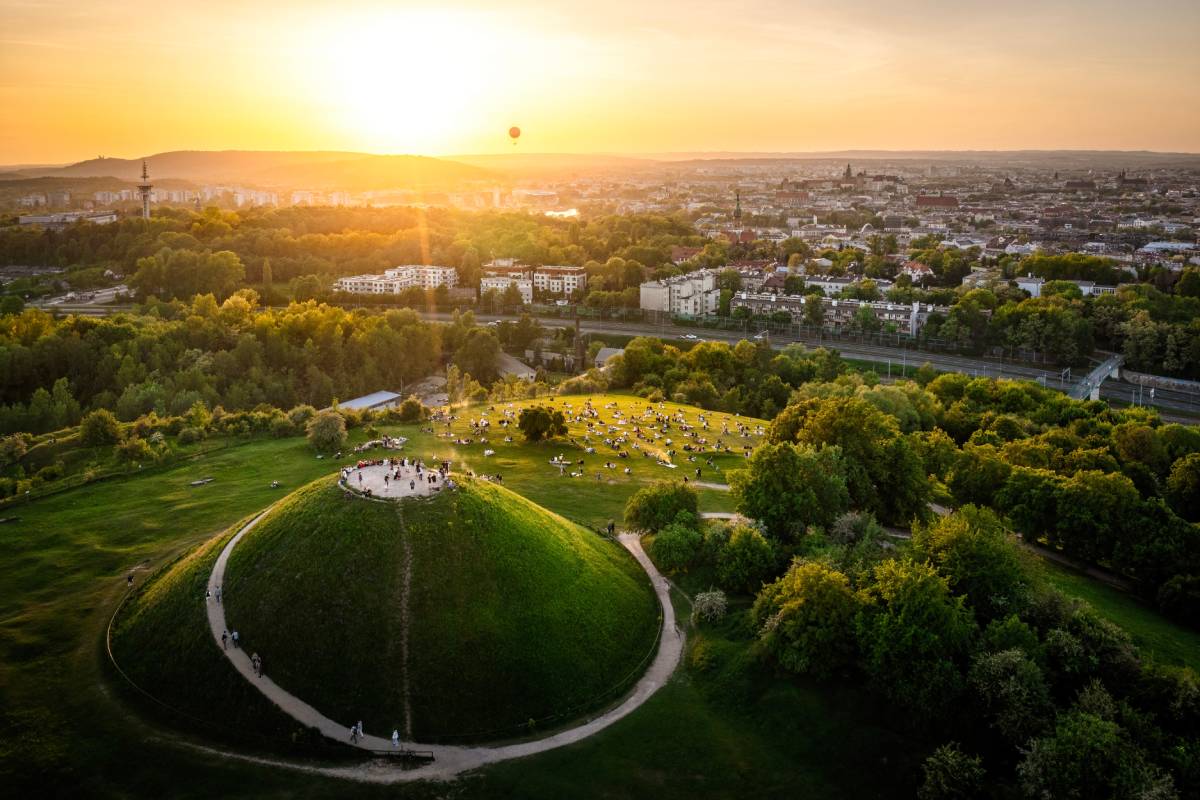
The Krakus Mound stands as one of Kraków’s oldest landmarks, with links to Viking-era discoveries. Photo: Daniel Turbasa / Shutterstock
3) Krakow: Southern Poland
Whilst Warsaw now rivals any European capital east of the river Oder for prestige, size, and importance, the cultural (and former) capital of the nation resides in the south: Krakow.
Tourists here flock to this gorgeous old gem of a city, full of Renaissance architecture and flair, to appreciate its impressive beauty and tragic history (the Auschwitz death camp is a short day trip from the city center).
Part of the city's storied past is the Krakus Mound, an 8th-century CE mound believed to have been built by the legendary prince and founder of Krakow, Krakus.
Now, a tumulus with possible Slavic and Celtic origins does not exactly scream Viking. However, this 16-meter (50-foot) mound is the oldest human-built structure in the city.
During excavations between 1934 and 1937, several artifacts dating from the region's Viking period were found, including possible evidence of human sacrifice and the remains of a giant sacred tree.
There is much debate on what role the mound played—could it have been similar to the Temple of Uppsala, in which medieval chronicler Adam of Bremen also mentioned human sacrifice and sacred trees?
The Scandinavian presence in the town extended into the early modern period when the Swedish army of Charles X Gustav laid waste to the region in the Second Northern War (1655–60 CE) and used the mound as gallows to execute their adversaries.
Any visit to Krakow would not be complete without a trip to Wawel Castle.
There, visitors can learn more about the early medieval history of the city, its founder (who, not unlike that hero from the Norse sagas, Sigurd, was said to have slain a dragon), and the local population's interaction with a vast array of medieval peoples, including those from the Viking homeland in Scandinavia.
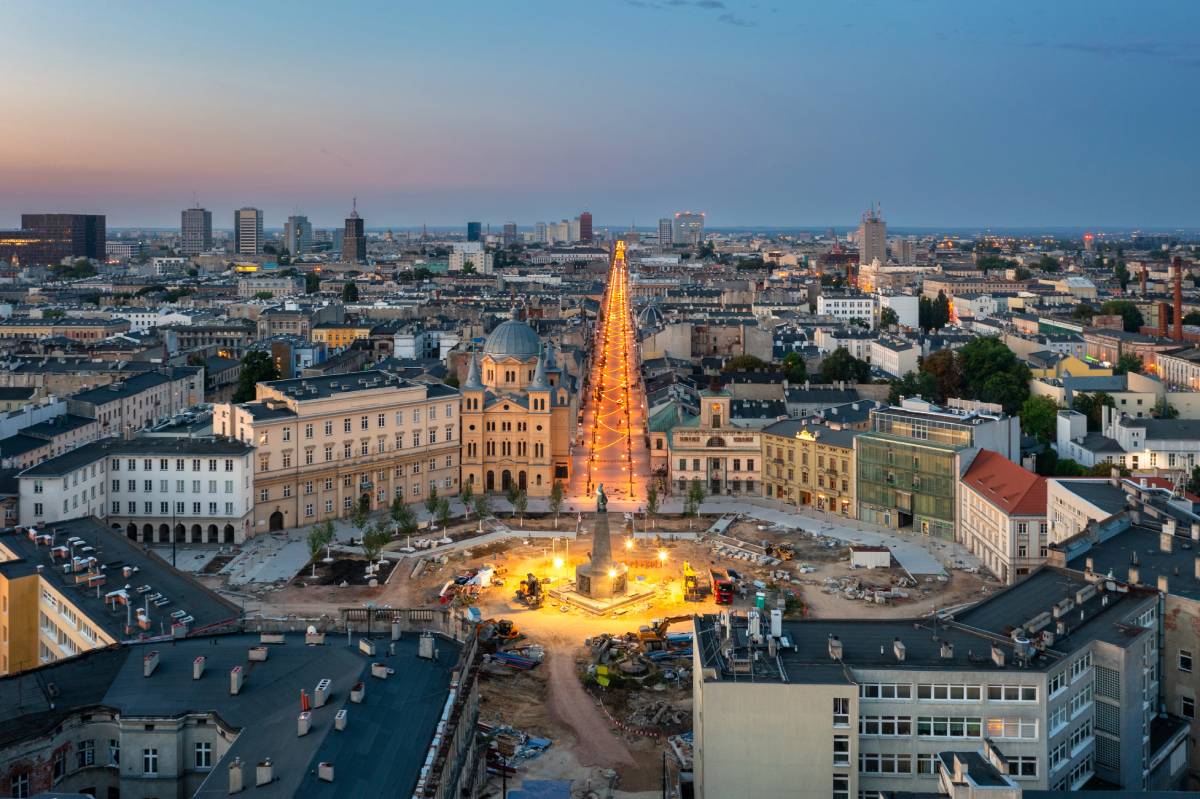
Łódź is the closest major city to the first confirmed Viking burial found in central Poland. Photo: Patryk Kosmider / Shutterstock
4) Łódź: Central Poland
For much of its history, the city of Łódź was a hybrid of money and culture.
During the early modern period, it was one of the earliest manufacturing hubs in the region, supplying world-class textiles.
Much of this industry stagnated during the Communist period and led to deindustrialization throughout the 1990s. Yet, since the 2010s, the city has reinvented itself as a center of shopping, commerce, and culture.
Aside from its former gritty edge, the city has a highly advanced cultural side—the birthplace of famed Polish director Andrzej Wajda, a budding film industry, more than 60 annual festivals, and a place in the UNESCO Creative Cities Network.
If strolling down Piotrkowska Street, taking in the city's Art Nouveau sights as well as a bit of retail therapy doesn't sound like your idea of a holiday, fear not, because the city has a Viking association.
Recent scientific analysis of the remains of an 11th-century burial site just outside the city has confirmed a Viking presence deep in the heart of Poland.
Genetic analysis of the skeletal remains, originally uncovered in the 1940s, shows that they were of Scandinavian origin. They were buried alongside artifacts that were produced in Viking societies.
This burial site is the first found with Viking remains so far into the heartland of Poland.
There is an ongoing debate about the role that people from Viking societies played in the formation of the medieval Polish state, which emerged during the early medieval period when Vikings roamed.
More information on the city's early origins can be found in the Museum of the City of Łódź, housed in one of the most beautiful Art Nouveau buildings in the city.
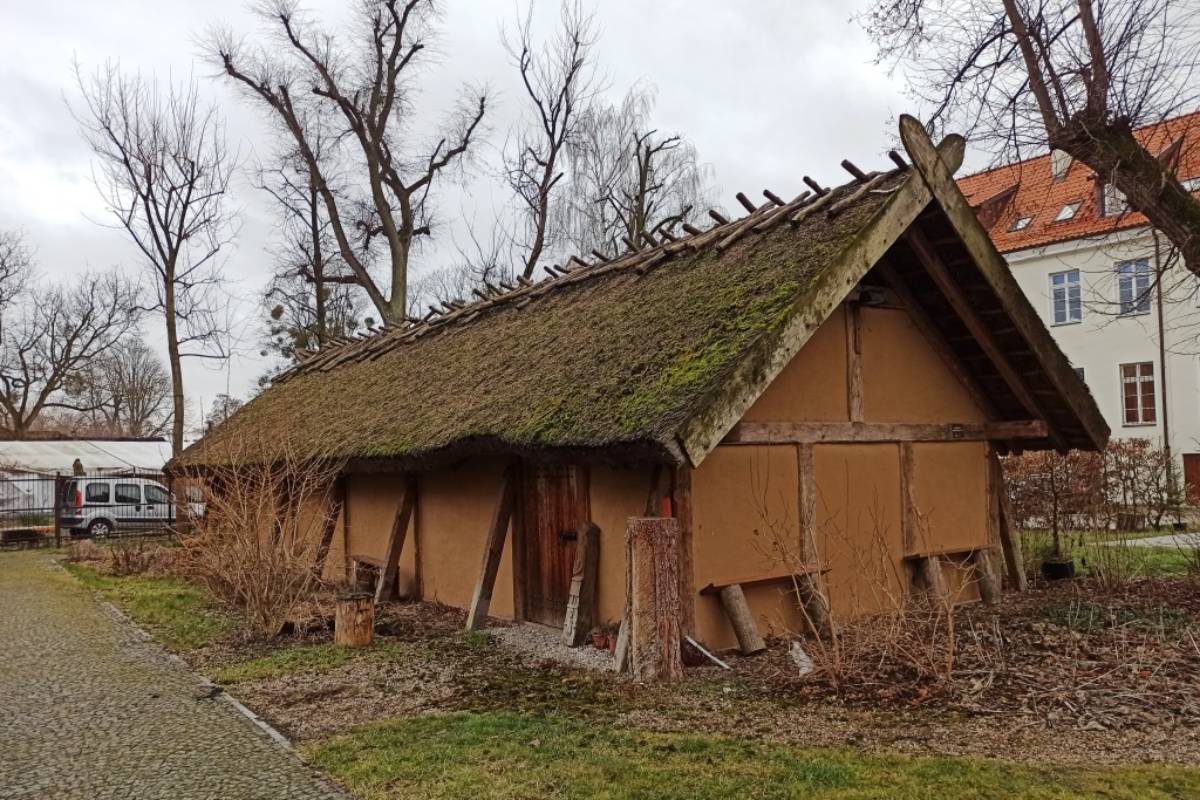
Reconstruction of a Vikinge Age longhouse from Truso, located at the Elbląg Museum of Archeology and History. Photo: Aleksander Durkiewicz (CC BY-SA 4.0)
5) Elbląg: Northern Poland
This northern city looks out across the Baltic Sea to the former Viking homeland of Scandinavia. Whilst the modern city of Elbląg was largely rebuilt after the Second World War, human settlement here goes back to at least the Viking Age.
In fact, it was during the late 10th century that a Viking trading town—Truso—was established here. We know of this thanks to an account from a merchant who had traveled there from the court of the great King of Wessex, Alfred the Great.
In this trading town, amber, furs, and slaves were traded thanks to its strategic location on the northern coast of Central Europe. Here, products and people could be shipped to and from the Viking homeland in Scandinavia.
More information on the city's proud medieval past—including its settlement by and for people from Viking societies—can be found in the Elbląg Museum of Archeology and History.
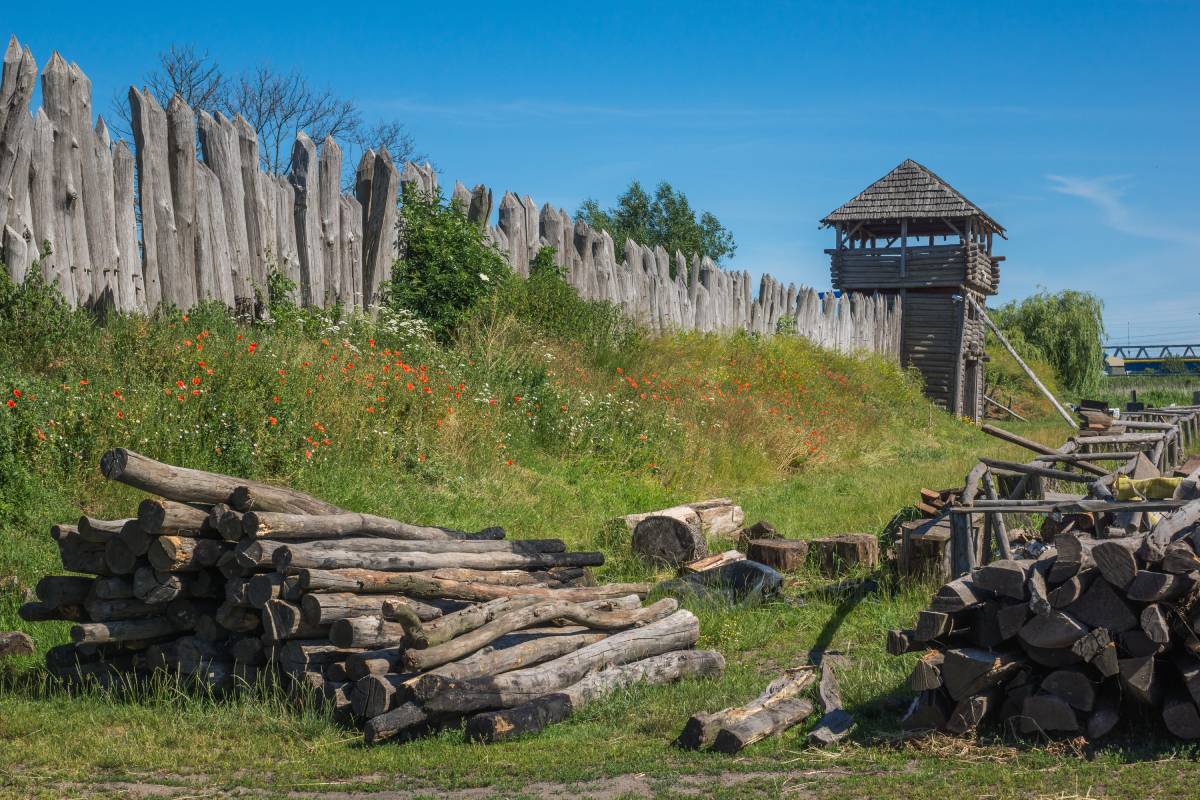
This museum, housed on gorgeously manicured grounds, features reconstructions of some of what historians believe the Viking-era trading town looked like.
The city would later become part of the Hanseatic League, meaning that its association with the Scandinavian peninsula survived until the early modern period.
Whilst nearby Gdańsk may receive the larger share of popular attention and tourists, this charming Polish seaside town is well worth a visit, thanks in part to its Viking foundation and influence.
For more information on a recent festival honoring Wolin's Viking history, visit TVP World here.
We get to provide readers with original coverage thanks to our loyal supporters. Do you enjoy our work? You can become a PATRON here or via our Patreon page. You'll get access to exclusive content and early access.
Feel free to reach out to discuss potential stories that may be in the public interest. You can reach us via email at [email protected] with the understanding that the information you provide might be used in our reporting and stories.