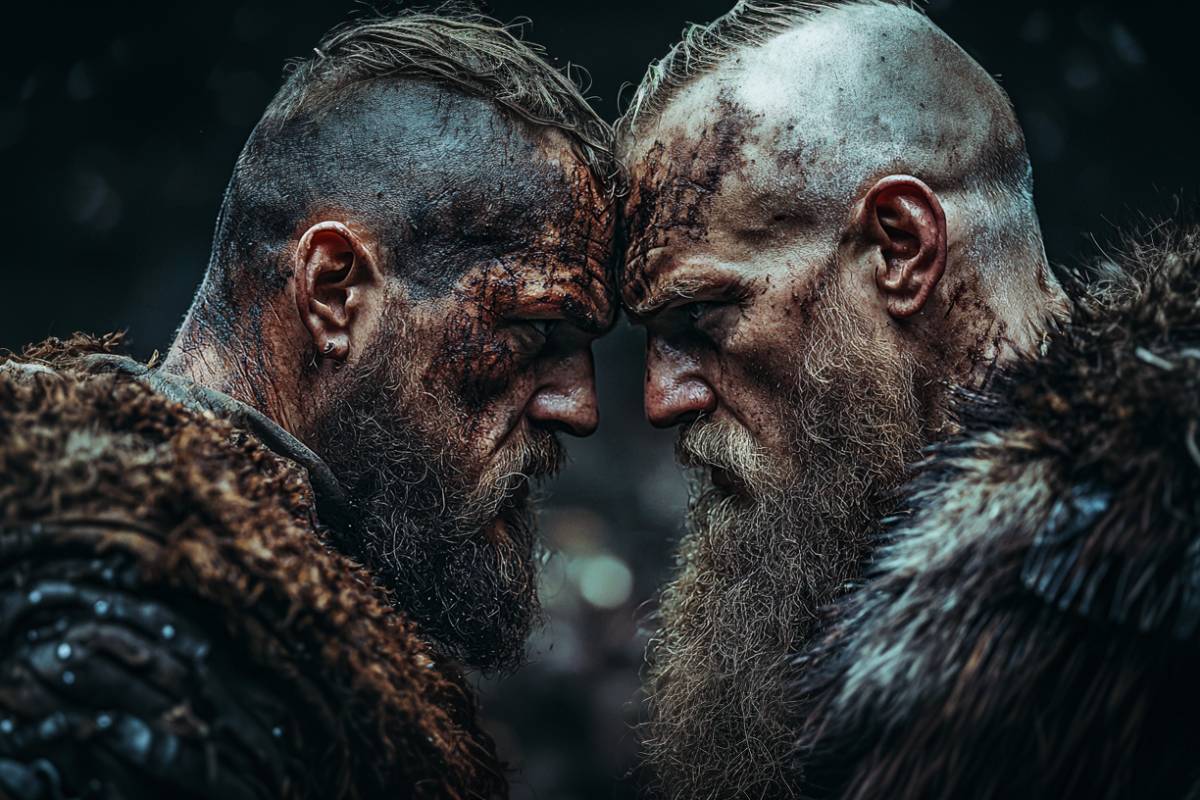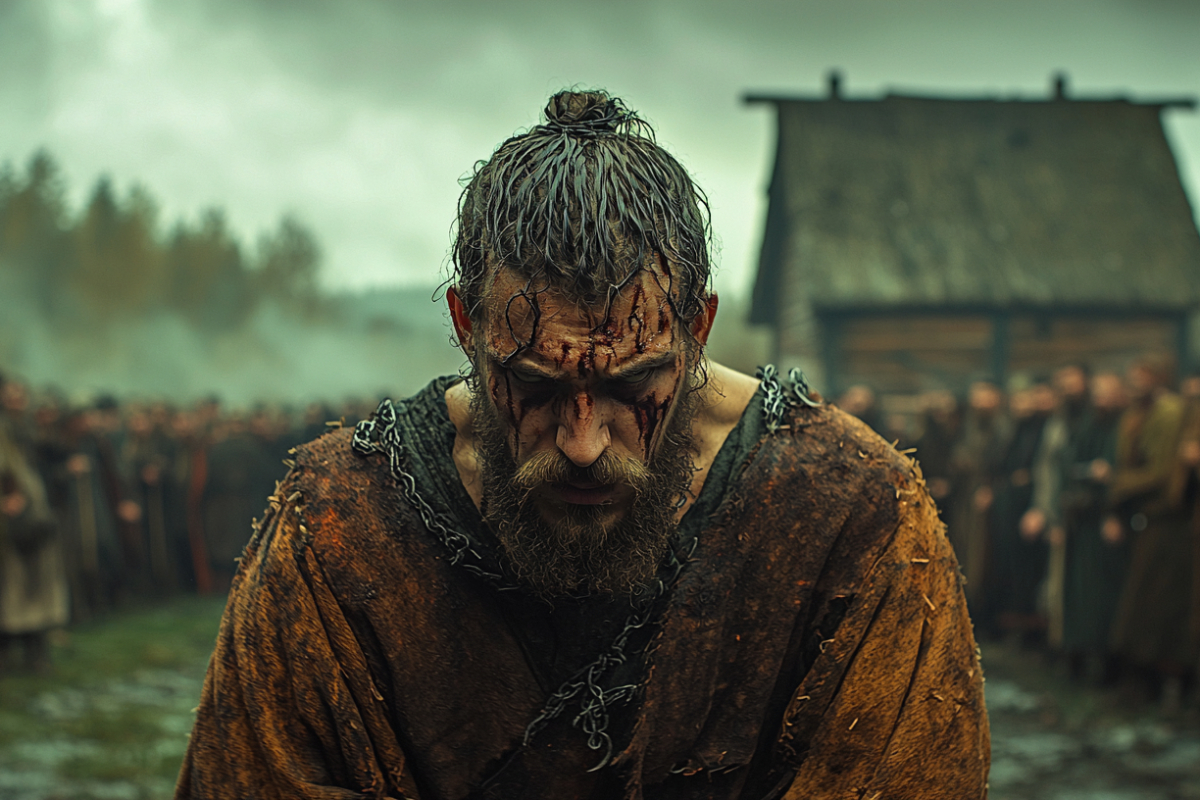


Every year, at the beginning of July, the people of the Isle of Man celebrate a famous day in their history that is inseparably linked to the Viking occupation of the 9th and 11th centuries.
Yet unlike many popular Norse-themed events around the world, at first glance, Tynwald Day is not noticeably Viking-like. Instead, you will find hordes of school children in uniform, stern legal figures in solemn dress and white wigs, and even soldiers of the British army on parade.
It is also one of the very few events in the world whose origins can be traced directly back to the Vikings.
So how did it all begin, and what has changed over the past 1,000 years?
Who started it?
The Vikings first set foot on the Isle of Man in 798. By 820, they were in complete control, establishing a successful colony that would last for more than 200 years before power was eventually ceded to Alexander III of Scotland.
Even today, the island is rich with Norse place names, direct descendants, and archaeological sites, not to mention the Vikings' most significant legacy: Tynwald Hill.
The area around Tynwald Hill – also known by its Celtic name, Cronk-y-Keeillown – shows evidence of use from as early as the Bronze Age, when it is thought to have formed as a burial mound.
However, its primary use as a major meeting place is believed to date from the Viking occupation. Archeological evidence suggests that it was used as the site of the rite of Thing (þing in Old Norse) – an important form of assembly.
Viking democracy
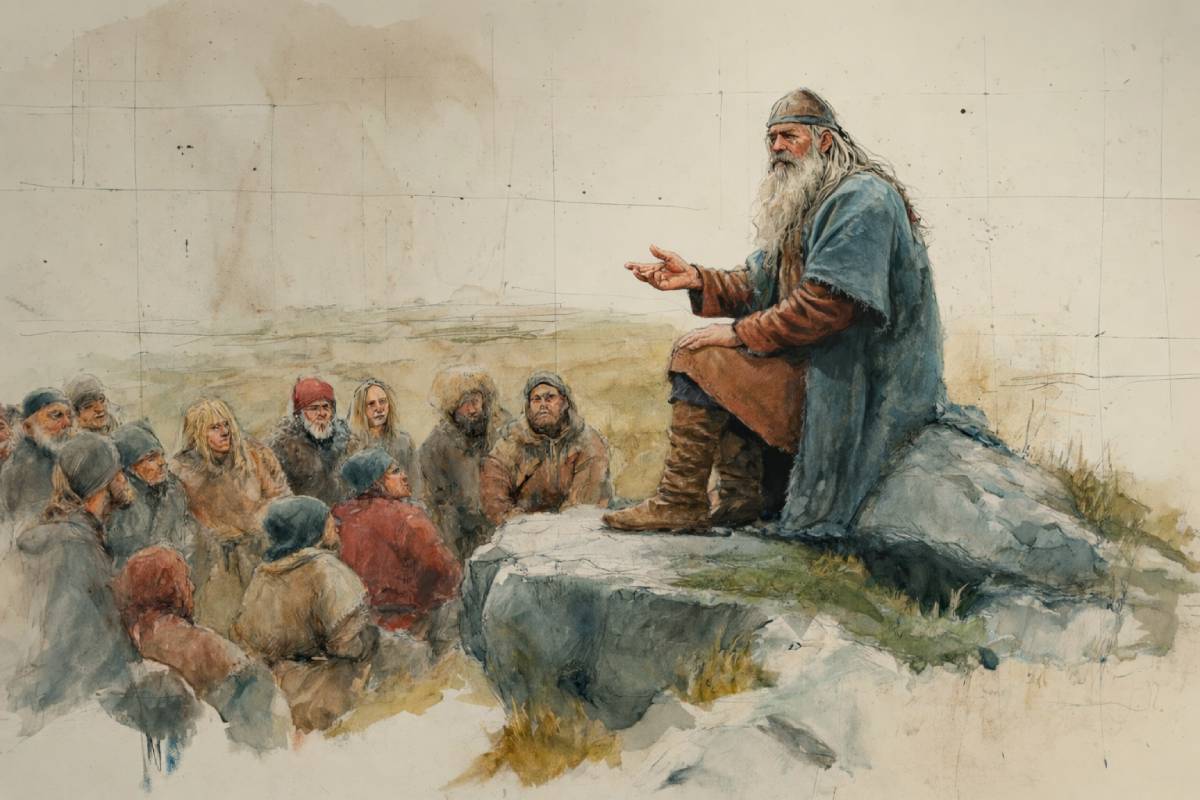
Though the Vikings had no written laws for much of their history, they maintained a strong oral legal tradition in which the Thing played a central role.
Typically once or twice a year, the chieftain and other important people would gather with ordinary citizens in a specified area to receive petitions, pass new laws, settle disputes, and dish out punishments for those found guilty of transgression.
In addition to local leaders, a "law speaker" would also be present, responsible for remembering and reciting all the laws from memory.
Many of the things set the laws for large territories and would be attended by many people who would have traveled great distances to be there. The meeting would often take several days and attracted merchants, traders, and travelers from across the land, with feasting and merriment in the evening.
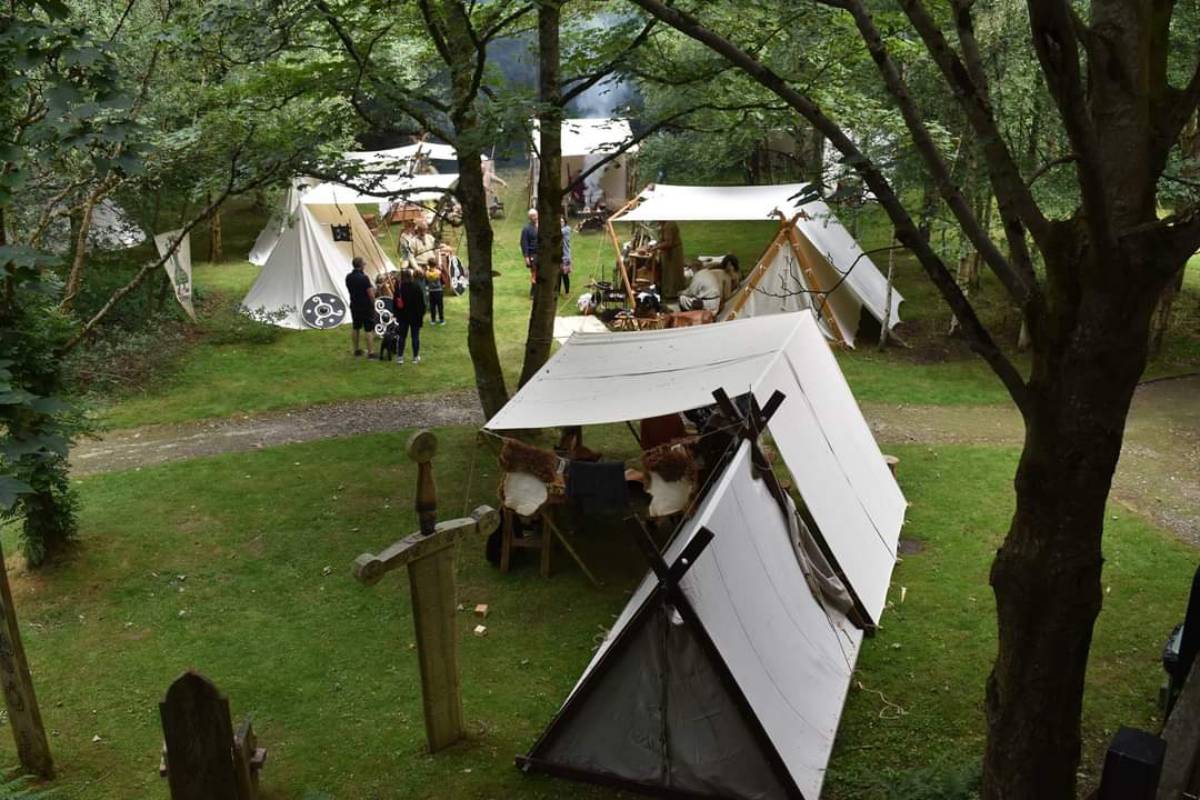
The Viking encampment at Tynwald Day, constructed by Vikings of Mann, a long-running historical reenactment group. Photo: Richard Corlett / Vikings of Mann
A lasting legacy
Eventually, as the Viking Age drew to a close and the military and religious elite strengthened their grip on power, the more open, rough, and ready democracy of the things gradually disappeared from view.
While the nature of these meetings arguably influenced some aspects of modern democracies, Tynwald is thought to be one of the only original things still in existence in some form today.
Although the various punishments, which would have included banishment, tarring and feathering, enslavement, and amputation, are no longer in evidence, the spirit of the Thing is still very much alive.
The Isle of Man parliament, now based in the island's capital, Douglas, retains the original name of Tynwald, while the law-giving ceremony at the heart of the system of government dates back directly to the Viking Age.
The day itself
Indeed, the July ceremony takes place on the original site, Tynwald Hill.
As Richard Corlett of The Vikings of Mann explains:
"Many aspects of this ceremony have their roots with the Vikings. After a church service, the politicians, church leaders, deemsters (highest court judges on the island and a role as ancient as Tynwald itself), guests, and the governor all proceed to the hill."
"The governor is the King's representative on the island, but his role is ceremonial, and he has no power. The deemsters 'fence the court' before promulgating the laws."
"In the Viking Age, fencing the court might have been an actual fence, and all warriors were to leave their weapons outside of it. Now the public is just asked to keep the peace."
"The laws being brought into force this year are then read in English and Manx. The most interesting part is seeing who is bringing a petition to the government. Again this is a tradition that the Vikings started where anyone could petition the ruler."
This democratic tradition is a fundamental part of the island's identity, and the strong democratic roots have arguably helped preserve its independence from the United Kingdom as a "self-governing British Crown Dependency" with its own legislative assemblies and administrative, fiscal, and legal system.
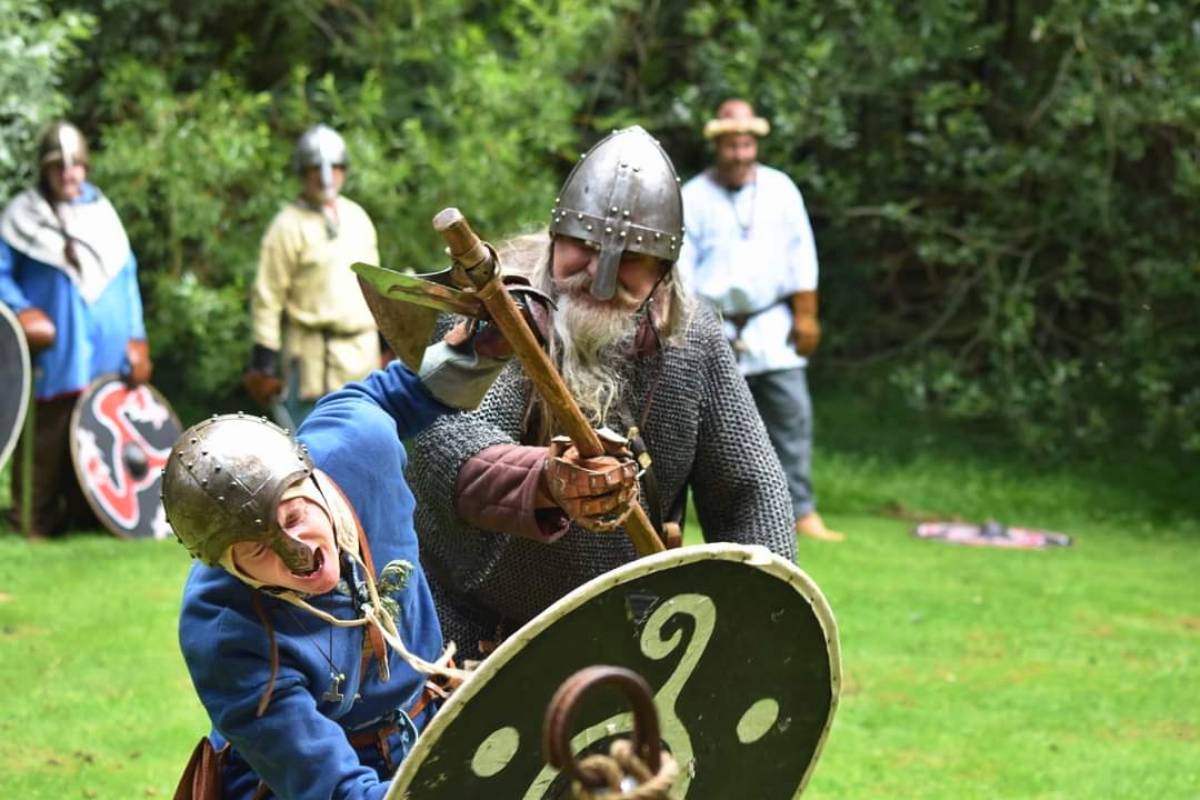
Just like all serious fighters, the Vikings of Mann practice their combat skills regularly, with sessions usually held once a week. Photo: Richard Corlett / Vikings of Mann
Are you going to the fair?
In addition to the legal ceremony, the fair is another highlight of Tynwald Day.
It is another tradition that likely originated with the Vikings. Today, it sees displays of traditional Manx dancing and bands, as well as hundreds of stalls from local traders and charities.
"Tynwald Day has surely changed a lot in the last 1,000 years, but a fair has probably always been part of it," says Richard.
"It used to be traditional for the Manx to say 'Are you going to the fair?' and everyone knew it meant Tynwald."
As a tribute to the island's Norse past, the Vikings of Mann also set up an encampment just behind the hill where the general public can learn about the Vikings and enjoy the occasional battle.
"The celebrations go on into the night and finish with a huge ceilidh and pipers playing on the hill," says Richard.
"The Vikings of Mann also spread throughout the crowd with flaming torches to add to the atmosphere. It's very relaxed, with bands playing, people sitting around on the grass eating and drinking, and children playing."
You somehow suspect that if the Vikings were looking down on the scene today, they would heartily approve.
For additional information about Tynwald Day, you can visit the official website of the Manx Parliament or explore The Vikings of Mann Facebook page.
We get to provide readers with original coverage thanks to our loyal supporters. Do you enjoy our work? You can become a PATRON here or via our Patreon page. You'll get access to exclusive content and early access.
Feel free to reach out to discuss potential stories that may be in the public interest. You can reach us via email at [email protected] with the understanding that the information you provide might be used in our reporting and stories.