

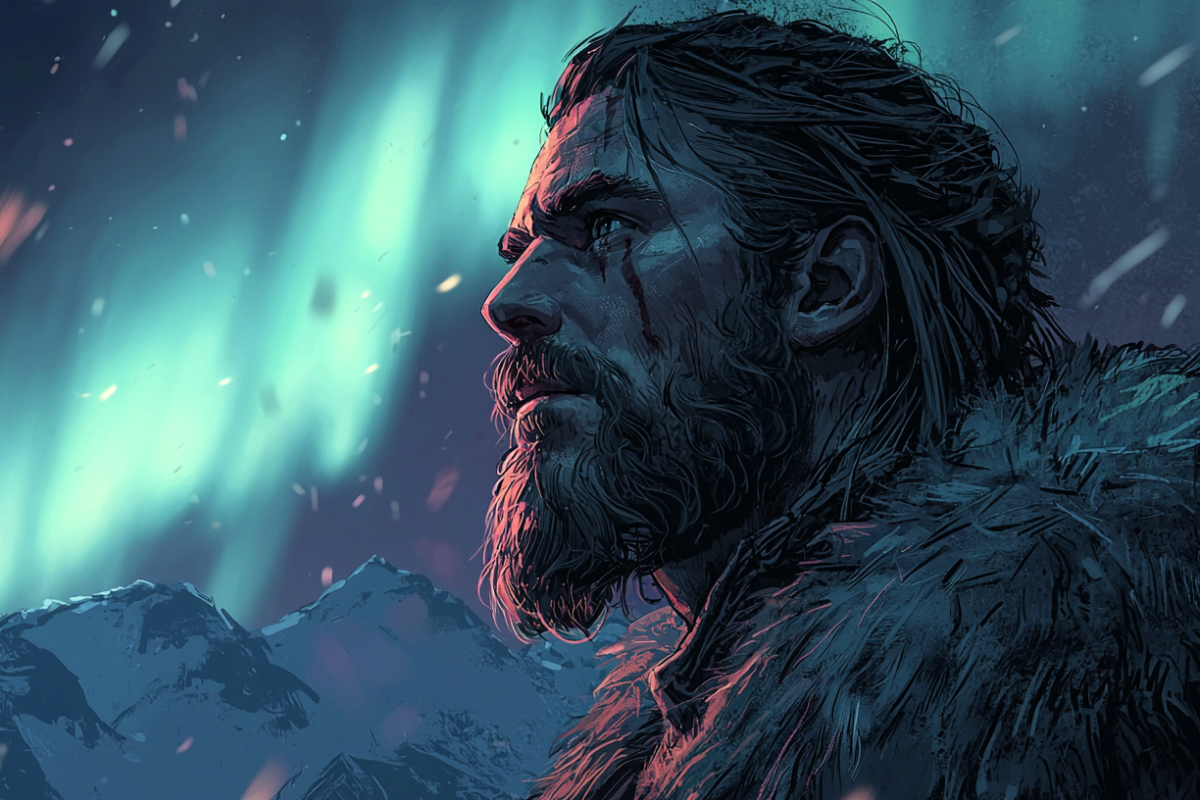
For those of a certain vintage (Millennials and Gen Xers, I'm looking at you), one of the funniest scenes in The Simpsons is when Principal Skinner tries to blame a fire in his kitchen – the burning of his "steamed hams" – on the Aurora Borealis.
His dinner guest is less than amused by this absurd excuse.
Now, late 90s pop culture references aside, there is no doubt that the Aurora Borealis has captured people's imaginations – be they Hollywood scriptwriters or not – for centuries.
A significant part of the economic life of Scandinavia beyond the Arctic Circle relies upon hordes of tourists making the trek to the far north in the colder months to witness the majesty of the Aurora Borealis.
Given that this website is devoted to history, not science, I won't delve too deeply into the scientific explanation of this natural phenomenon other than saying that it results from solar winds interacting with Earth's atmosphere.
It is only visible in northern latitudes and produces dynamic, colorful displays of natural light, often appearing as ribbons, rays, or other patterns.
The name for this celestial dance was coined by Renaissance scientist Galileo in 1609, though the phenomenon has been observed since ancient times.
Given that it occurs exclusively in the northern regions of the Arctic Circle, what did people in Viking societies, who lived centuries before modern scientific understanding, think of these majestic lights?
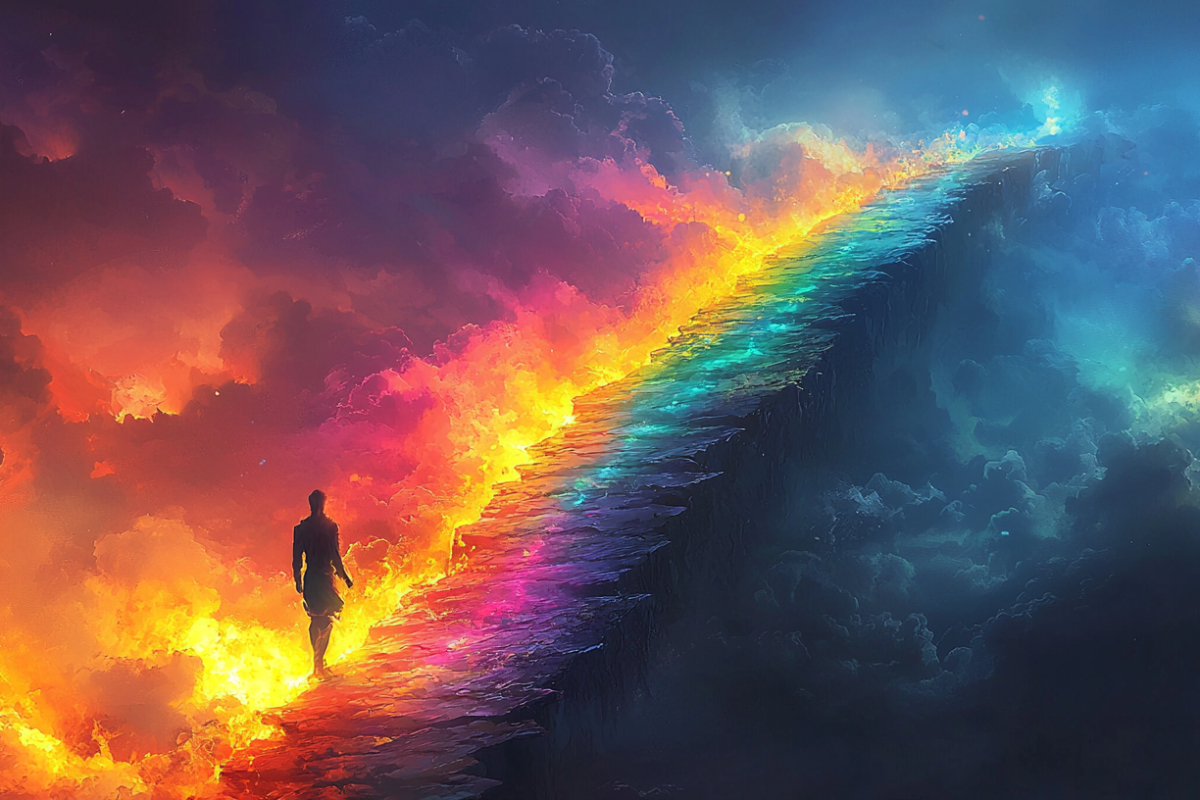
The Vikings may have associated the Northern Lights with Bifröst, the mythical rainbow bridge connecting Earth and Asgard. Illustration: The Viking Herald
Reflections of a Rainbow Bridge
Given the distance and comfort of a millennium, it is hard for our 21st-century minds to comprehend what living in the early medieval period, anywhere in the Viking cultural sphere, must have been like.
There is no doubt that these people were as intelligent and curious as we are today.
They were capable of great feats, from the maritime mastery in a Viking ship that allowed them to sail from Canada to Constantinople to the construction of intricate places of worship (Christian and pagan).
They held deep reverence and respect for the natural world, viewing it not as something to conquer or subjugate but to live with in harmony.
People in Viking societies tried to understand and explain the untold mysteries of the natural world through their rich tapestry of cosmology and mythology.
There is some academic reasoning that when gazing up at the Northern Lights, people in Viking societies may have associated them with another celestial wonder, the Bifröst.
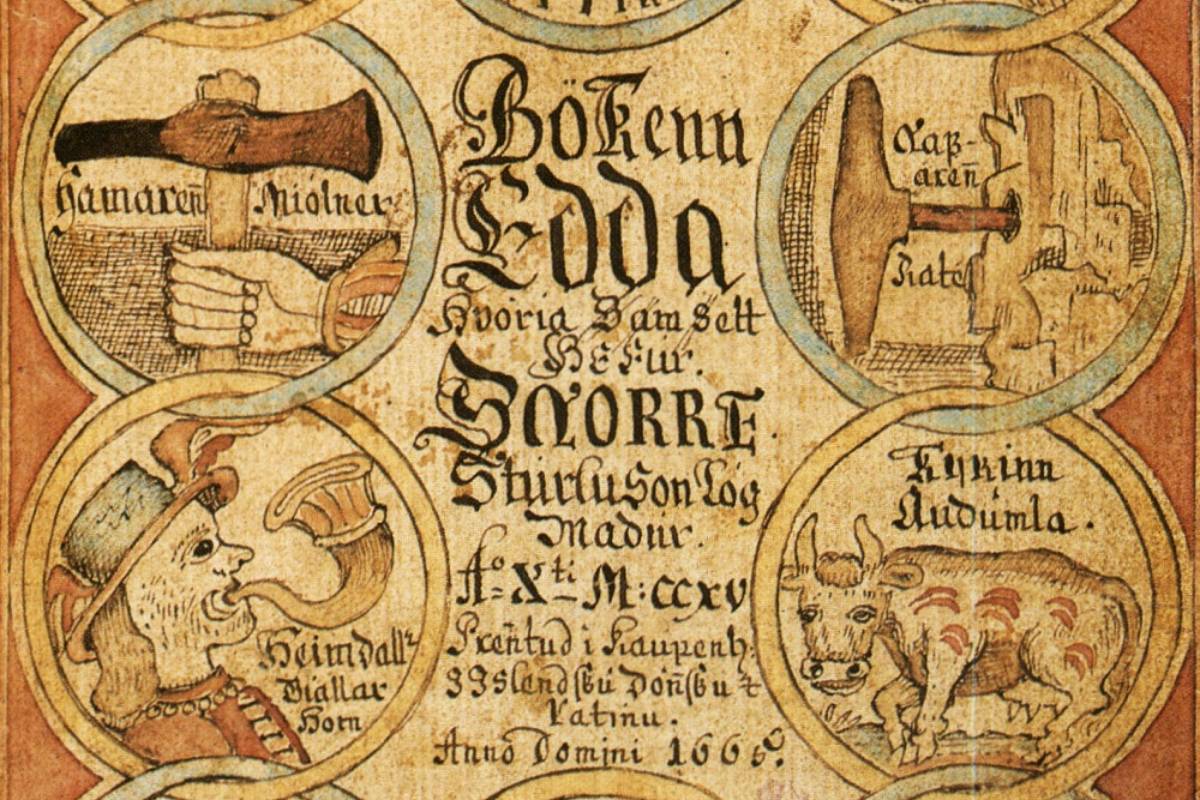
In his epic tome, The Children of Ash and Elm (available on Amazon here), author Neil Price writes how, in Norse mythology, Bifröst was a rainbow bridge that connected the realm of humans (Midgard) to the realm of the gods (Asgard).
When gazing skyward during the appearance of this celestial show, people in Viking societies may have thought it reflected the Bifröst bridge.
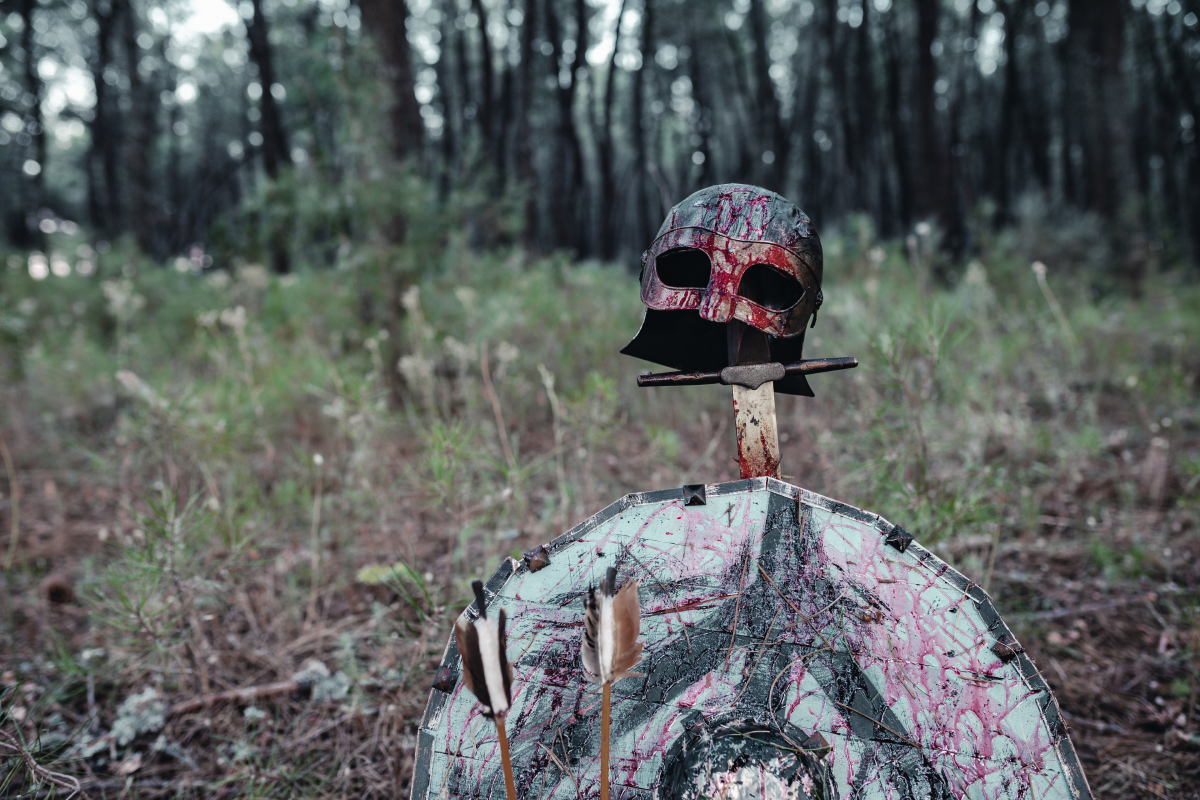
Some Vikings possibly viewed the Northern Lights as a sign of the spirits of ancestors or fallen warriors. Photo: sergio victor vega / Shutterstock
Spirits of the dead?
In his chapter on the religion of the Vikings, in the 2008 book The Viking World, Anders Hultgård explains that the societies that produced the feared Viking warriors were imbued with a deeply entrenched martial ethos.
Whilst Vikings were only ever a small fraction of people in early medieval Scandinavian societies, theirs was a society that deeply revered and respected toxic and violent masculinity.
The ultimate honor for any warrior was to bravely fall on the field of battle.
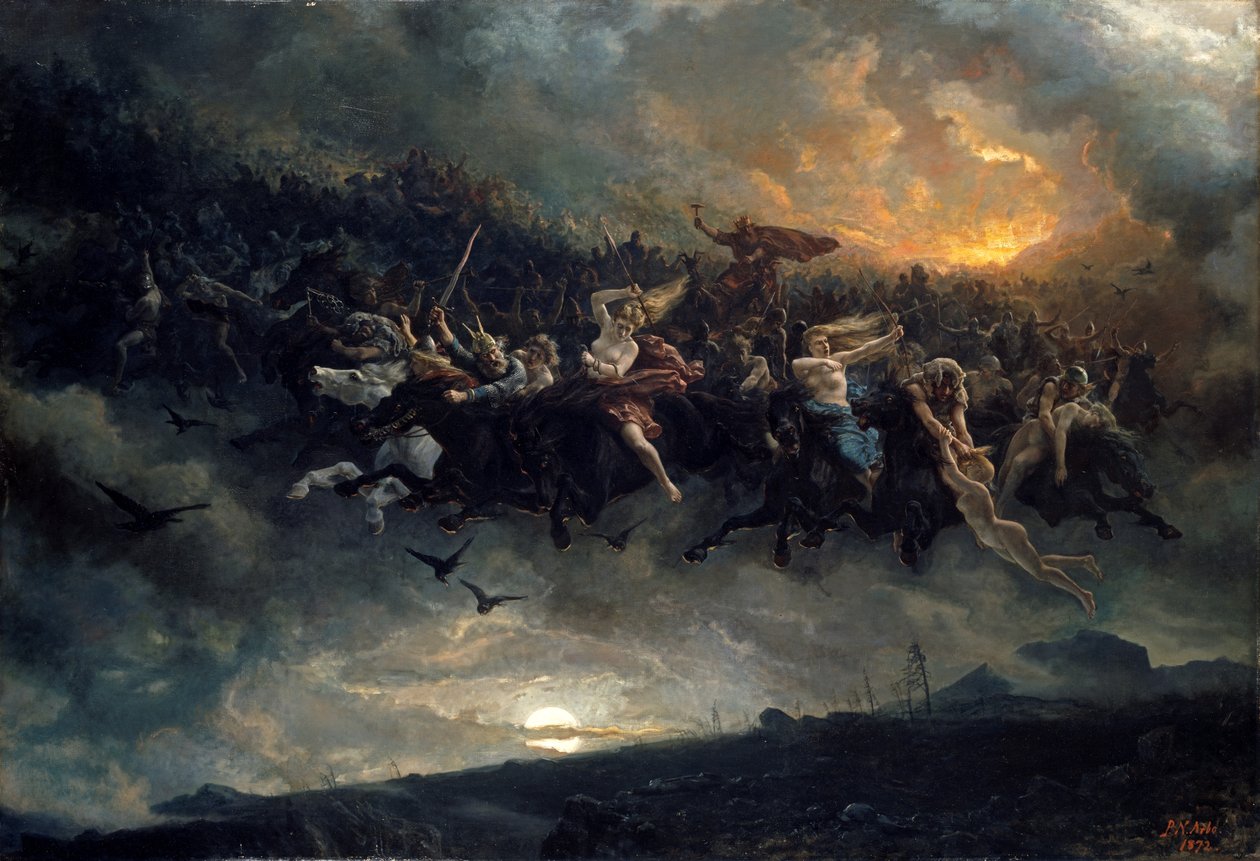
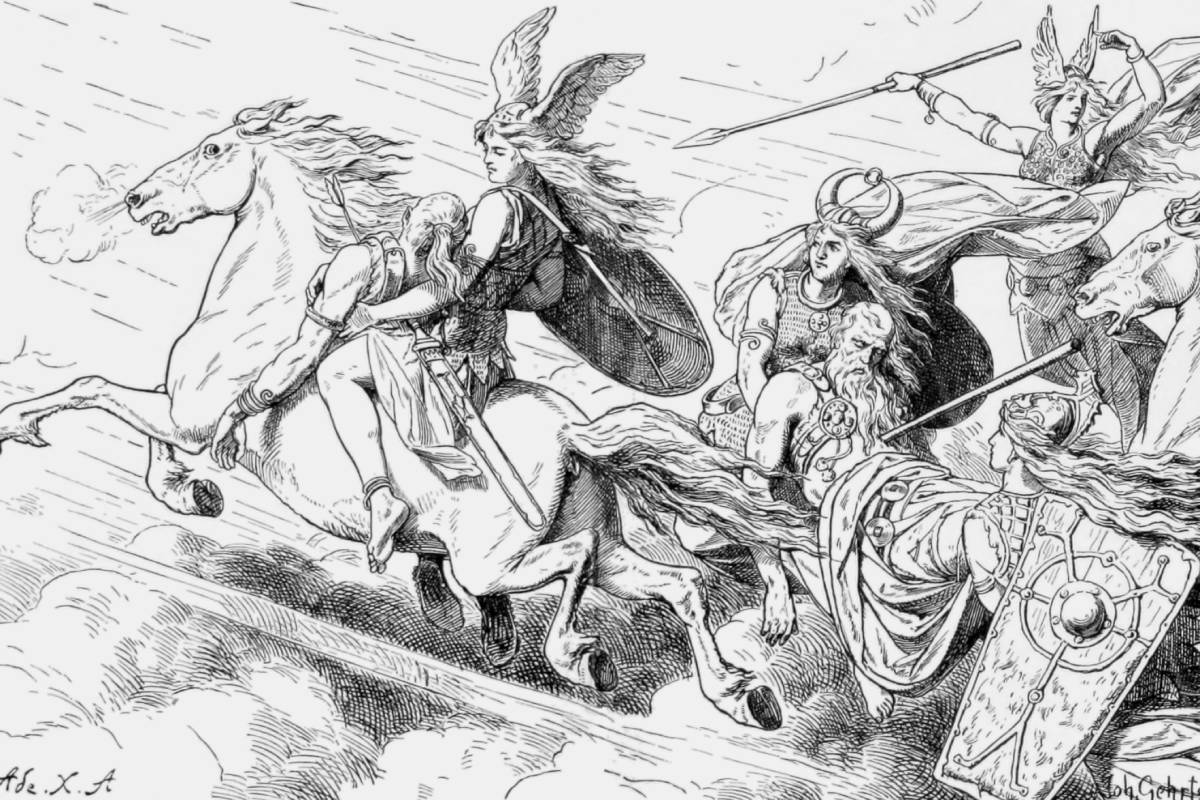
Their bravery and valor would be enough to warrant selection by the Valkyrie – winged female warriors who swooped down to select the spirits of these brave few – who would then have the eternal honor of dining with Odin in Valhalla.
In some interpretations, the appearance of the Northern Lights may have been associated with Valhalla.
People in Viking societies may have thought the lights emanated from that great feasting hall in the sky, the celestial show part of the raucous celebrations that fallen warriors and Odin were partaking in.
Another possible interpretation of these lights by people in Viking societies is that this ethereal light was the spirits of fallen warriors, rulers, or, indeed, ancestors watching over them.
Whilst Viking societies did not have as widespread a cult of ancestor worship compared to other historical societies or cultures, there was reverence held for ancestors and family members who had passed away.
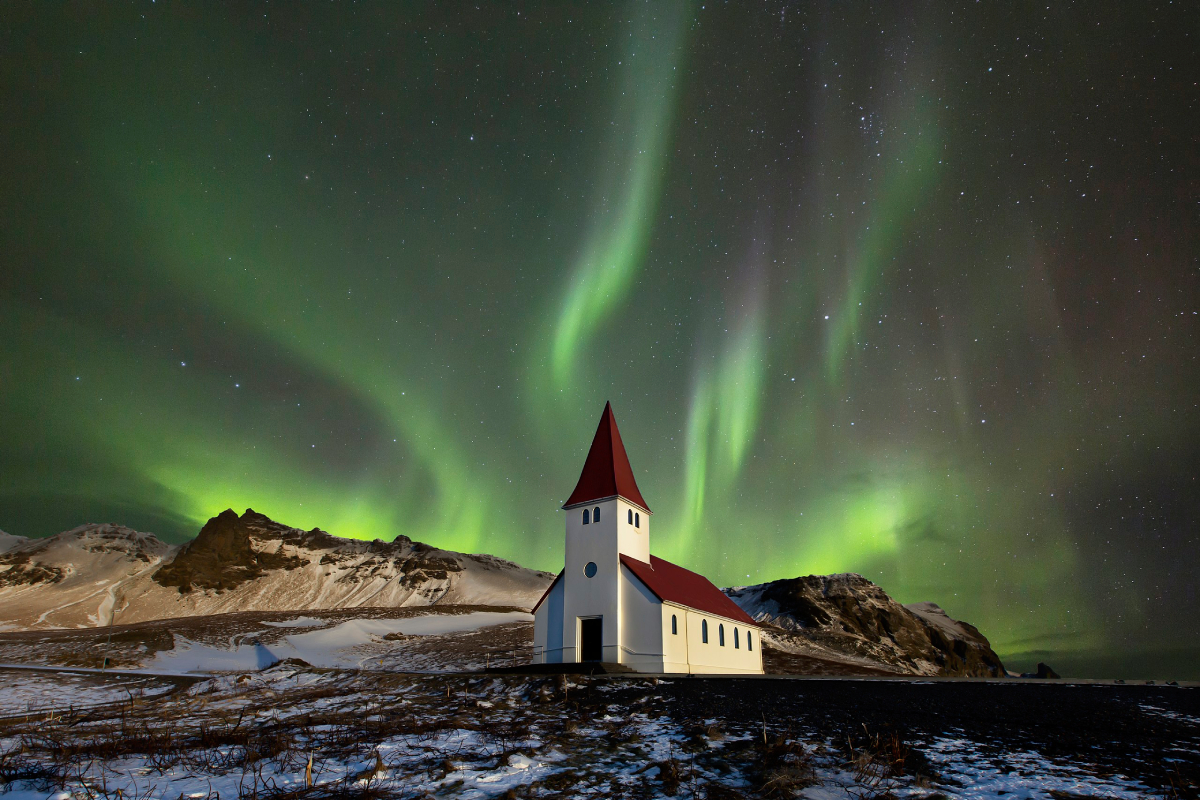
The Vikings likely viewed the Northern Lights as a supernatural phenomenon, connecting the natural and divine realms. Photo: AstroAnthony (CC BY-SA 4.0)
Speculative assumptions
However, it should be noted that there is no direct written record of what people in Viking societies actually thought of the Northern Lights. At best, all we moderns can do is speculate.
Like other natural phenomena, they undoubtedly associated it with their cosmological and mythological worldview.
In an age before modern science and technology, people in Viking societies did their best to explain natural phenomena by linking them to their rich cosmological and mythological traditions.
That such a beautiful phenomenon occurred only at certain times and in specific locations must have also filled these people with as much awe and wonder as we feel today.
Ultimately, though, we will never truly know what people in Viking societies thought of the Northern Lights.
For some, it may have been a reflection of Bifröst, the cosmic bridge connecting two realms of the Norse universe. For others, it might have signaled a grand celebration in Valhalla or the spirit of a fallen warrior watching over them.
Linking the natural world with the mythical and mythological was one way that people in Viking societies, much like we do today, sought to understand their place on Earth.
Should you be planning to head beyond the Arctic Circle this winter to take in the splendor of the Northern Lights, just know that you can share in an experience that people in Viking societies had all those centuries ago.
Despite our scientific advancements and knowledge, the beauty and majesty of the Northern Lights remain unquantifiable.
For more information on how a solar storm helped date the Norse settlement at L'Anse aux Meadows, visit National Geographic here.
We get to provide readers with original coverage thanks to our loyal supporters. Do you enjoy our work? You can become a PATRON here or via our Patreon page. You'll get access to exclusive content and early access.
Feel free to reach out to discuss potential stories that may be in the public interest. You can reach us via email at [email protected] with the understanding that the information you provide might be used in our reporting and stories.