

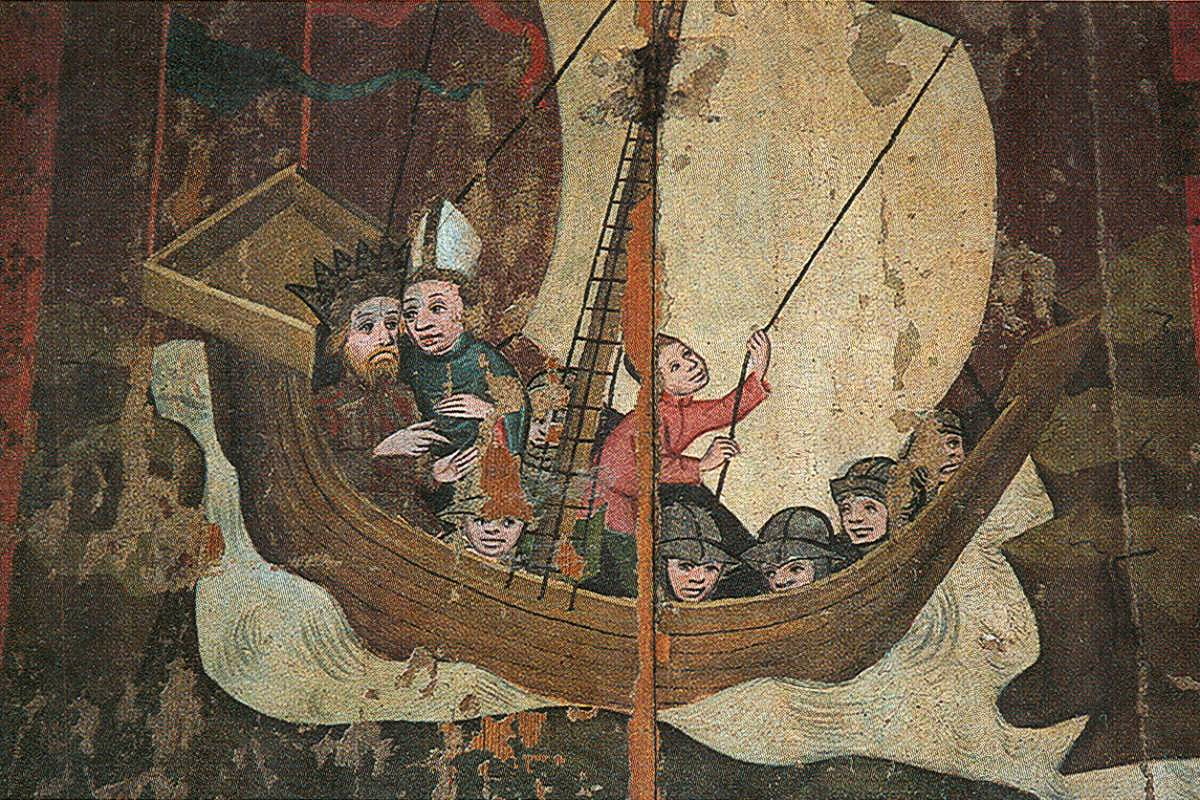
The late 11th and early 12th centuries CE were a time of religious strife throughout much of Europe and West Asia. The geopolitical situation in Europe and West Asia was dramatically altered by the success of the First Crusade.
This saw mainly Western European knights and soldiers take the cross and make a violent pilgrimage to the Holy Land to capture Jerusalem for Christianity.
Along the way, it was not just Muslim foes that they laid waste to, but the Crusaders were also responsible for some of the first (but sadly not the last) pogroms of Jewish people in European history.
Whilst the knights of the Frankish realms and German lands largely captured the popular imagination, crusaders from as far away as the once Viking heartland of Scandinavia were said to have taken part.
Not all the action, however, was in the Holy Land. From the mid-11th to early 15th century, the "Northern Crusades" ran parallel with events in West Asia.
These crusades focused not on capturing cities for Christ but rather on wholesale societal change, a very violent Christianization of the pagan peoples surrounding the Baltic basin.
Three of the most important campaigns in these "Northern Crusades" were led by a nascent Swedish kingdom that had, decades before, only finally become Christianized itself.
As Thomas Lindkvist writes in his 2001 book, Crusades and Crusading Ideology in the Political History of Sweden 1140–1500, "the establishment of Sweden as a Christian kingdom and province within the church meant that Sweden became involved in crusading activities...[in] the eastern Baltic region."
These "Swedish crusades" saw warriors try to Christianize the local pagan population in a series of bloody campaigns throughout what is now Finland and Russia.
Whilst there was a strong religious motivation, there was also a more worldly motivation, fueled by territorial expansion. Let us deal with the religious before the secular.
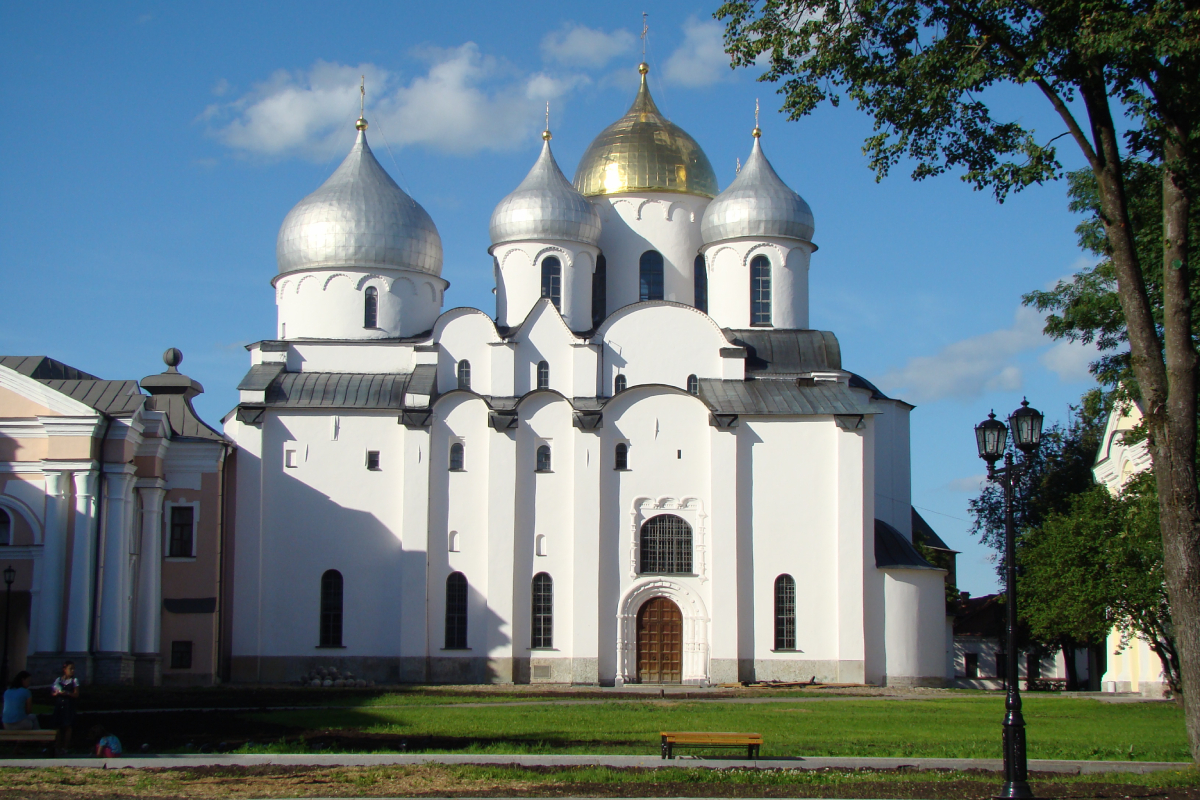
Orthodox Novgorod and Catholic Sweden represented rival Christian powers during the Northern Crusades. Photo: User№101 (CC BY-SA 3.0)
Religious motivation
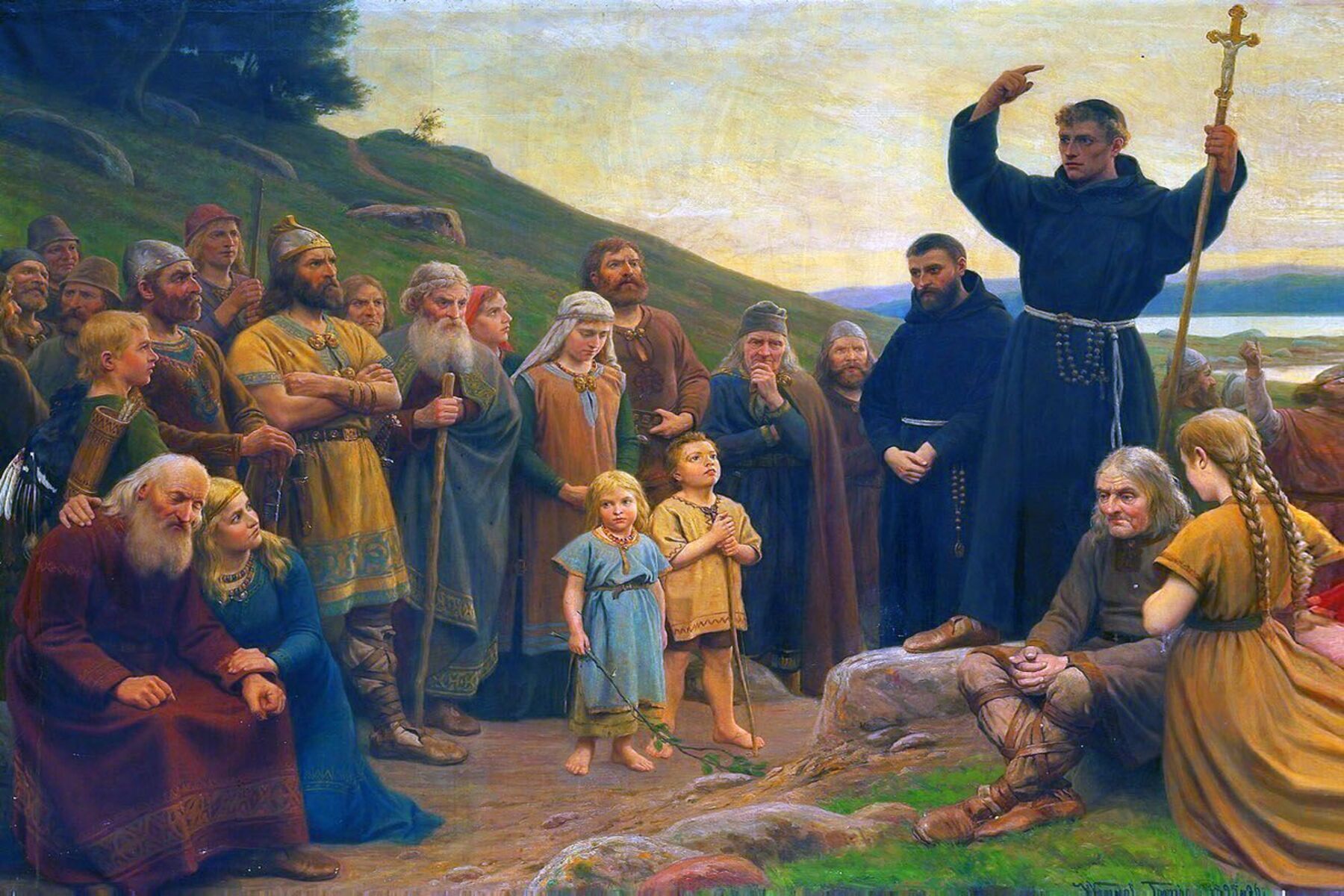
The early medieval period was indeed a time of religious tumult in Northern Europe. For our friends in Viking societies, running concurrently with their outward (and often bloody) expansion was an inward creep of the Christian faith.
By the beginning of the 11th century, Christianity reigned supreme and had largely destroyed the old ways and beliefs of what we moderns call the Old Norse religion.
However, despite Christianity's spread throughout much of the newly established kingdoms of Denmark, Norway, and Sweden, not everywhere in the Scandinavian Peninsula was converted to the Christian faith.
Populations in the far north of Scandinavia, as well as on the western edge of the Baltic Sea, were either still following the old pagan ways or, further afield in what is now Russia, they practiced Orthodox Christianity.
Emboldened by the success of the First Crusade, there was a desire to proselytize further and convert, or punish, anyone not under the spiritual authority of Rome.
In Sweden, this meant that the nearby populations of non-Christian people, particularly the Finnic pagans, were sought after to convert. A first, possibly semi-historical, crusade was said to have been led by the Swedish King Eric IX in the early 1150s.
A second crusade was launched again in either the early 1230s or late 1240s (medieval records from this time are slightly sketchy) and sought to extend the control of the Swedish kingdom in what is now Finland.
A final crusade, from 1293 to 1295, saw the Swedish kingdom take up arms against the last remaining pagans in Finland, the Karelians, and push the kingdom's reach into much of the Karelian region of Finland.
It was during these crusades that the Swedes would encounter the Novgorod Republic, an Orthodox Christian state. It, like the Swedish kingdom, owed its origin to people from Viking societies, but no love was lost between these two Northern European powers.
Whilst the mission was primarily to convert the local Finnish and Turkic populations in what is now Finland, the conversion of a few Orthodox Christians in what is now Russia was also seen as a positive outcome by the Swedish Catholic Church.
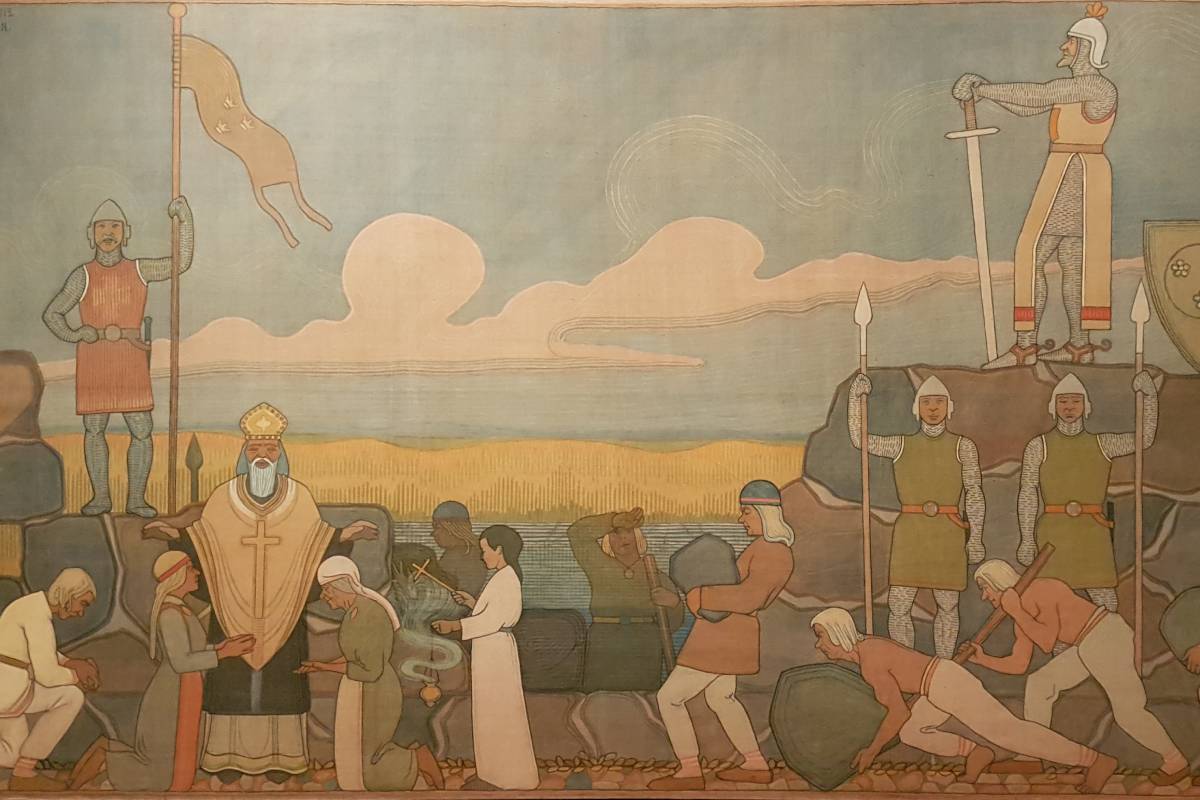
This painting portrays the Swedish conquest and Christianization of the Häme region in Finland during the late 13th century. Source: Joseph Alanen (1885–1920)
Punishing raiders, the profit motive, and territorial expansion
Whilst the initial reason for the "Swedish crusades" was to convert local pagan populations to the Catholic faith, the Swedish crown also had more earthly motives.
It aimed to extend its eastward influence into the Gulf of Finland. The Karelian population that lived there, who were largely pagan, had become a thorn in the side of the Swedish state and often launched raids and attacks.
Aside from quashing local populations, the crusades also saw Sweden try to gain control of lucrative trade routes that connected the Baltic to the Black Sea and linked Scandinavia with the Byzantine Empire and the Islamic world.
The desire for wealth and profit was always part of any medieval kingdom's strategic goals, especially in the case of the Swedish kingdom during this period.
These trade networks, established by people from Viking societies, had been lucrative networks that pumped money into the coffers of the nascent Swedish state.
Finally, another motivating factor for the Swedish crusades was a simple grab for land by the Swedish state.
As the medieval Swedish kingdom sought to extend its influence over the souls of local populations in what is now Finland and Russia, it also sought to extend its boundaries.
As Sven Ekdahl writes in his chapter in the 2014 book, The North-Eastern Frontiers of Medieval Europe, "Sweden's most important contribution to mission and settlement in the eastern Baltic region was the integration of Finland into the Swedish kingdom."
Despite this territorial gain, in a precursor to the Great Northern Wars that would pit the Swedish and Russian states against each other in the early modern period, Sweden sought to extend its influence and reach into what is now Russia, brushing up against the Novgorod Republic.
This was a state that the later early modern state of Russia would trace its ancestry back to.
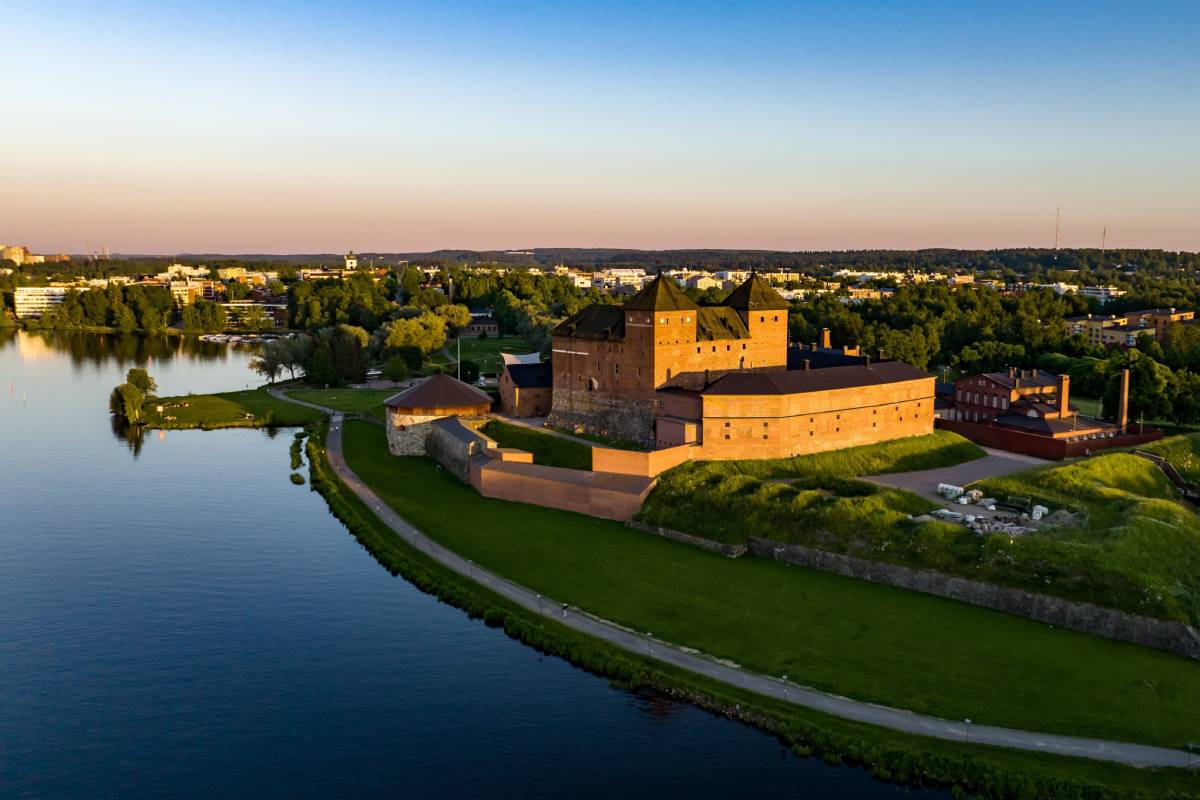
Häme Castle was built after the Swedish crusades to secure control over central Finland. Photo: Wirestock Creators / Shutterstock
Dominate this region for centuries to come
Sadly, there is only limited historically verifiable information on many of the campaigns of the Swedish crusades, particularly the first two campaigns.
It should be seen, however, as a continuation of the process that saw the Scandinavian Peninsula and its population Christianize throughout the early medieval period.
This northern push of Christianity, and especially the Catholic faith, would continue throughout the region until the 13th century CE.
Whilst no doubt a religious affair, which sought to win over the local populations to the Catholic faith by peaceful or violent persuasion, there were also more material motives—namely, securing lucrative regional trade networks and extending the medieval Swedish kingdom's territorial influence in the region.
Little more than a century before the first Swedish crusade was said to have been launched, much of Sweden was still very much a Viking society.
By the end of these crusades, Sweden was anything but. These crusades were the first actions of a new, confident, and Christian medieval Sweden that would go on to dominate this area of Northern Europe for centuries to come.
For more information on an accidental discovery of a sword used in the Swedish crusades, visit LiveScience here.
We get to provide readers with original coverage thanks to our loyal supporters. Do you enjoy our work? You can become a PATRON here or via our Patreon page. You'll get access to exclusive content and early access.
Feel free to reach out to discuss potential stories that may be in the public interest. You can reach us via email at [email protected] with the understanding that the information you provide might be used in our reporting and stories.