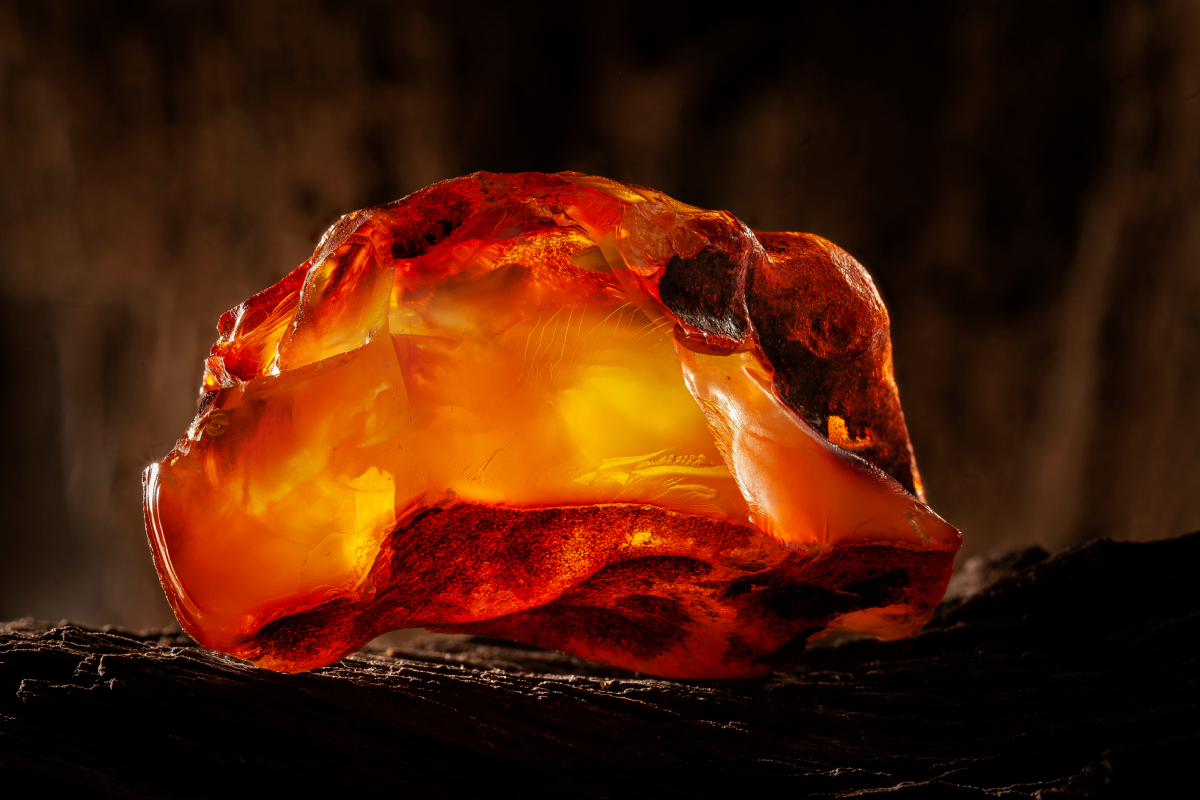


With much of the world (according to TikTok, anyway) now turned to discussions on economics, thanks to the recent U.S. announcement of tariffs, it is probably a good time to brush up on the economic side of Viking history.
One often overlooked fact of the Viking Age economy was that textiles played an important role in medieval Iceland.
If we are to believe the sagas (great in color but not necessarily in historical detail), the story of the human settlement of Iceland goes back to a bunch of malcontents fleeing the iron grip of Harald Fairhair when he united the Norwegian nation in 872 CE.
Like pioneers in the Wild West centuries later, these people from Viking societies headed westward to start a new life in a brave new world. However, they did not come alone.
Despite its modern reputation as a land of fire and ice, Iceland is a luscious isle, thanks to its volcanic soil making green pastures plentiful.
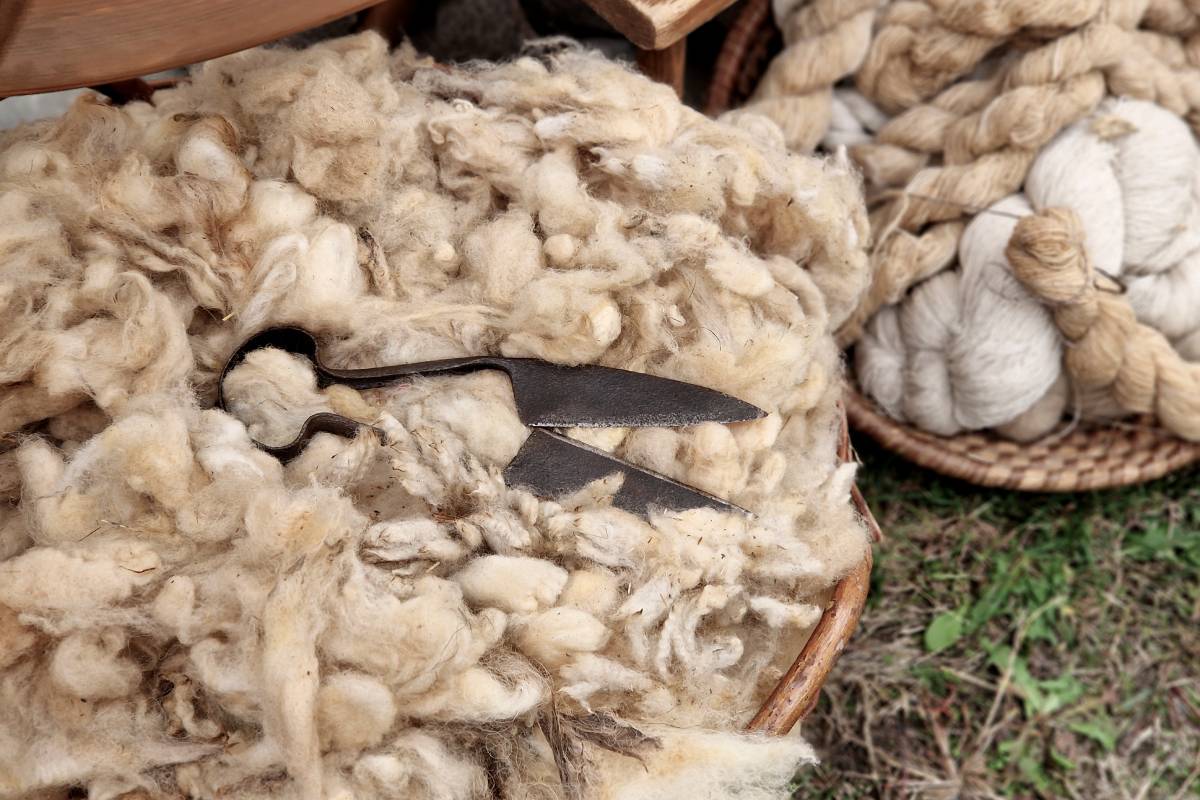
Alongside the Viking settlers, a whole range of livestock was brought in. Yet it was sheep that would soon find their place as an instrumental asset underpinning the economic life of this island.
Soon, these settlers, like their brethren back in the Viking homeland of Scandinavia, produced vaðmál.
This is a coarse, undyed wool fabric that was woven. Though it may have originated in Scandinavia, it was in Iceland that it was perfected. Thanks to its dense weave and the natural oils in wool (lanolin), vaðmál was highly water-resistant and well-suited to Iceland's cold, damp climate.
Let us look at its economic role before we delve into how it impacted gender relations in the Icelandic Commonwealth.
- READ MORE: The Viking history of Iceland – A primer
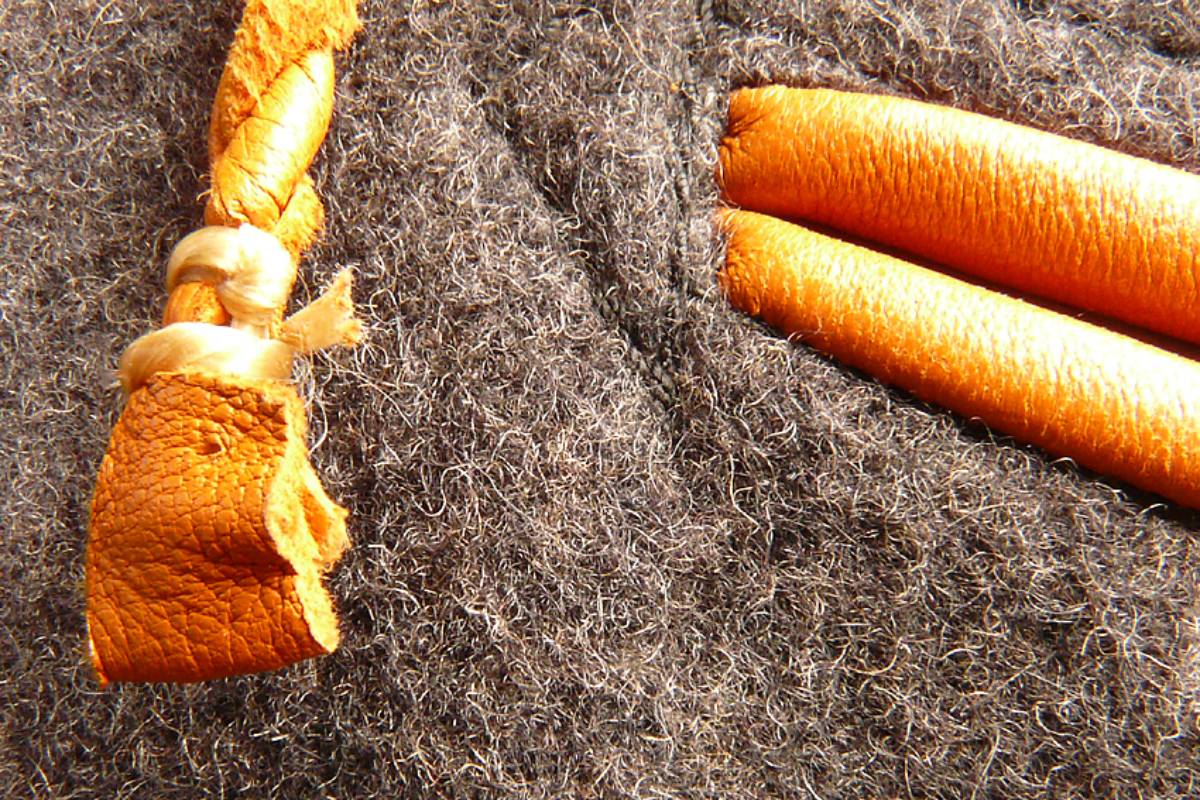
Close-up of traditional vaðmál, showing the dense wool weave that made it water-resistant and durable. Photo: Ökologix
Internal and external economic role
The popular conception about the economies of Viking societies is that they were merely built on plunder and pillage.
Whilst there is no doubt that a steady stream of goods and people flowed toward Northern Europe throughout the early medieval period, these same societies also produced as much as they plundered.
Given the shaky economic foundations on which many of the petty and later medieval kingdoms were built, the widespread minting of coinage was not very common throughout the Viking Age. The widespread use and later discovery of hacksilver attests to this.
Vaðmál was another widely used medium of exchange wherever Vikings roamed. The cloth's sturdy nature and widespread availability made it a standardized currency during the island's Commonwealth phase and even as recently as the early modern period.
It was, as Michèle Hayeur Smith notes in her 2013 article in the journal World Archaeology, also used for "paying tithes and taxes." Aside from its internal use, it was subject to strict regulations on its length, width, and thread count, and it soon became a lucrative export.
Perhaps the most famous of these regulations comes from Iceland's Grágás (Gray Goose) law codes, which were codified toward the end of the Icelandic Commonwealth.
For a piece of vaðmál to be considered a form of currency and a lucrative export item, Smith writes in her 2015 chapter in the book Textiles and the Medieval Economy: Production, Trade, and Consumption of Textiles, 8th–16th Centuries:
"it was to measure two ells in width, where one ell was equal to 49.2 cm (approximately 19.3 inches) in length during the medieval period" (p. 35).
It was this strict legal regulation that saw it become a trusted medium of exchange and later an export commodity.
It has been estimated that there were as many as 4,000 farms in Iceland during the early medieval period. Given that sheep were an ever-present and integral part of these farms, vaðmál soon became regularly produced.
The legal regulations on its production saw it become a reliable trade commodity, especially in Norway, where wool, due to a lack of arable land, was a prized resource.
A source of female power?
Aside from being a lucrative commodity, vaðmál may have also been a source of power for Viking Age women in Iceland and beyond.
Smith again states that, as it was women who wove this textile, they "may have been bestowed more power than previously anticipated." This is because they oversaw its production and thus were responsible for the textile's regulations.
Even though women throughout the medieval world were often treated little better than second-class citizens, they were instrumental in the economy of Viking societies.
A Swedish language video of traditional stamping of vaðmál cloth at Skansen open-air museum in Stockholm. Source: Stiftelsen Skansen (CC BY-SA 4.0)
Their labor, often overlooked in importance in traditional histories of the age, underpinned regional trade networks that snaked across the Atlantic, linking remote Iceland with Northern Europe.
As women were the ones responsible for the production of vaðmál, their labor quite literally connected this remote slice of Viking life to broader European civilizations and underpinned the island's economic life.
This economic importance seems to broadly agree with what we already know about the role of women in Viking societies.
It has been argued that Viking-era women had a larger amount of agency and control over their lives than other women in contemporary European societies.
Within the domestic sphere, they were often responsible for the running of a household, which in Iceland could include a large farm with many thralls.
Given their importance and role in the domestic sphere, the production of vaðmál saw the economic power of women increase in societies where power was reserved only for men.
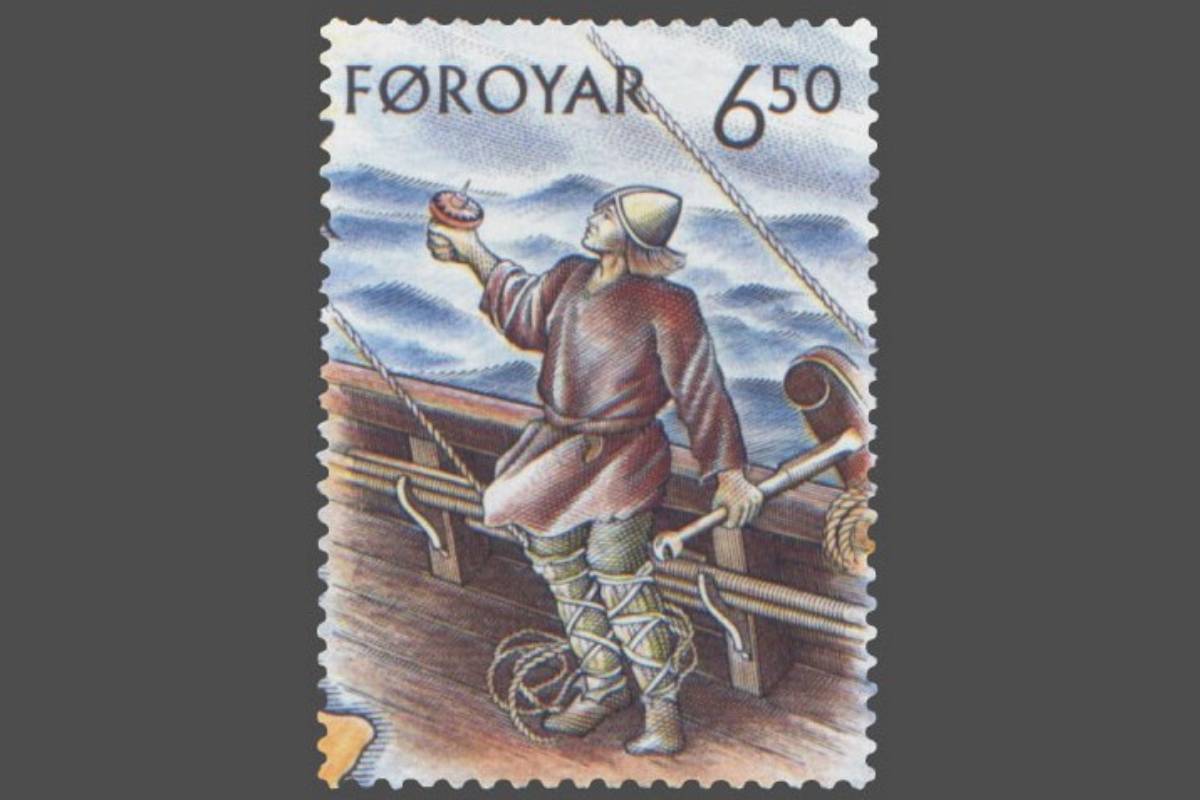
A Viking helmsman in traditional vaðmál clothing appears on a Faroese postage stamp by artist Martin Mörck. Source: Postverk Føroya - Philatelic Office
Underscored trade networks and power
Women's control over textile production positioned them at the heart of Iceland's economy, granting them significant social and economic influence in a deeply patriarchal and, to we moderns, misogynistic society.
As this cloth flowed across the North Atlantic, from Iceland to the Viking heartland in Scandinavia and its surrounds, it underscored the economies of regional trade networks and highlighted women as the hidden (until now) backbone of this trade.
For more information on women in the Viking Age, visit the Danish National Museum's website here.
We get to provide readers with original coverage thanks to our loyal supporters. Do you enjoy our work? You can become a PATRON here or via our Patreon page. You'll get access to exclusive content and early access.
Feel free to reach out to discuss potential stories that may be in the public interest. You can reach us via email at [email protected] with the understanding that the information you provide might be used in our reporting and stories.