

We look at some of the overlooked, ignored, or popularly unknown places that people from Viking societies traversed.
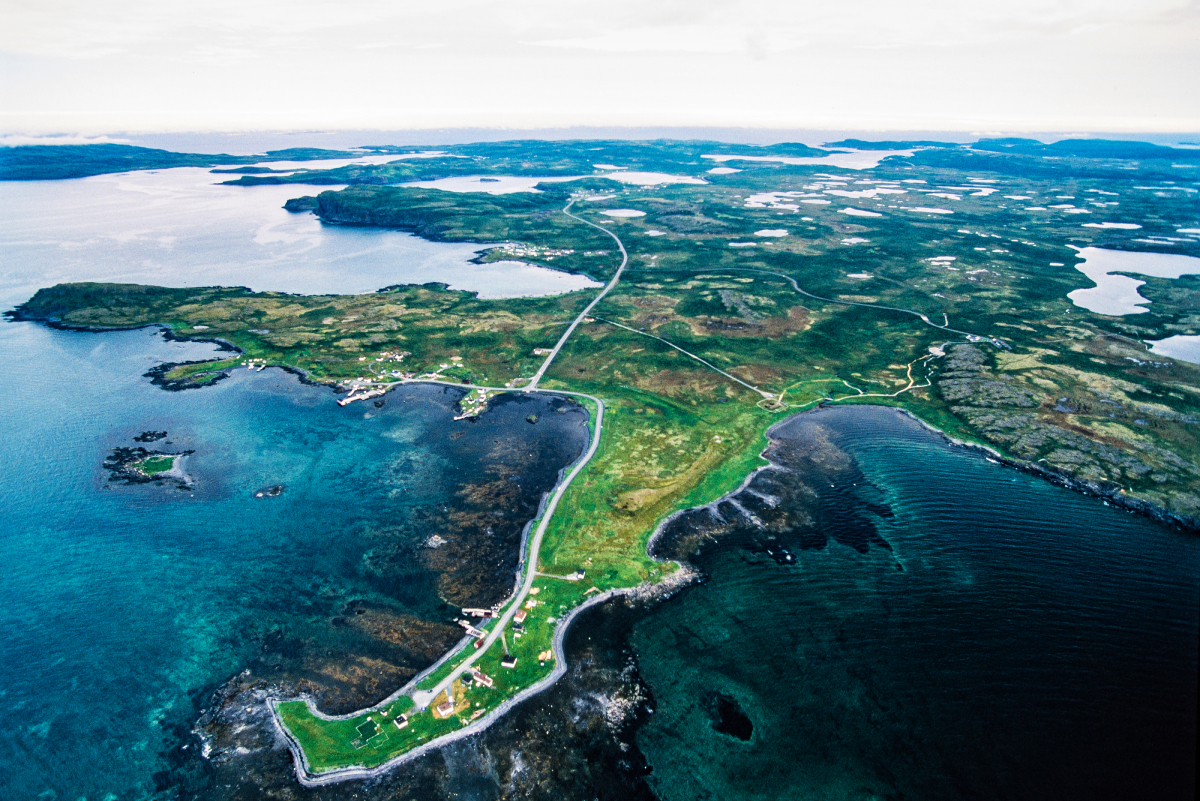
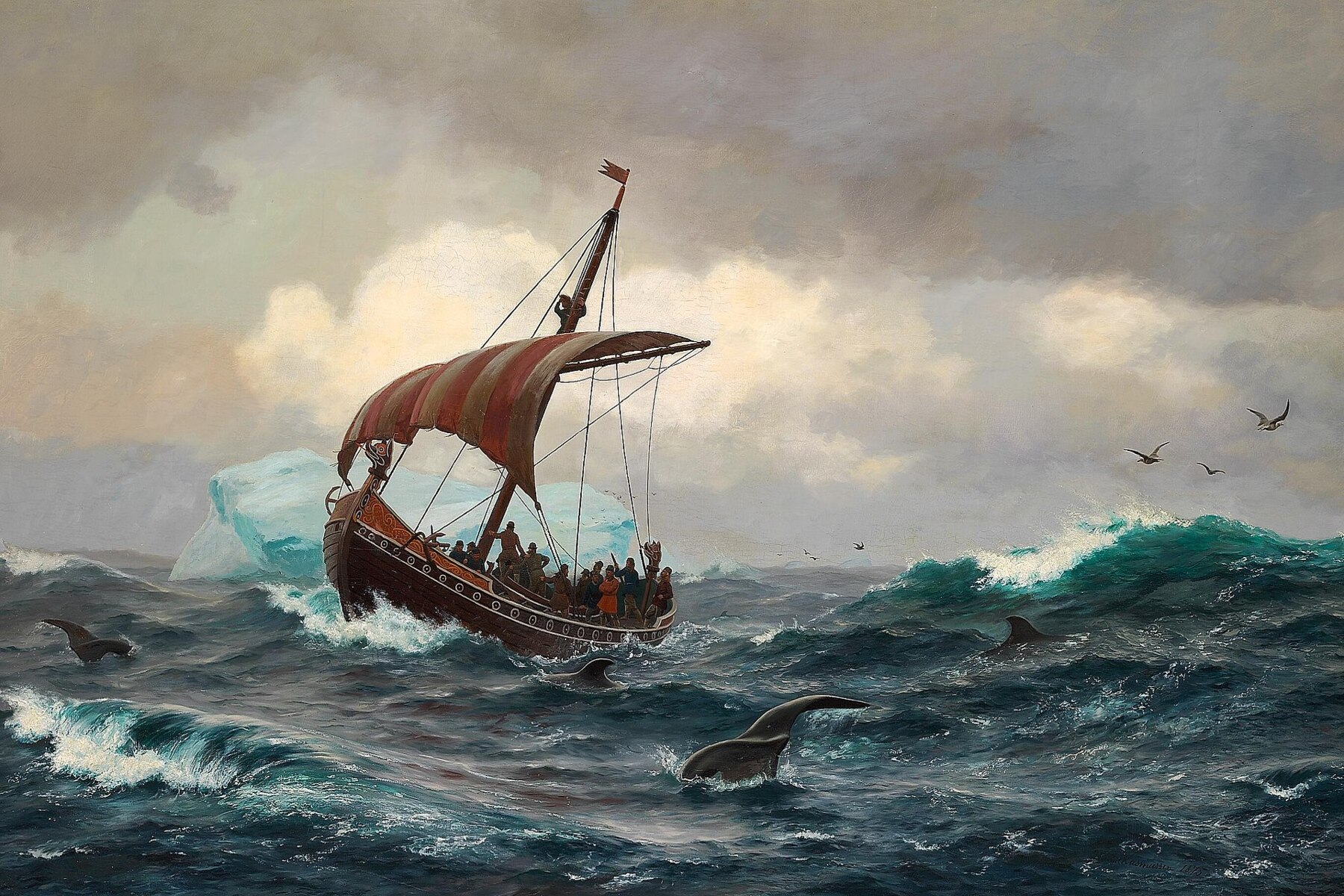
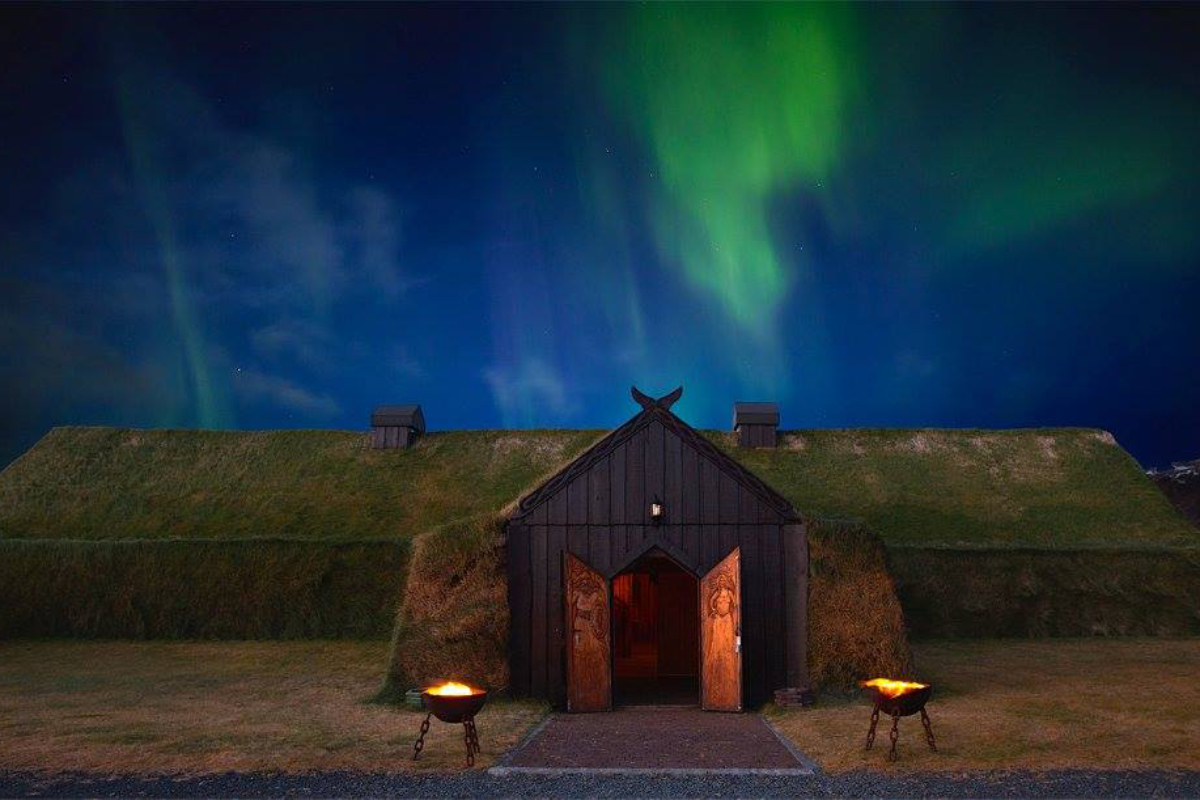
L'Anse aux Meadows is the first confirmed site of European settlement in North America. Photo: Russ Heinl / Shutterstock
Canada: Beating Europeans to North America by a cool 500 years
"There they found fields of wild wheat wherever there were low grounds; and the vine in all places where there was rough rising ground. Every rivulet there was full of fish."
[Passage from The Saga of Erik the Red, translated by J. Sephton, 1880]
It was only relatively recently, in the 1960s, that archeological evidence was uncovered that supported some of the supposed tall tales of the Norse sagas.
The Norwegian explorer Helge Ingstad and his wife, archeologist Anne Stine Ingstad, excavated the remains of a Viking settlement at L'Anse aux Meadows, on the northern tip of the Canadian island of Newfoundland, beginning in 1961.
With this discovery, the entire history of European pre-Columbian transoceanic contact was flipped on its head. The discovery backed up the Viking tales of sailing west from their settlements in Greenland to strange new lands, including what they called Vinland, where they encountered often-hostile locals (Skrælings).
So, more than five centuries before Columbus sailed the ocean blue, the Vikings got there first.
With the advent of even greater scientific technology, historians have now discovered an approximate time range of about 50 years from the turn of the 11th century CE for the Viking settlement at L'Anse aux Meadows.
Whilst half a century is a minuscule period in even Viking history, it is a significant amount of time for European settlement in North America to flourish, given its medieval nature.
Local interactions with the Indigenous population, stretched supply lines, and the tyranny of distance led to this site being abandoned sometime in the mid-11th century CE.
However, had it not been, it could have been used as a forward base for further exploration and more settlement in North America. If that had happened, the dominant languages of North America may have been from the Scandinavian Peninsula instead of England, France, and Spain.
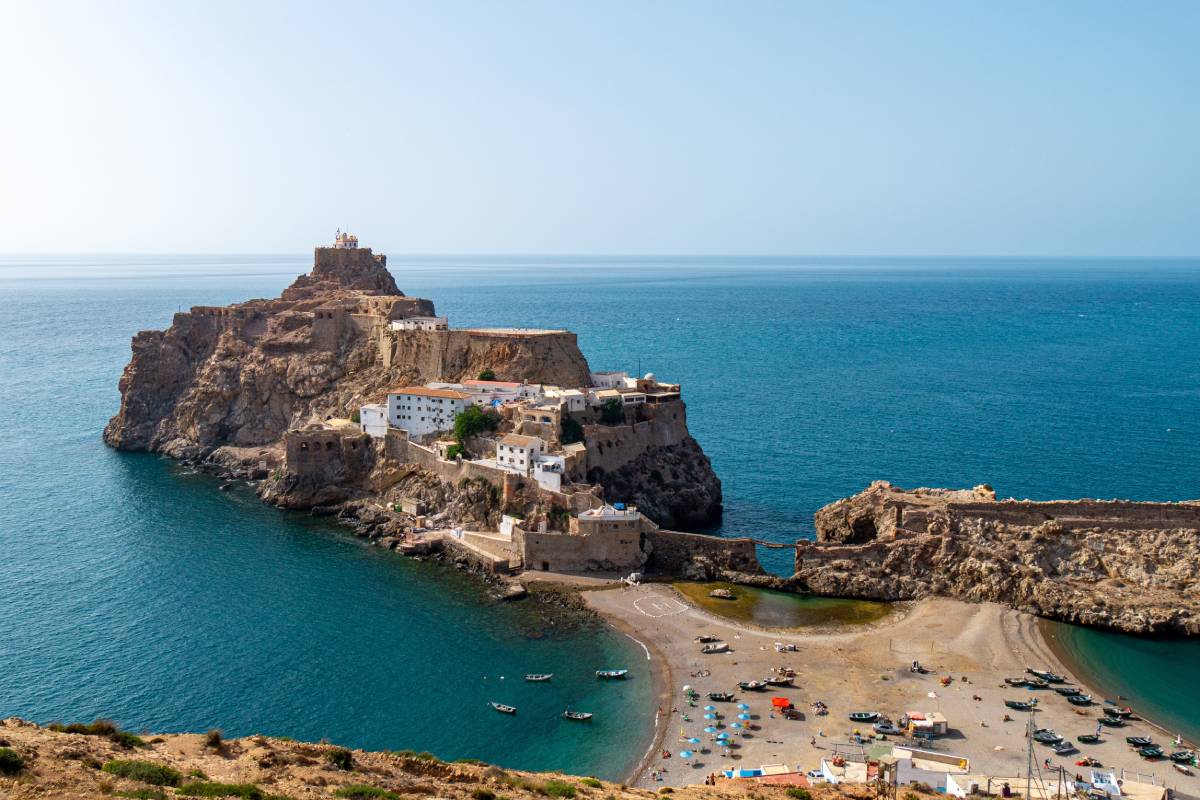
A Spanish military outpost on the Moroccan coast, near the region historically linked to Viking raids on Nekor in the 9th century. Photo: Amine Idrissi / Shutterstock
North Africa: Viking raids on the Moroccan coast
Now, speaking of Spain, that is where, every Northern winter, thousands of Nordic people, the cultural ancestors of people from Viking societies, flock southward to warmer climes to help defrost.
Just a stone's throw (of a ship's sail) distance from the tourist paradise of the Costa del Sol are the shores of North Africa. Now, this region of the world is one that has a surprising Viking history, one that is still very much understudied and often overlooked.
As Ann Christys notes in her 2012 chapter The Vikings in the South through Arab Eyes (in Visions of Community in the Post‑Roman World), "modern historians of the Viking Age have paid little attention to the activities of Norsemen in… the Mediterranean."
Like all good Viking aficionados, it is to the Norse sagas that we must turn for our proof. We know that Vikings sailed up and down the coast of the Iberian Peninsula throughout the early medieval period to plague coastal and river-bound communities in what is now Portugal and Spain.
However, due to the Iberian Peninsula falling under Muslim rule for much of this period, the Vikings were often easily fended off, with a few notable exceptions. The greater economic, political, and military might of the Islamic world was far superior to anything that a few predatory raiders from the cold North could muster.
The sagas, however, regale us with a great tale of a Viking raid said to be led by one of Ragnar Lothbrok's sons, Björn Ironside.
What is interesting is that there are also contemporary and later historical accounts—from Arabic, Frankish, Norman, and Scandinavian sources—that speak of this great raid in 859 CE.
A huge flotilla of ships was said to have sailed southward from Scandinavia to the Iberian Peninsula, been fended off by locals in Galicia, then sailed into the Mediterranean itself.
Here, they not only raided the Balearic Islands but also came ashore in the Emirate of Nekor (now a part of Morocco), laid waste to a town, and may have even kidnapped some inhabitants to be sold as slaves.
The history of Europe and Africa may have been very different indeed had the Vikings come back to raid or settle the shores of North Africa more frequently.
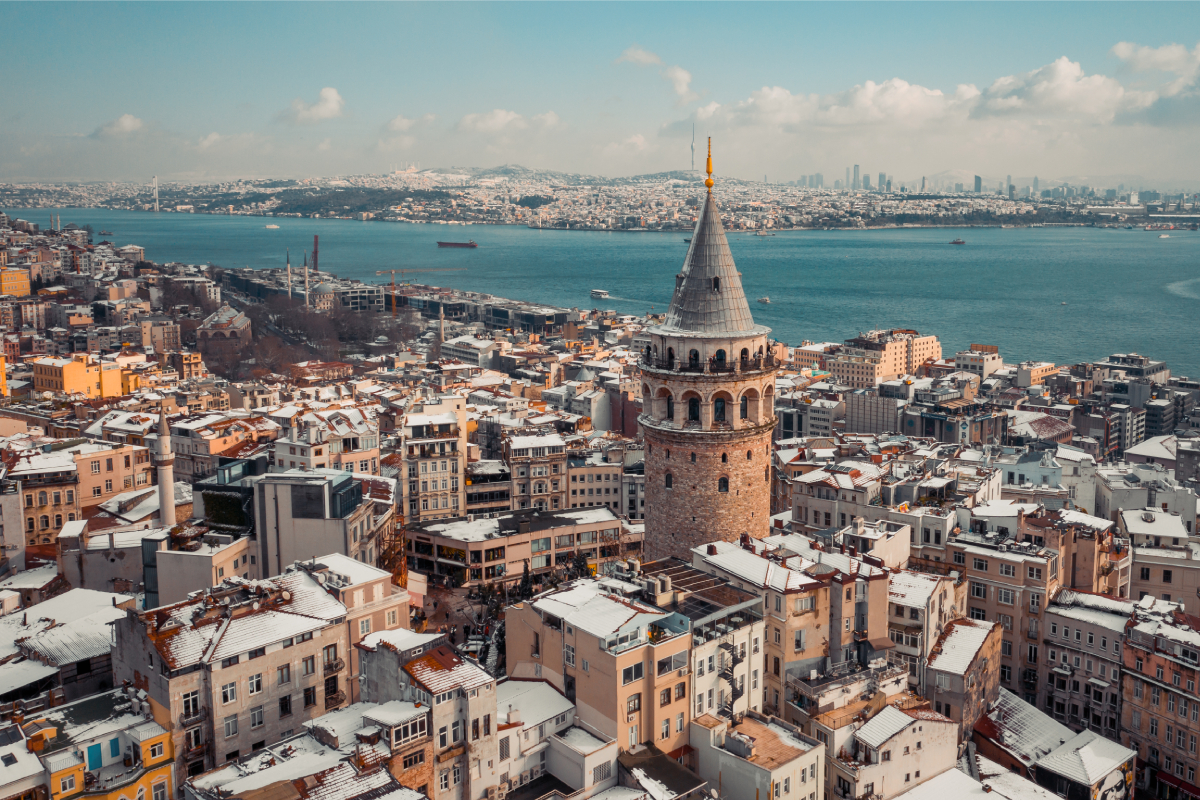
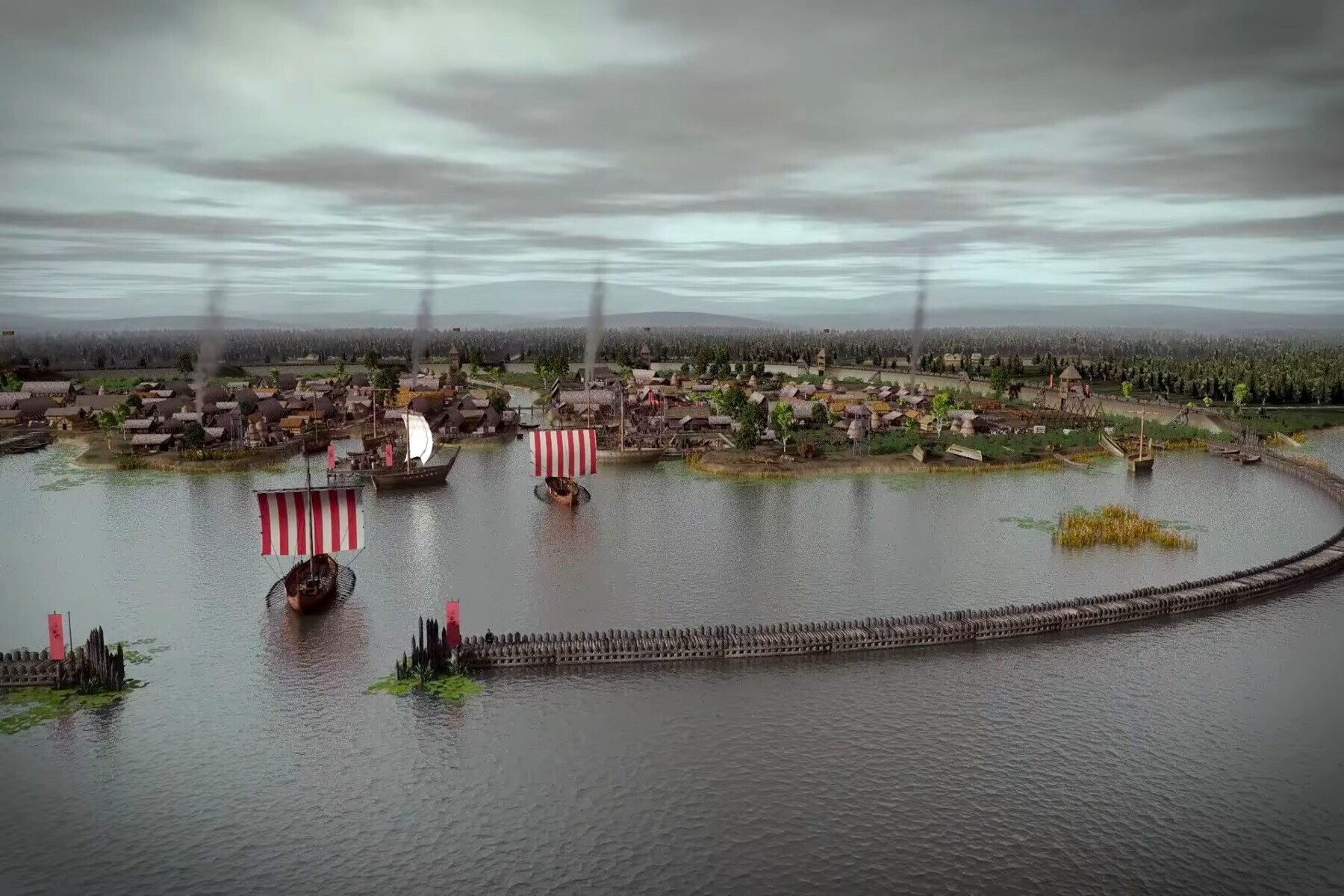
Viking presence in Istanbul included trade, service in the Varangian Guard, and even graffiti. Photo: Aslan Ozcan / Shutterstock
Constantinople: Viking presence in the streets and walls of Istanbul
"Harald remained several years in Russia, and travelled far and wide in the Eastern land. Then he began his expedition out to Greece, and had a great suite of men with him; and on he went to Constantinople."
[The Saga of Harald Hardrada, Heimskringla, translated by Samuel Laing]
Turkey was, for many centuries, the beating heart of Europe. Yes, even though it seems unlikely that Ankara will ever be granted European Union membership, the history of Europe is inextricably linked with what is now Turkey.
The nation's grand city, Istanbul, which straddles both Europe and Asia, was once the beating heart of what so many European countries trace their ancestry back to—the Roman Empire.
Yes, Istanbul was once Constantinople, the capital of the (Eastern) Roman Empire from the 4th century CE. Modern historians have labeled this eastern polity the "Byzantine Empire," which fell in the mid-15th century CE, outlasting its western half by about a millennium.
The Byzantine Empire was, for much of the early medieval period, the cultural, economic, and political behemoth of Europe. As such, people from Viking societies flocked there, often utilizing river systems to travel from the Baltic to the Black Sea.
Not only did they come here as traders—Byzantine silks and jewels headed northward, whilst precious Baltic amber or enslaved people traveled southward from the Viking heartland—but they would eventually go on to form a personal guard of the Byzantine emperor.
Their presence was also felt in an entire neighborhood of the city, which gave Constantinople a very Viking flavor. However, the big lights of the big city didn't always excite everyone.
Archeologists have uncovered what appears to be graffiti etched on the walls of the Hagia Sophia (Christianity's most important church until the early modern period) by a Viking.
It appears that being in this grand wonder of the ancient world wasn't too exciting for this Viking, who etched his name and a rudimentary Viking ship on its wall—perhaps in a fit of boredom.
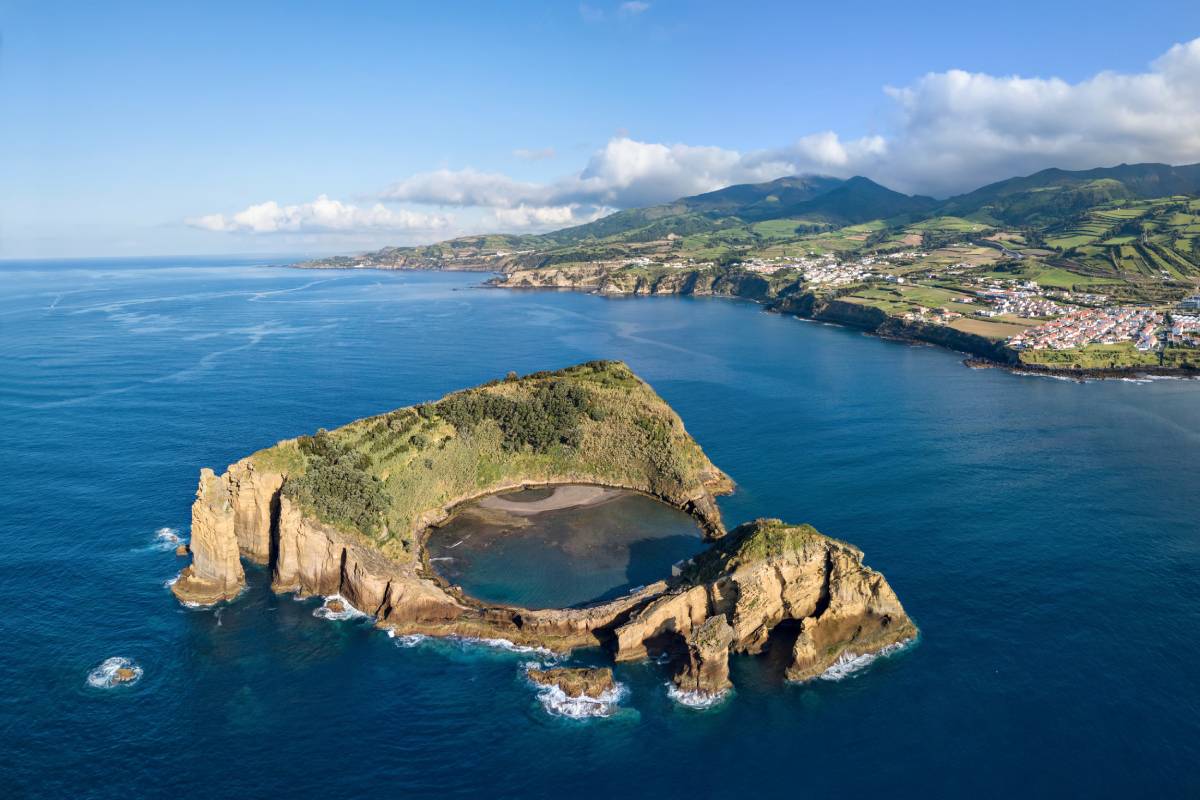
Lakebed research and mouse DNA hint at a Viking presence on the Azores in the 11th century. Photo: Sergey Dzyuba / Shutterstock
The Azores: How Vikings (and their mice) may have reached these islands first
We know that people from Viking societies were some of the most skilled seafarers of the entire pre-modern period. From the Viking homeland, they sailed as far afield as the modern shores of Canada, northern Russia, and Morocco.
By the 11th century CE, the Atlantic Ocean saw a steady stream of Viking ships crisscrossing between the Viking homeland in Scandinavia and the far-off settlements on Iceland, Greenland, and Newfoundland.
Whilst the Baltic Sea was a virtual Viking pond throughout the early medieval period, let's just say the Atlantic Ocean wasn't quite the barrier to travel that it would be throughout the later medieval period.
It wasn't just humans that traveled far into the depths of the Atlantic Ocean though, as recent research has discovered.
It wasn't just Columbus whom people from Viking societies were said to have beaten in their exploration; they may have reached the Azores before the medieval Portuguese as well.
Recent analysis of lakebed sediment on the Azores (perhaps not the most thrilling phrase for fellow history lovers) appears to support a 2015 study that examined the mitochondrial DNA of mice.
The two studies showed that it was visitors from Northern Europe, specifically people from Viking societies, who explored here (more than 700 years before the first Portuguese made it ashore in 1427 CE) and may have brought stowaways, in the form of mice, along with them.
The recent lakebed sediment suggested there was substantial human activity on the islands, long enough for mice to hop onshore.
Given the Viking activity up and down the Iberian Peninsula, it would be no surprise that perhaps a ship was blown off course and wound up in this little slice of (what is now) Portuguese paradise.
As Michael Price talks about in his article in the 2021 journal Science, "humans were exploiting natural resources on the Azores at least 700 years earlier than thought."
No human artifacts from Viking societies have been uncovered on the islands yet, but the recent research seems to point to the fact that Vikings got there long before their modern Scandinavian ancestors.
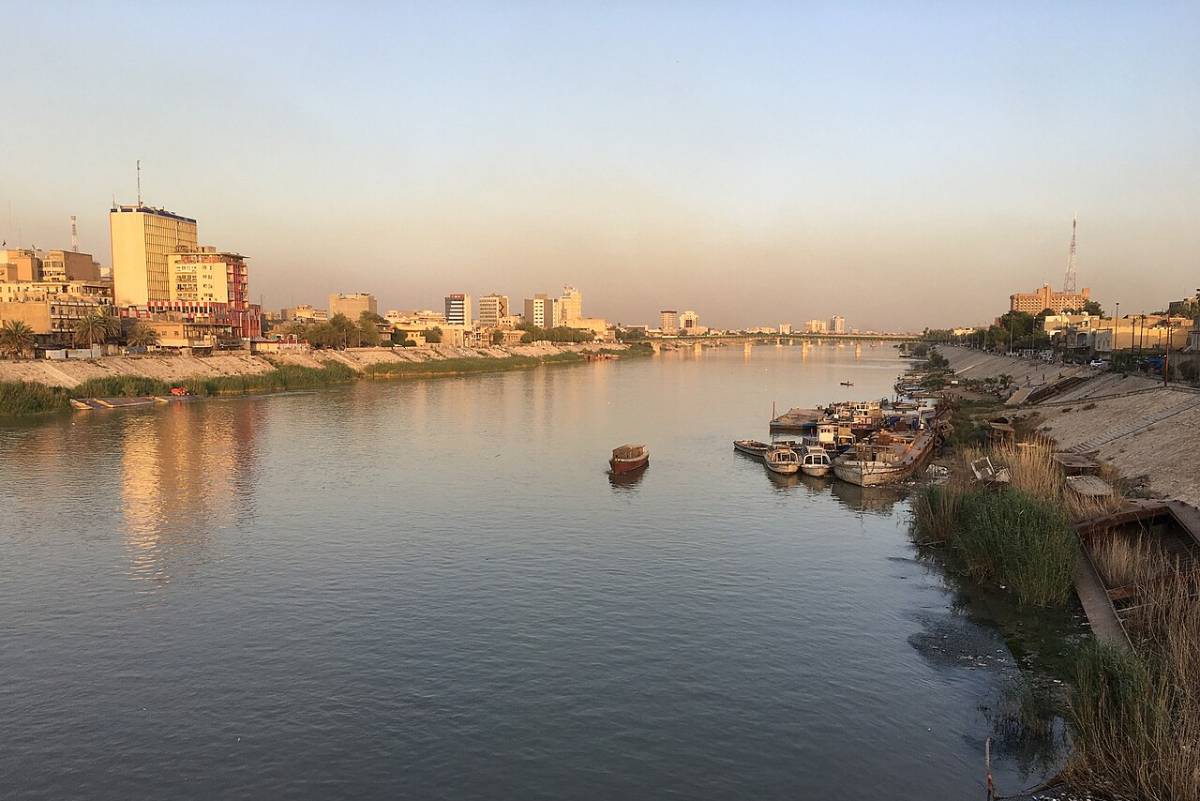
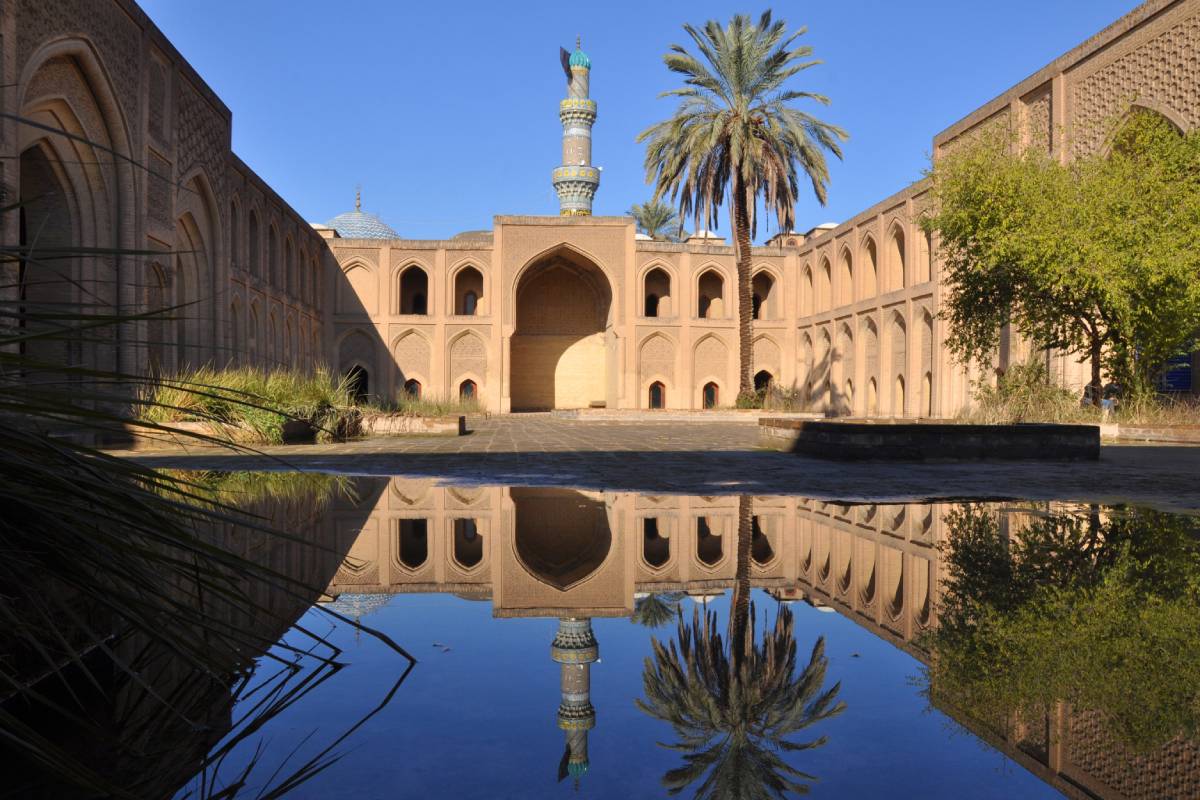
Viking traders may have reached Baghdad via Eastern Europe's river networks and the Silk Roads. Photo: Synaps commons (CC BY-SA 4.0)
Baghdad: Viking trade and contact in the Islamic Golden Age
The early medieval period was a period of highs and lows, depending on where you lived. If you were unlucky enough to have lived in a coastal or river-bound community somewhere in Northern Europe, chances were you would have a stressful encounter with a Viking or two.
Further east, in West Asia—what modern historians dub the Islamic sphere of influence—under the Abbasid Caliphate, a cultural flowering occurred. This was the Golden Age of Islam, with Baghdad as its shining capital, a sophisticated metropolis full of poets and scholars.
Aside from this cultural blossoming, the streets of Baghdad were also paved with gold, as the city was a major economic hub of world trade. It was these riches that drew people from Viking societies.
Having traversed the many river systems that snake their way through Eastern Europe, between the Baltic and Black Sea, people in Viking societies—traders, raiders, and merchants—found themselves in the Black Sea.
Whilst some headed southwest to Constantinople, others sailed eastward to what is now the shores of Georgia and eastern Turkey. From here, they no doubt encountered the many caravans passing their way along the Silk Roads, connecting Europe with Asia.
Whilst we have no archeological proof of definite Viking activity in the bazaars of Baghdad, many coins minted in the Abbasid Caliphate found their way northward to be buried in Viking hoards.
Just imagine how different the classic folktale of the Islamic Golden Age, One Thousand and One Nights, would have been with a Viking or two appearing in the stories!
For more information on Viking interactions with medieval Arabs, visit The National here.
We get to provide readers with original coverage thanks to our loyal supporters. Do you enjoy our work? You can become a PATRON here or via our Patreon page. You'll get access to exclusive content and early access.
Feel free to reach out to discuss potential stories that may be in the public interest. You can reach us via email at [email protected] with the understanding that the information you provide might be used in our reporting and stories.