

Nowadays, it is fashionable to try and transplant modern beliefs, norms, and ideas into a historical context.
For historians, this can often lead down a slippery slope that may end in a career cul-de-sac. For mere history writers, like the current author, it is literary suicide.
There is a wide-ranging and quite heated (for the academic world... which amounts to a lot of furious keyboard typing) debate about whether we can judge historical people or periods by our own standards.
Some historians say we can, whilst others point to the fact that people are only cultural and historical products of their time and place.
Take, for example, the role of women. Some academics say that Viking societies were inherently sexist and misogynistic, with women mere second-class citizens at best.
As University of Greenwich academic Jim Gritton discusses in his 2017 essay Gender in Viking Society, women were often "invisible and victims of what Reinharz (1985:20) describes as gynopia – 'the inability to perceive the very existence of women as fully human actors.'"
This sexism and misogyny were not only seen and practiced in everyday life but also found a place in the tales that people in Viking societies told one another.
The rich tapestry of Norse myths and sagas portrays a very adrenaline-fueled and machoistic worldview.
In fact, D. R. Wyatt goes one step further in his 2009 book, Slaves and Warriors in Medieval Britain and Ireland, 800–1200, in which he says that there is a "frantic machismo" that permeates much of Norse literature.
On the other hand, there has been much discussion on the amount of agency that some women had in their lives, especially in a domestic sphere.
When the men were out raiding and trading, it was up to the womenfolk to get on with running farms and living life. This permeated the rich tapestry of Norse legends, myths, and sagas.
Some of the central characters in these stories are powerful women: think Lagertha, the mighty shieldmaiden (who not only fought men but divorced them too), or the über-cool Freyja, riding her cat-powered chariot sky-high and worshipped as a powerful deity.
So then, without wanting to get bogged down in these dangerous academic waters, let us look to a little-known woman of the sagas, Angrboða.
Can the role or nature of this mother of monsters, as enigmatic as she is unknown, teach us moderns anything?
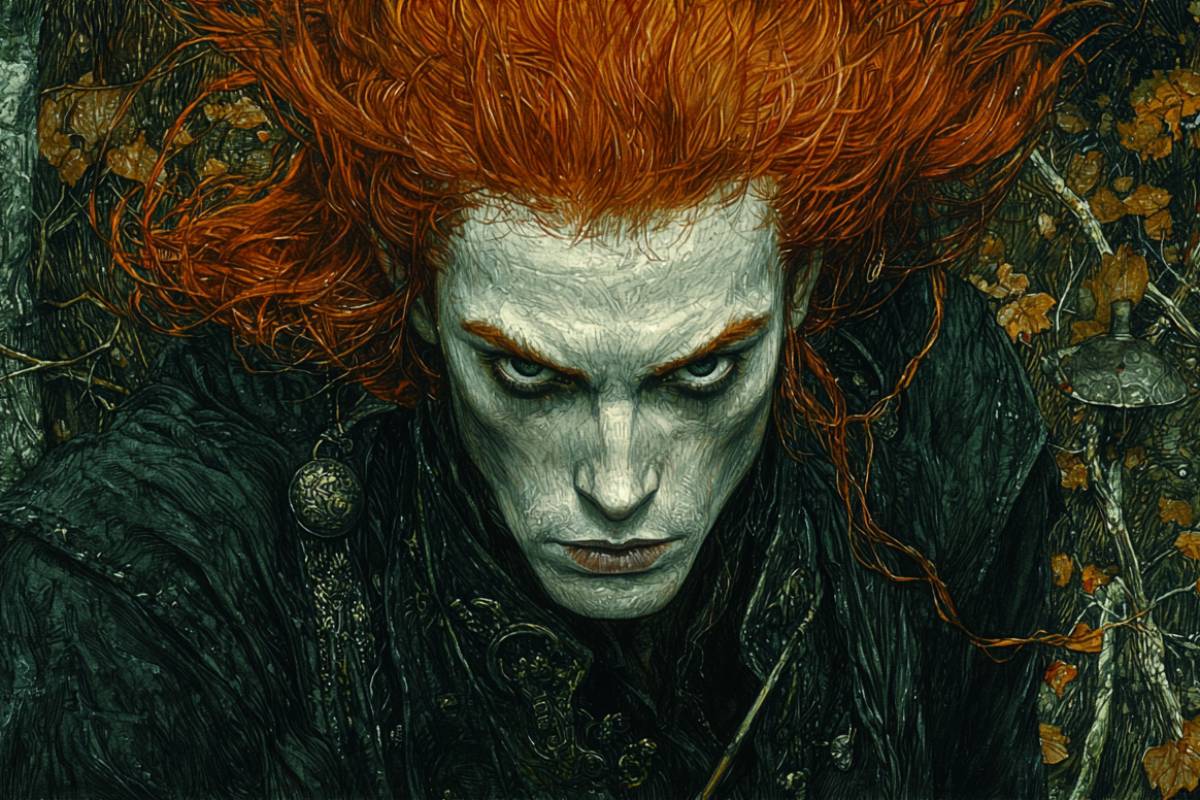
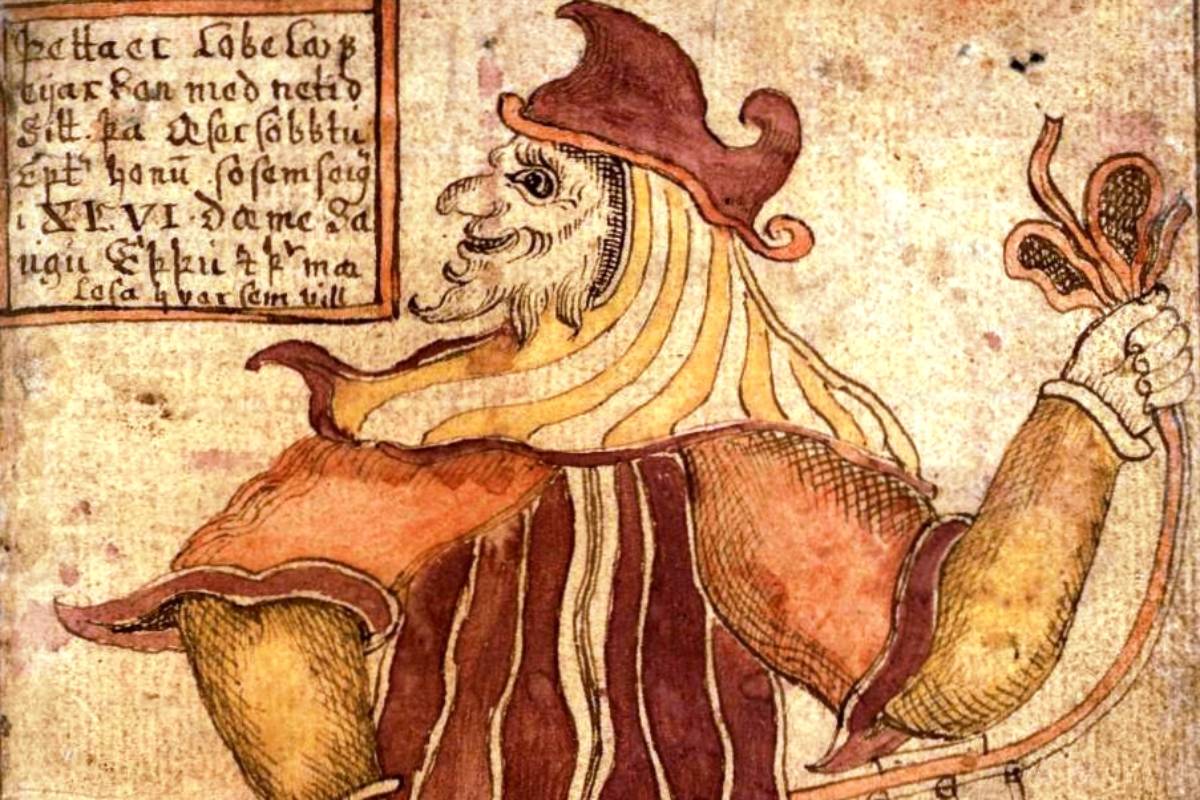
Loki, the Norse trickster god, is Angrboða’s partner and the father of Fenrir, Jörmungandr, and Hel, three beings tied to Ragnarök. Source: The Viking Herald
One hell of a monster mother
If we scour the rich tapestry of the Norse sagas, we find that Angrboða – whose name means something akin to "bringer of grief" – is primarily known for her maternal role. She makes only two appearances in the Norse tales of old.
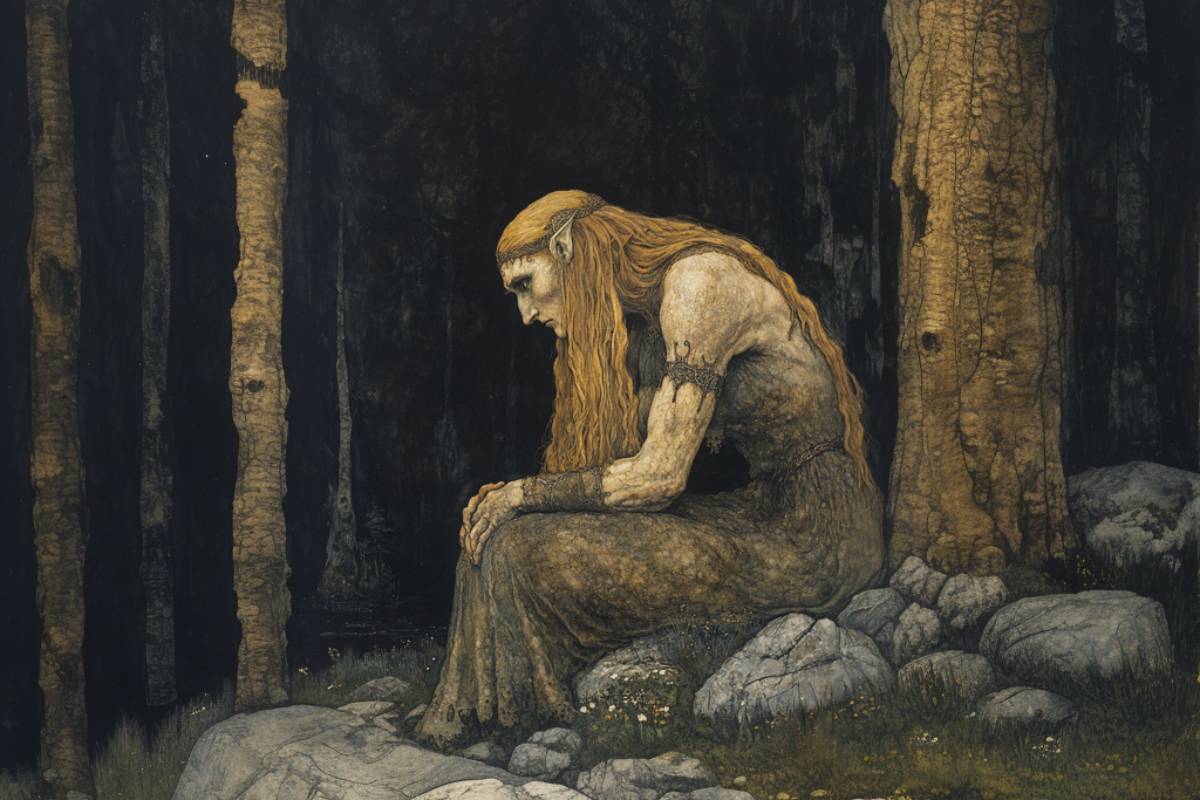
The first, found in the Prose Edda (a compilation of stories and tales partly compiled by 13th-century Icelandic poet and politician Snorri Sturluson), simply mentions that Angrboða is a famous Jötunn (a giant) and lives in a forest called Ironwood.
The only other mention we find of this giantess states that she is the mother of three beings: the giant wolf Fenrir, Hel – the ruler of the Norse underworld – and the giant world serpent, Jörmungandr.
All three of her children were said to be the result of a union with the Norse trickster deity, Loki.
She is often presented as the sort of powerful and monstrous being that existed alongside the pantheon of Norse gods.
We have, therefore, a minimal record of this mother of monsters. We know nothing of the romance (if any) between her and Loki that resulted in the three monstrous offspring.
We know only that she was said to inhabit a dark and mysterious forest, Ironwood, where she raised the scions of Loki.
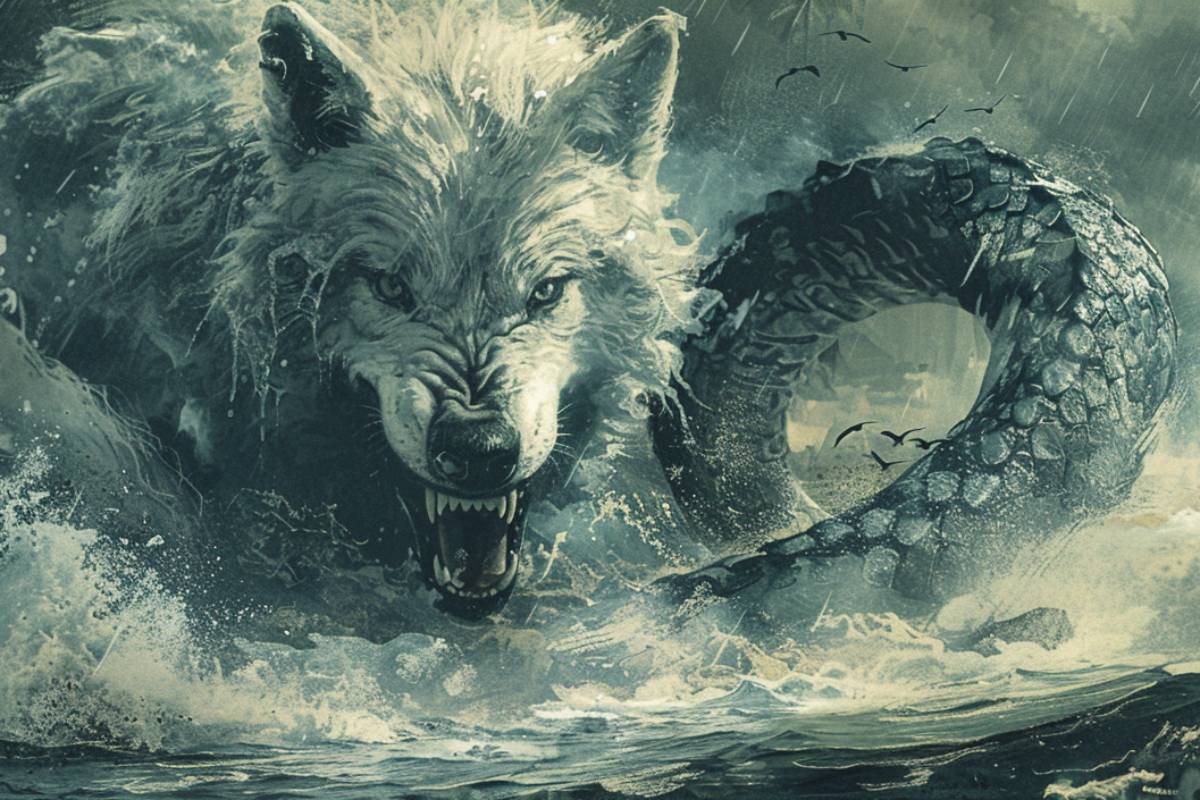
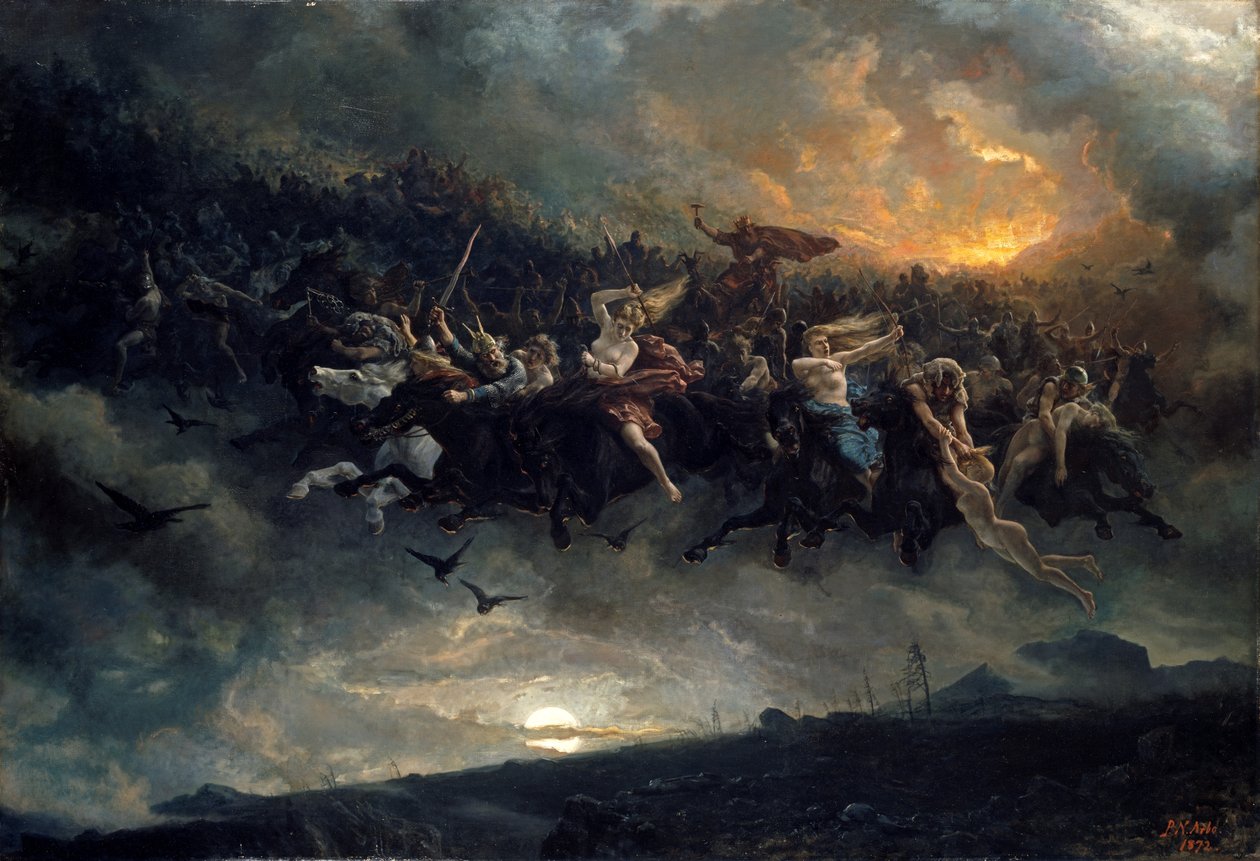
Angrboða's legacy endures through Fenrir, who kills Odin, and Jörmungandr, who battles Thor to the death. Source: The Viking Herald
Initiator of chaos and destruction
Not for the first time in history or literature, it appears that a parent is living vicariously through their children.
If there was more to the character of Angrboða, we have lost it in the tides of history.
Perhaps there were other stories and tales that helped to fully flesh her out as a rounded individual and not just as an aside to Loki, whose only role was to produce monster offspring.
Aside from a smattering of references and mentions in the rich tapestry of Norse sagas, it is her role in the cataclysmic end of times, Ragnarök, that defines Angrboða's most significant contribution.
She is the progenitor of Fenrir and Jörmungandr, each playing an active role in these cataclysmic events.
The former will break free from the chains the Norse gods have bound him with and will go on to kill the mighty All-Father of Norse mythology, Odin. The latter will have an epic battle with Thor that will ultimately see both perish.
Her third offspring, Hel, whilst she does not take part in Ragnarök, is already associated with death and the afterlife, hosting those who have perished from sickness or old age and did not bravely or honorably fall on the battlefield.
Angrboða plays her most important role as an initiator of cosmic chaos and destruction through her union with Loki and the offspring they produce.
Despite being a minor character in the rich tapestry of the Norse sagas, she represents the future forces of chaos and destruction that will engulf the Norse cosmos and signal its destruction and eventual rebirth.
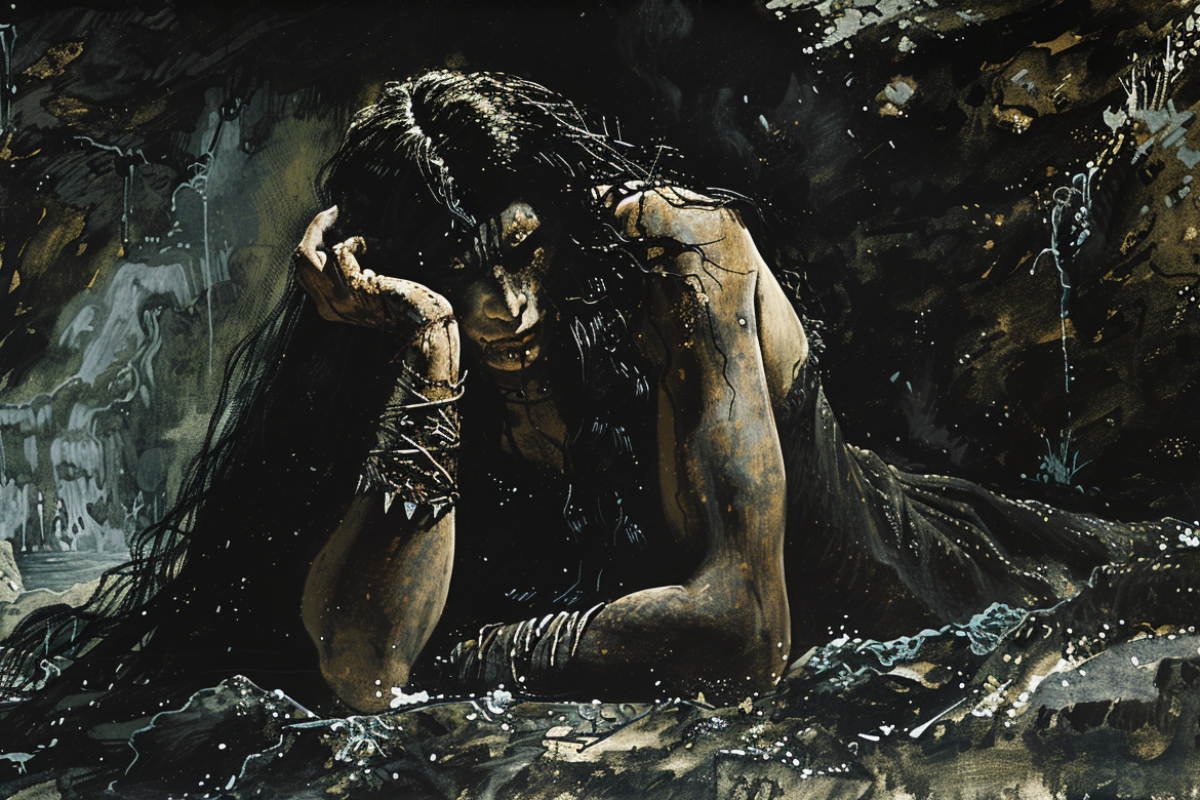
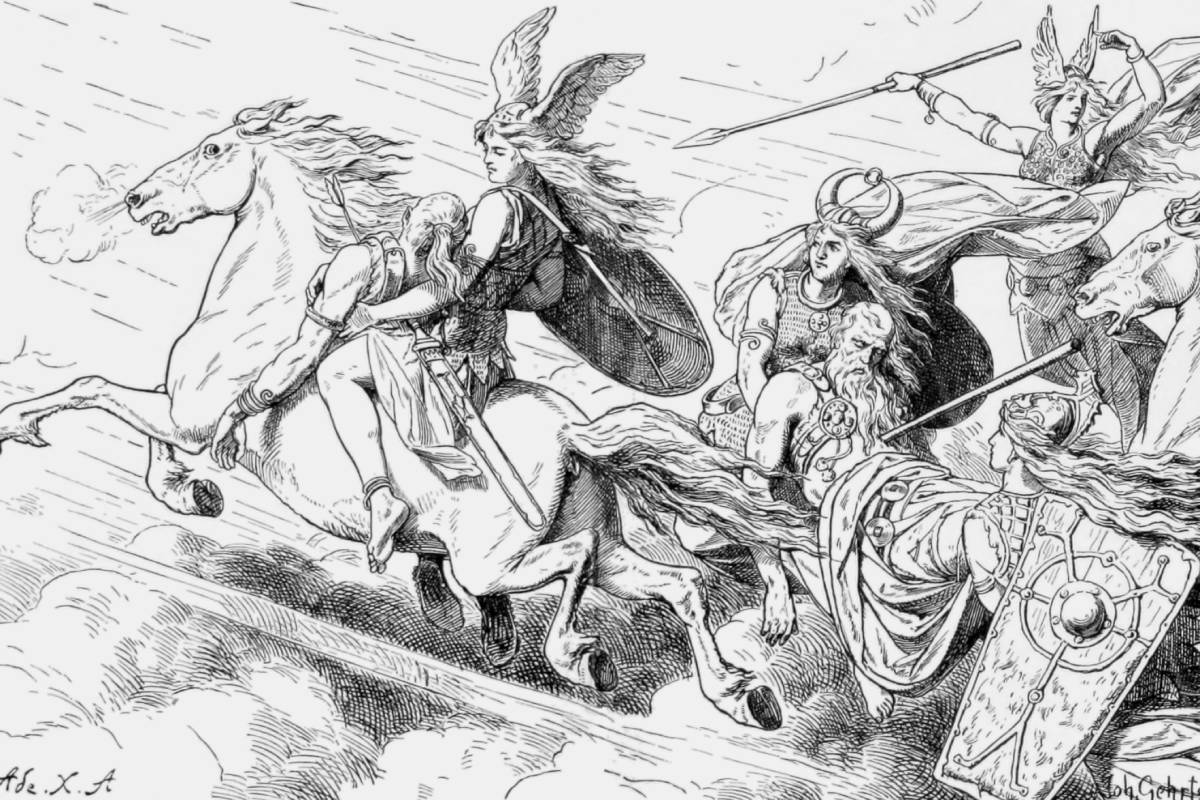
As Angrboða’s offspring, Hel shapes the Norse afterlife, controlling the realm where those who die of sickness or old age reside. Source: The Viking Herald
Bring her into the literary spotlight
Given the peripheral role and obscure nature of Angrboða, it is often hard to see what this mother of monsters can teach us.
Through her role as a partner of Loki and the progenitor of three mythical and monstrous children, she is seen as an initiator of the chaotic and destructive forces that shaped the Norse cosmological and mythological worldview.
Whilst she is not a fully rounded character, her brief appearances in the sagas add depth and color to the backstories of her partner and children.
Not for the first time in Norse mythology, this female character has remained a peripheral figure.
It is time to bring Angrboða into the light, as anyone capable of birthing a giant world serpent, a monstrous wolf, and an ethereal ruler of the realm of the dead warrants more attention.
The National Museum of Denmark has more information on women in the Viking Age here.
We get to provide readers with original coverage thanks to our loyal supporters. Do you enjoy our work? You can become a PATRON here or via our Patreon page. You'll get access to exclusive content and early access.
Feel free to reach out to discuss potential stories that may be in the public interest. You can reach us via email at [email protected] with the understanding that the information you provide might be used in our reporting and stories.