• News
  • History
  • Culture&religion
  • Legacy
  • Warfare
  • Trade
  • Scandinavia
  • Reviews
  • News
  • History
  • Culture&religion
  • Legacy
  • Warfare
  • Trade
  • Scandinavia
  • Reviews
    ×
  • News
    Discoveries Everyday Research
  • History
    End of the Viking Age Expansion Viking Age
  • Culture&religion
    Burial sites Christianity Language and literature Life Old Norse religion Ships
  • Legacy
    Common misconceptions Medieval perceptions Modern politics Modern popular culture Post-medieval perceptions
  • Warfare
    Viking warfare
  • Trade
    Viking trade
  • Scandinavia
    Countries History Languages
  • Reviews
    Books Games
  • Partner content
    Partner content
  • Photo
  • About us Advertising Contact Terms of use Write for us

    Fenrir

    • Latest  
      Latest Most popular
    • All news  
      All news News History Culture&religion Legacy Warfare Trade Scandinavia Reviews Partner content
    • 13 articles
    13 articles
    • As the first poem of the Poetic Edda, Völuspá reveals the cosmic cycle of creation, destruction, and rebirth through the voice of a wise seeress addressing Odin.
      The Völuspá: The seeress’s prophecy of the end of the world
      One of the most important poems in the rich tapestry of Norse literature, The Völuspá details the dramatic history and fate of the entire Norse cosmos, including its fiery destruction and rebirth.
      1 year ago — Culture and religion
    • Born of giants but bound to the Æsir, Loki exists between worlds, and his family reflects his complex place in the Norse cosmos.
      Loki's lineage: The complex family of the trickster god
      Maligned for centuries as a mere trickster, the Norse god Loki is more than just a playful prankster. Part of his multifaceted character is his complex lineage and family tree, which provide both destructive and friendly influences.
      1 year ago — Culture and religion
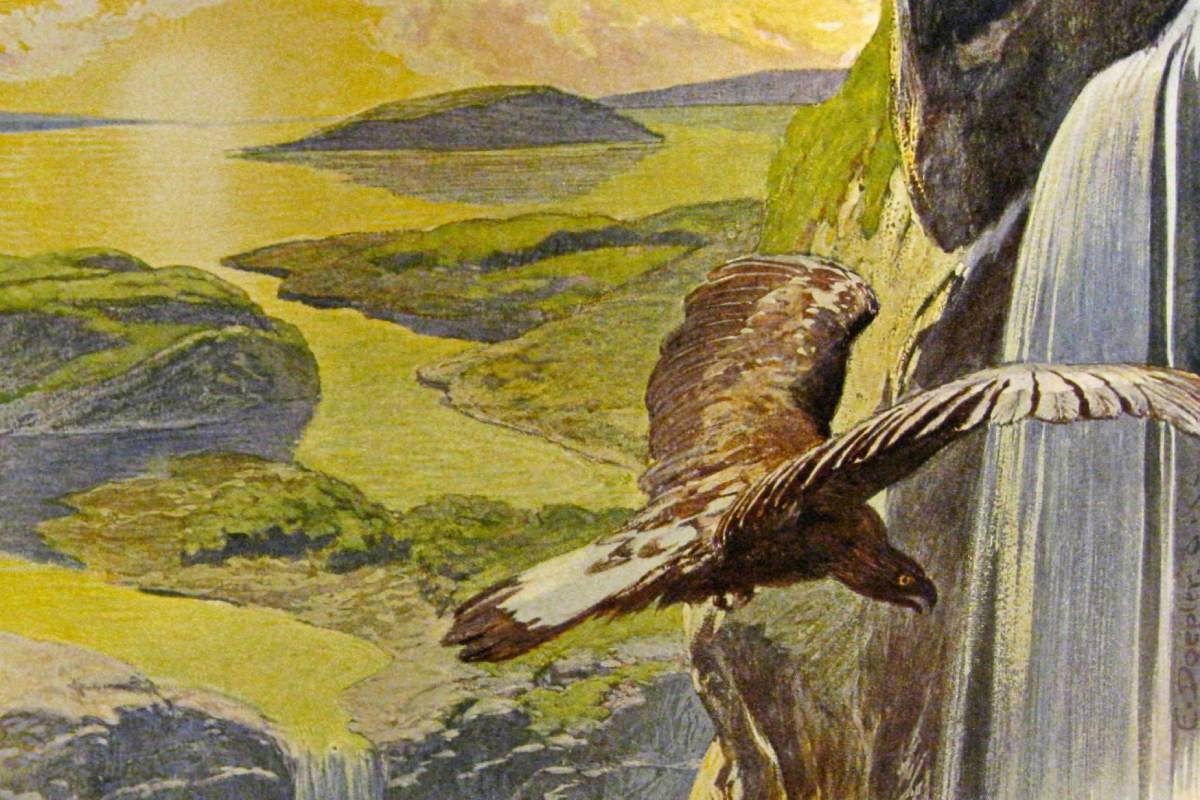
    • An early 20th century painting offers a visual interpretation of stanza 59 in Völuspá, which describes the restoration of life and natural order after Ragnarök.
      What happens after Ragnarök? Death, destruction, rebirth, and renewal
      Following the cataclysmic events of Ragnarök, a cosmic reset occurs, where rebirth follows death and destruction.
      1 year ago — Culture and religion
    • Víðarr, a son of Odin, is described in the Prose Edda as a silent god of immense strength who plays a decisive role in the events of Ragnarök.
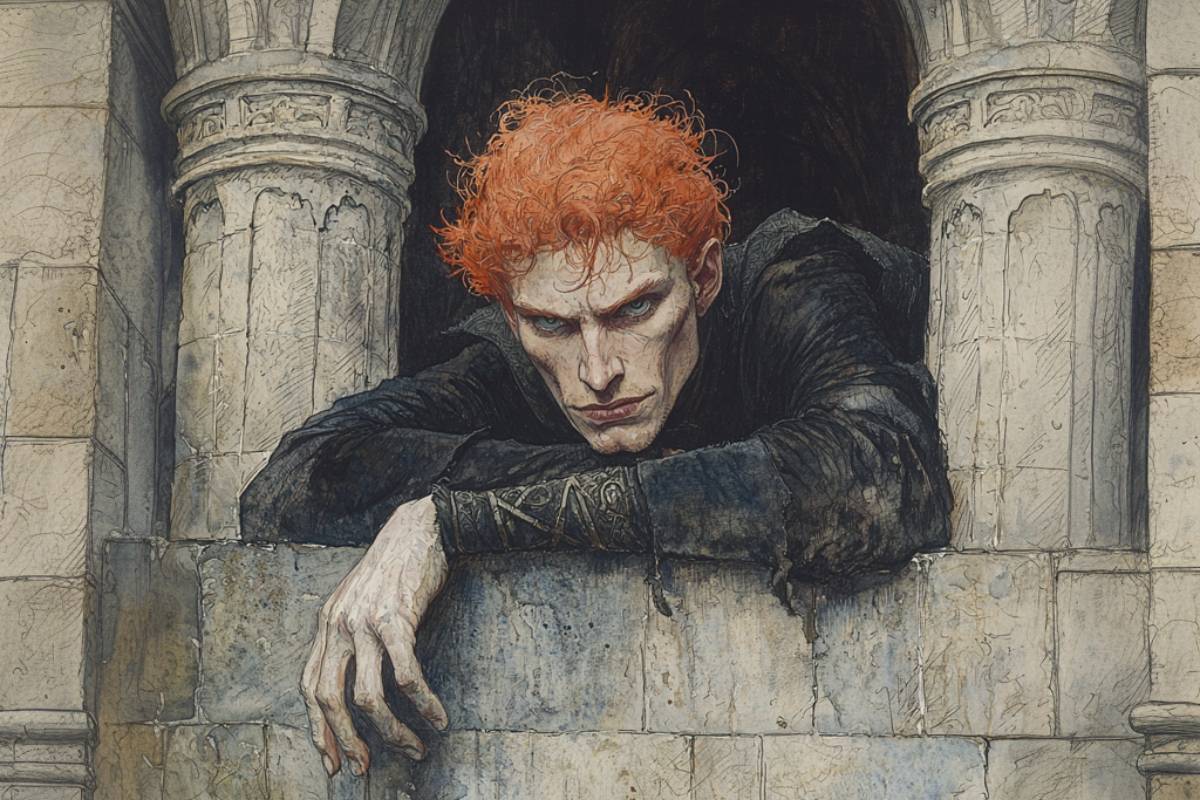
      Víðarr, Odin's son: The god who survived Ragnarök
      "The wise man must guard his tongue carefully; rarely is there regret for being too silent." Whilst this quote is attributed to Odin himself, it could easily describe his son, Víðarr. Let us examine this Norse god of silence and vengeance and peel back the mystery of this enigmatic deity.
      1 year ago — Culture and religion
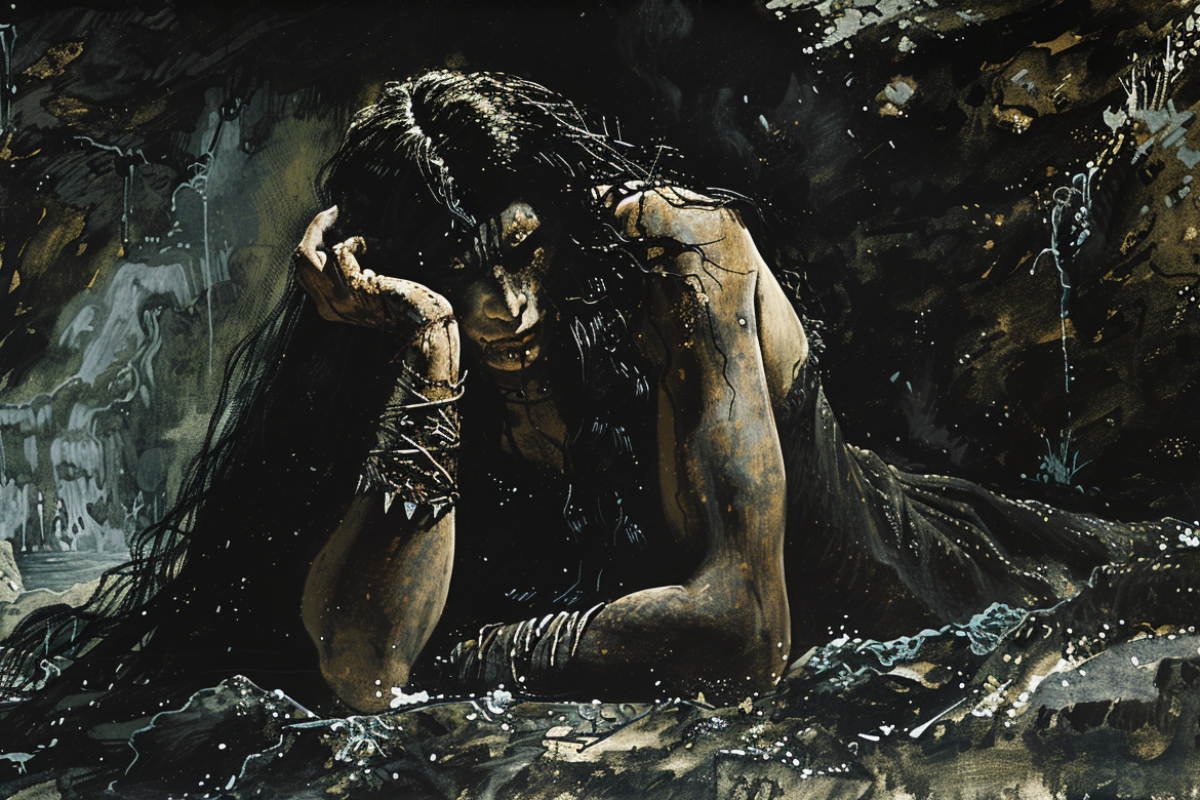
    • Angrboða, a Jötunn in Norse mythology, is the mother of Fenrir, Jörmungandr, and Hel, three beings central to Ragnarök and the downfall of the Norse gods.
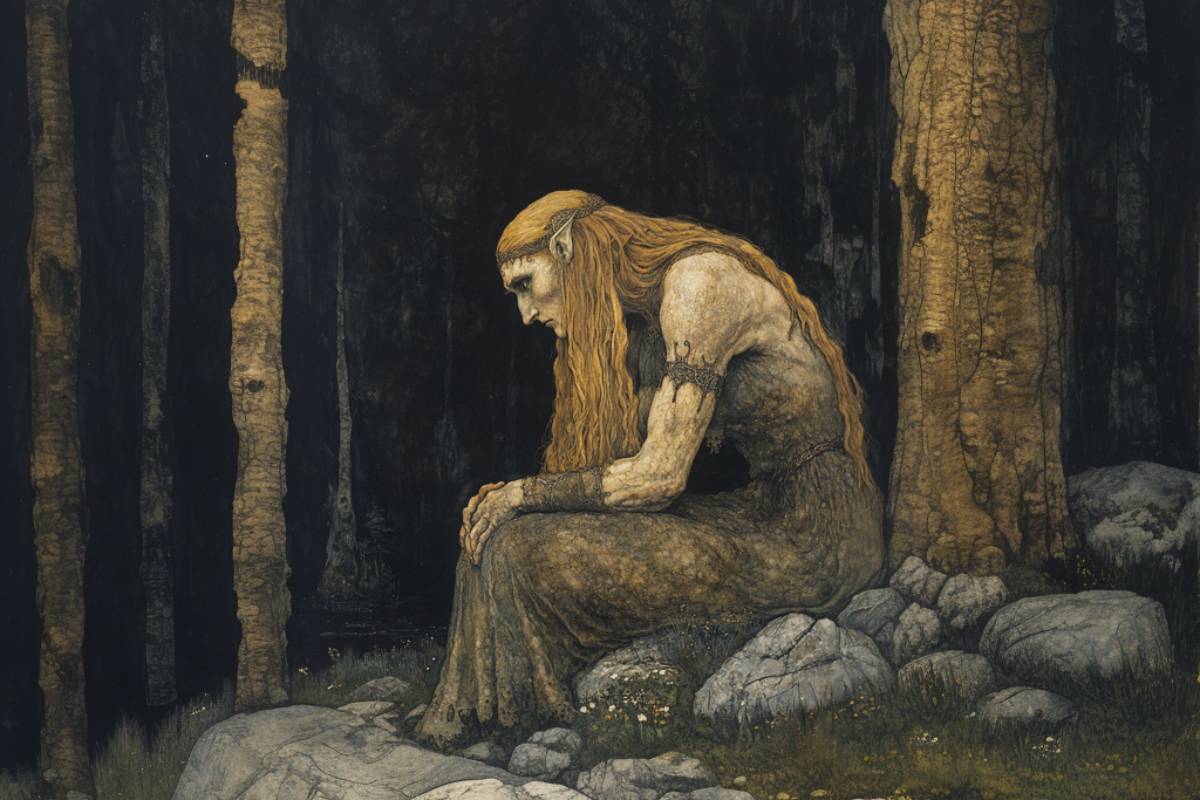
      Angrboða: Loki's mysterious mate and mother of monsters
      Known primarily for her role as the mother of monsters and partner of Loki, we try to delve deep into the enigmatic character of Angrboða.
      1 year ago — Culture and religion
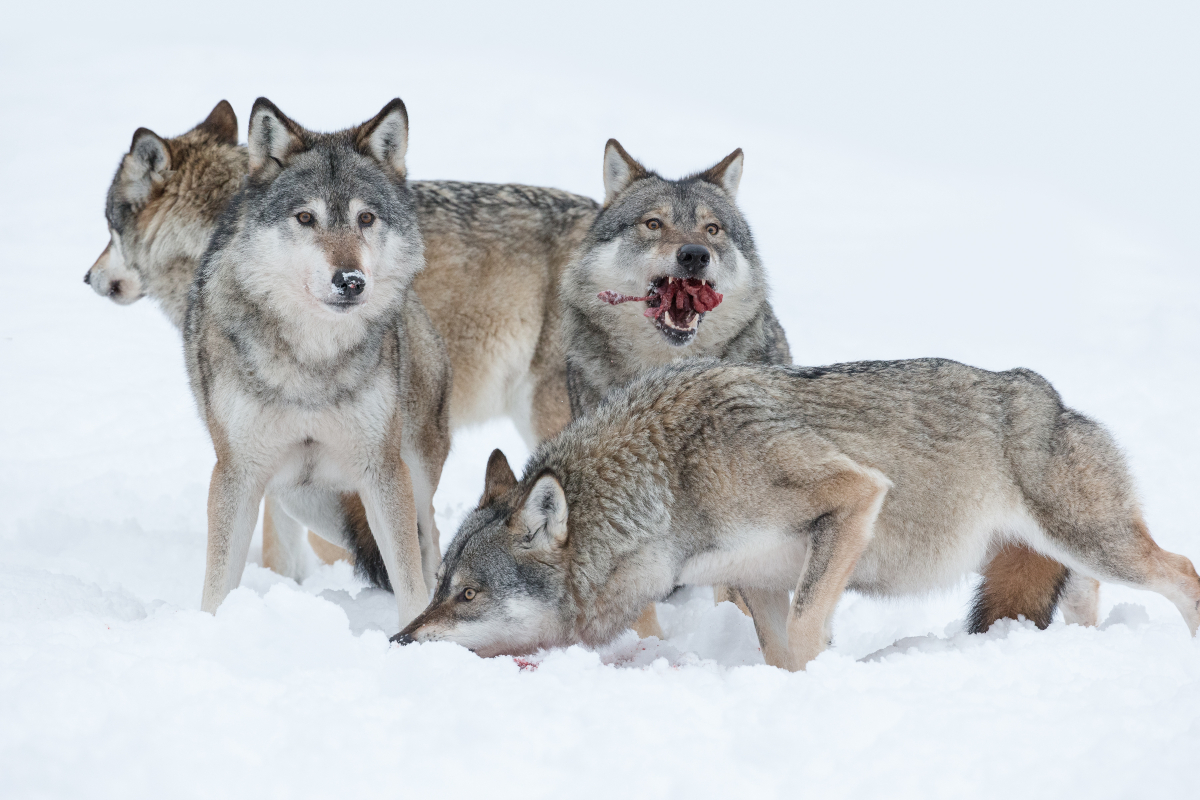
    • In Viking traditions, wolves embodied the untamed forces of nature and the warrior ethos, often appearing in their stories and religious practices
      The role and symbolism of wolves in Viking societies
      Wolves were a revered part of Viking society, renowned for their fierce and noble nature. These predators were seen as part of the delicate balance of nature, which led to their appearance not only on the pages of the sagas but also in the Old Norse religion.
      1 year ago — Culture and religion
    • Hel, the daughter of Loki and the giantess Angrboða, governs the underworld in Norse mythology, ruling over the souls of those who did not die in battle.
      Who was Hel, the Norse goddess of the underworld?
      For people in Viking societies, the Norse mythological being Hel was the ruler of the dead, a figure of quiet reverence and ultimate respect. She played a vital role in their understanding of the afterlife and the natural cycle of life and death.
      2 years ago — Culture and religion
    • In Norse mythology, mythical beings such as Fenrir and Jörmungandr embody profound symbolism that mirrors the cosmic interplay of chaos and divine order.
      Exploring some of the most well-known creatures in Norse mythology
      Littered throughout the rich tapestry of Norse legends, myths, sagas, and stories is a menagerie of mystical and magical creatures. Here, we delve into some of the most famous.
      2 years ago — Culture and religion
    • In Norse mythology, Surtr, the fire giant, is depicted as a towering and fearsome figure, wielding a blazing sword and symbolizing destruction and chaos as the guardian of Muspelheim.
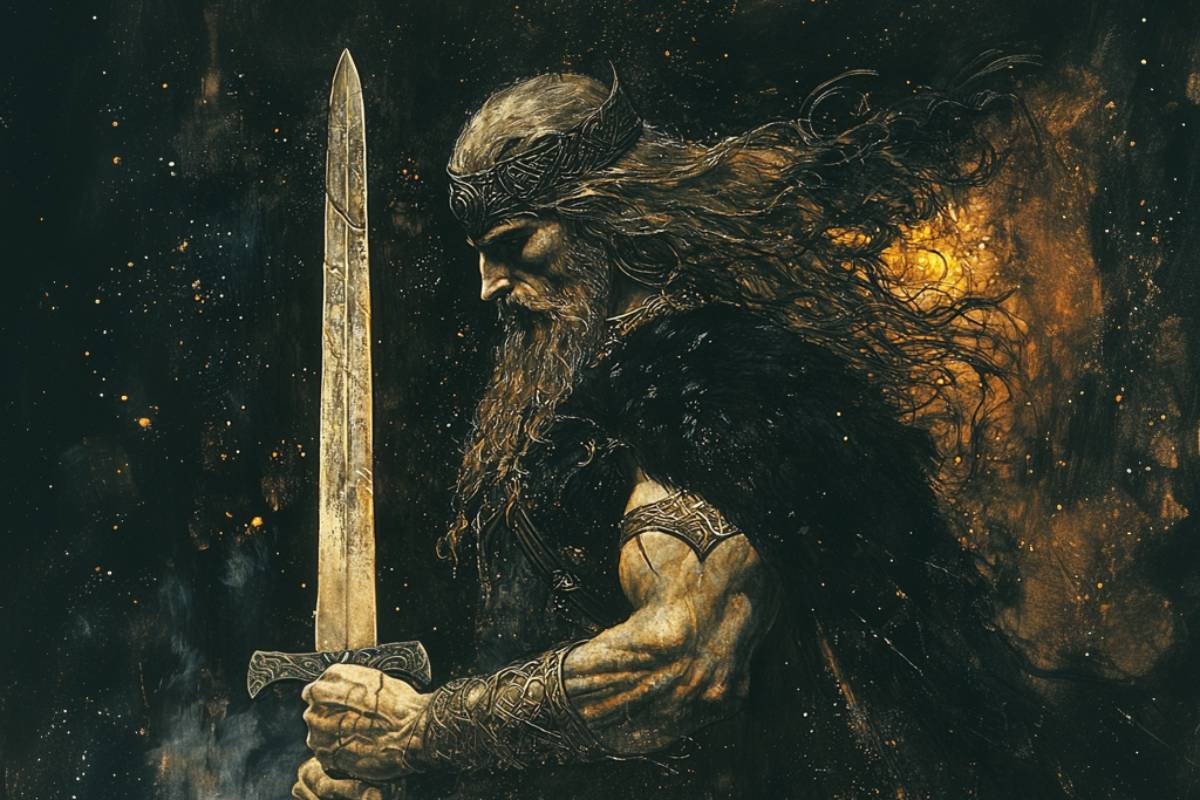
      Surtr: The fiery giant of Norse mythology and his role in Ragnarök
      People from Viking societies foretold the apocalyptic destruction of the world that is as memorable as it is horrific: Ragnarök. What does a sword-wielding fire giant have to do with this armageddon of annihilation?
      2 years ago — Culture and religion
    • While Tyr is often associated with war and valor, his primary role in Norse mythology is that of ensuring societal harmony, settling disputes among gods and mortals alike.
      The legacy of Tyr: The Norse god of war and justice
      Aside from being the origin of no one's favorite day of the week, Tuesday, the Norse God Tyr is one of those Norse gods that the public should know more about.
      2 years ago — Culture and religion
    SEE ALL STORIES
    As an Amazon Associate, we earn from qualifying purchases. While we may earn commissions when you click on our links and make purchases, this does not affect our evaluations and reviews. We strive to be fair and unbiased in order to assist you in making the best decision.

    We get to provide readers with original coverage thanks to our loyal supporters. Do you enjoy our work? You can become a PATRON here or via our Patreon page. You'll get access to exclusive content and early access.
    • News
    • Discoveries
    • Everyday
    • Research
    • History
    • End of the Viking Age
    • Expansion
    • Viking Age
    • Culture&religion
    • Burial sites
    • Christianity
    • Language and literature
    • Life
    • Old Norse religion
    • Ships
    • Legacy
    • Common misconceptions
    • Medieval perceptions
    • Modern politics
    • Modern popular culture
    • Post-medieval perceptions
    • Warfare
    • Viking warfare
    • Trade
    • Viking trade
    • Scandinavia
    • Countries
    • History
    • Languages
    • Partner content
    About us Advertising Terms of use Contact Write for us
    © The Viking Herald. All rights reserved.
  • News
    Discoveries Everyday Research
  • History
    End of the Viking Age Expansion Viking Age
  • Culture&religion
    Burial sites Christianity Language and literature Life Old Norse religion Ships
  • Legacy
    Common misconceptions Medieval perceptions Modern politics Modern popular culture Post-medieval perceptions
  • Warfare
    Viking warfare
  • Trade
    Viking trade
  • Scandinavia
    Countries History Languages
  • Reviews
    Books Games
  • Partner content
    Partner content
  • Photo
  • About us Advertising Contact Terms of use Write for us
    © The Viking Herald. All rights reserved.
    The Viking Herald
    The Viking Herald: Reader Survey
    (90 secs, 10 short questions)
    Our team wants to get a better understanding of our audience, so that we can make more informed Editorial and Sales decisions. We really appreciate your help and input!
    Yes
    The Viking Herald
    THE VIKING HERALD NEWSLETTER
    Sign up to get all the latest Viking news
    and offers once a week.
    Congratulations!
    You have successfully subscribed to The Viking Herald's newsletter!