

A compilation of essays may not necessarily be your first choice when you reach for a book on a library shelf or conduct a quick search on Amazon.
For many of us non-academics, essays are something that brings back pubescent horrors from schooldays. The type of thing that, as soon as you graduated from high school, you'd pledge to avoid for the remainder of your life... until you went to college or university.
Yet one must, as Voltaire's Candide quips, "tend to one's garden," and part of this tending is surely reading both for pleasure and for a purpose.
Muslims on the Volga during the Viking Age (available on Amazon here), thankfully, for a collection of essays, combines both pleasure and purpose as a series of famed historians and academics cast their gaze upon the multicultural interactions that took place on the Volga River during the 10th century CE.
Edited by Jonathan Shephard and Luke Treadwell, the book uses the famous travel accounts of Ibn Fadlan, who is surely the most famous travel writer of the Islamic Golden Age.
He is also possibly the first anthropologist and ethnographer – a diplomat from the Abbasid Caliphate who traveled to the Volga Bulgars in 921 as part of a diplomatic and religious mission to help educate these newly converted people about the correct rites, rules, and tenets of Islam.
On this journey deep into the heart of what is now the fringes of Eastern Europe, Fadlan mused on all manner of strange customs, cultures, and peoples, including the Viking Rus, the Turkic Khazars, and the newly Islamized Volga Bulgars.
- READ MORE: What you need to know about the Kievan Rus

The book explores Ibn Fadlan's travel accounts and their impact on understanding Viking, Bulgar, and Islamic interactions. Illustration: The Viking Herald
In-depth analysis of a myriad of cultures, peoples and religions
So then, what can we expect when we open this compilation of academic essays?
Well, the book delves into the narrative of Fadlan's account and examines the cultural, economic, religious, and political backgrounds of one of the medieval era's most famous travel expeditions.
As one would expect from a historical compilation, a range of topics are covered.
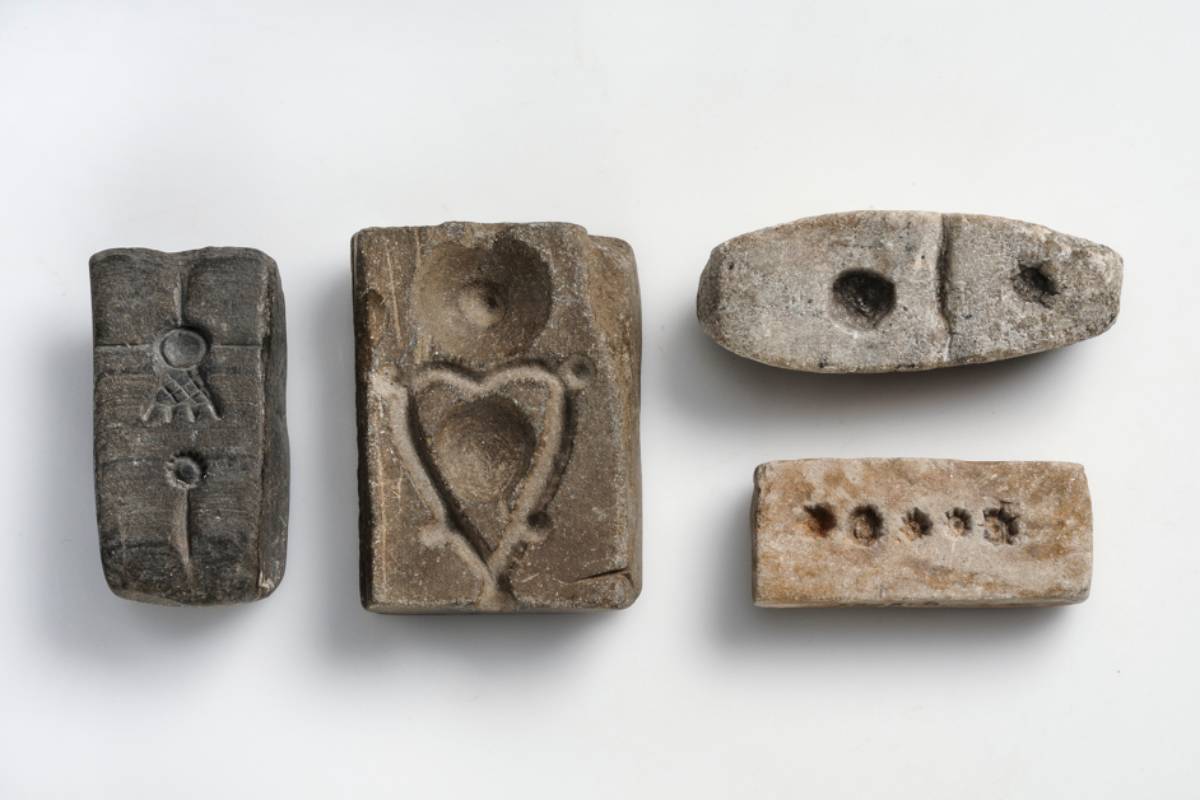
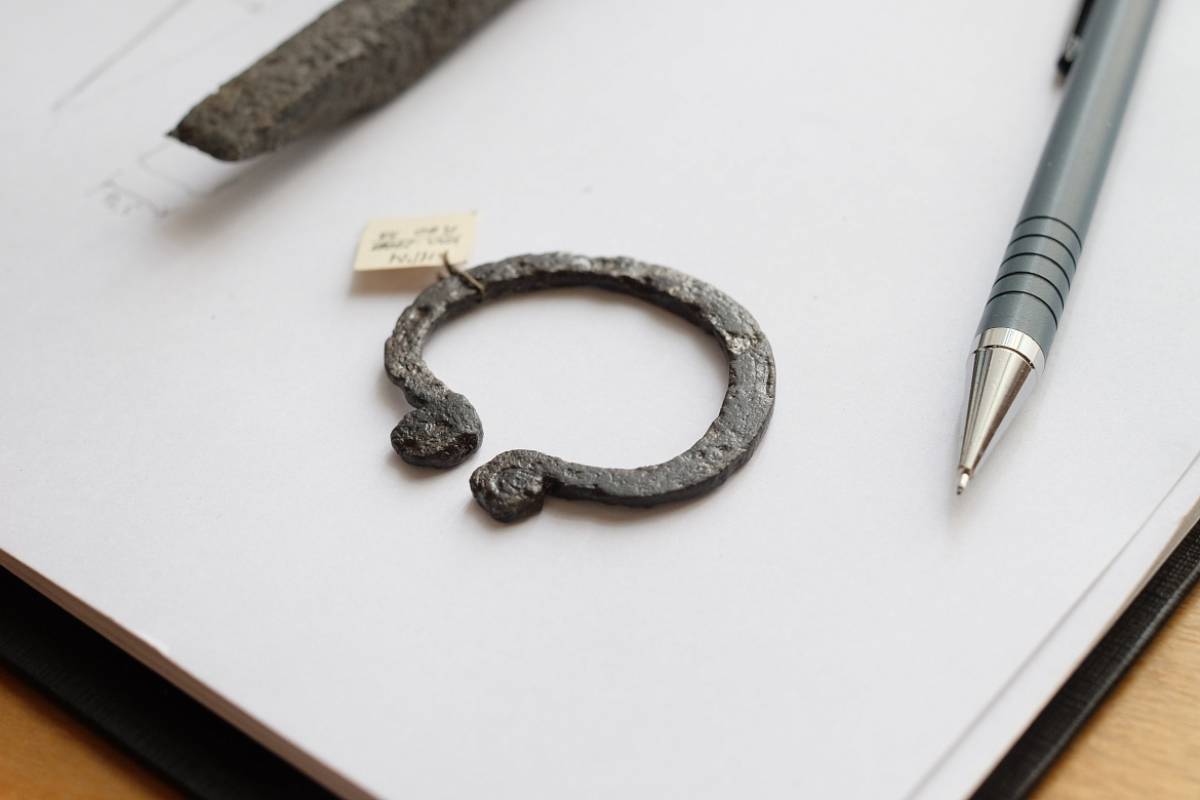
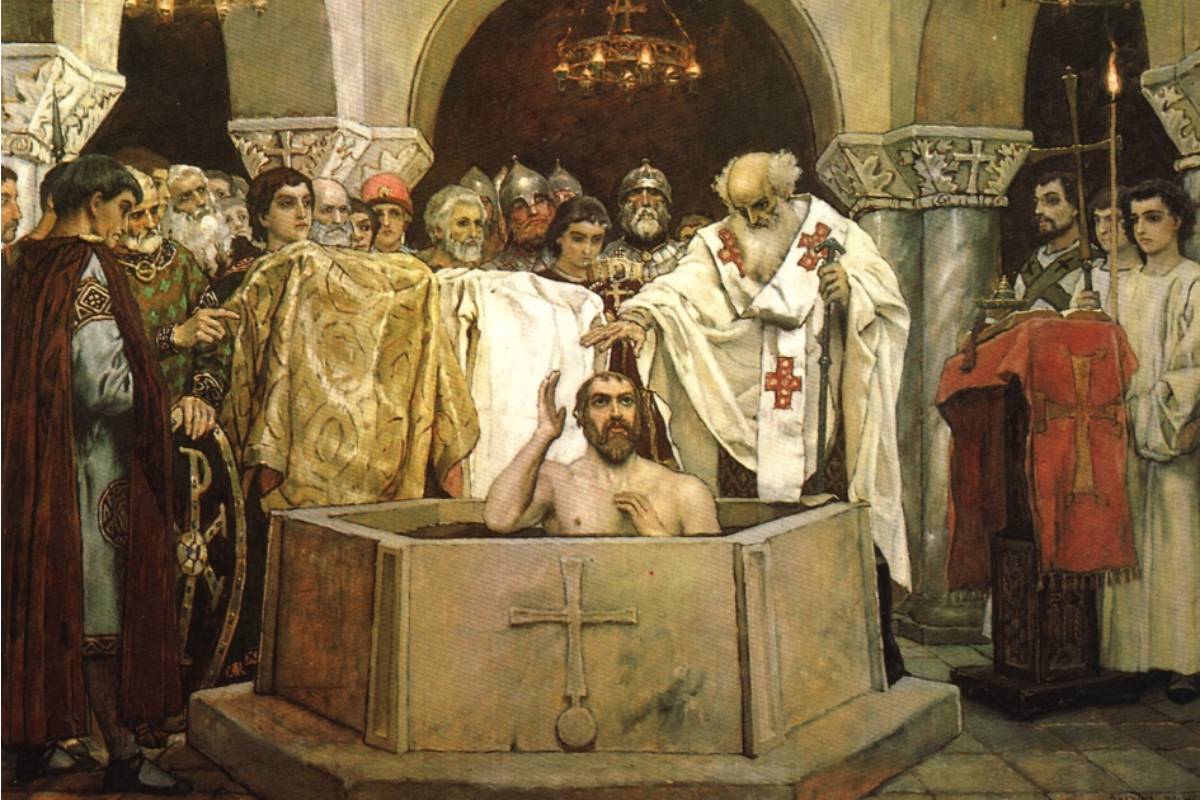
These include the spread of Islam throughout this region of the Eurasian steppes, trade networks that utilized the river Volga as a maritime highway, and connections between great economies southward (such as the Byzantine Empire and the Islamic world) with the rich resources (including slaves) of the region.
The coinage and forgery of traders and merchants, as well as whether Fadlan's mission was a success or a failure, are also discussed and analyzed.
Much attention is given to Fadlan's ethnographic accounts, particularly the Rus' funerary rites and other cultural habits, by none other than Neil Price, a famed historian and academic whose work we are huge fans of here at The Viking Herald.
Aside from the famed historians, a new range of both established and emerging authors add their voices, analysis, and talent to this book.
All emphasize this region as a borderland, betwixt and between Europe and Asia, Islam, Christianity, and paganism, between "barbarity" and "civilization."
This multidisciplinary approach allows a nuanced and in-depth view of the cultures, civilizations, peoples, and players that were present when Ibn Fadlan and his crew journeyed to the Volga River region.
Whilst this may not be everyone's cup of tea, this is an academic book, but it could have been much drier.
It should be worth a read to understand that people of different cultures, creeds, and religions have pragmatically lived and worked together, often putting ideologies and prejudice aside. Not a bad lesson for today's world.
Ibn Fadlan, I think, would be amazed that his accounts are still being studied more than a millennium later and that these accounts are instrumental in our understanding of the Rus Vikings.
Muslims on the Volga in the Viking Age: In the Footsteps of Ibn Fadlan, edited by Jonathan Shephard and Luke Treadwell, is available for purchase on Amazon here.
We get to provide readers with original coverage thanks to our loyal supporters. Do you enjoy our work? You can become a PATRON here or via our Patreon page. You'll get access to exclusive content and early access.
Feel free to reach out to discuss potential stories that may be in the public interest. You can reach us via email at [email protected] with the understanding that the information you provide might be used in our reporting and stories.