

Part of the perks of this job—other than bringing to life the characters and events of the Viking Age to a truly global audience—is reading.
Yes, for those bibliophiles out there, the dedicated team here at The Viking Herald regularly trawl through dozens of history books a year.
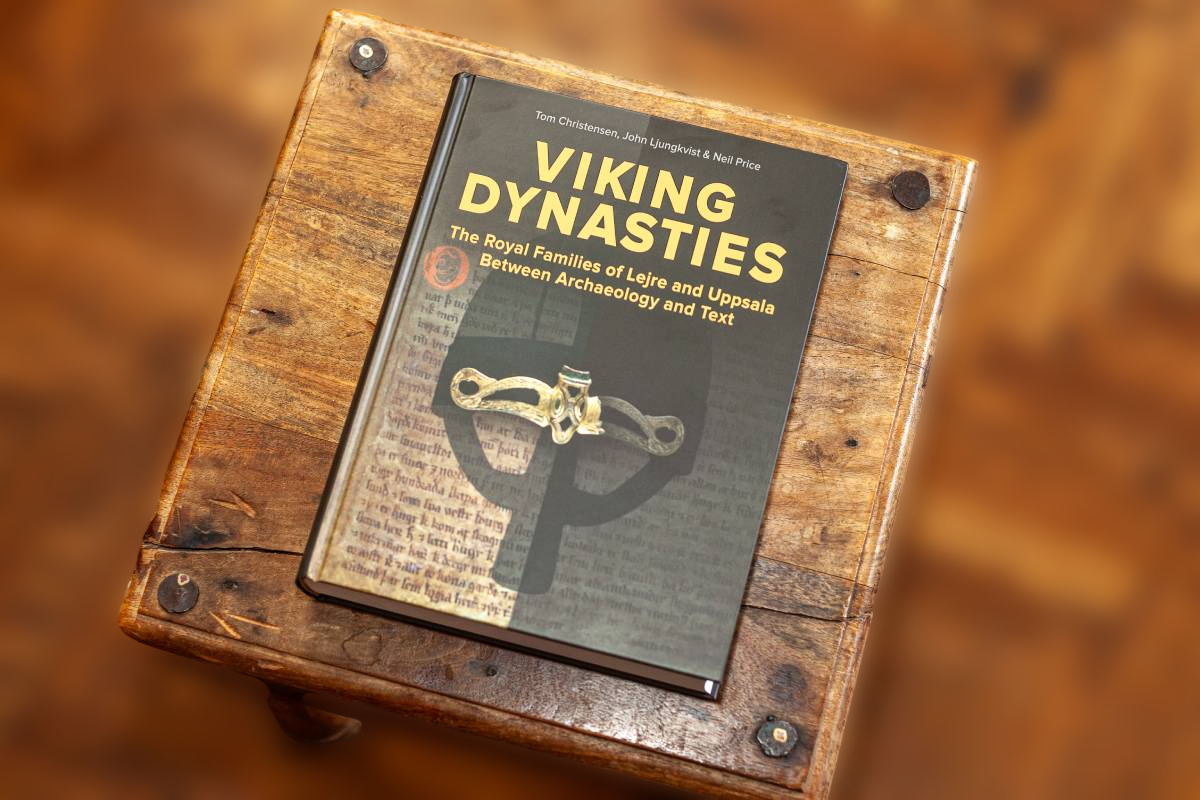
Never has one been more anticipated in our office than Viking Dynasties: The Royal Families of Lejre and Uppsala Between Archaeology and Text (available on Amazon here).
We have done many articles and reviews about the works of Neil Price. More illustrious publications than ours will no doubt be blowing their trumpets loudly when reviewing Price and colleagues' latest book.
However, we believe that this very well could be one of the history books of the year.
This book delves into the intersection between archeology, history, and literature. On the surface, this may well seem like a very niche book—one for armchair experts and the often-dusty shelves of academic offices worldwide.
Yet this is what—in our opinion at The Viking Herald—makes the study of the ancient past so fascinating.
This book is a deep dive—more than six years of research and blood, sweat, and tears—into the history behind the legend, written to be at the very crossroads of historical fact, the archeological record, and the rich tapestry of the Norse sagas, myths, and legends.
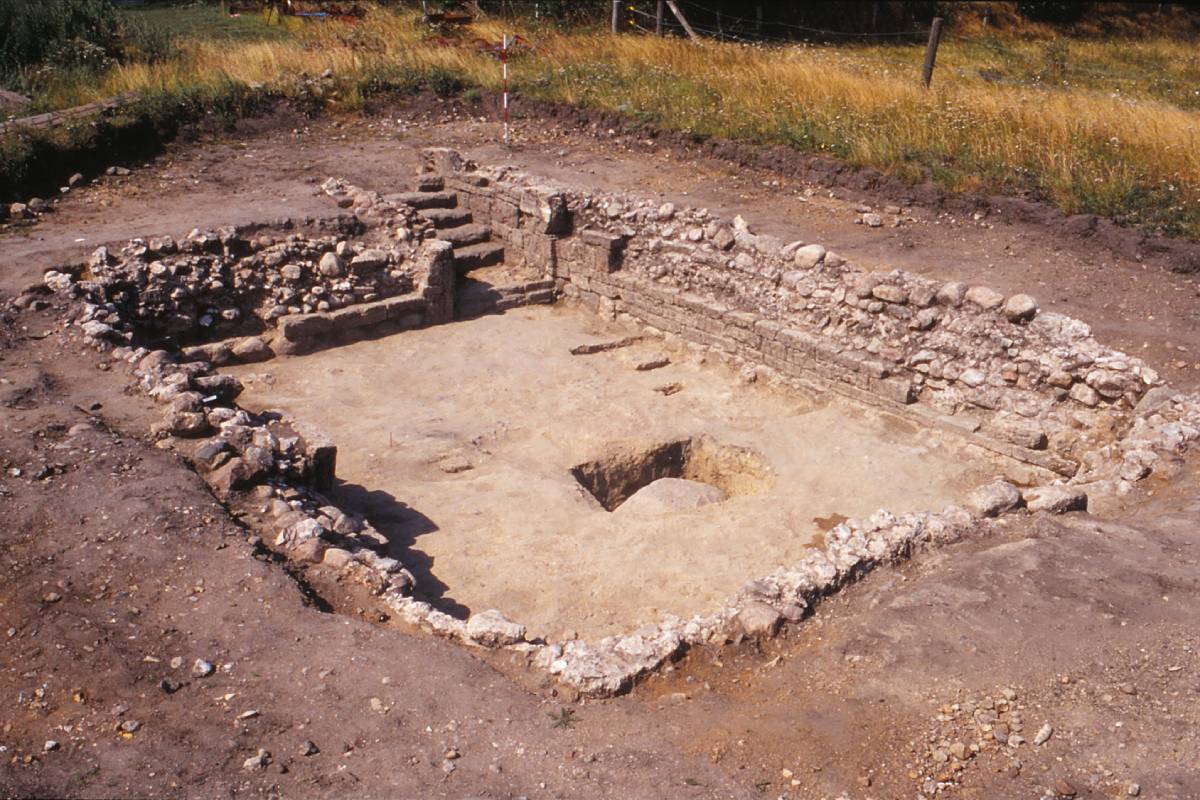
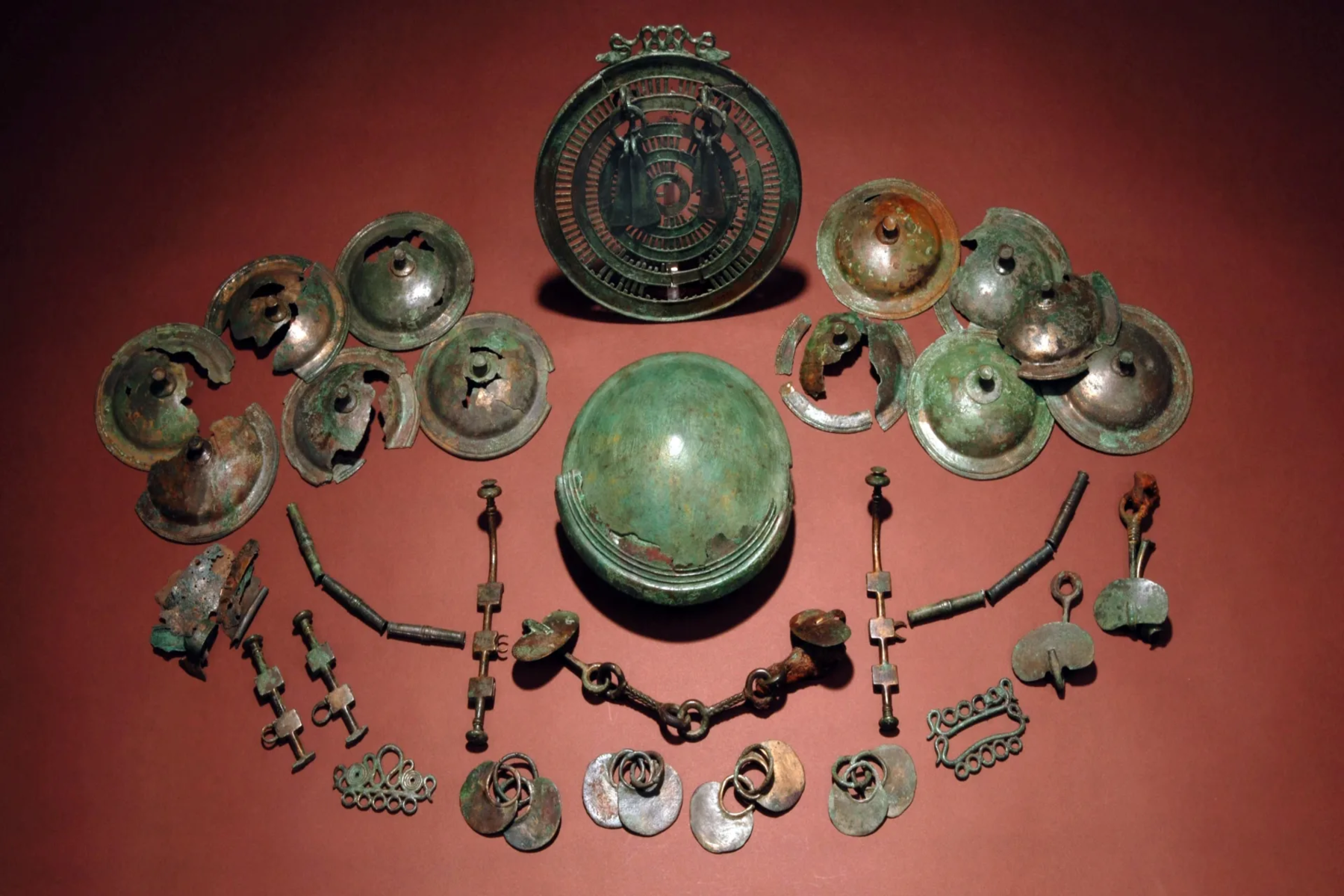
Excavations in Denmark and Sweden reveal new insights into the origins of two royal dynasties once thought to belong only to legend. Photo: © Tom Christensen / ROMU
A tale of two dynasties
At the heart of the book is a tale of two great semi-historical and semi-legendary families, the Scyldings and the Ynglings.
Whilst the former is probably best known as the inspiration for the Scyldings in the great Anglo-Saxon poem Beowulf, the latter may be known to a wider audience thanks to featuring heavily in the works of medieval chroniclers and poets, like Snorri Sturluson and his sagas such as the Heimskringla.
Tradition states that these are the two royal dynasties that the current monarchs of Denmark and Sweden can trace their ancestry back to.
In recent times, however, much of the early history of these monarchies, as made famous in Norse literature, was dismissed by academics as more fiction than fact, more tall tales than truth.
Yet a series of exciting excavations has shattered this approach. The archeological record seems to paint a far more nuanced and detailed picture of the supposed birthplaces of the Danish and Swedish monarchies.
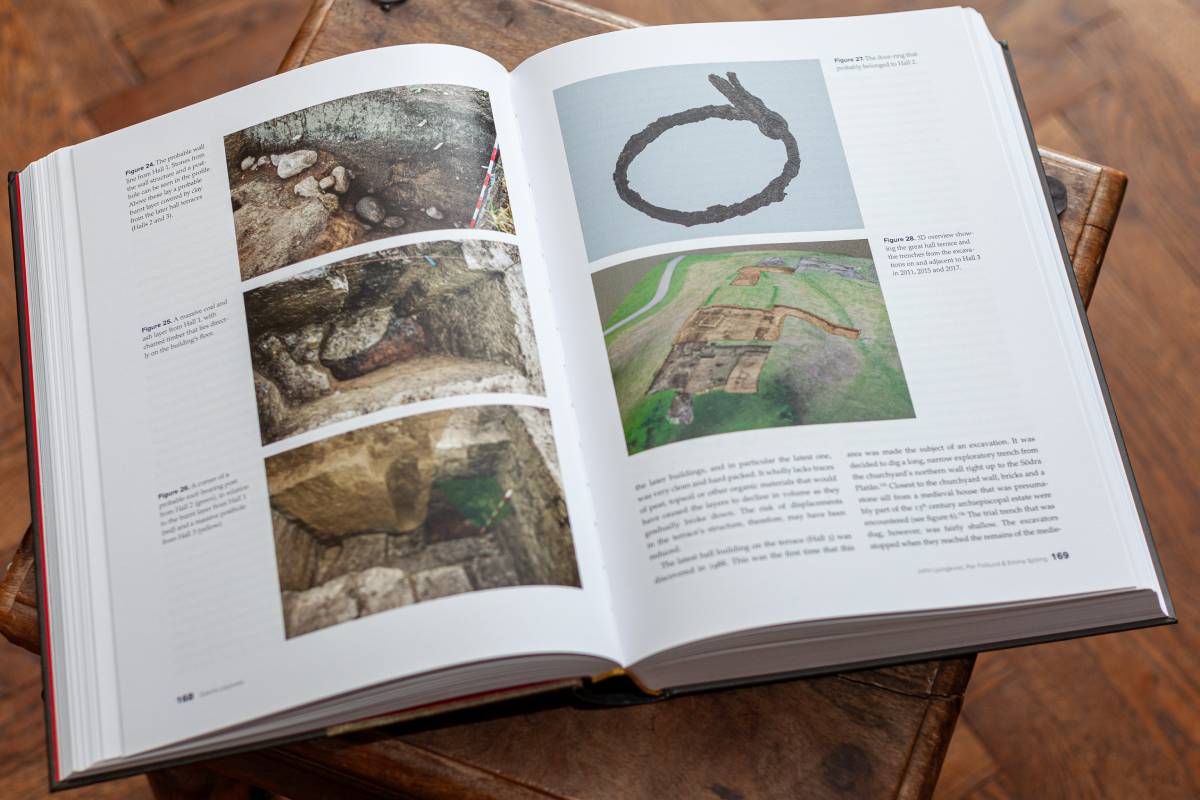
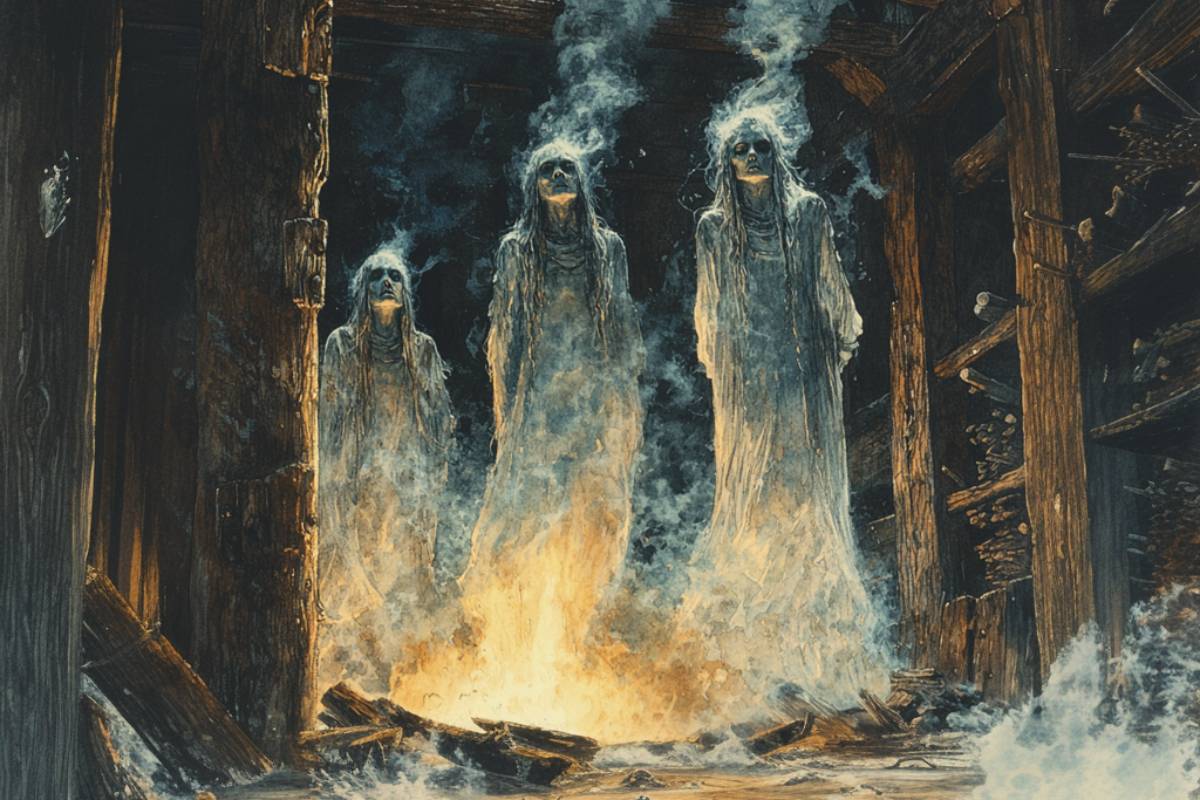
Excavations at Lejre and Gamla Uppsala reveal these sites were once vibrant royal centers, rich in political, economic, and religious significance. Photo: Nikola Sarnavka
A tale of two archeological sites
Starting in the 1980s in Lejre, Denmark, archeologists have unearthed new evidence and archeological proof that this may well have been a former royal center of power, equaling Roskilde or Jelling.
These excavations have revealed large hall complexes dating from the 6th–10th centuries, consistent with descriptions of royal residences in both literary and mythological texts.
Adding to this has been the discovery of animal remains, which historians believe were part of ritualistic sacrifices carried out in a hörgr—a sacred place of cultic importance, in this case, a house.
A wealth of Roman coins and hack silver was also found, suggesting this was not only a center of political power but of economic and religious importance, too.
Whilst Lejre was once, as Tom Christensen writes, lost in that "...mythical twilight that shrouds the Late Iron Age and Viking Age" across the border, the ancient town of Gamla Uppsala has remained a permanent fixture in the Swedish landscape and imagination.
Medieval chroniclers like Adam of Bremen provide detailed accounts of Uppsala's religious importance during the Viking Age.
It was said to be "the site of a widely famous sanctuary or shrine, decorated in gold, where the people worshipped statues of 'Thor,' 'Wodan' and 'Frikko.'"
Whilst Lejre saw the center of power shift to other places, Uppsala has always remained a center of both otherworldly and worldly power.
This was thanks to the temple, a royal estate (including a great hall that burned down in c. 800 CE and as many as 13 farmsteads), and later the cathedral (now a church) and university.
The excavations here have helped unearth something hiding in plain sight, as it were.
They have helped flesh out the story of the ruling court and elite who once lived there during the early medieval period, as well as the prosperous town that served them.
The many burial mounds show that—even after death—this elite enjoyed elaborate and public displays of wealth and pageantry.
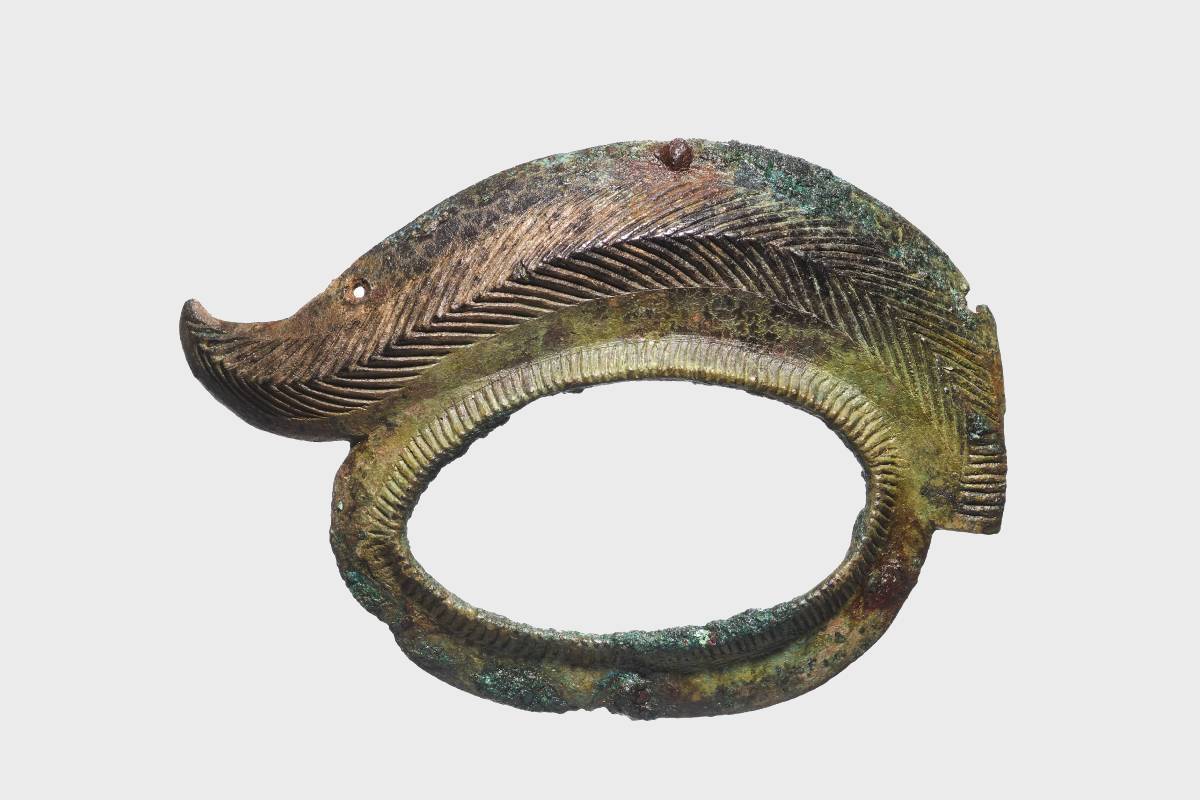
Discovered at Gevninge, Denmark, this helmet fragment likely belonged to a Viking warrior of high status. Photo: © Roberto Fortuna / National Museum of Denmark
Brilliantly binds archeology, history, and literature
As is to be expected from these three brilliant historians and authors, this is a collective effort on a collaborative tome.
Historians, saga scholars, and archeologists are all brought together to explore the origins and developments of Lejre and Gamla Uppsala as royal centers of power and the dynasties that were said to rule there.
Archeology, as you would expect, forms the backbone of this book, and every detail that has been uncovered during excavations, in years modern or past, is highlighted with a cornucopia of maps, illustrations, diagrams, and photographs.
What could have, with lesser authors, been made into rather mundane and overwhelming scientific and technical details is handled here with great skill, and the pictorial aids only add to the sense of being there with the archeologists, trowel in hand.
Whilst the first part of Viking Dynasties deals with facts on (or should that be in) the ground, the second focuses on the history and the literature, and the third binds these two earlier parts together to give broader meaning and context to the archeology and literature, to the history and the excavations.
Lejre and Gamla Uppsala did not exist in a vacuum. Price and his colleagues show how these two royal centers of Viking power had links with—or similarities to—other sites of historical and archeological importance from the same era.
These include Sutton Hoo in Anglo-Saxon England, the cult site at Götavi in Närke, Sweden, Charlemagne's palace in Aachen, and even the jewel of Al-Andalus, Toledo.
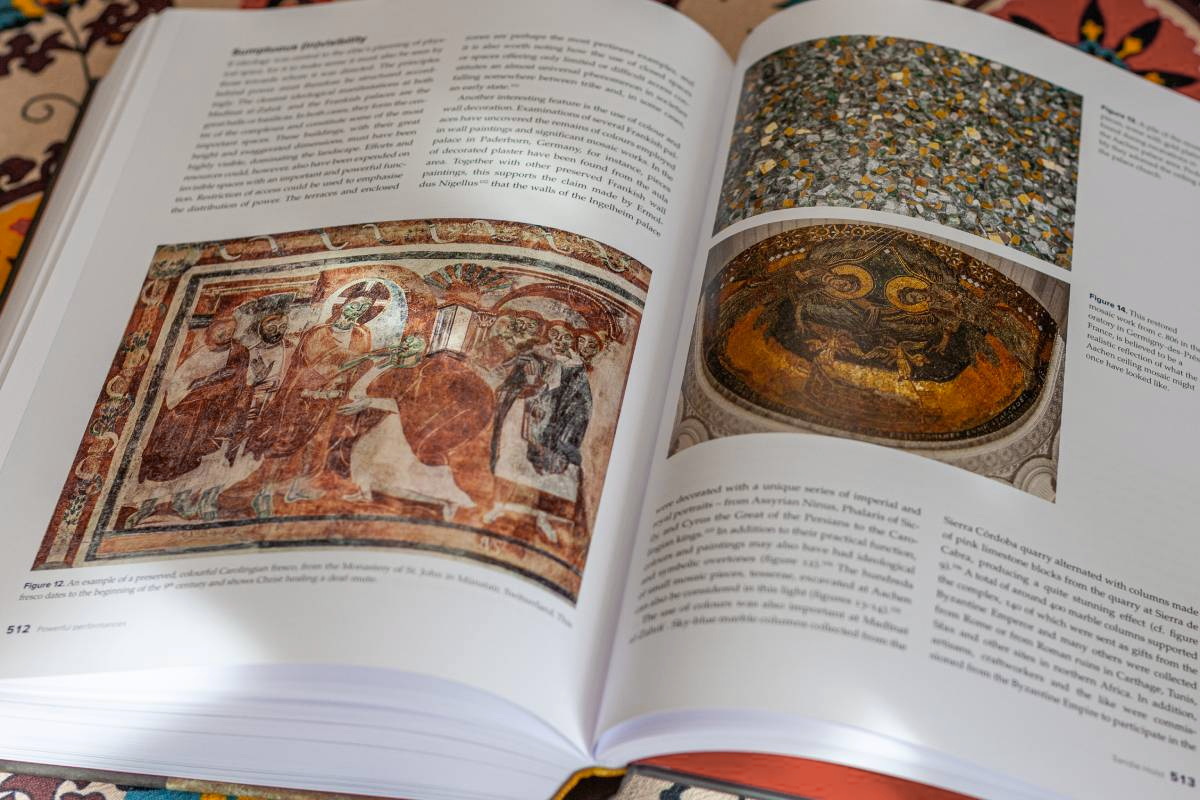
Through careful research and vivid presentation, the book shows how Viking Age history remains a living part of the present. Photo: Nikola Sarnavka
Living and breathing
This multi-disciplinary exploration of the royal sites of Lejre and Gamla Uppsala and the ruling elite that lived there—both in person and in the later imaginations of the medieval mind and beyond—is authoritative, well-researched and beautifully written (and presented).
This is indeed a lengthy tome—probably not one to dash off on a quick bus ride home—but thoroughly engrossing nevertheless.
Despite its rather specialist subject matter, I would expect this book to appeal to a broad swathe of the public, not just those obsessed with the Viking Age (present company included).
The collective skill and hard work of Christensen, Ljungkvist, and Price help to entertain as well as educate and, most importantly, to highlight how history is never truly buried deep but is a living and breathing subject that continues to shape the modern world today.
Viking Dynasties: The Royal Families of Lejre and Uppsala Between Archaeology and Text, is available for purchase on Amazon here.
We get to provide readers with original coverage thanks to our loyal supporters. Do you enjoy our work? You can become a PATRON here or via our Patreon page. You'll get access to exclusive content and early access.
Feel free to reach out to discuss potential stories that may be in the public interest. You can reach us via email at [email protected] with the understanding that the information you provide might be used in our reporting and stories.