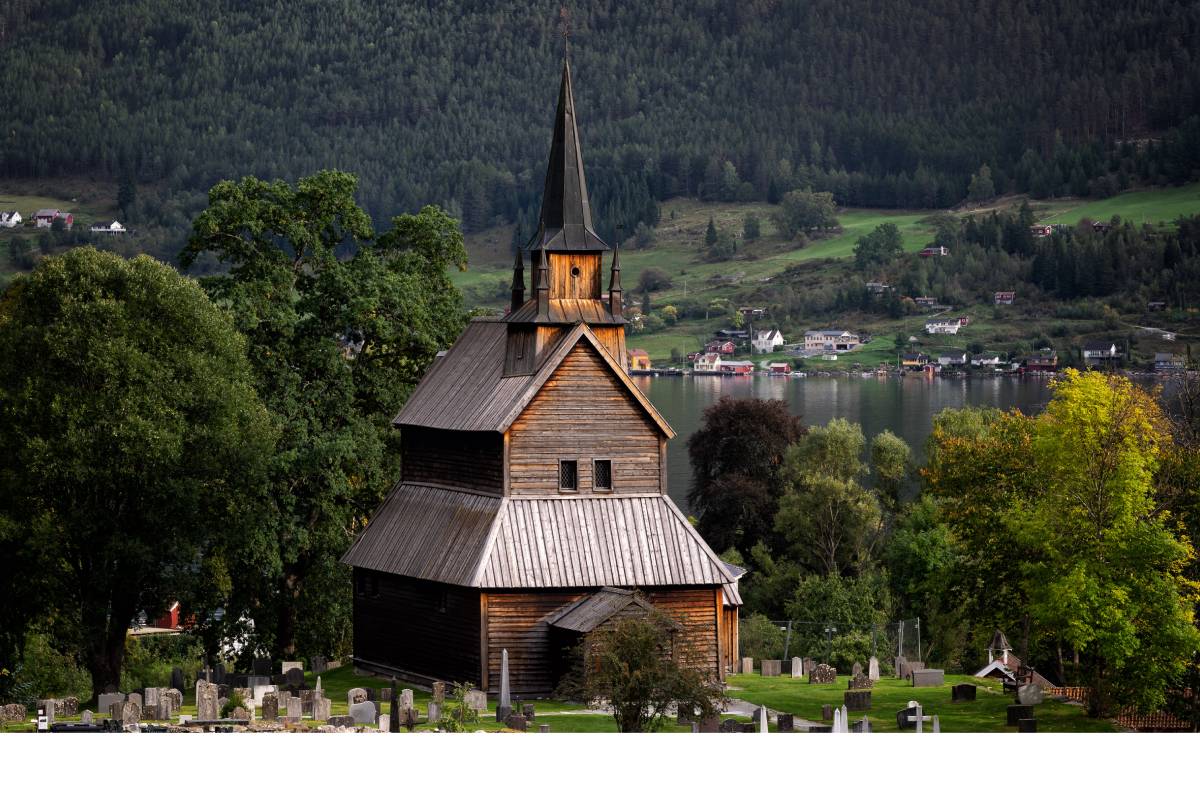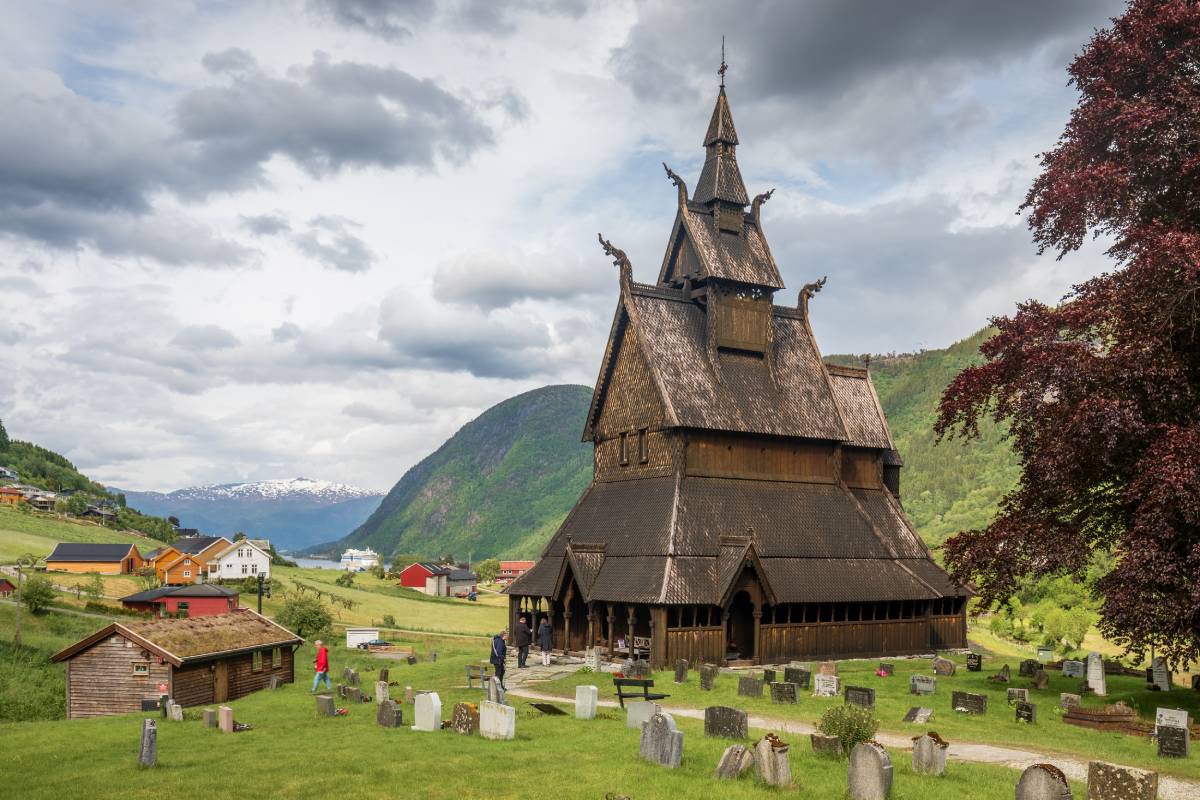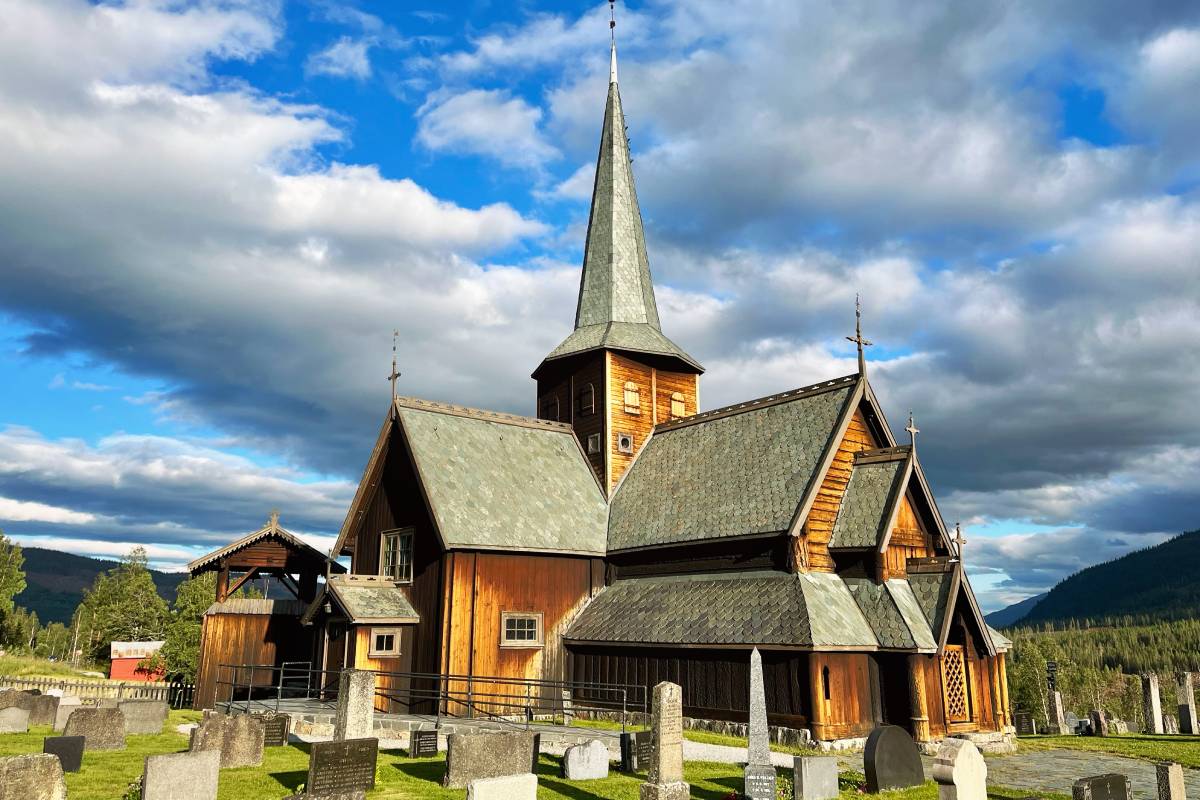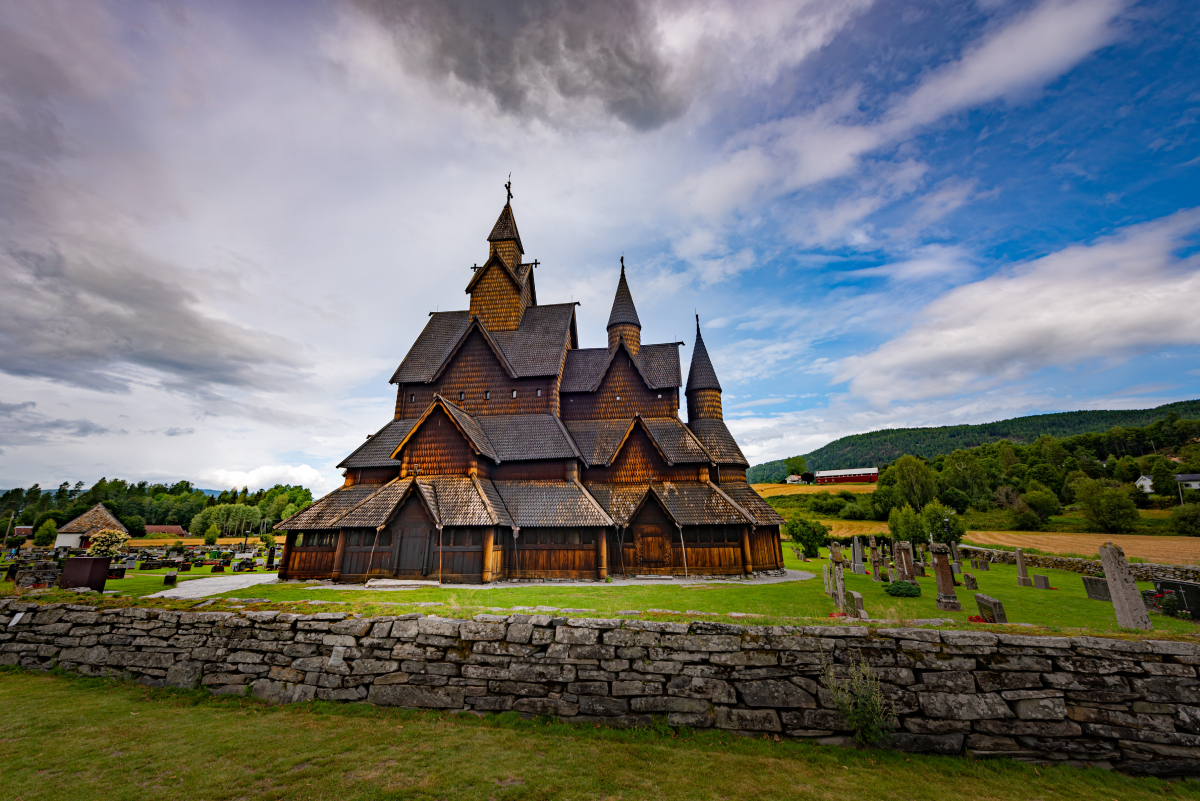


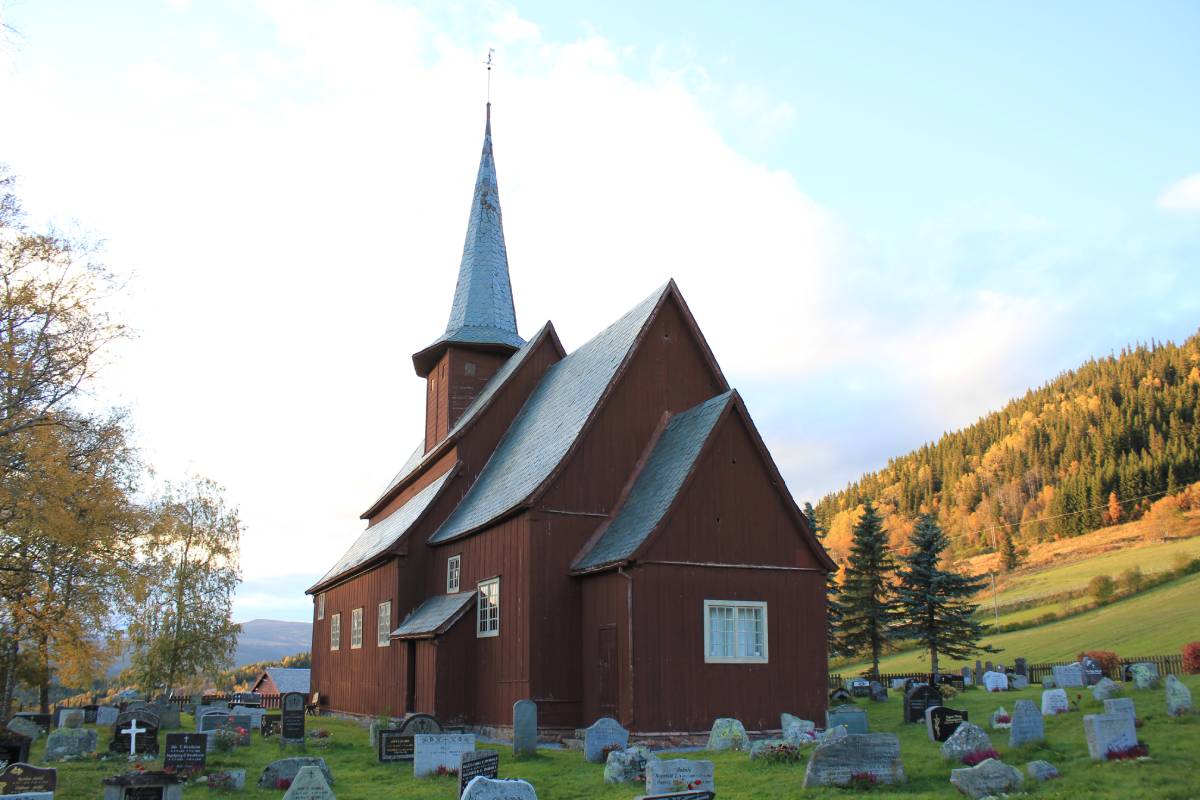
It survived that troublesome era, and many more, and it has served as a symbol of the village itself for centuries.
End of the Vikings, start of a civil war
For those not lucky enough to be born in Norway, the medieval history of the Scandinavian kingdom can be a little obtuse.
Everyone revels in the history of the Viking expansion, where people from what is now Norway (along with Denmark and Sweden, too!) traveled outward, from the mid-8th century CE, to trade, raid, settle, and conquer huge swathes of Europe and its surrounds.
They left a cultural, economic, political, and social impact everywhere from Canada to the Caspian Sea and seemingly everywhere in between.
Traditional history, especially in Anglo-centric countries, normally dates the end of the Viking Age to the demise of the Norwegian king, and would-be claimant to the English throne, Harald Hardrada, on a battlefield in northern England in 1066 CE.
His death was said to be the last time Scandinavian political players invaded the British Isles to interfere and/or subjugate, something they had done for centuries.
By the start of the 12th century, the last Viking ship had sailed, and Norway was now very much a model medieval Christian kingdom.
OK, so what happened next? Well, the division between Norway's Viking Age and its later medieval age came with a century of civil war and strife.
After the death of Sigurd the Crusader in 1130, political machinations and divisions soon led to more than a century of factions and pretenders who fought for Norway's top prize.
According to Bjørn Bandlien's 2021 book Christianity and War in Medieval East Central Europe and Scandinavia, scholars estimate that, during this period, more than two dozen claimants sought the throne until King Hakon the Old killed the last rebel pretender in 1240.
Yet as the man who would end a century of Norwegian civil war was crowned in Nidaros Cathedral in 1217, a world away in Hegge, southeastern Norway, villagers worked on a church.
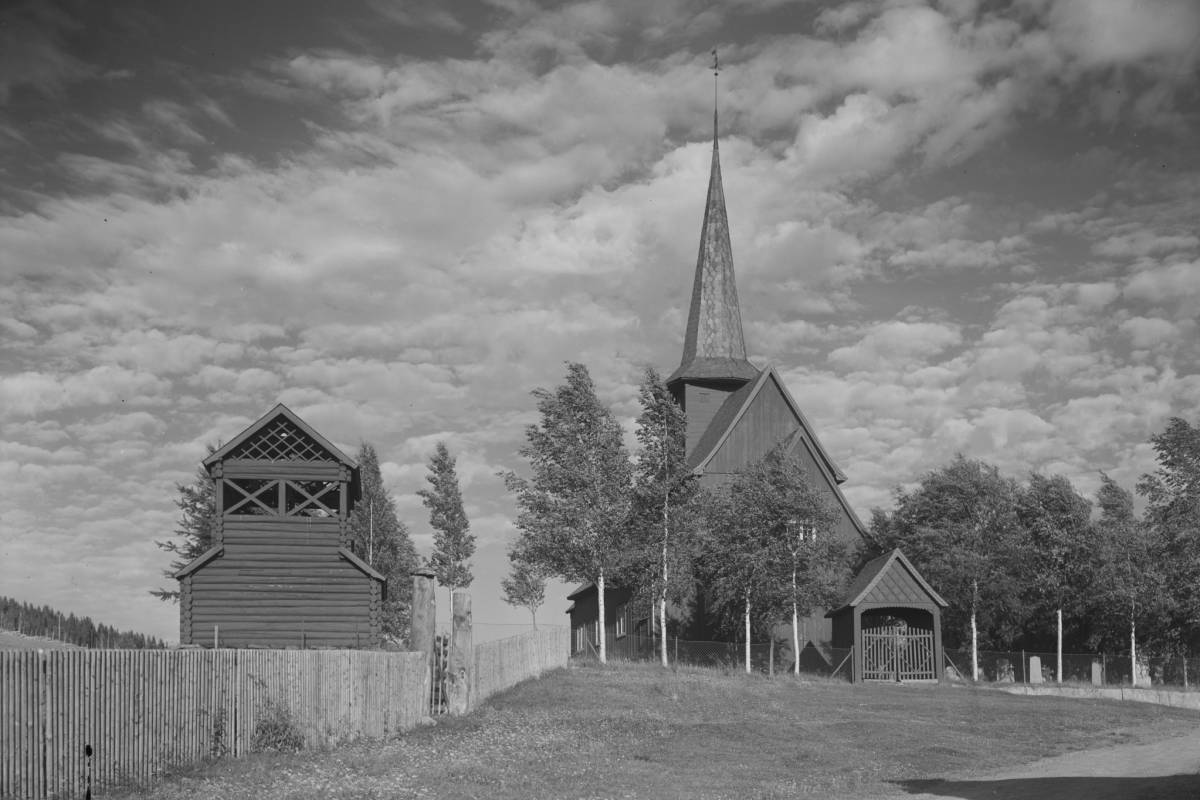
A late-1940s view of Hegge Stave Church, from the National Library of Norway’s photo collection. Source: Public domain
A solid stave church
The Hegge Stave Church, built in the village of Hegge in southeastern Norway, is more than eight centuries old.
However, despite modern scientific and technological advances, the current consensus is that the church dates to around 1215–1220. That date puts it in the latter period of what modern historians call the Norwegian civil war period (1130–1240).
We do not know the villagers' motivations for building this church, other than a desire for a place for communal worship and celebration.
In southeastern Norway, the village sat in a location that allowed access to trade routes that connected western and northern Norway with the town of Oslo and further eastward into Sweden and beyond.
Then, as now, the region saw a lucrative trade in agriculture and timber. Despite decades of civil war, violence, and strife, the population of Hegge was, by the early 13th century, large enough to build a church that housed 150 people.
Staves and inscriptions
Like so many other medieval monuments and buildings throughout Norway, the architect of the Hegge Stave Church is unknown. However, the style is not.
Stave churches were once a familiar sight throughout much of Norway and its surroundings, but only 28 remain today.
Utilizing the materials on hand, the villagers of Hegge used timber to construct this style of church, where wooden posts (staves) are used as load-bearing elements joined together with horizontal planks.
This architectural style was not only aesthetically pleasing but also allowed the church to withstand the brutal natural elements of Norway.
The staves provided great structural stability for the church, which was beset by heavy rain and snowfall and buffeted by intense winds throughout the year.
It was on these planks that one local villager carved a runic inscription stating that "Erling Arnason wrote these runes."
Whether Arnason had something to do with the construction of the church, we do not know. Could he have been the architect in charge or just a mere tradesman? Or was he just a bored parishioner or a mischievous youth?
As Terje Spurkland writes in the 2005 book Norwegian runes and runic inscriptions, regardless of who exactly Mr. Arnason was, the graffiti is a fascinating example of how the runic alphabet was used well into the 13th century in Norway, despite the supremacy of the Latin alphabet by this period.
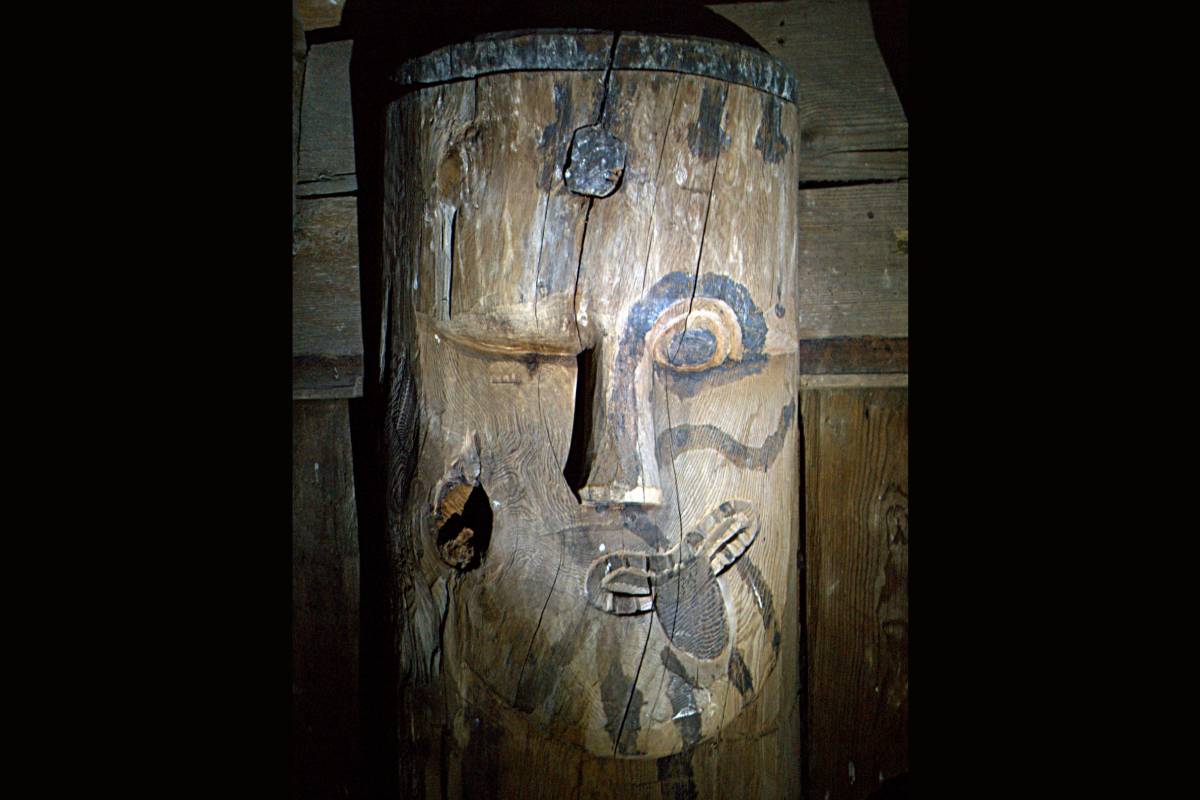
A stylized face carved into a wooden stave stands out among the interior details at Hegge Stave Church. Source: John Erling Blad (CC BY-SA 3.0)
Reformation and restoration
For the next four centuries, the Hegge Stave Church served its community faithfully.
However, following the political and religious fallout from the Protestant Reformation, which helped weaken the Kalmar Union, the church was switched from a Catholic place of worship to a Lutheran one.
During the 17th century, the church was expanded to its current form, with major restoration work taking place. Further restorations took place in the 19th century and into the 20th century.
The latest repairs, to counteract rot, took place a century ago in 1924 and were intended to preserve the church for centuries to come.
The interior of the church, though much changed since its construction in the 13th century, is one of quiet and somber reflection.
In the late 18th century, however, a group of local artists, woodsmiths among them, banded together to create the altarpiece, the focal point of all worship in the church.
The baptismal font, however, is one of the few pieces of the church still intact from the 13th century and has seen countless locals baptized through the centuries.
Worth a pit stop in any journey
Should you be on your way to the city of Hamar, an important regional center in Norway, it would be well worth taking time out of your journey to visit the village of Hegge.
Here you can visit a stave church that has survived not only more than eight centuries of wear and tear but also violent civil war and religious revolution.
One wonders whether the parishioners of Hegge knew that the church they built in the early 13th century would last until the 21st century, but it shows the incredible vision and handiwork of these medieval Norwegians.
For more information on the Hegge Stave Church, check out Visit Norway here.
We get to provide readers with original coverage thanks to our loyal supporters. Do you enjoy our work? You can become a PATRON here or via our Patreon page. You'll get access to exclusive content and early access.
Feel free to reach out to discuss potential stories that may be in the public interest. You can reach us via email at [email protected] with the understanding that the information you provide might be used in our reporting and stories.