

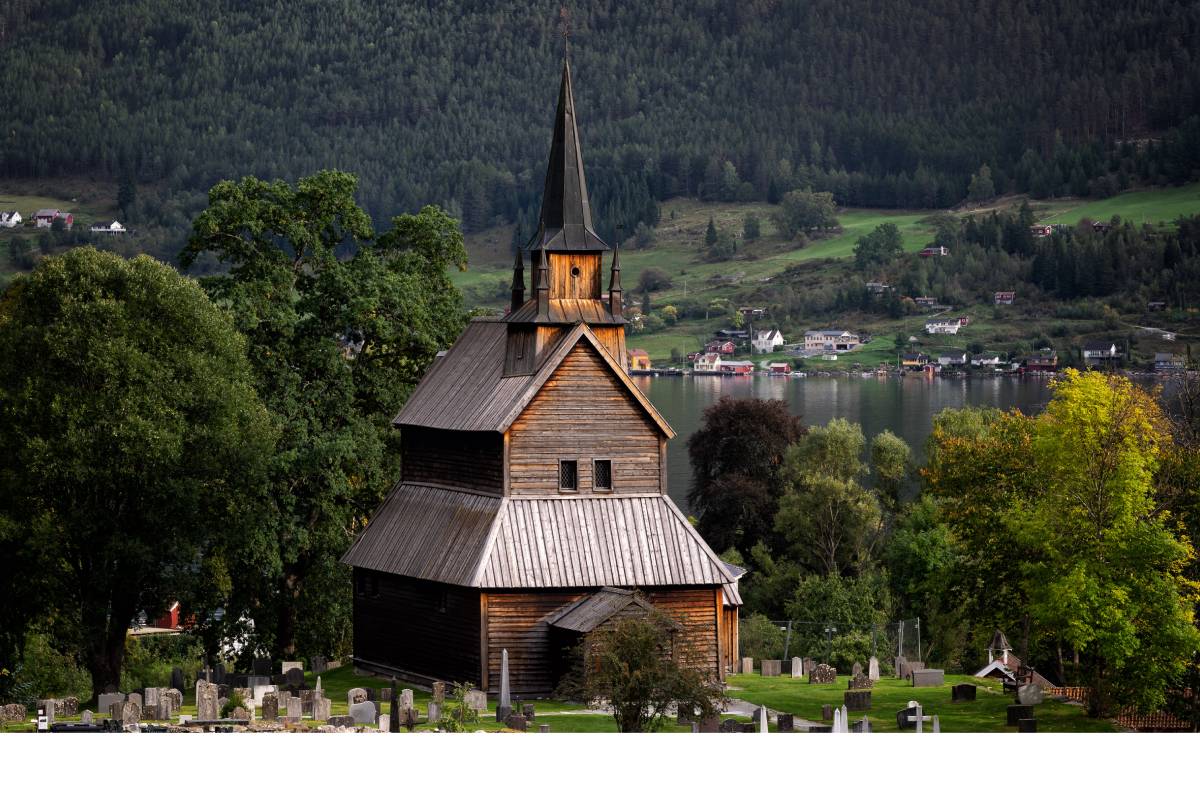
The small town of Kaupanger lies on the northern shore of one of Norway's natural wonders, the Sognefjord.
Here, in this bucolic location nestled deep in Vestland county, on the idyllic west coast of Norway, lies the county's largest stave church.
Though the town and the region rely heavily today on tourism, with buses and boats that ferry sightseers from as far afield as China, New Zealand, the United States, and everywhere in between, the real hidden gem in this town lies not in its natural beauty but in its human endeavor.
Kaupanger originated as a settlement during the Viking Age. The name reflects this history, as Kaupang is an Old Norse term for a trading place or marketplace, and the village name combines kaupa (meaning "to buy") and angr (meaning "fjord" or "inlet").
Despite the town's economic decline since then, it is a bustling place of business, yet it is the tourist buses that bring big business into this town.
Long gone are Viking ships that carried goods and people between this bucolic region of Norway and the wider Viking world, such as the Baltic, the British Isles, and Eastern Europe.
The town's largest tourist drawcard is the Kaupanger Stave Church. The building still stands today, and its medieval origins connect the site to the Viking Age and its aftermath.
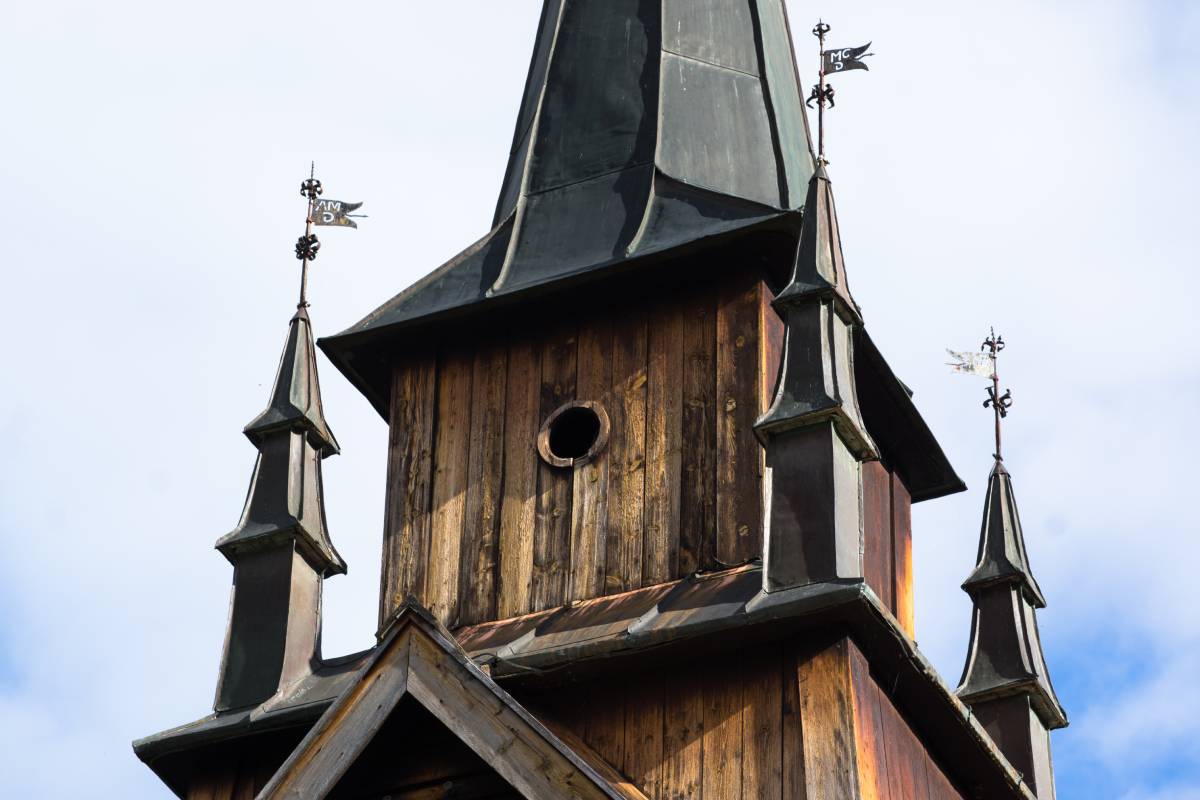
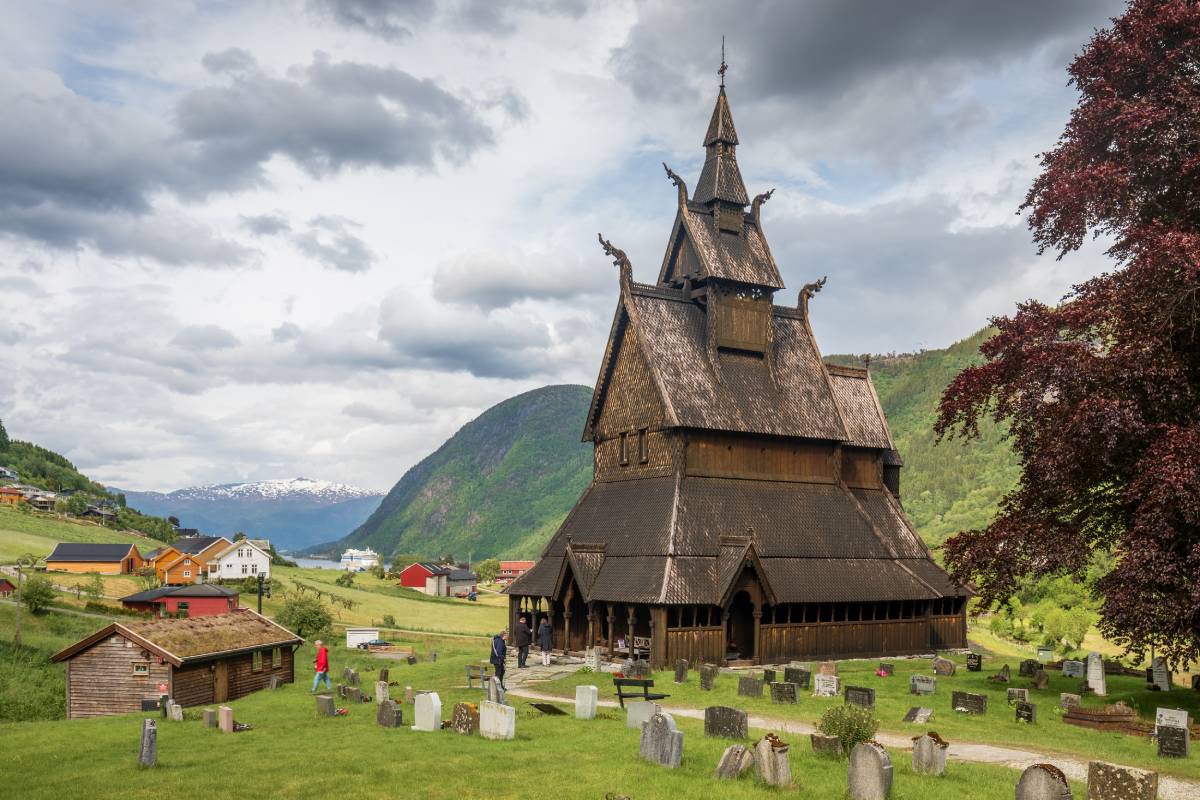
The church that stands at Kaupanger is now often dated to about 1140–1150, and later work expanded and reshaped it over the centuries. Photo: bep (CC BY-SA 3.0)
A tale of three churches
The huge structure that is the Kaupanger Stave Church has a history that may stretch as far back as the mid-11th century, at least as far as the surviving evidence suggests.
The town of Kaupanger developed in the preceding centuries as a trading and market center. Lying close to the Sognefjord, this area of western Norway served as a focal point of power, politics, and trade throughout the early medieval period.
Most accounts describe an earlier church on the site that likely dates to the mid-11th century. Later, archeological work has identified traces of a second church, usually dated to the 12th century.
However, like the first church, it did not last. In the mid-12th century, Norway entered a long period of civil war, with rival claimants and shifting factions competing for the throne. It became a violent, drawn-out struggle.
For a long time, it was easy to link the destruction of the second church to the wider turmoil, and especially to the burning of Kaupanger in 1184, often described as a punitive action by King Sverre Sigurdsson against the local community. Yet the evidence that the church itself burned in that specific event remains uncertain.
Recent dendrochronology points in another direction, since the main timber in the surviving church appears to come from trees felled in 1137.
That suggests the current building took shape around the mid-12th century, perhaps around 1140–1150, and that it may have stood alongside an older church for a time.
In that reading, the second church still burned down, but not necessarily as part of the machinations and shenanigans of the civil war.
Regardless, by the mid-12th century, Kaupanger had a stave church that would survive right into the modern period.
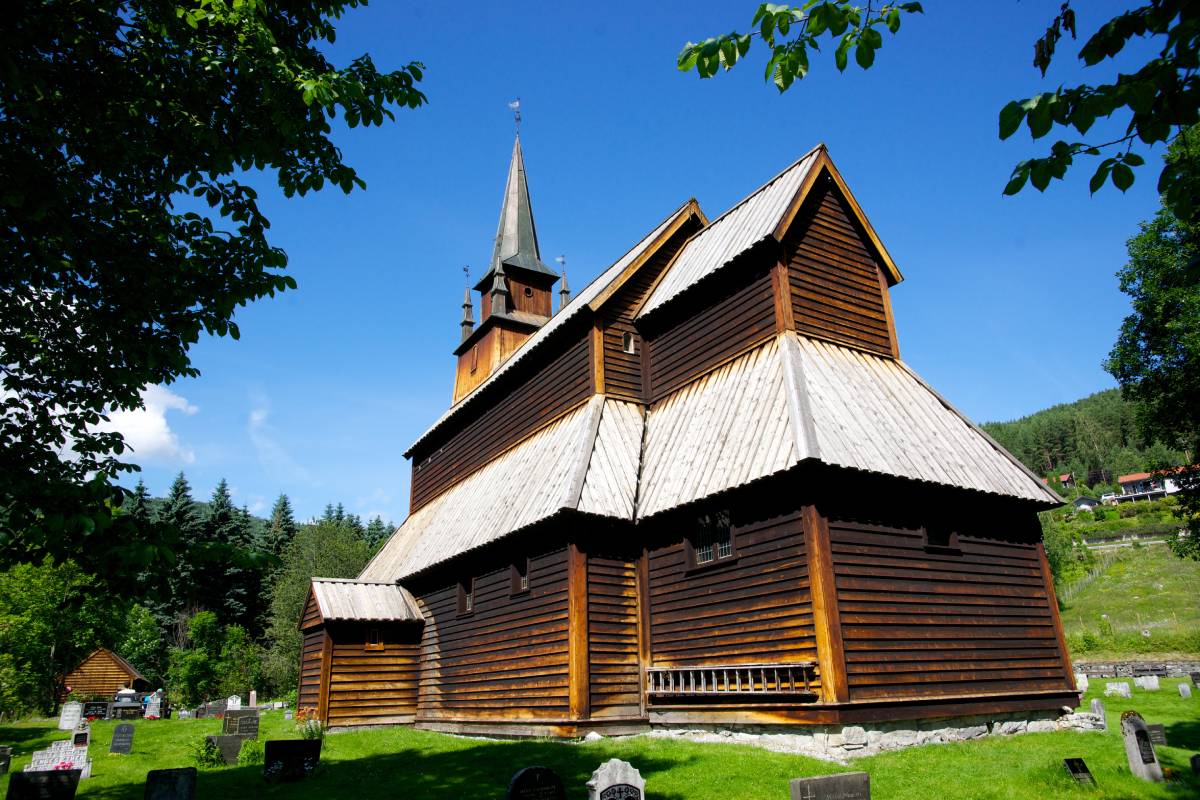
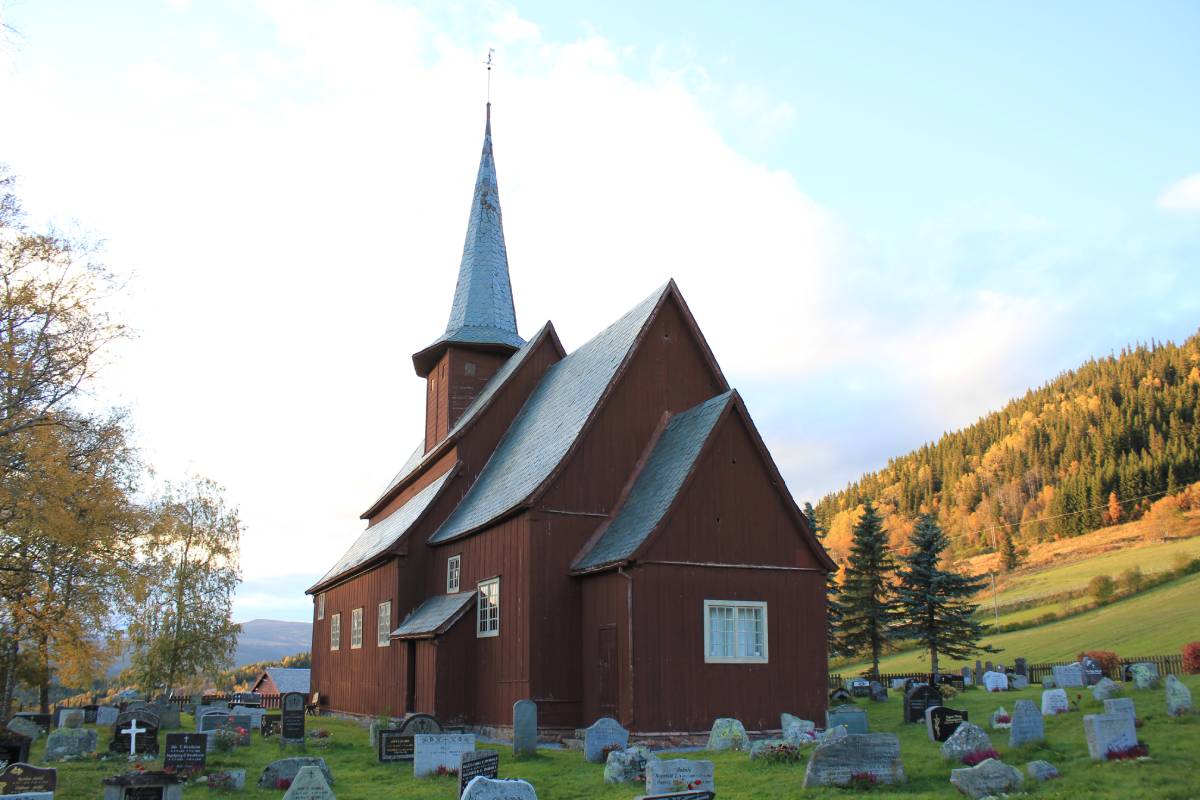
Dendrochronology suggests the main timbers of Kaupanger Stave Church come from trees felled in 1137. Photo: Karen Blaha (CC BY-SA 2.0)
A structure built to last
Having seen two churches destroyed within a century, it appears that the villagers of Kaupanger wanted a sturdier structure.
The church now stands tall thanks to 22 staves, large bearing columns that support this medieval marvel.
Not only is this the largest stave church in Vestland county, but it also has the largest number of staves found in any stave church still standing in Norway.
This speaks to the high quality of medieval architecture and design, since such a structure, built of biodegradable materials, could survive centuries of communal wear and tear.
With the civil war era settling down by the mid-13th century, and the medieval Kingdom of Norway entering a period of peace and stability, the town prospered, and the church was enlarged, specifically the nave, the central part of the church.
More renovations were carried out in the 17th century, as the church was partially enlarged, as Anette Sand-Eriksen writes in her 2021 article in the journal Hungarian Archaeology.
However, shockingly for all fans of medieval Norway and Viking art, a major renovation in the 19th century was said to have destroyed much of its medieval aesthetic and charm.
These brutal renovations were corrected in the mid-20th century, which gave the church back its early modern period aesthetic.
Like many other medieval monuments in Norway, the Kaupanger Stave Church gained protected cultural heritage status in the latter part of the 20th century and now stands among the sites preserved by the National Trust of Norway (Fortidsminneforeningen).
As Maia Marie Langley writes in her 2000 book, Sacred Wood: A Study of the Norwegian Stave Churches, the Trust's work to protect and preserve Norway's cultural heritage aims to undo much of the damage that modernization efforts inflicted on stave churches and other monuments throughout the 19th century.
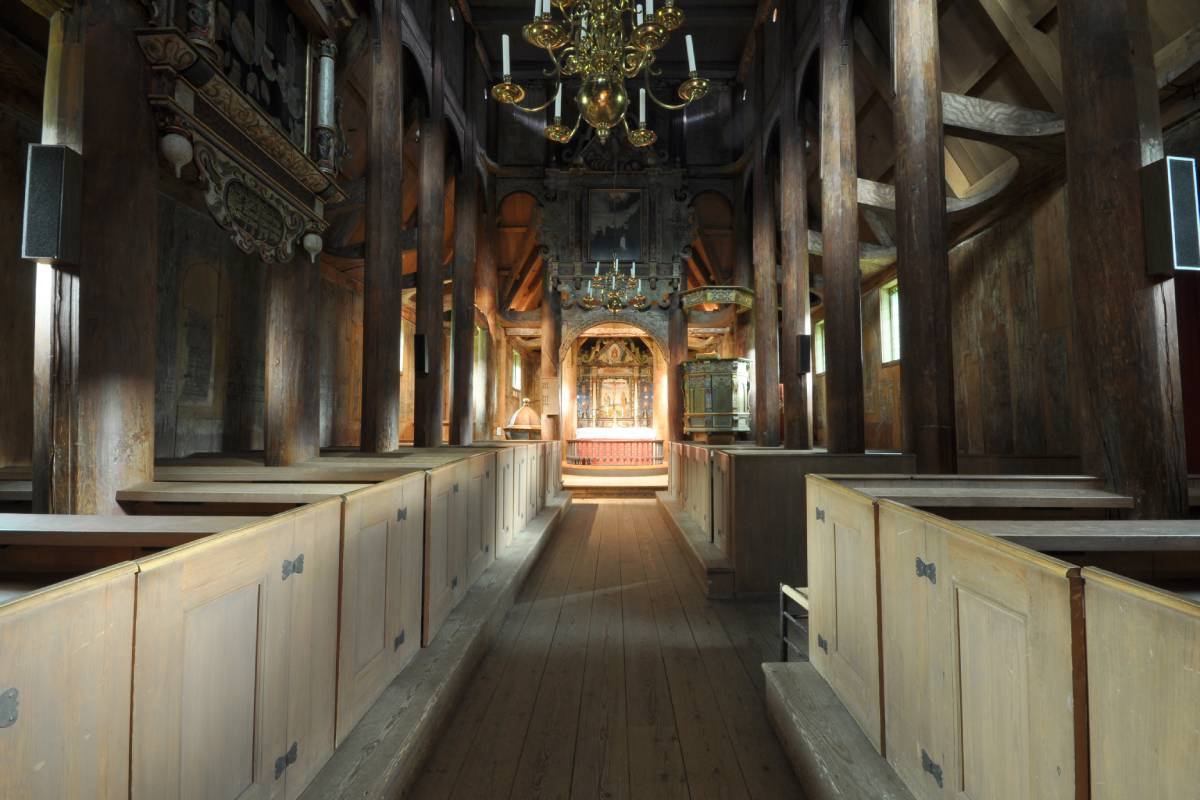
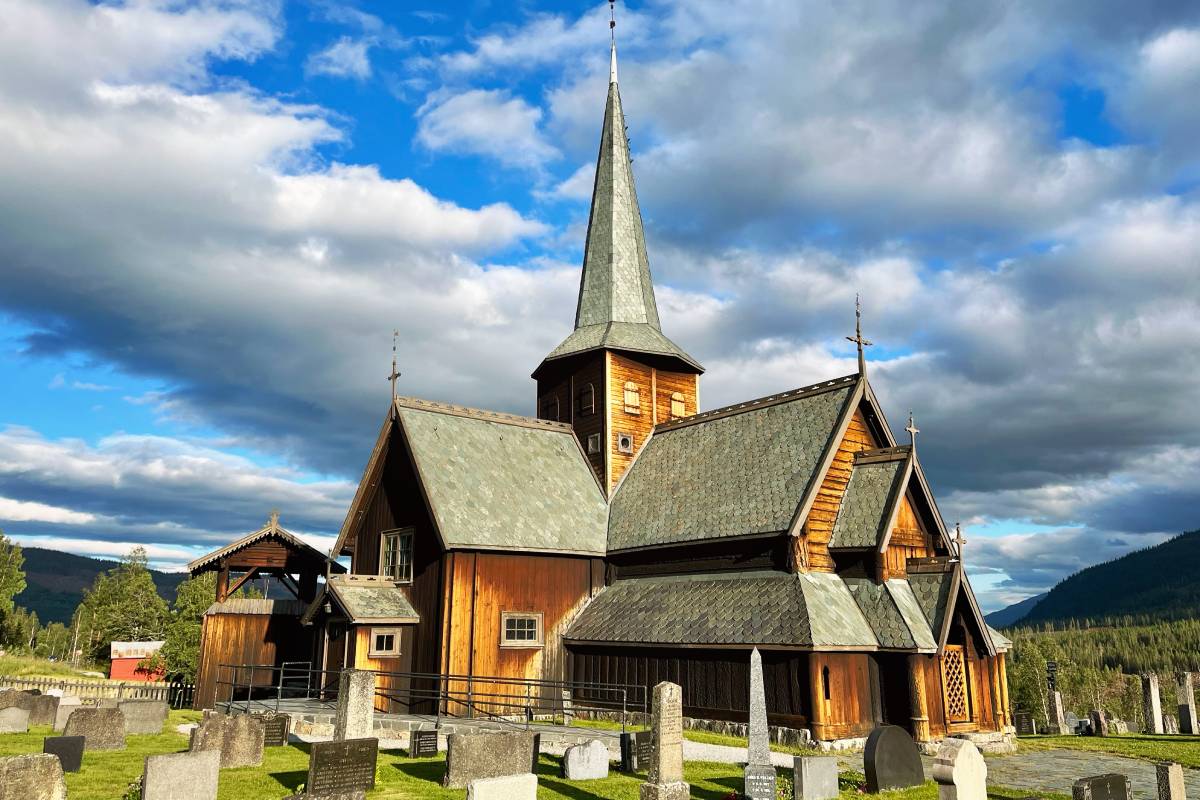
The nave of Kaupanger Stave Church is supported by 22 staves, the largest number recorded in any one surviving Norwegian stave church. Photo: Micha L. Rieser
Viking ships to tourist buses
Thanks to the Trust's great work, the Kaupanger Stave Church is nowadays one of the most popular tourist attractions in the region.
With its medieval structural roots, it is now a blend of artistic styles that include Romanesque and Gothic elements. This blend of styles and elements speaks to the longevity of this church as a bridge to the various ages in Norway's long history.
The church has stood as a centerpiece of the Kaupanger community for nearly nine centuries and has witnessed the bustling early medieval flow of longships, now replaced by the steady stream of tourist buses and boats.
For those who want to combine breathtaking scenery with a deeper understanding of Norway's past, a visit to the Kaupanger Stave Church should be on your bucket list.
For more information on the Kaupanger Stave Church and tourism ideas, please head to the website of Visit Norway.
We get to provide readers with original coverage thanks to our loyal supporters. Do you enjoy our work? You can become a PATRON here or via our Patreon page. You'll get access to exclusive content and early access.
Feel free to reach out to discuss potential stories that may be in the public interest. You can reach us via email at [email protected] with the understanding that the information you provide might be used in our reporting and stories.