

Despite being beset with a saga's worth of issues, from budget blowouts to logistical hiccups, Oslo will soon host a shiny new cultural palace dedicated to its Viking heritage: the Museum of the Viking Age.
Beyond its eye-watering cost, the Museum captures the nation's modern attitudes to its proud Viking history. It will serve as a cultural hub that thrusts the nation's early medieval history into the spotlight alongside its bustling and cosmopolitan cultural scene.
With all the money being spent on this monument to the nation's Viking heritage, you'd be forgiven for thinking that Norwegians have only a celebratory attitude to early medieval Europe's most feared warriors.
Their attitude to their Viking heritage is not just a simple glorification of this often romanticized era of seabound raiders and traders.
These traditional images of the Vikings were, as Marianne Moen writes in her chapter in the book Routledge Handbook of Heritage and Gender, mere "romanticized fictions" aimed at fostering a common "Norwegian collective identity" throughout the era of Norwegian nationalism in the late 19th and early 20th centuries.
Nowadays, Norwegians do not blindly worship at the altar of Leif Erikson or Thor. Instead, they see this period of their history (as well as all others) as complex, one that helped shape the modern nation through exploration, trade, cultural exchange, slavery, and conquest.
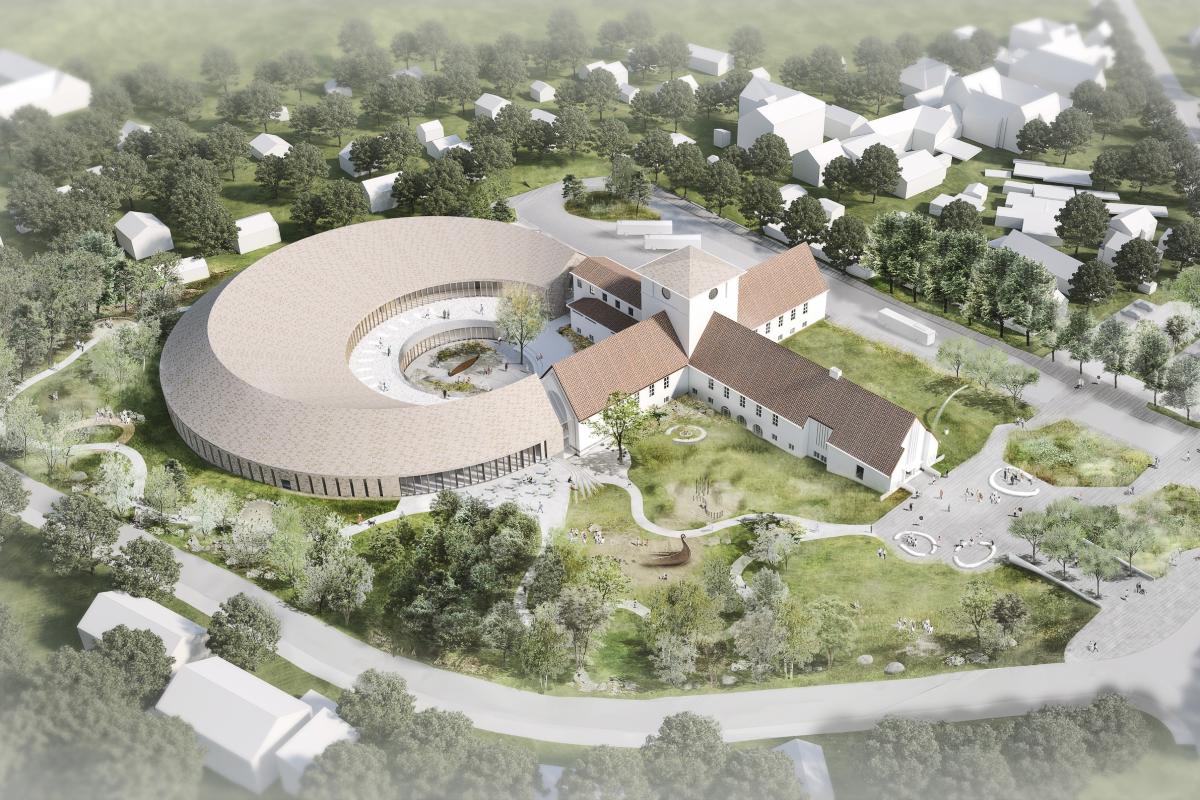
Scheduled to open in 2027, the Museum of the Viking Age in Oslo will feature the world's most extensive collection of Viking artifacts. Illustration: AART architects
From the seas to the store shelves
The most obvious way that modern Norwegians connect with their rich Viking heritage is through their national identity.
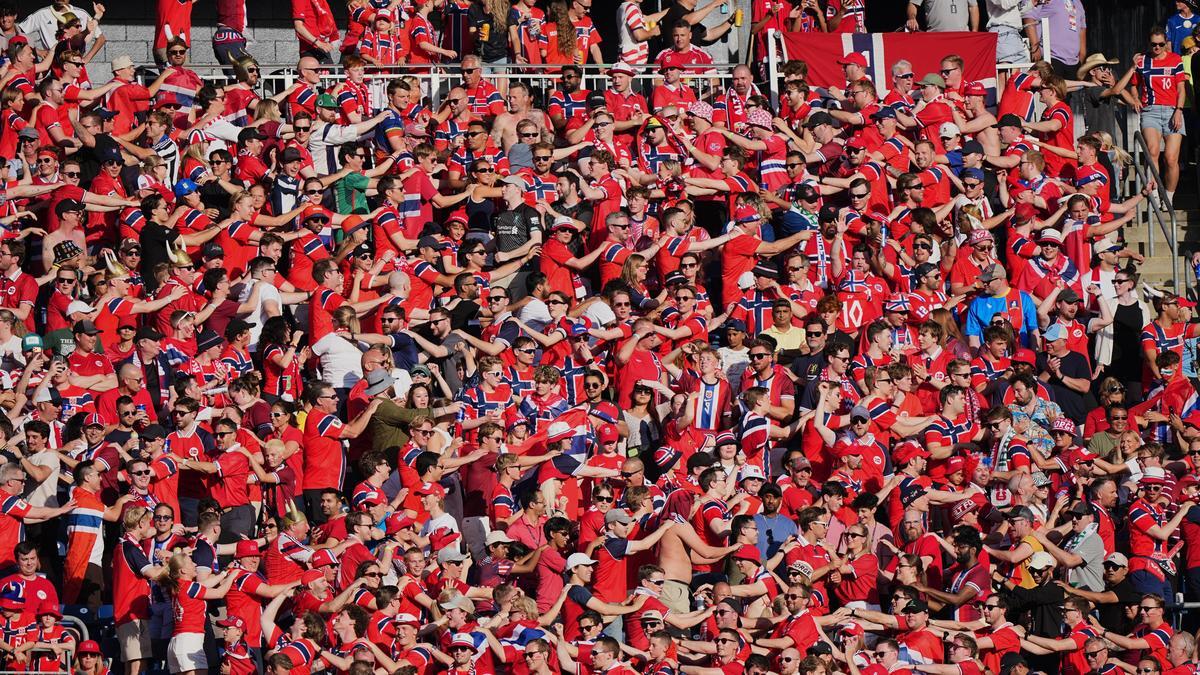
A common Norwegian anecdote (heard often by the author) is full of pride in how a small nation of just over 5 million people owns about a million boats.
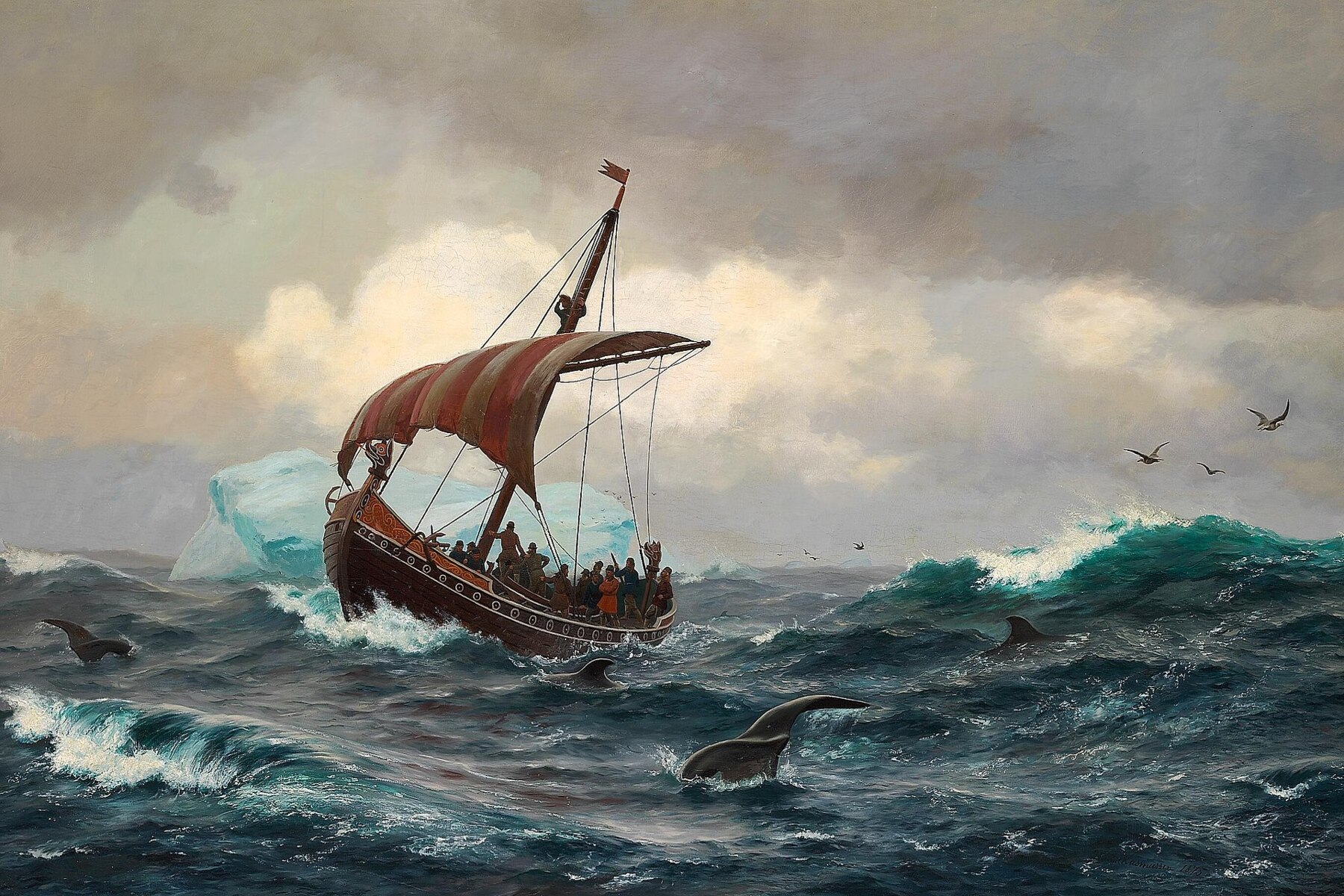
This love of sailing can be traced back to the Viking Age, when a large section of society took to the seas to raid, trade, explore, and settle a large swath of the Northern Hemisphere, from the shores of North America to the Caspian Sea.
This Viking spirit has led to, in more recent times, the development of Norway's merchant fleet. According to Statistics Norway, as of 2024, it contains more than 1,500 vessels, one of the world's largest.
For many Norwegians, the imagery of the Viking Age can be seen every day in the products they consume.
The adoption of Viking imagery and symbolism by companies like Norrøna (a popular clothing brand), Scandinavian Airlines, or even Norsk Hydro (a renewable energy company) allows them to tap into a national story that sells, one associated with adventure, endurance, and exploration.
At the same time, it presents their products within a distinctly Norwegian cultural narrative.
- READ MORE: A Viking history of Norway (Part 1)
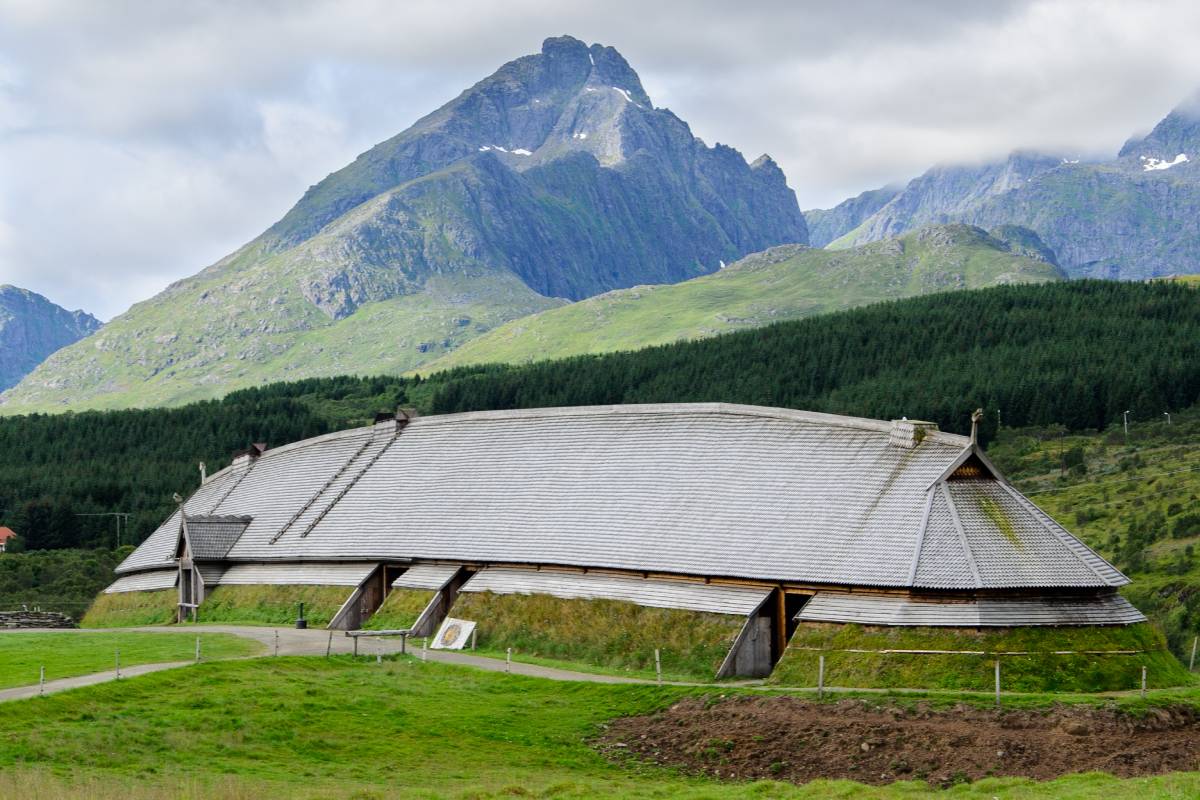
The museum at Borg in Lofoten reconstructs the largest Viking Age longhouse ever found in Norway. Photo: Marek Kania / Shutterstock
Cultural branding and tourism
This legacy is also reflected in how Norway presents itself to the world. In addition to its stunning natural beauty, the country is promoted by tourism operators as the home of the Vikings.
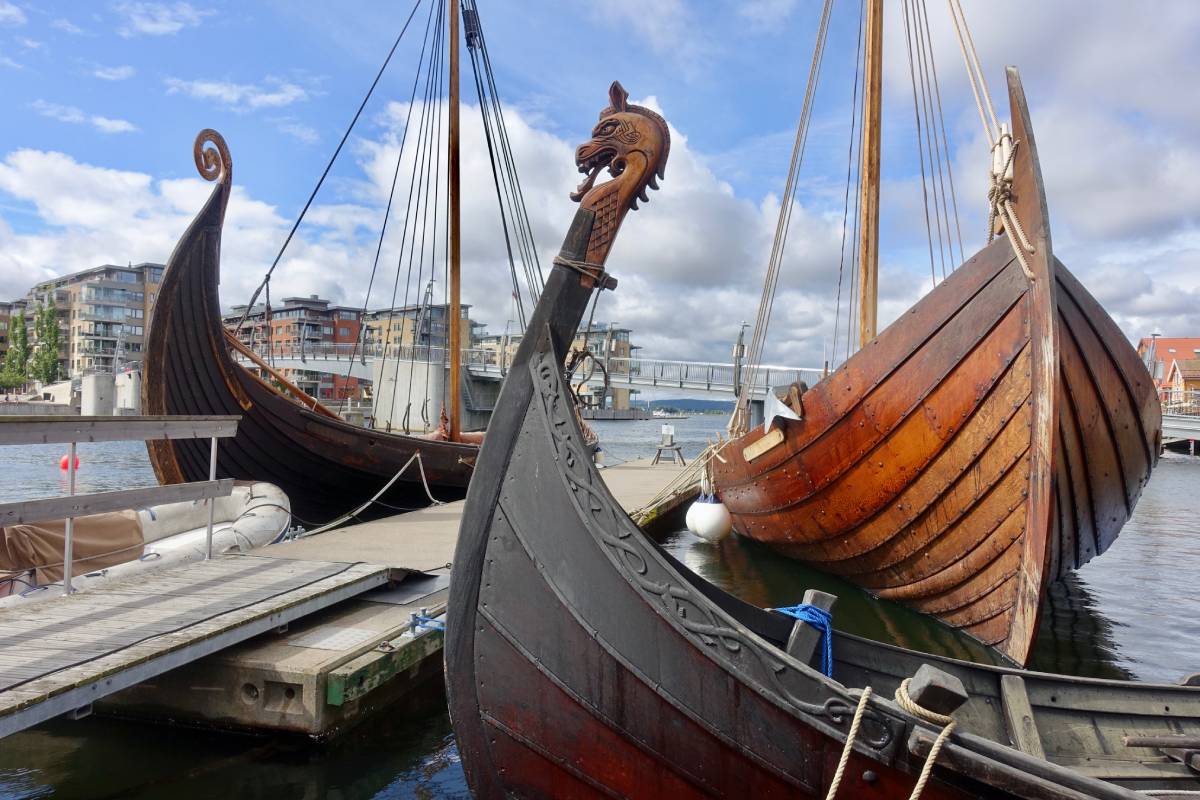
Beyond the Museum of the Viking Age in Oslo, Viking heritage is proudly displayed and preserved across the nation.
From the hallowed grounds of the ancient Viking capital in Trondheim, where Olav II is said to have been buried under what is now Nidaros Cathedral, to the archeological remains of Kaupang, Norway's first trading town, Viking heritage is preserved across the country.
It can also be seen at the Lofotr Viking Museum, located on one of the world's most beautiful archipelagos.
Many of these tourism hotspots are not only major drawcards for international business but also lucrative for local businesses and popular with Norwegian locals, schools, and families. This geographic spread of the nation's Viking past makes it accessible, educational, and entertaining for both visitors near and far.
Aside from being nice little earners, these tourism sites also make sure that the next generation of Norwegians know their Olaf Haraldssons from their Olaf Tryggvasons.
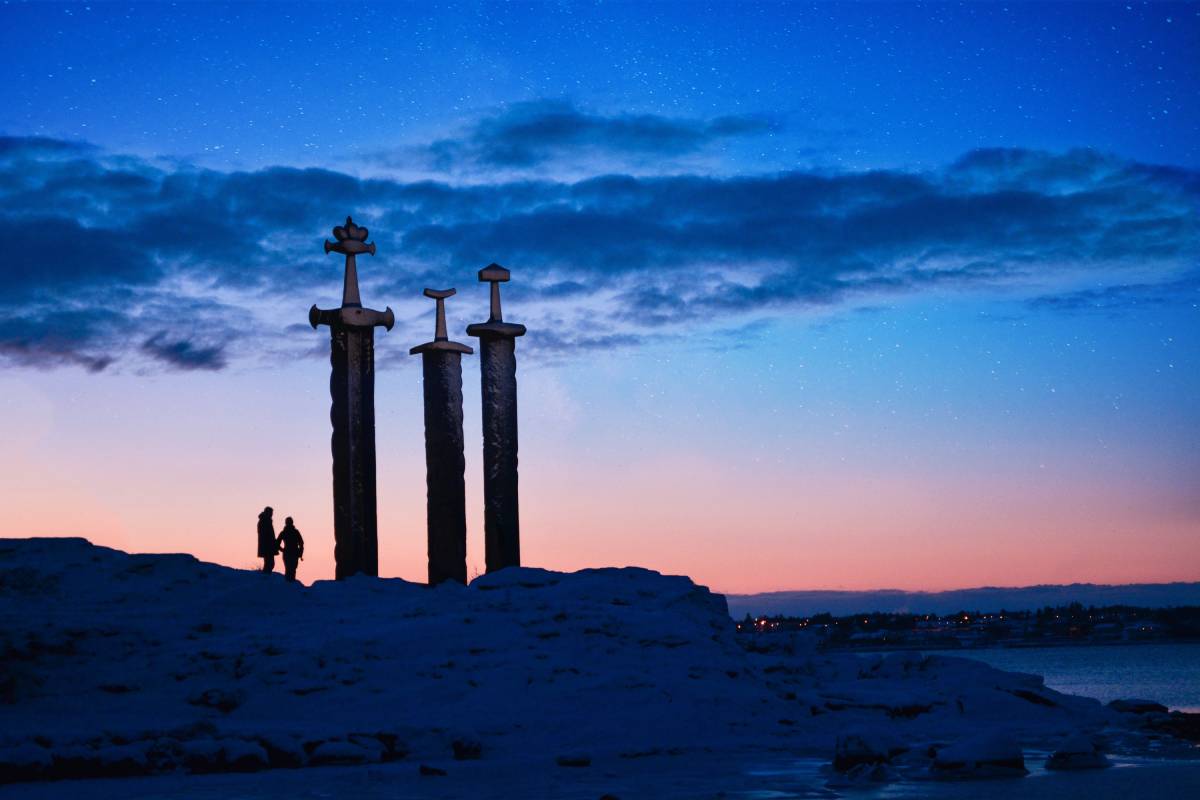
Sverd i fjell ("Swords in Rock") is a monument that honors Norway's unification following the Viking Age Battle of Hafrsfjord. Photo: Konstantins Jaunzems / Pixabay
Norway's response to the abuse of history
There is, however, a darker side to how modern-day Norwegians reconnect with their Viking heritage and history.
Norway has seen, in recent years, dangerous and divisive extremist far-right ideologies gain traction. The imagery of people from Viking societies, such as the runes or Norse gods (especially Thor), has been hijacked and misappropriated by these extremist thugs.
Their misinterpretation of history portrays Viking societies as homogeneous and exclusionary, promoting nationalist and racist ideologies.
We know that part of the potency and power of people from Viking societies was their ability to interact and assimilate with a whole range of diverse civilizations, cultures, people, and religions, including the Byzantine Empire and the Islamic world, which spanned the Mediterranean, North Africa, and much of West and Central Asia.
Scholars like Dr. Cat Jarman have shown in their works the international and multicultural scope of commerce in the Viking Age.
Her colleagues have also presented a fuller picture of the period, moving away from historical stereotypes by analyzing the prevalence of slavery and violence alongside the well-known cultural and political achievements of people from Viking societies.
Museums and heritage bodies have also tried to combat this abuse and misuse by adding historical context to their displays, including panels, exhibit notes, and digital guides to help explain the meaning of runic symbols and other Norse motifs.
This has helped separate this side of Viking cultural history from extremist misuse. Furthermore, Viking history is also presented within a wider global framework that confronts the era's realities of slavery and violence – an approach that the new Museum of the Viking Age has taken in its public materials.
A broader view and language
Today, Norwegians engage with their Viking history and heritage in many aspects of everyday life, including cultural exhibitions, consumer goods, and services.
A more nuanced view of their Viking heritage and history has been made possible by heritage bodies, museums, and academics shining light on a broader and more balanced view of the Viking Age – not just mere heroic glorification.
Finally, a living connection for Norwegians today to their Viking heritage lies in the language they speak daily, as modern Norwegian derives from the Old Norse tongue. Four days of the modern week still carry the names of Norse gods: Tuesday for Tyr, Wednesday for Odin, Thursday for Thor, and Friday for Frigg.
This article is the first of two responses to a question submitted by our Patron Bruce Rose. Part one looks at how Norwegians engage with Viking heritage today, while part two will explore how immigration and migration are influencing those views.
We get to provide readers with original coverage thanks to our loyal supporters. Do you enjoy our work? You can become a PATRON here or via our Patreon page. You'll get access to exclusive content and early access.
Feel free to reach out to discuss potential stories that may be in the public interest. You can reach us via email at [email protected] with the understanding that the information you provide might be used in our reporting and stories.