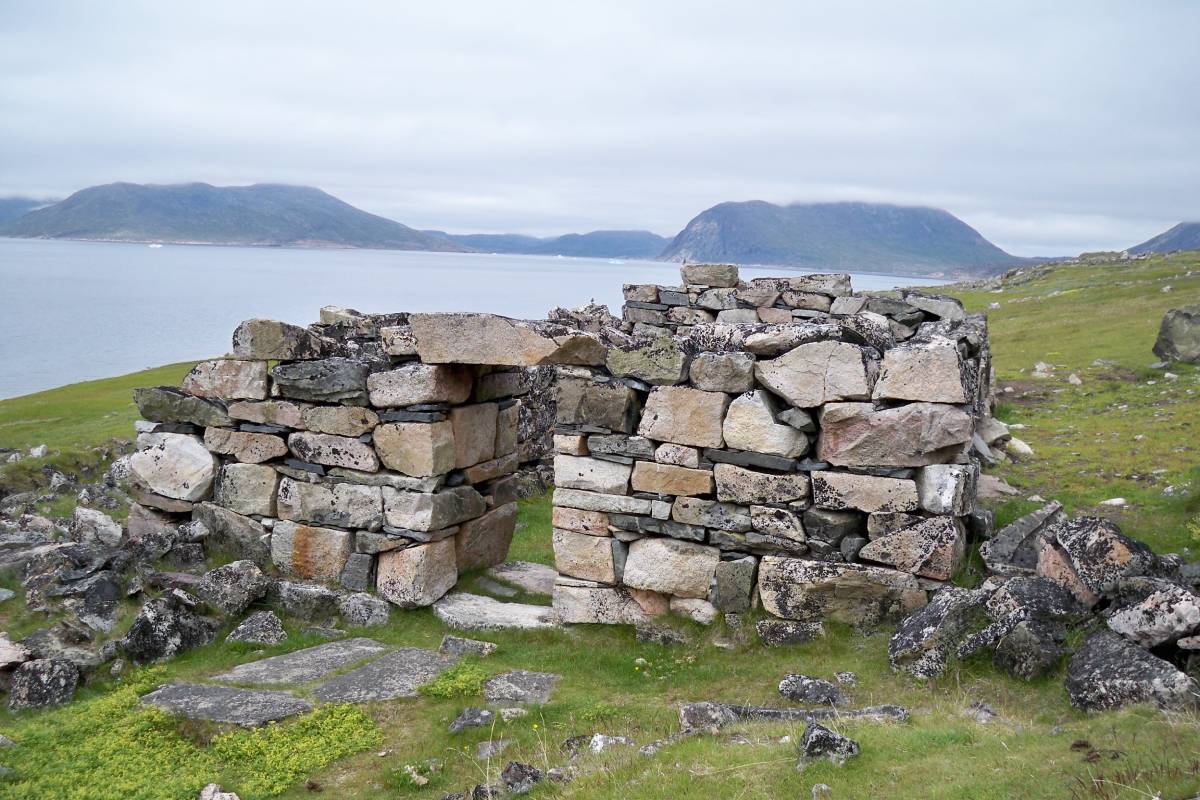


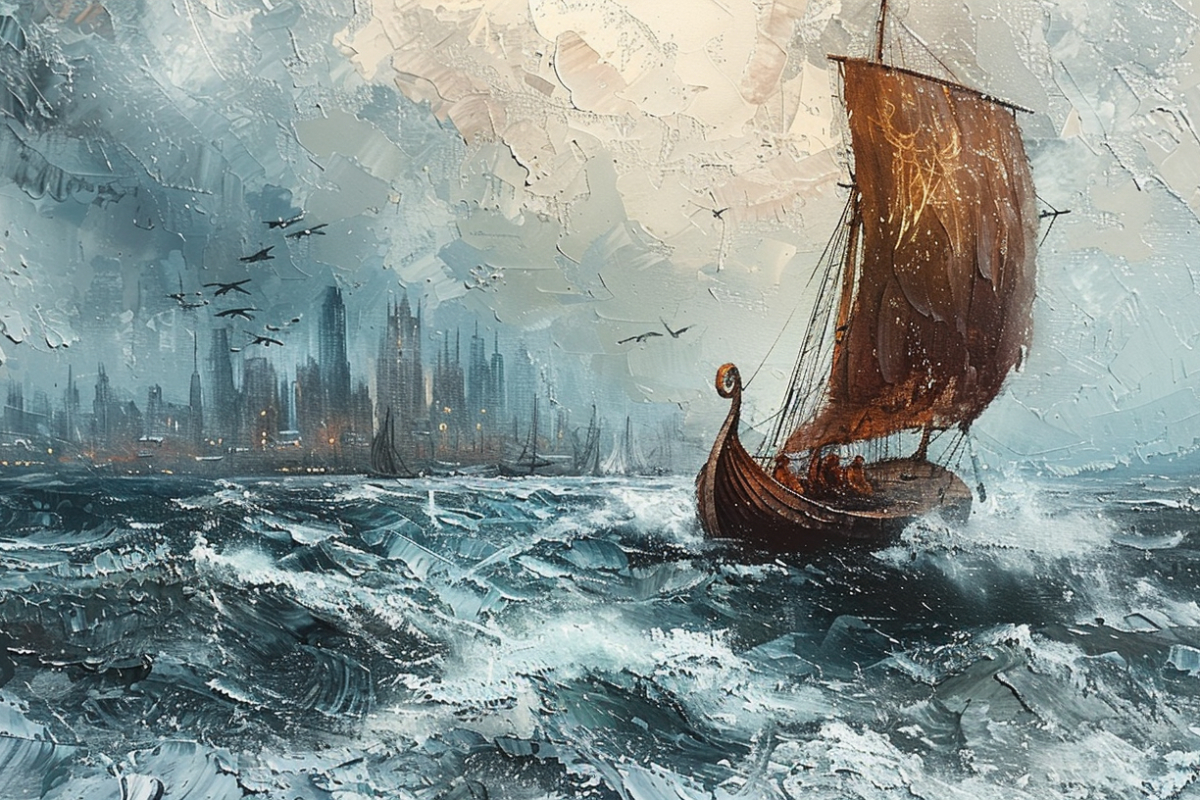
The Salt of Ancient Tears is a compelling novel that principally narrates the tale of two modern-day residents of Oslo, Julia and Magnus, interwoven with the struggles of the Norse Greenlanders in the inhospitable lands of the far north.
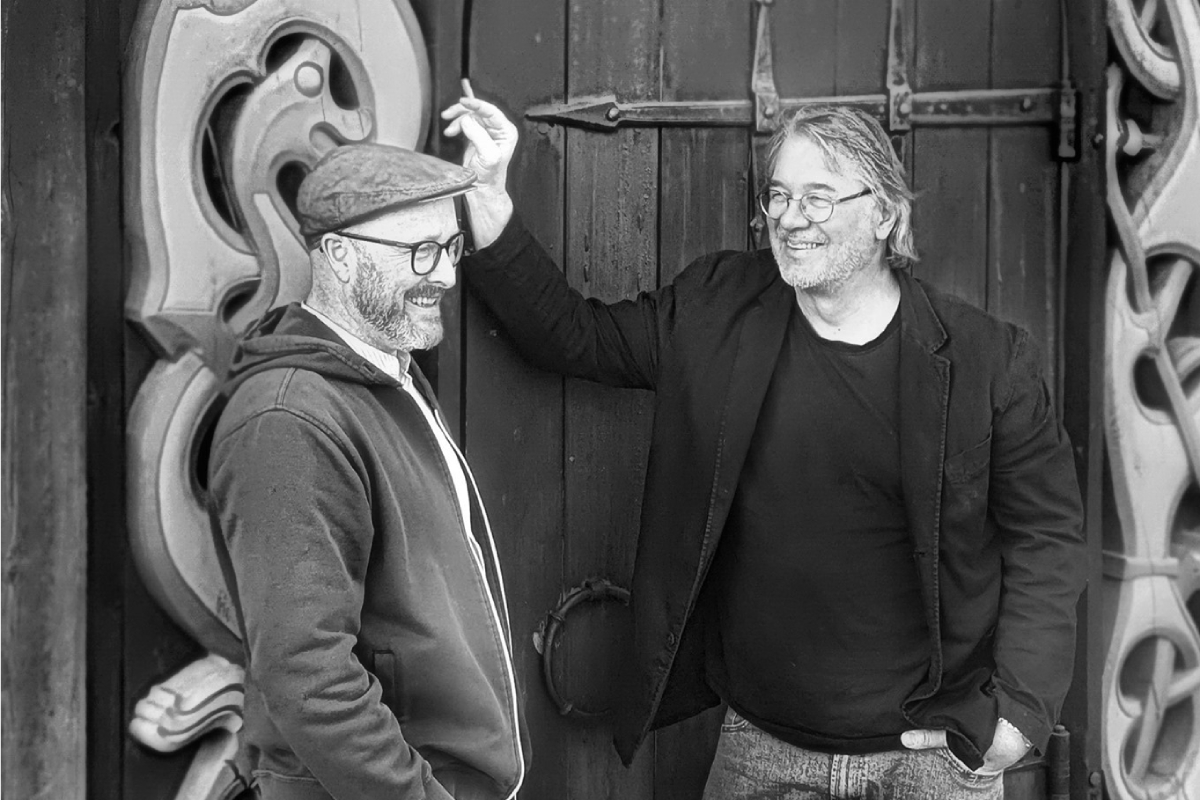
Since completing the book in 2017, the two authors, Brynjulf Haugan, and Brian M. Talgo – also known as the Lost Viking Writers – have enjoyed their own epic journey as they seek to present their story to the world.
With the original English-language version of the book now available and the second installment of a planned trilogy scheduled for release in September, the Oslo-based duo speaks to The Viking Herald about their story so far.
A love of history
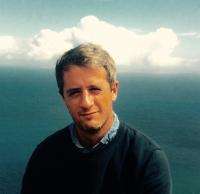
Just like Brian, Brynjulf has both an international background and a Norse heritage.
"I was born and raised in British Columbia, up in the mountains in a small town called Nelson," Brynjulf tells us. "I came to Norway when I was 11. My mum is from London, and my dad's Norwegian."
"I've always loved history. My dad would read my brother and me children's books, but he found them quite boring, so he would always fall asleep very quickly."
"Because we knew he loved history books, we started feeding them to him instead, and then he would read to us for hours!"
"He was really into the Vikings, and he would read us stories from Norwegian history. One was about the Greenlanders and the mystery of what happened to them."
"It fascinated me then, and it still does today. It's a really important part of Norwegian history, but it's still not talked about all that much."
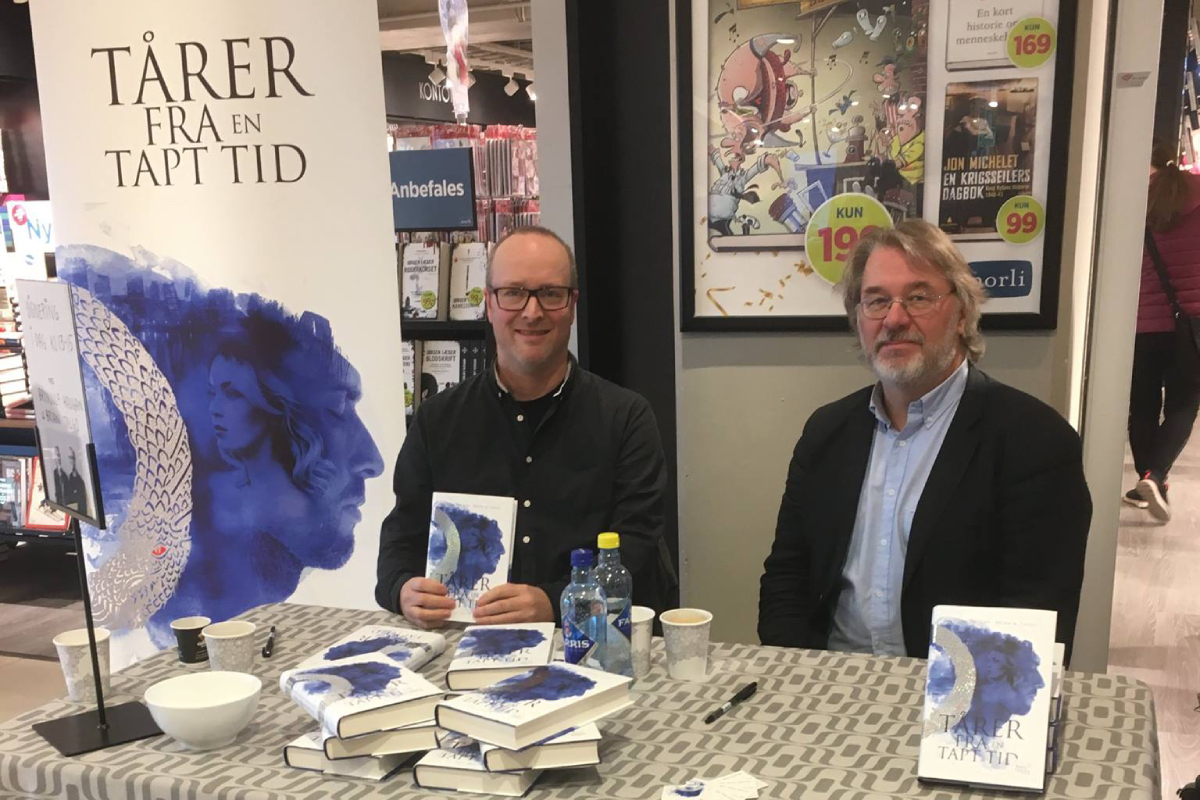
Since completing their first book in 2017, the authors, also known as the Lost Viking Writers, have been on a challenging journey to share their story with the world. Source: Nordic Noir Press
The intricacies of trauma
However, it was his work that led Brynjulf to come up with the main concept for the book.
"I run a clinic with acupuncturists, chiropractors, and physiotherapists," Brynjulf says.
"As an acupuncturist, I had two patients who were twins and had experienced a major family trauma firsthand," Brynjulf explains. As he helped treat the siblings, Brynjulf was struck by the markedly different ways they had coped with their past.
"These two people, who were genetically the same, reacted completely differently to the trauma: one of them went on to enjoy a successful career, while the other started using drugs and had all sorts of other problems."
In mental health, of course, trauma is typically related to personal experience. But what if, as isolated studies have indicated, some trauma is hereditary in nature?
What if terrible events experienced in the past could be felt in our own time through genetics or perhaps even some form of reincarnation?
Brynjulf had a searing vision of a novel featuring modern Norwegian characters suffering from the effects of traumatic events and who also had some kind of connection to the Norse people of centuries past.
To create a book, he felt, however, he also needed a writer.
The lost Viking writers
"I guess it all came down to the New Year's Eve party," Brynjulf tells us with a laugh.
"The main idea came really quickly to me, and I had written down some pages. We had invited Brian and his wife for New Year's, and I couldn't wait to tell him about it. I knew he had written books, and I liked his writing."
"I walked in the door, and I didn't have my jacket off when he pulled me into a closet," Brian continues the story.
"He scared me! I thought he was going to say he was dying of cancer or getting a divorce, but it was even worse than that," Brian tells us with a smile. "He said, 'I wanna write a book with you!'"
"My first thought was, 'No way!' But then he started to pitch it to me, and I got that feeling – where the hairs go up on your arm, your back."
"I almost started crying. It was such a good idea, such a moving idea; it was so touching that it shocked me. And I said then and there, 'Let's do this!'"
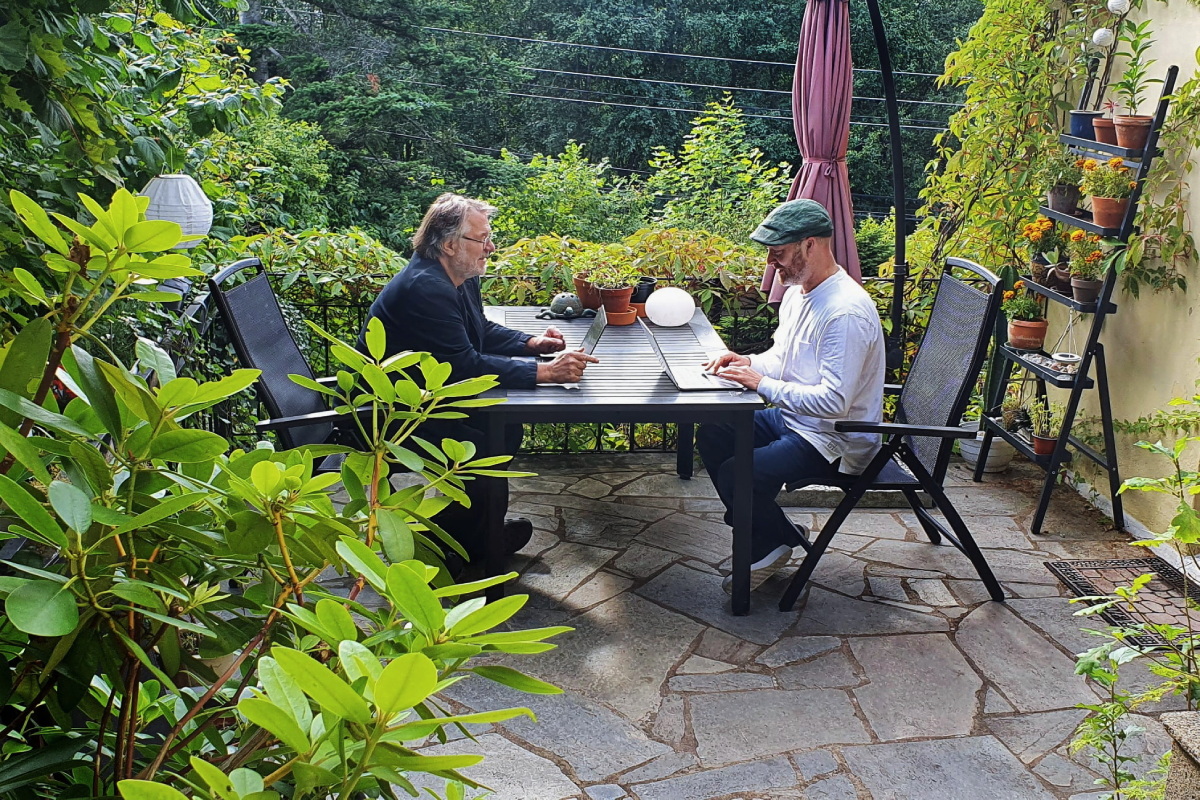
The writing partnership between Brian and Brynjulf began unexpectedly at a New Year's Eve party, where Brynjulf pitched the idea to Brian. Source: Nordic Noir Press
Working in tandem
Brian admits that there was still a certain amount of trepidation about how the partnership would proceed.
"We'd known each other for many years; we'd played in a band together, but the idea of writing a book together was very new," he tells us.
"But we actually work really well together. There's not a lot of ego here; somehow we don't argue. We just discuss, and we almost always agree."
"I write out a draft outline, and Brian makes it beautiful – I can't write like him," Brynjulf explains. "I do the idea part, and then we talk about it. We've had a lot of fun times and trips together writing."
"But there's also a third person," Brian points out. "My wife is our de facto editor."
"She's Austrian but works as an interpreter, and her English is probably better than mine. So after I've written it, it will also go through her. She also helps make sure the female characters are right."
Haunted by someone else's past
As the novel opens, the lives of the successful lawyer Julia and Magnus, a talented yet wayward artist, are both in turmoil.
Although they meet only fleetingly in the present, Magnus and Julia appear to be in some way connected through their vivid recollections of lives lived by others – the Greenlanders of the 15th century.
Julia soon becomes embroiled in a lawsuit against a hotel magnate who preys on women, while Magnus receives a commission to paint a portrait of the same man.
As they battle the difficulties in their lives, the pair also attempt to face up to the horrors of the past with the help of the mysterious Leonard, an acupuncturist and alternative doctor.
"The story relates to the twins I talked about, about how it changed them," Brynjulf informs us.
"Magnus tackles his trauma by living day by day and not really caring, with no drive in his life. Julia is the opposite – she's successful, more materialistic. Two people that would never usually meet in Oslo, but they do."
"It is a time-slip novel," Brian adds, "with a modern element and the Norse Greenlanders. They go back and forth, and there is a connection between the modern and more ancient people."
"It's not a Viking book as such – it's 15th-century, so we're talking about the Norse people after the end of the Viking Age. There's a romantic element, history, mysticism. It's also an adventure story and has a lot of legal aspects, too."
- READ MORE: A Viking history of Norway - Part 1
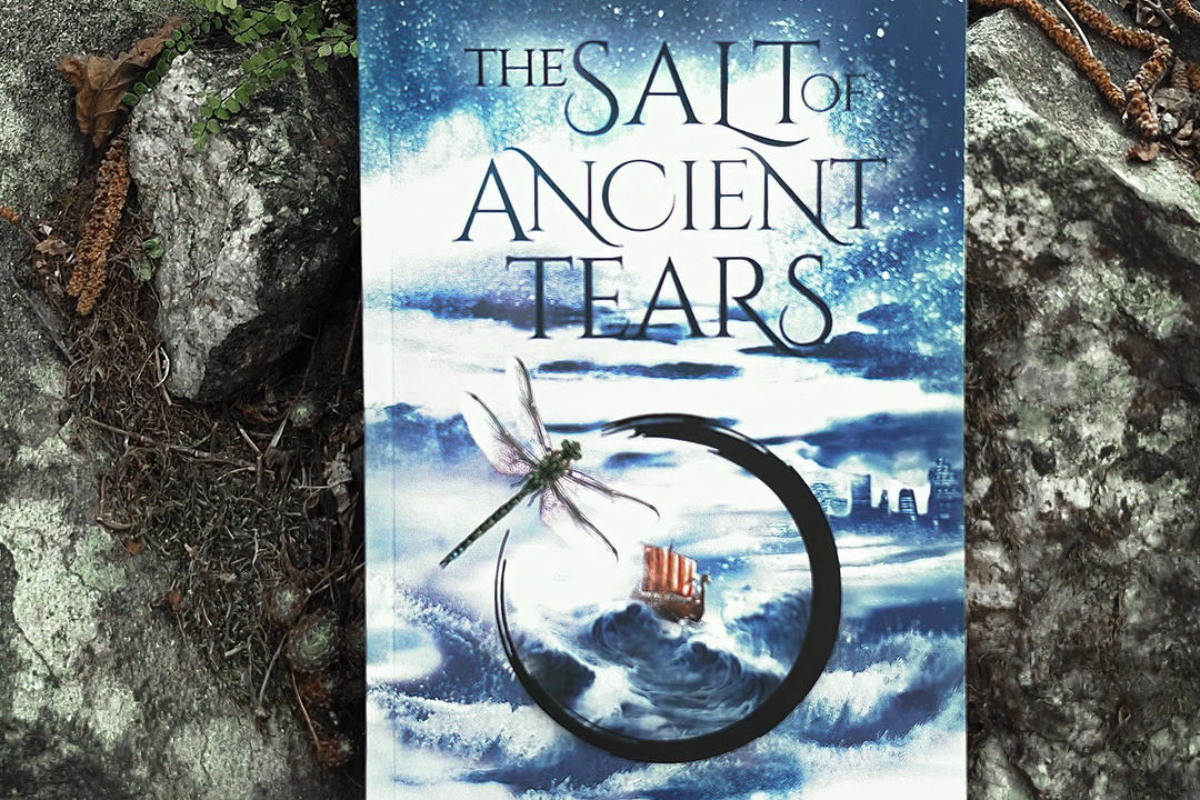
The book explores the idea that trauma might be hereditary, suggesting that events experienced in the past could affect individuals in the present through genetics or reincarnation. Source: Nordic Noir Press
A publishing conundrum
The intricate nature of the story has won the hearts of many readers, yet publication has also been a difficult and torturous journey.
"I think it appeals to a lot of people who like a sort of old-fashioned read," Brian says.
"It's a slow burn. It takes in many aspects and combines them. We really enjoyed writing it and some of our feedback says that people enjoy reading it, too."
"Agents liked the Viking parts and said that if we wrote the whole book like this, then they would sign us in a heartbeat," Brian tells us.
"But when they saw all the different genres, they just said, 'Well, this is difficult to sell.' We received a lot of positive responses, including from heavyweight publishers, but they didn't know how to market it."
"Editors loved it, but the sales department didn't know how to sell it," Brynjulf agrees.
"We did get an agent in England. He was very enthusiastic and got us a book deal for a Norwegian publisher, but then they started arguing, and he lost the deal."
Published in two languages – but not English
Eventually, Brian and Brynjulf decided to accept an offer from a smaller publisher in Norway to translate the original English manuscript into Norwegian.
"We actually sold quite a few copies in Norway – 600 or so, maybe even 800," Brian tells us.
"But we weren't satisfied with the quality of the translation. Eventually, we had to buy ourselves out of the contract and essentially dump the rest of the books."
The editor also sent the manuscript to agents in Sweden, who immediately signed the writers up again. "But it was the same story," Brian admits.
"The editors loved it, but the marketing people didn't know how to promote it. They were also reluctant to take a risk on a translation that didn't have sales in the original language."
"They did manage to sell it to the Czech Republic of all places," Brian continues. "We got some really nice reviews there, but it didn't really take off."
"They made a kind of bodice-ripper cover, and we got a lot of feedback from people who were expecting 'supermarket literature.' In the end, we decided the only way we could do this was to self-publish in English."
The second novel in the trilogy, The Way of the Raven, set for release in September, continues the story of Julia and Magnus while delving deeper into Norse history. Source: Nordic Noir Press
In their own hands
Brian and Brynjulf decided to establish their very own publishing company, Nordic Noir Press, and released The Salt of Ancient Tears (available on Amazon here) in February of this year.
They admit, however, that the self-publishing route has brought its own challenges.
"It's a really steep learning curve," Brynjulf acknowledges. "There's a lot of stuff that you don't know; you just have to find out along the way. But no matter how much you google things, it's difficult."
"We joined up with a company called Draft2Digital," Brian explains.
"They take your manuscript and distribute it. But that turned out to be a disaster. Something happened between them and Amazon – our main market – and they wouldn't fix it."
"We had just marketed the book to a load of people, and then they couldn't access it."
"We were publishing on other platforms, like Barnes & Noble, and I think we sold a hundred copies on Smashwords, but we weren't appearing on Amazon."
"In the end, we had to go directly to Amazon to publish. There's been a few minor problems since then, but it's actually much, much better now."
More to come
As Brian and Brynjulf tell us, The Salt of Ancient Tears is just the first installment of a planned three-book adventure: The Lost Viking Trilogy.
The writing duo completed the second novel two years ago and are nearly halfway through the third.
Fans of the first book can look forward to the release of the upcoming novel, The Way of the Raven, in September of this year.
In addition to further exploring the lives of Julia and Magnus in present-day Oslo, readers can also expect more insight into the fate of the Greenlanders, including their interactions with the native people of North America.
"We're very interested in the meeting of the cultures," Brian informs us excitedly.
"The Norse and the indigenous cultures of Newfoundland. As far as we know, it was the first European contact with the New World. So we hope that in The Way of the Raven, you will see new aspects of the Greenlanders in North America."
You can order a copy of The Salt of Ancient Tears via Amazon here. To find out more about the Lost Viking Writers and Nordic Noir Press, please visit their website.
Feel free to reach out to discuss potential stories that may be in the public interest. You can reach us via email at [email protected] with the understanding that the information you provide might be used in our reporting and stories.