

One of the reasons why people have been enthralled by the Norse sagas, centuries after the last Viking ship sailed, is due to a whole horde of mythical beings, creatures, and deities that can be found in every scene and saga.
From the magical majesty of the Æsir and Vanir gods to the enigmatic nature of the dwarves and elves, these beings saturate the sagas with magic and also moral complexity. This combination has ensured the Norse sagas have remained popular ever since they were first told.
Among the most obscure of these mythical creations are the landvættir. Whilst direct translation from Old Norse into modern English can be tricky, landvættir can be best translated into something akin to "land spirits."
They are said to reside in the rocks, hills, and coastal landscapes of Iceland and act as spiritual intermediaries between the rugged Icelandic landscapes and those who venture there.
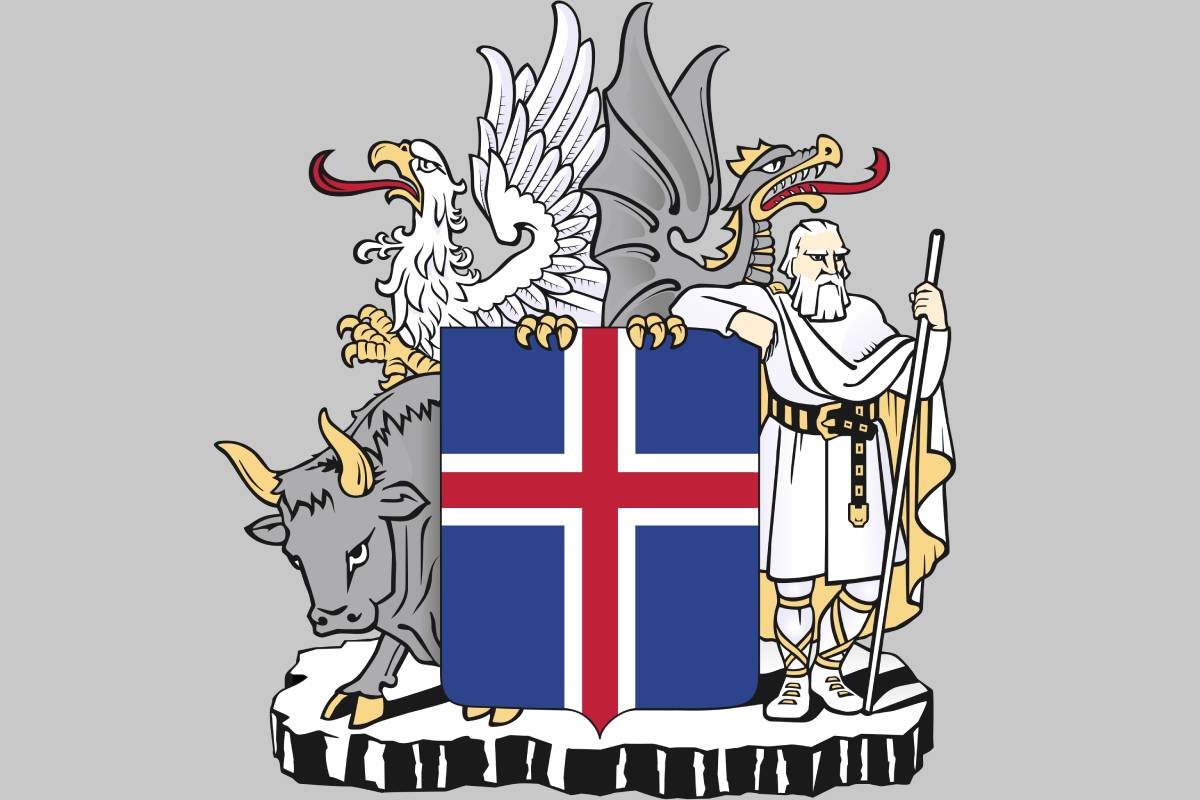
Iceland's coat of arms with the four landvættir: bull, eagle, dragon, and rock-giant. Source: Public domain
Thwarting an invasion of Iceland
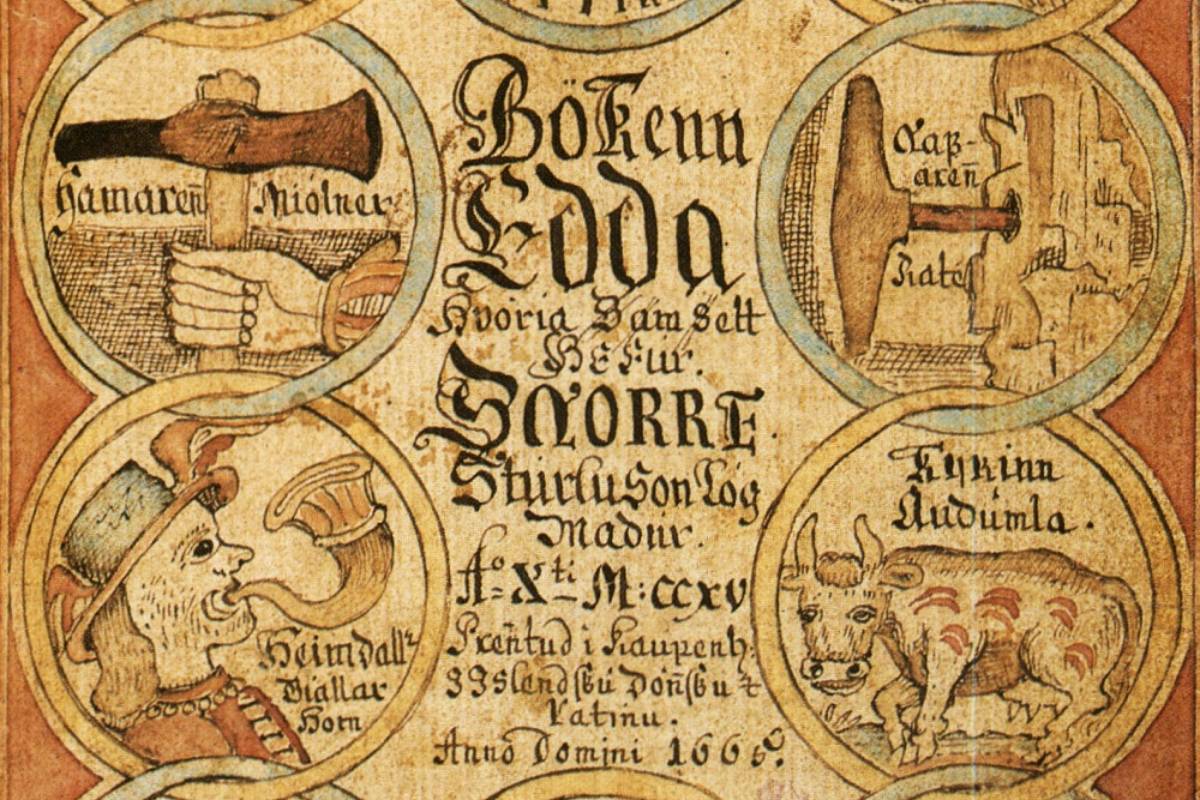
The Norse sagas may have been compiled in the 13th century CE by scholars like Snorri Sturluson, but they were based upon the stories and tales that people from Viking societies once told to while away a cold Nordic night.
It is here that we turn for our best example of the powerful nature of the landvættir.
In Heimskringla, a collection of sagas about the lives and reigns of Scandinavian Viking-era kings, compiled by Snorri Sturluson, we find the landvættir thwarting Harald Bluetooth's attempt to invade Iceland in Óláfs saga Tryggvasonar (King Olaf Tryggvason's Saga).
No other example in the sagas speaks to the powerful and protective nature of the landvættir, who use their magical skills to transform into a whole menagerie of animals to fend off Bluetooth's invasion.
Using an online version of the 1844 English translation by Samuel Laing, we find a description of the power of the landvættir in Stanza 36, when Bluetooth:
"...came near to the land [Iceland], he went to the west side of Iceland...where he saw all the mountains and hills full of guardian-spirits, some great, some small."
As he attempted to land and thus bring the island under his yoke, the landvættir transformed into several creatures, including:
"...a huge dragon [which] rushed down the dale against him with a train of serpents, paddocks, and toads, that blew poison towards him."
If dragons and poisonous creatures weren't enough to fend off Bluetooth:
"...then a bird flew against him, which was so great that its wings stretched over the mountains..."
Finally, Bluetooth's forces were confronted by "a large grey bull...wading into the sea, and bellowing fearfully, and he was followed by a crowd of land-spirits."
These protective and powerful landvættir thwarted Bluetooth's aim of conquering Iceland, and he "turned about with his fleet and sailed back to Denmark."
As Timothy Bourns writes in his 2018 article, "...these literary representations [of landvættir]...reflect an environmental ideology that was actively engaged with the imaginative."
- READ MORE: The Viking history of Iceland – A primer
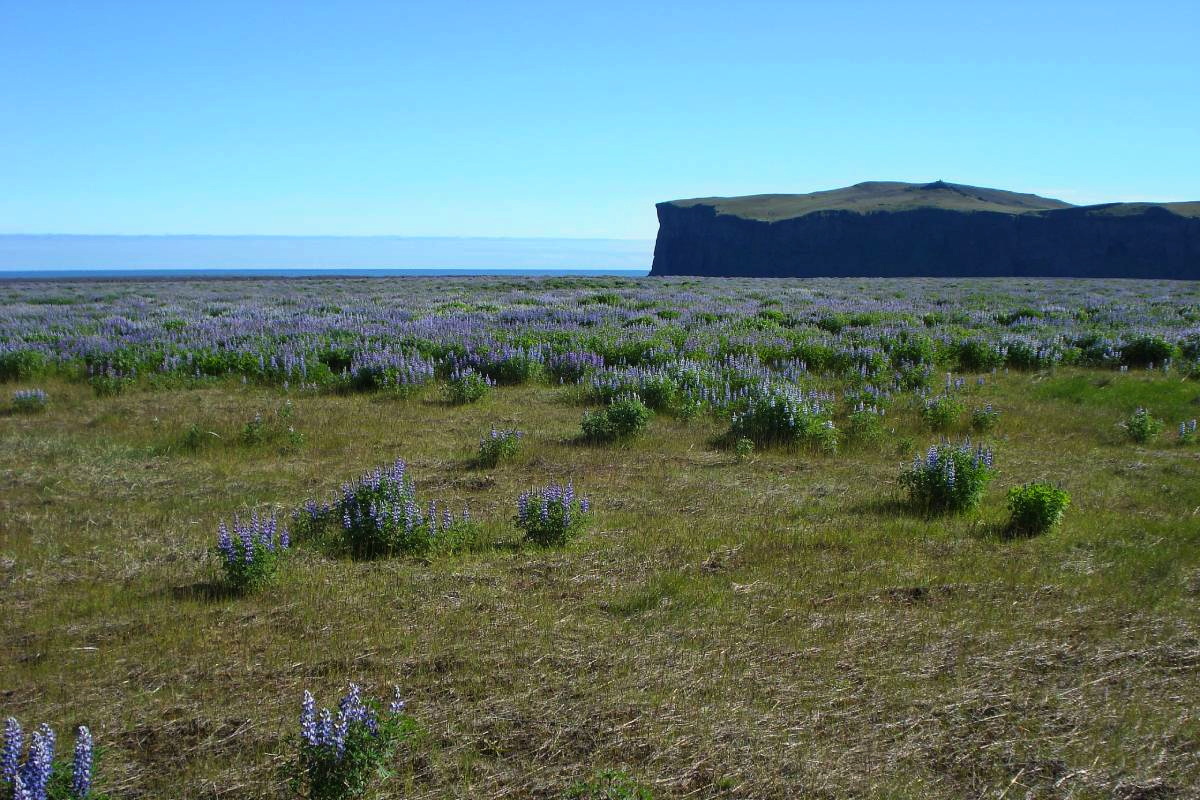
Hjörleifshöfði is a headland in Iceland that was never settled out of fear of the landvættir after a killing of a settler occurred there. Photo: TommyBee
Prosperity and later persecution
As we can see from their role in thwarting an invasion of Iceland, landvættir were endowed with a protective spirit.
Their primary role was the protection of fertility and the well-being not only of the physical landscape but also of the people in Viking societies who settled and lived in Iceland, who depended on it.
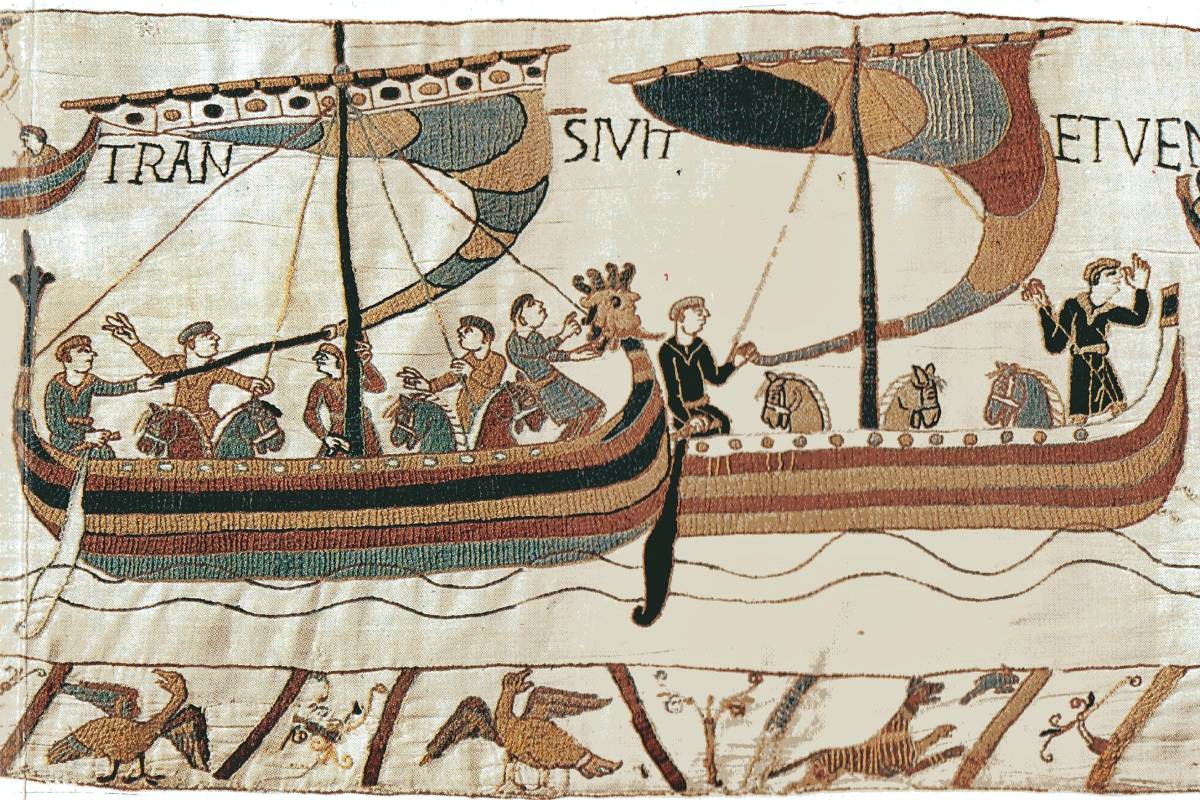
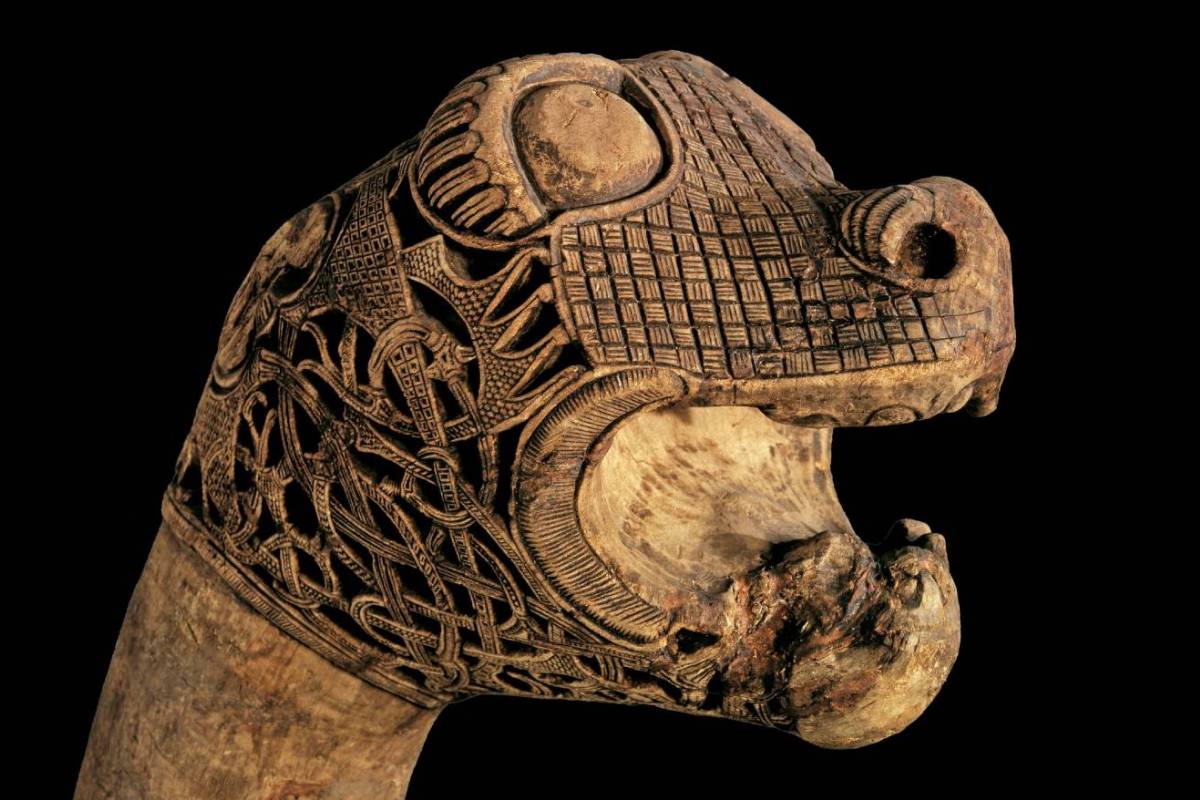
Due to their protective role, the landvættir were deeply revered. The figureheads on Viking ships, meant to intimidate and scare, were often covered when within sight of the Icelandic coast in case they would frighten and anger the landvættir.
In an environmentally fragile society like early medieval Iceland, beset by fire and ice, wind and snow, the celestial favor of the landvættir was much sought after to ensure societal prosperity.
Following the Christianization of Scandinavia, belief in the landvættir was widely persecuted.
The Gulating law, compiled in 13th-century CE Norway and foundational to Norwegian legal tradition, forbade heathen worship, including sacrifices at mounds, groves, and waterfalls. This would encompass veneration of landvættir.
In Iceland, comparable bans appear in Grágás and later Jónsbók.
Modern relevance
Finally, if you think that landvættir are just a thing of the mythical past, you'd be wrong.
One glance at Iceland's current coat of arms and you will see the landvættir that thwarted Bluetooth's invasion proudly displayed there.
This is yet another example of how the medieval continues to inspire the modern and how the stories that people from Viking societies once told one another continue to resonate today.
For more information on the mythical landscape of Iceland, visit National Geographic here.
We get to provide readers with original coverage thanks to our loyal supporters. Do you enjoy our work? You can become a PATRON here or via our Patreon page. You'll get access to exclusive content and early access.
Feel free to reach out to discuss potential stories that may be in the public interest. You can reach us via email at [email protected] with the understanding that the information you provide might be used in our reporting and stories.