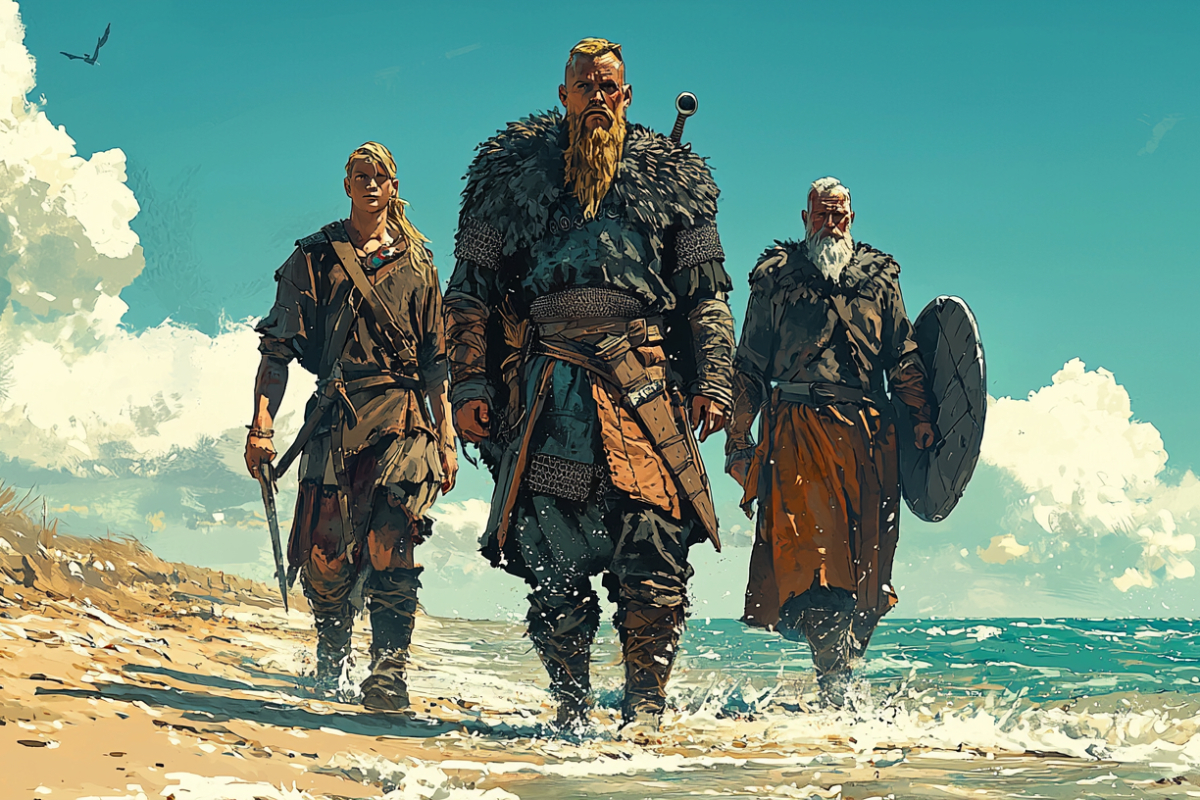


If anyone personifies Norway's heritage, it is Polar explorer Roald Amundsen. A millennium after Norwegians dominated Northern Europe as Vikings, and shortly after the country gained its independence from Sweden, the first flag was raised at the South Pole on December 14, 1911, putting Norway on the world map for good.
Certainly, it is no coincidence that the latest English-language lecture at the Historical Museum in Oslo – currently showing rare Viking and medieval treasures as part of the HERITAGE – Our Place in History and Vikingr exhibitions – takes place on December 14, Thursday of next week.
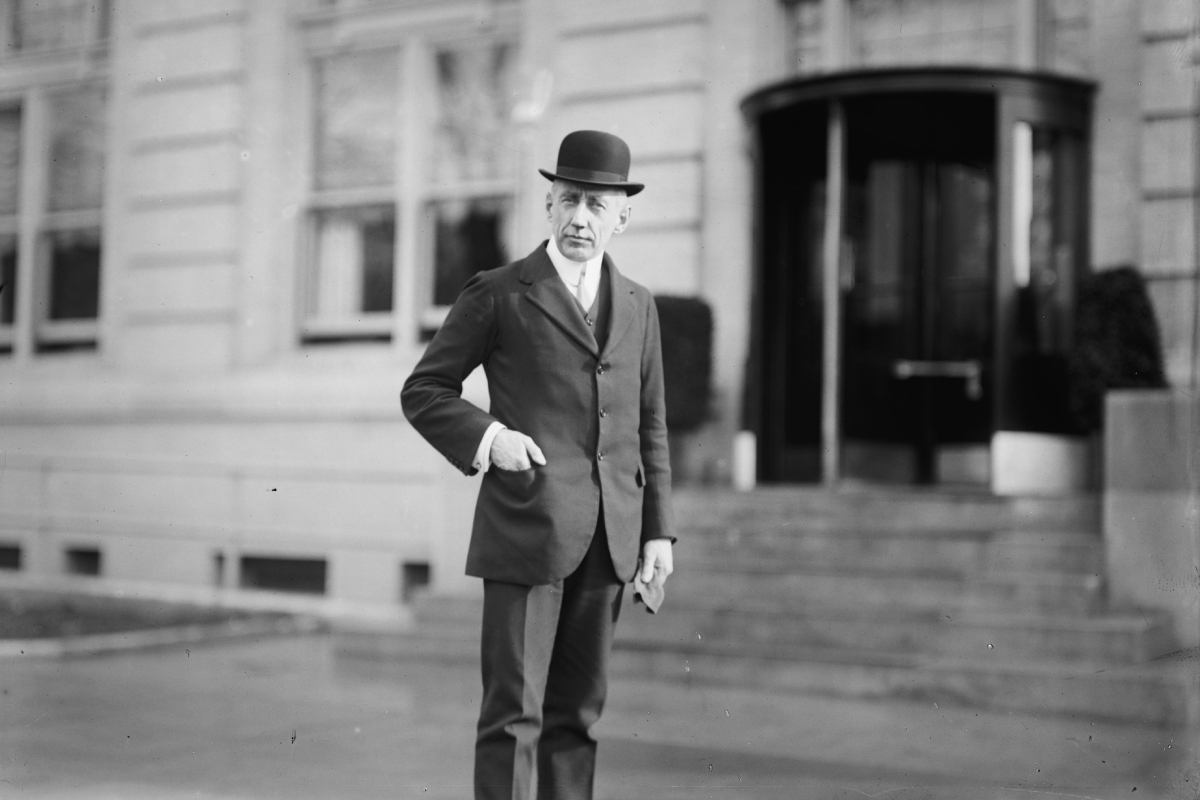
A master of polar travel, Roald Amundsen's remarkable achievements include being the first to reach the South Pole in 1911 and playing a key role in the first undisputed expedition to the North Pole in 1926. Photo: National Photo Company Collection, Public domain
From the furthest South to the Far East
At 5 pm, Anna Karoline Johnsen, an adviser in the Section for Research and Development at the Faculty of Technology, Art & Design at Oslo Metropolitan University (OsloMet), will give a lecture on Roald Amundsen's visit to Japan in 1927.
The 45-minute talk in English ties in with the Samurai exhibition on show at the Historical Museum until December 30 and with Johnsen's Master's degree in Japanese studies at the University of Oslo, where she wrote about this very subject.
Sixteen years after his successful exploits in Antarctica, Roald Amundsen was greeted as a major celebrity in Japan.
All the lectures he gave were sold out, attracting several thousand people. He received Samurai armor as a gift, which he later donated to the Historical Museum and is on display at the current Samurai exhibition.
It could be argued that no Norwegian has gained as much global prominence since the Viking Age as Roald Amundsen.
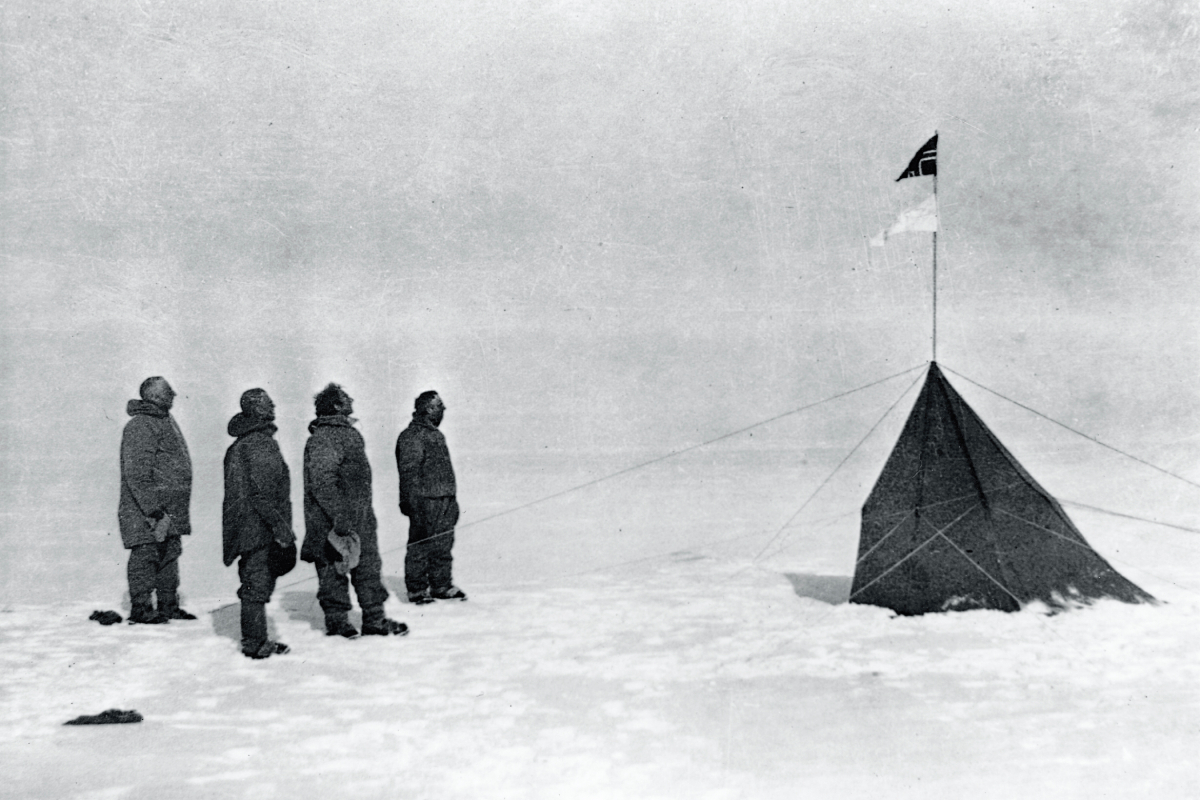
In December 1911, Roald Amundsen and his crew are depicted saluting the Norwegian flag at the South Pole, a symbolic moment that, once telegraphed to the world, significantly elevated Norway's global standing. Photo: Olav Bjaaland (1873–1961), Public domain
Nordic heroism
When Captain Scott and his men approached the South Pole in January 1912, they spied a Norwegian flag, its striking tones of red and blue contrasting with the surrounding white landscape and bright skies of an Antarctic summer.
Beneath the fluttering Nordic cross, within the now empty tent erected four weeks earlier by Norwegian Roald Amundsen and his successful crew, was a letter written to Norway's recently crowned king.
This was for Scott to deliver should anything befall the Norwegian party as they made their way home.
At that moment of bitter discovery, it is said Scott turned from explorer to postman. The flag-bearer for the British Empire had been eclipsed by the representative of a country of barely two million people.
Once Amundsen telegraphed his king from Tasmania in March 1912, the whole world knew about Norway. No spin doctor could have dreamed up a more effective global PR coup.
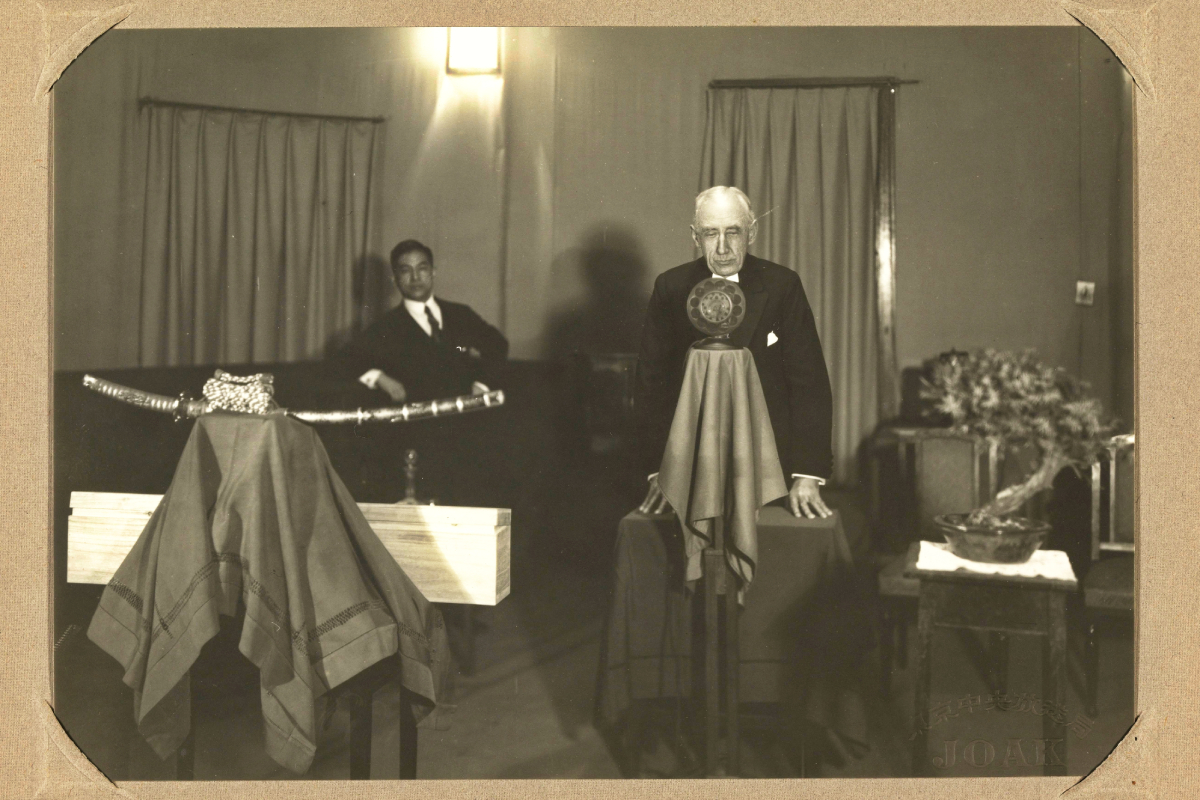
In 1927, during his visit to Japan, Roald Amundsen was honored with a suit of samurai armor, a prestigious symbol of respect and admiration from the Japanese, acknowledging his extraordinary polar expeditions. Photo: National Library of Norway, Public domain
Long live Norway!
On the other side of the world, nearer the opposite pole, little Norway had not long ago gained its full independence from Sweden and was seeking to establish a national identity.
The king in question was, in fact, Danish; the former Prince Carl of Denmark was given the Old Norse name of Haakon, like the last Norwegian monarchs of the 1300s.
The Norwegian flag he served under had not long been purged of Swedish elements before being fully adopted in 1905.
It was certainly not the one used by the Vikings, whose longships carried a raven banner over the waves to strike fear in foreign lands.
Triangular in shape with a quarter-moon edge, it is said to have symbolized the Norse God Odin – ravens appear in Old Norse poetry related to warfare.
Picking over the remains of the fallen in battle, these ominous birds also feature on Norse coinage discovered in recent years, such as those minted by Harald Bluetooth unearthed in Finland in 2022.
What is perhaps most poignant about Amundsen's visit to Japan in 1927, one of many personal appearances he made after his triumph, is that he would soon vanish, presumed dead, a year later.
At the age of 55, he disappeared while flying on a rescue mission to the Arctic.
He was last seen in the northern Norwegian city of Tromsø, where you find an Arctic Museum and a Polar Museum, with a statue of Amundsen right outside it.
An Unexplored Field – Roald Amundsen's Adventure to Japan, Historical Museum in Oslo, December 14, 5 pm. Admission free.
For all other interesting events and attractions at the Historical Museum in Oslo, see here.
We get to provide readers with original coverage thanks to our loyal supporters. Do you enjoy our work? You can become a PATRON here or via our Patreon page. You'll get access to exclusive content and early access.
Feel free to reach out to discuss potential stories that may be in the public interest. You can reach us via email at [email protected] with the understanding that the information you provide might be used in our reporting and stories.