

North Jutland Museums in Denmark have announced the discovery of six gold rings in a forest area near Rold, Himmerland. The first two rings were spotted in the topsoil by a local resident, before the museum's archaeologists helped reveal four more artifacts. The discovery is thought to be the third largest gold find ever from Viking Age Denmark.
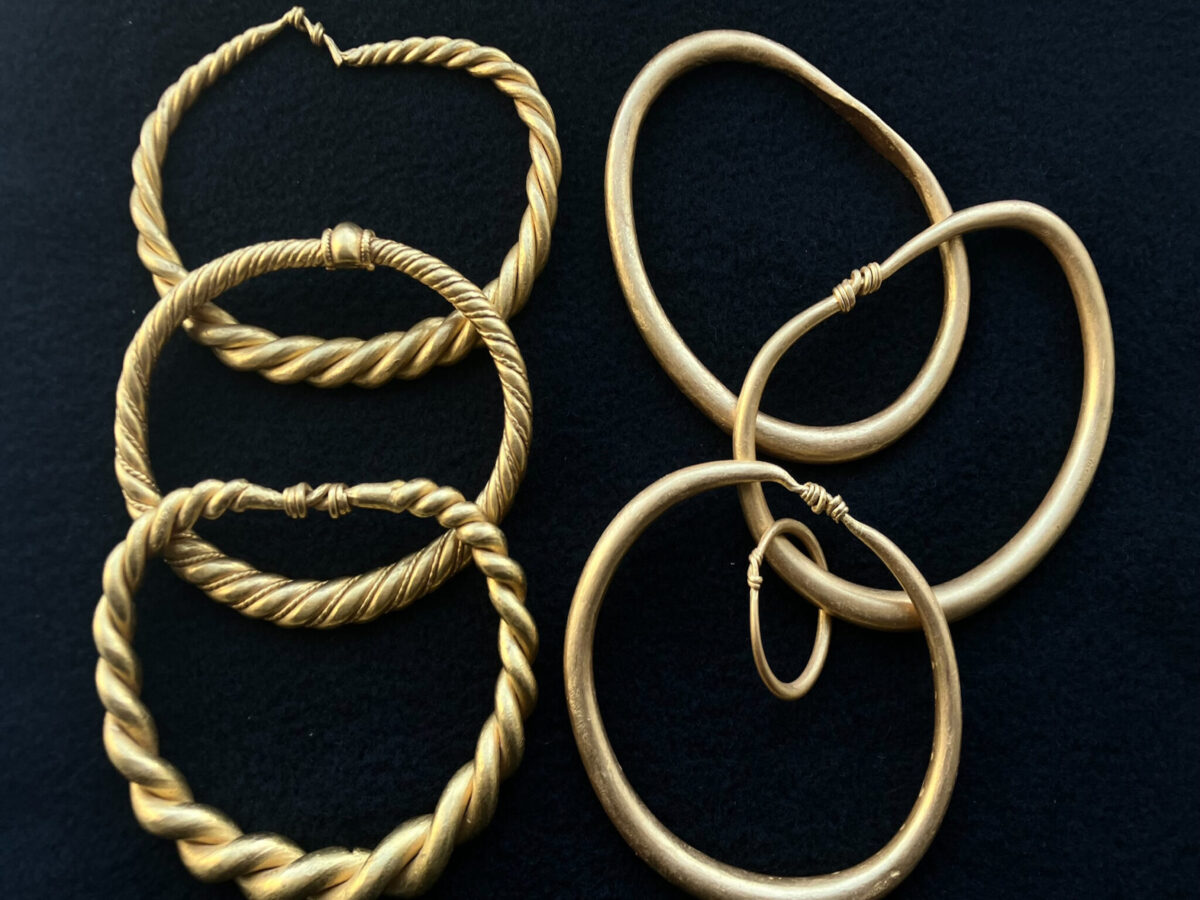
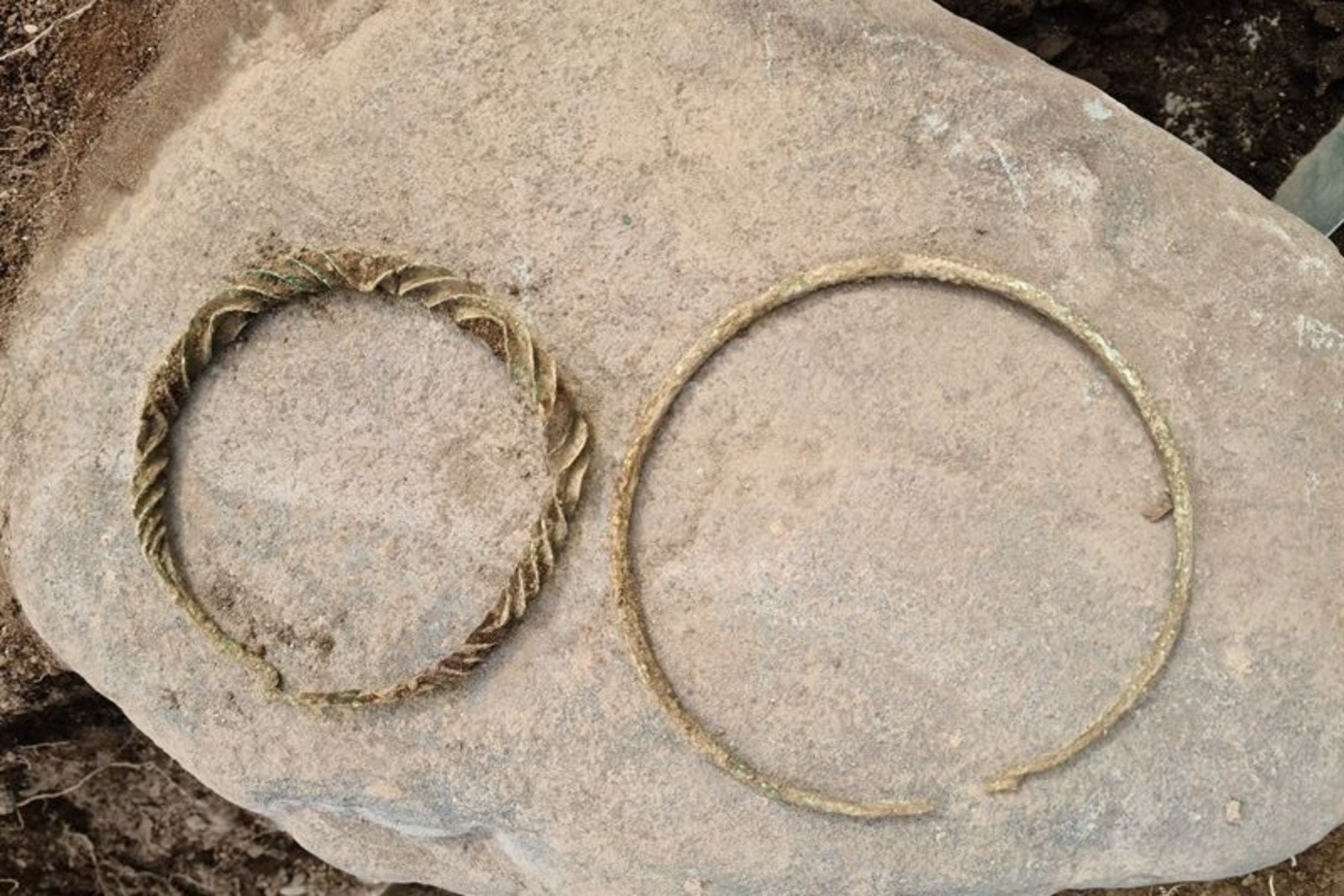
Details of the gold rings. Source: North Jutland Museums
Six gold rings
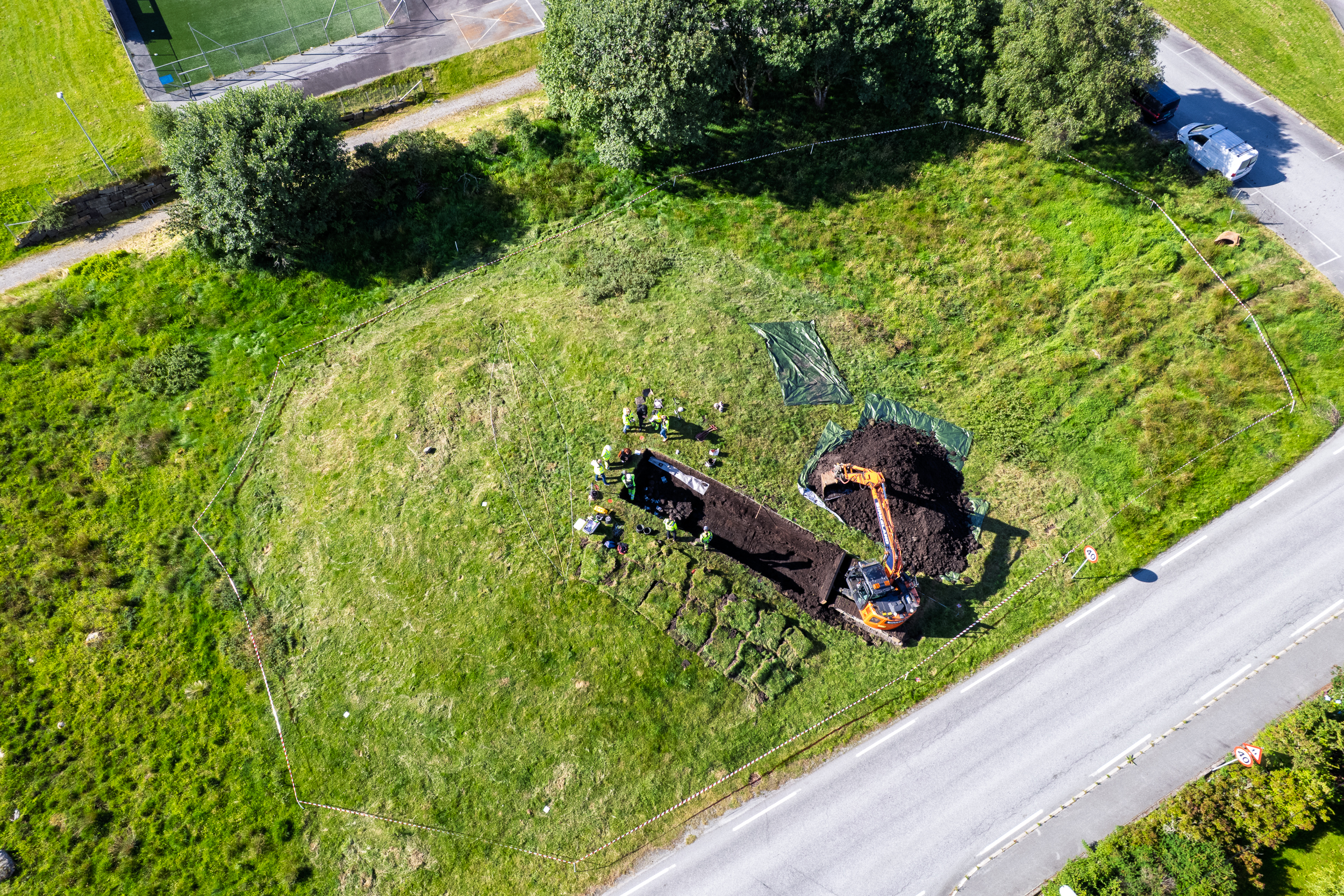
The initial finds were discovered by an unnamed Himmerland resident in April of this year. The metal detectorists immediately contacted the Department of Archaeology at North Jutland Museums. After inspecting the rings, the archeologists were convinced they were bracelets from the Viking Age and immediately headed out to investigate the site.
The team used metal detectors and archeological techniques to search the entire area. They first located a similar bracelet close to where the first two had been found, then three more rings around 15 meters’ away. All six of the rings are intact and made of solid gold.
“It is a completely unique find – we have simply not experienced anything like it before here at the museum,” Torben Sarauw, an archaeologist for North Jutland Museums commented in a recent press release.
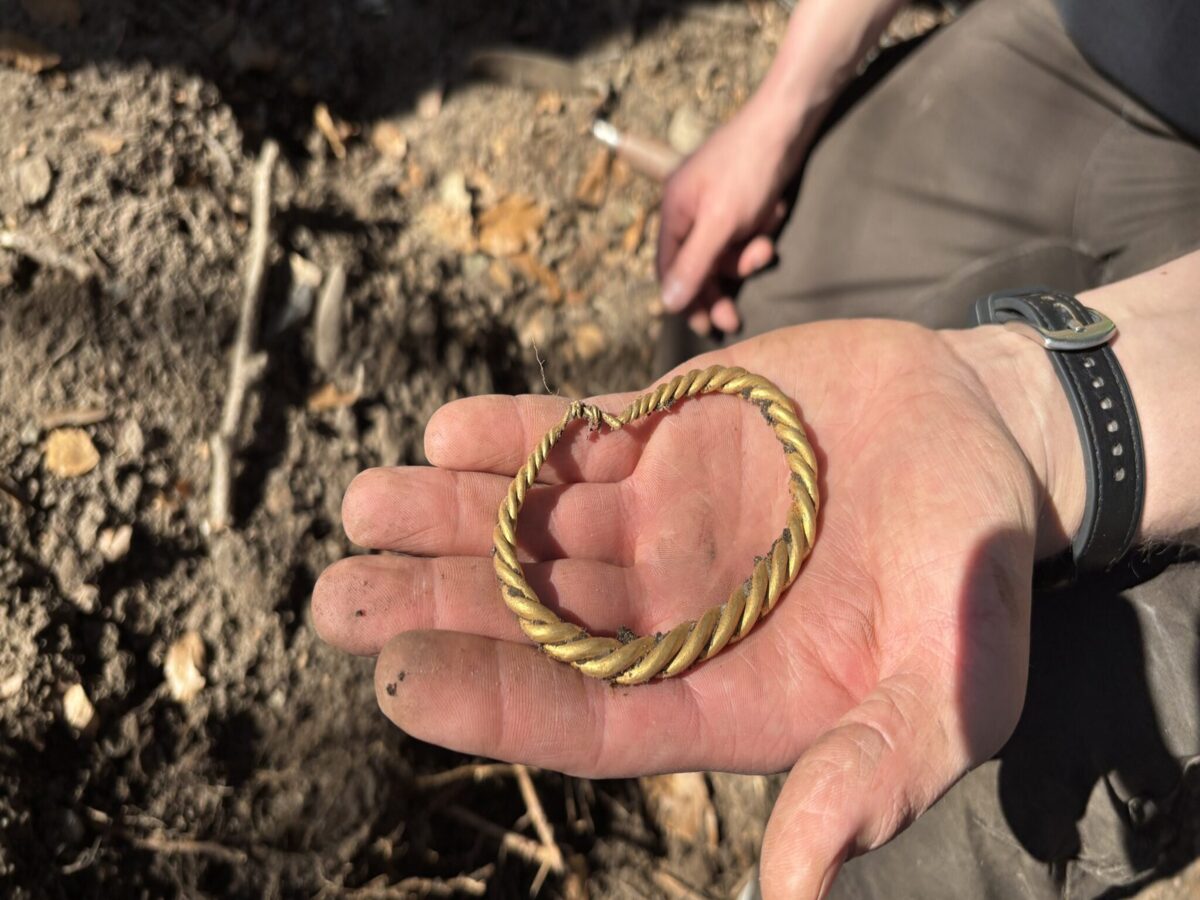
Finding the treasure in Rold. Source: North Jutland Museums
An extraordinary find
The archeologists brought the rings in for further analysis, and found they weighed a total of 762.5 grams. This makes the Rold Treasure the third largest gold find from the Viking Age in Denmark. (It is surpassed by the Tissøringen Treasure, which was found in West Zealand in 1977, and the Fæstedskatten Treasure, uncovered near Ribe in 2016.)
"Gold in the Viking Age was concentrated among the absolute elite of society, and that is precisely why finds of this type are extremely rare,” Torben Sarauw added. “The fact that two gold bracelets are found in the upper layers of the soil and without the use of a metal detector, and that four others subsequently turn up during an archaeological survey of the area, makes the find quite extraordinary in a Danish context.”
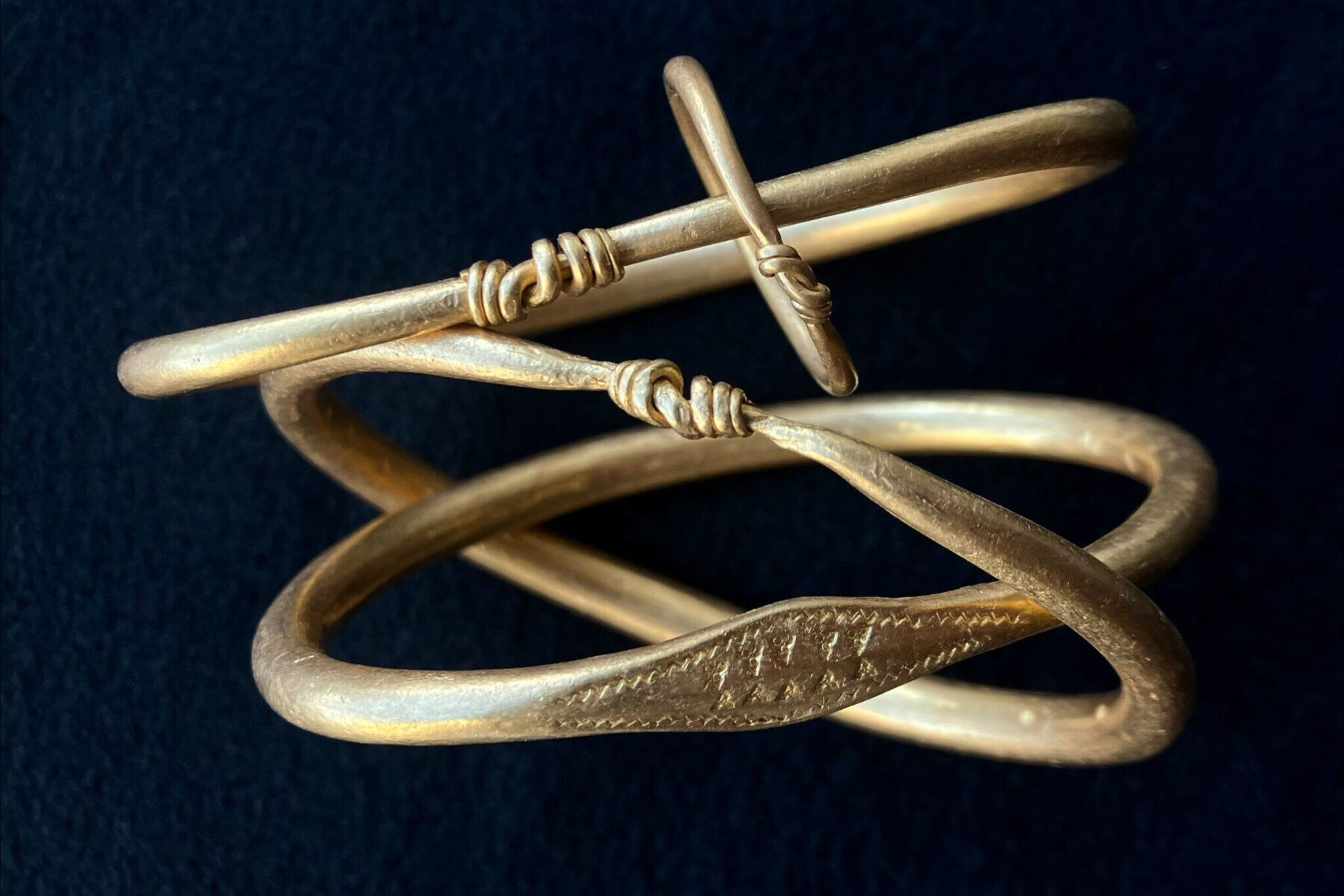
"The find includes gold bracelets with both twisted and smooth shapes,” Torben Sarauw explained on the museum’s website. “Together, these testify to a highly specialized goldsmith's craft, which also helps to make the find something quite unique.” Several of the rings have a distinctive wrapped closure, while one bracelet also carried a smaller, similar ring.
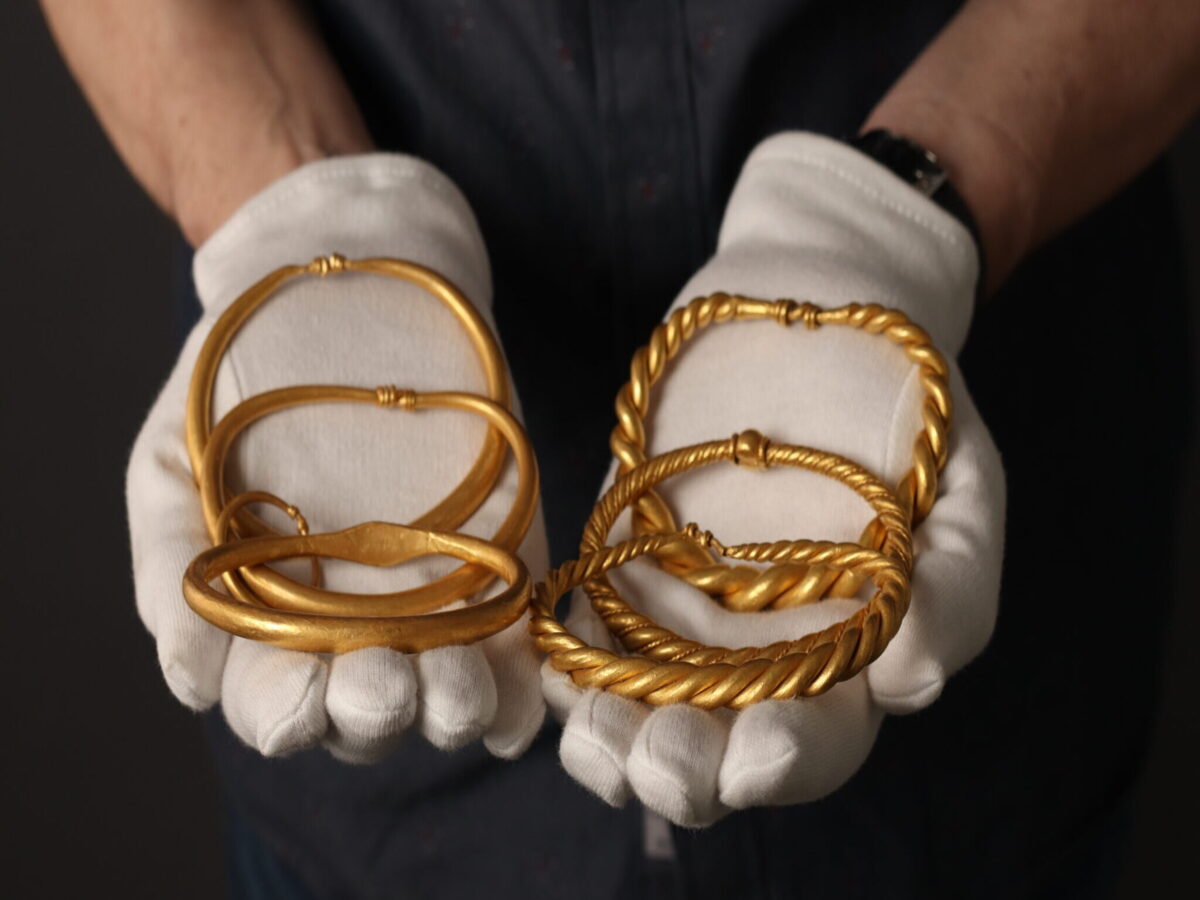
The Rold Treasure. Source: North Jutland Museums
A symbol of power and prestige
The find has been provisionally dated to around 900-1000 CE, when Harald Bluetooth and other leaders were beginning to unite the Danish into a single kingdom. According to North Jutland Museums, these types of gold bracelets were associated with power, wealth and political connections in the Viking Age.
The fact that all six of the bracelets are intact indicates that they are unlikely to have been used as payment metal. Instead, they were almost certainly seen as status symbols that signified power, rank and affiliation.
"When such rings were laid down together, it is often interpreted as a deliberate deposit either to secure values in troubled times or as part of rituals,” Sarauw added. “The full meaning of which is difficult to determine today. The Rold Treasure therefore gives us a rare insight into the world and social structure of the Vikings.”
After further tests have been conducted, it is hoped that the bracelets will be placed on display at the Aalborg Historical Museum in the coming months.
We get to provide readers with original coverage thanks to our loyal supporters. Do you enjoy our work? You can become a PATRON here or via our Patreon page. You'll get access to exclusive content and early access.
Feel free to reach out to discuss potential stories that may be in the public interest. You can reach us via email at [email protected] with the understanding that the information you provide might be used in our reporting and stories.