

The County Administrative Board of Jönköping County in southern Sweden has announced the discovery of a large hoard of coins from the Viking Age.
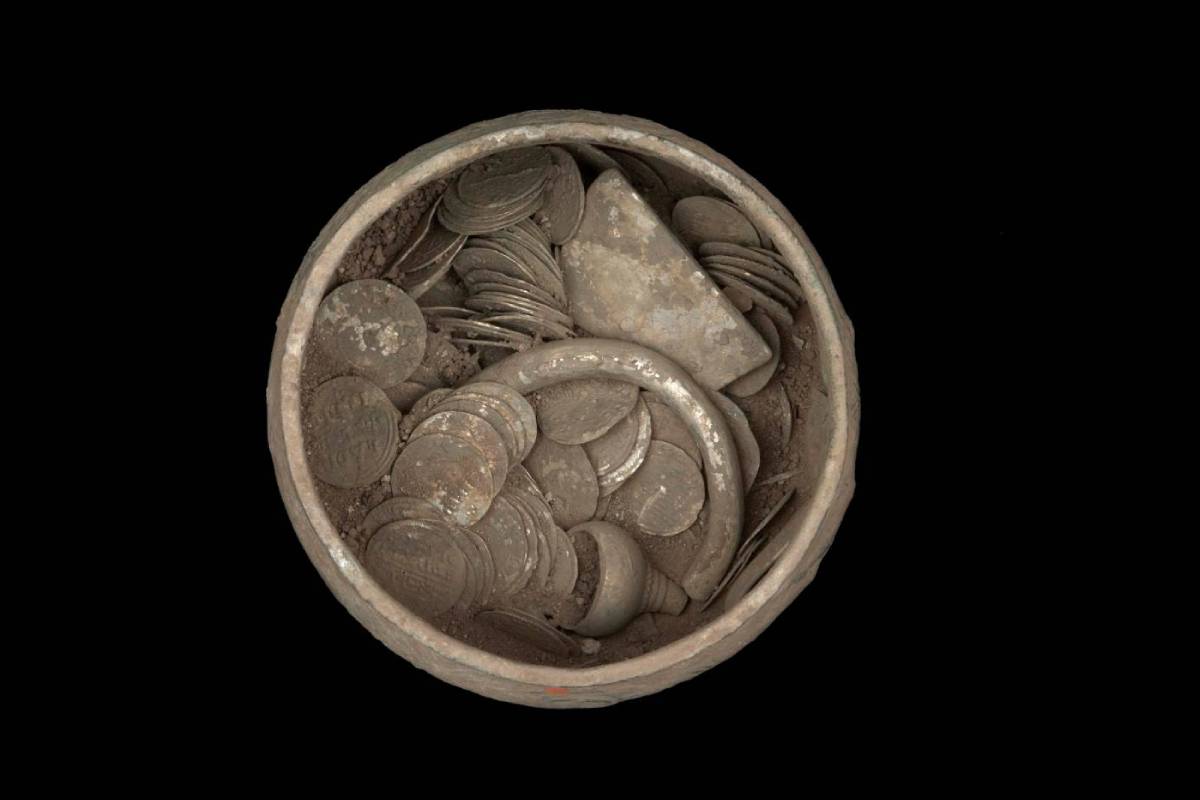
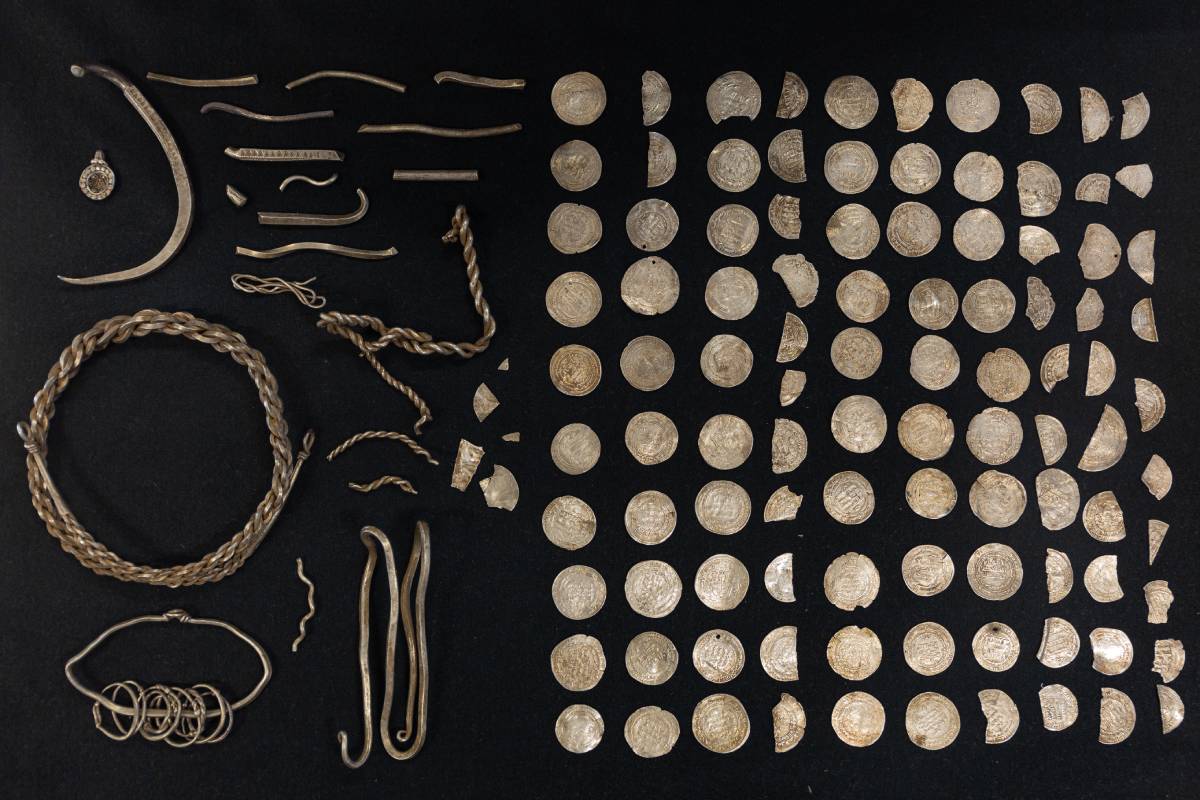
The collection, which includes around 100 silver Arabic coins, an amulet ring, and an intricately decorated pendant, was unearthed as early as 2019 but has only recently been revealed to the public after some complicated legal issues.
Risk of imprisonment
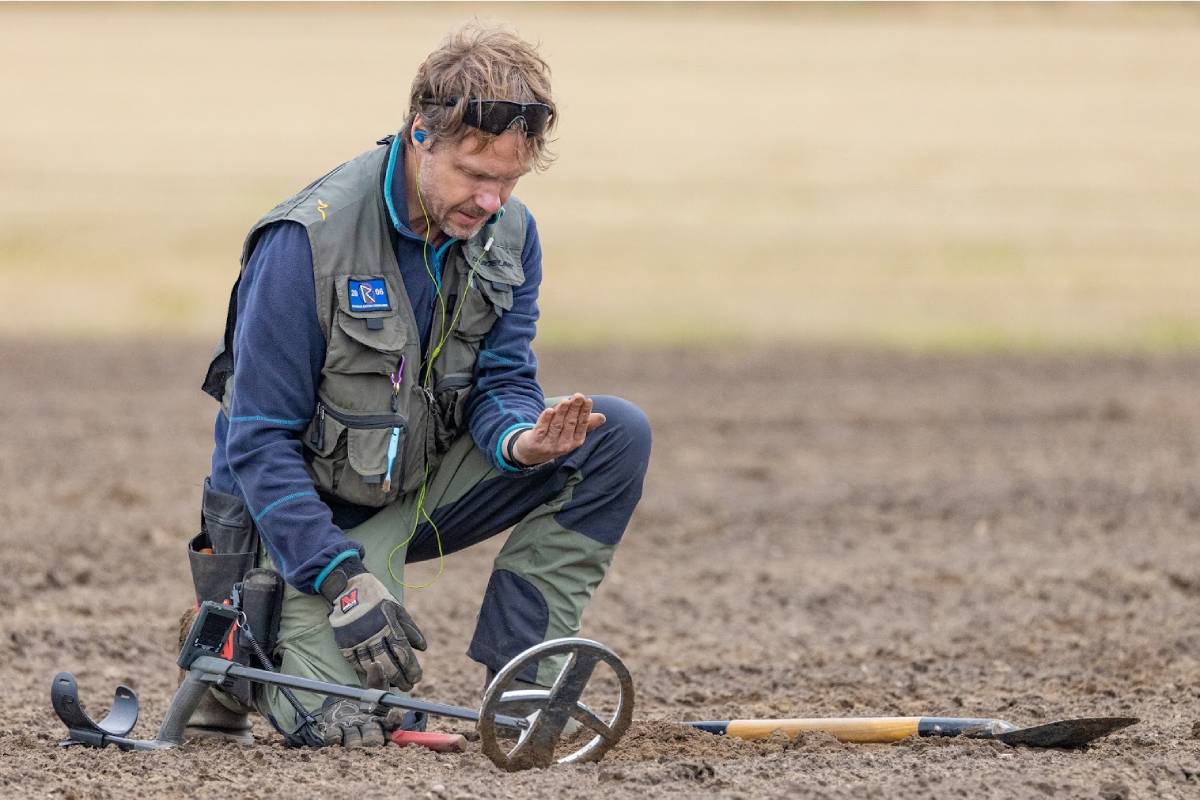
"The artifacts were found through the illegal use of a metal detector," explains Anders Kraft, an archaeologist who works as an antiquarian for Jönköping County.
"In Sweden, it's completely forbidden to use metal detectors without permission from the County Administrative Board. The punishment by law for this kind of use is up to four years in prison. In the county of Jönköping, I'm the one who writes such permissions."
The law has been set in place primarily to help safeguard historical assets. "The place for the find is currently confidential, but it is in an area that has a strong context with prehistory," Anders tells The Viking Herald.
"Permissions would never be granted there because of the risk of detecting ancient artifacts. According to the Cultural Environment Act (Kulturmiljölagen), it's forbidden for the public to search for ancient finds."
In this case, however, the actions of the metal detectorist created a tricky situation: the person who found the artifacts had a historically important find on their hands, yet knew they would have been liable to criminal charges if they had personally turned them over to the authorities.
Fortunately, a solution has now been found. "The find was delivered by people we trust but who at the same time also know the person who found the treasure," Anders tells us.
"The silver hoard was delivered to our office in the city of Jönköping, but this would not have been possible without these intermediaries."
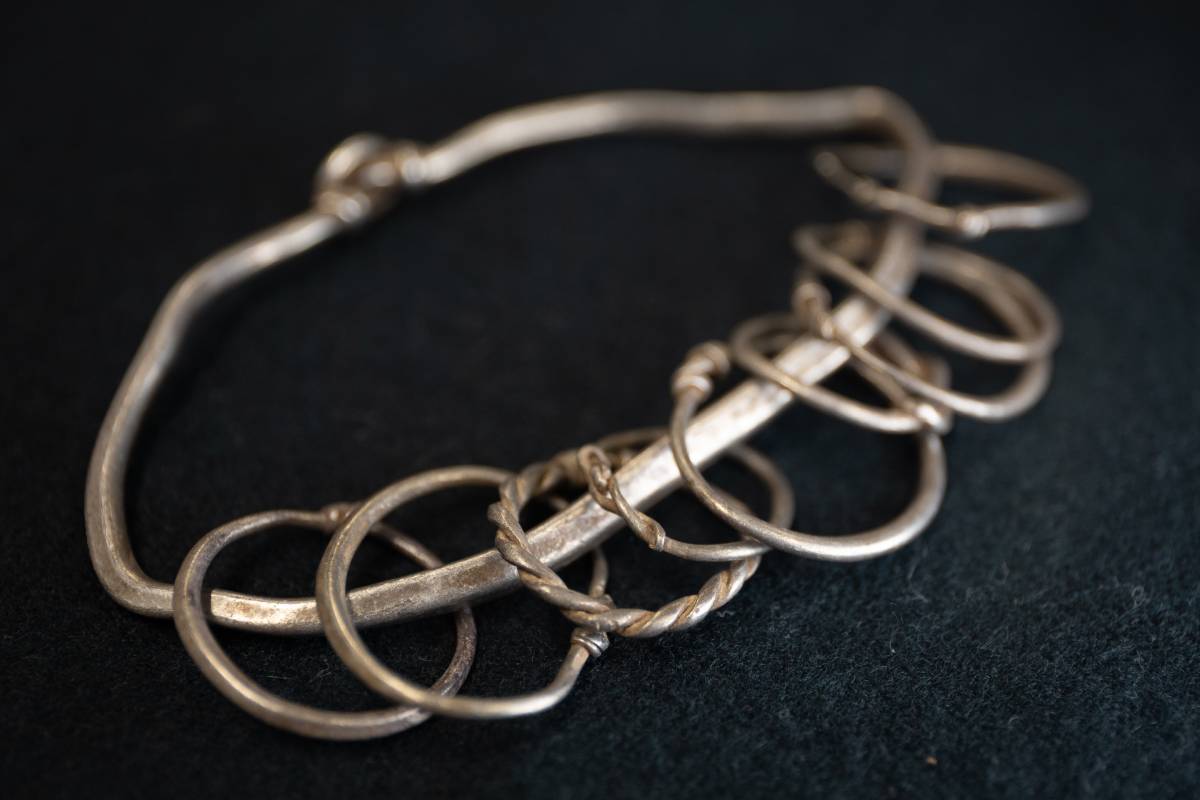
An amulet ring, consisting of a large ring with nine smaller rings, may have had varying ritual meanings based on the objects attached. Photo: Pär Axenfjord / Länsstyrelsen i Jönköpings län
Arabic coins and amulet rings
The team swiftly began their initial analysis. "We spent about a week in preparation before we could announce the find," Anders tells The Viking Herald.
"We had to examine the silver hoard itself and determine what the artifacts consist of. The main significance is found in the combination of the different kinds of artifacts."
"It's the first of its kind in the county of Jönköping, though it is not unique in national terms. However, we hope the large number of artifacts in this hoard can give us a lot of scientific facts about the Viking Age period in a regional context."
The treasure has been provisionally dated to the early Viking Age and includes approximately 100 Arabic silver coins, though around half of these are fragmented.
The use of Arabic coins in trade was common throughout Scandinavia in the 8th and 9th centuries.
The find further strengthens the belief that the Vikings initially traded frequently with regions to the east in this period.
Later, the Norse gradually transitioned to using English and German coins and eventually began producing their own mints and currencies.
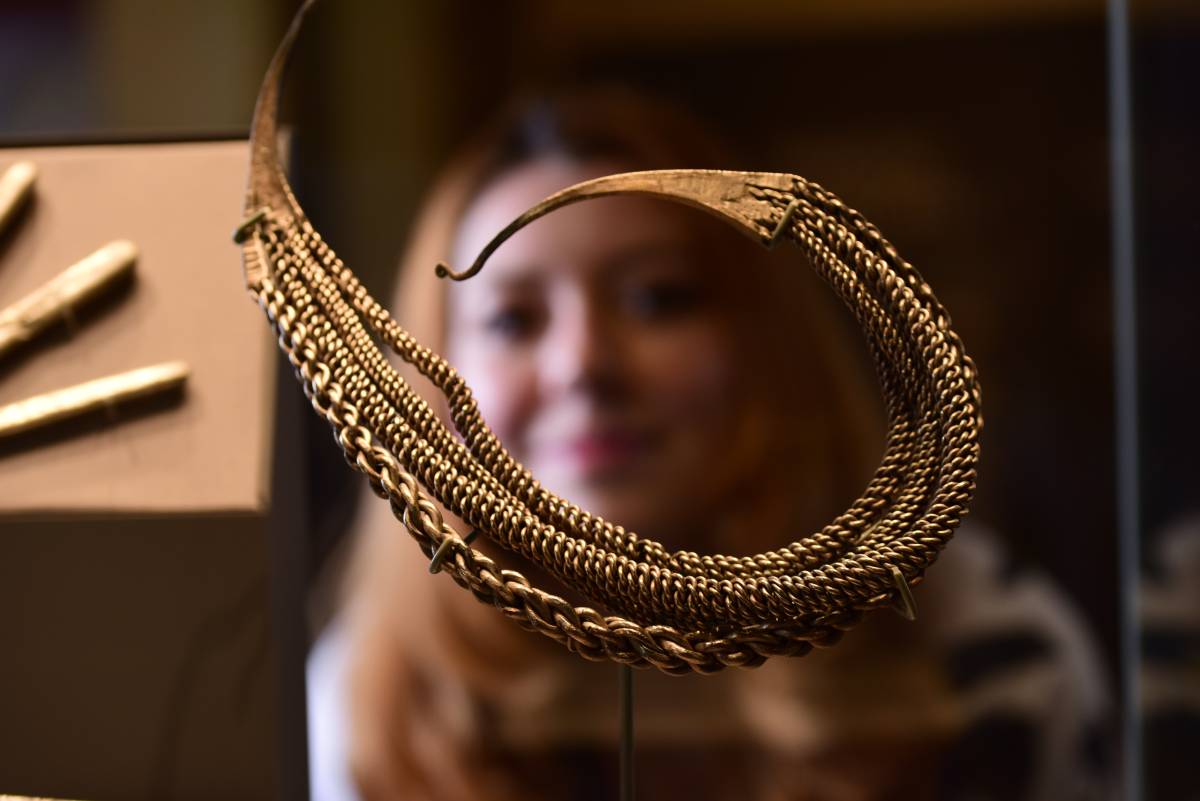
The finds also include a plaited silver necklace, ring pins, and a small, bowl-shaped pendant. Of particular interest is an amulet ring – a large item of Viking jewelry that has several smaller rings attached to it.
As the museum notes, amulets were considered ritual objects in Norse culture and were often placed in the ground in an effort to encourage a more positive future.
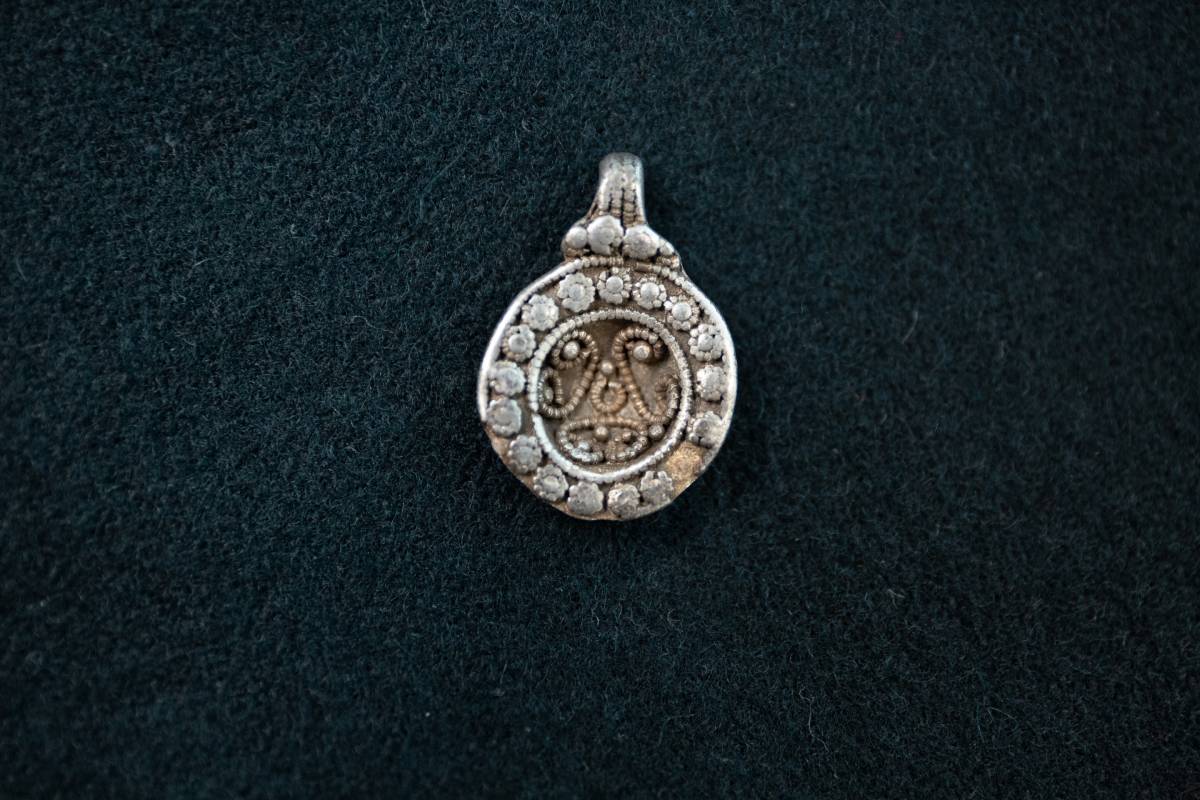
A spoon-shaped pendant, likely worn as a necklace by Viking women, is believed to symbolize a wine ladle modeled after those of the Roman Empire. Photo: Pär Axenfjord / Länsstyrelsen i Jönköpings län
Expert analysis needed
Despite his delight at the find, Anders stresses that the analysis is far from complete, with more research needed to provide definitive answers about the artifacts.
"We have had some contacts with experts already, who have told us a lot about the finds and their age," he informs The Viking Herald.
"At this moment, we are in touch with item conservators who are going to examine the hoard and give it the proper conservation treatment. Numismatic experts will examine the Arabic coins, and each artifact will undergo further analysis by Viking Age specialists."
While the analysis is still in progress, the County Administrative Board will apply to the national Swedish authorities so the treasure can eventually be exhibited at the Jönköping County Museum.
In the meantime, they emphasize the importance of ensuring historical finds can be examined in situ by professionals.
All metal detectorists in Sweden should be aware that it is essential to have a permit, and if you happen to unearth a historical find, contact your local administrative board for assistance.
We get to provide readers with original coverage thanks to our loyal supporters. Do you enjoy our work? You can become a PATRON here or via our Patreon page. You'll get access to exclusive content and early access.
Feel free to reach out to discuss potential stories that may be in the public interest. You can reach us via email at [email protected] with the understanding that the information you provide might be used in our reporting and stories.