

What motivated the Vikings to launch their earliest westward raids?
Historians have offered a range of explanations: dynastic conflict, resource scarcity, shifting economic centers, and even religious friction. No single factor has proven sufficient to explain the Viking diaspora.
Most scholars now agree that the Viking Age emerged from a confluence of long-term trends. And yet, within this broader tapestry, one resource has often escaped serious analysis: salt.
A desire to control access to high-quality salt may have influenced Viking behavior during the earliest phase of expansion into Western Europe. Specifically, it offers a potential explanation for the repeated attacks on the monastery of Saint Philibert on the island of Noirmoutier, beginning in 799 CE.
Until recently, the topic was relegated to the bookshelves of historical journals past, but recent archeological research on the early medieval herring trade adds essential support to the theory by confirming an early and substantial demand for salt in Scandinavia.
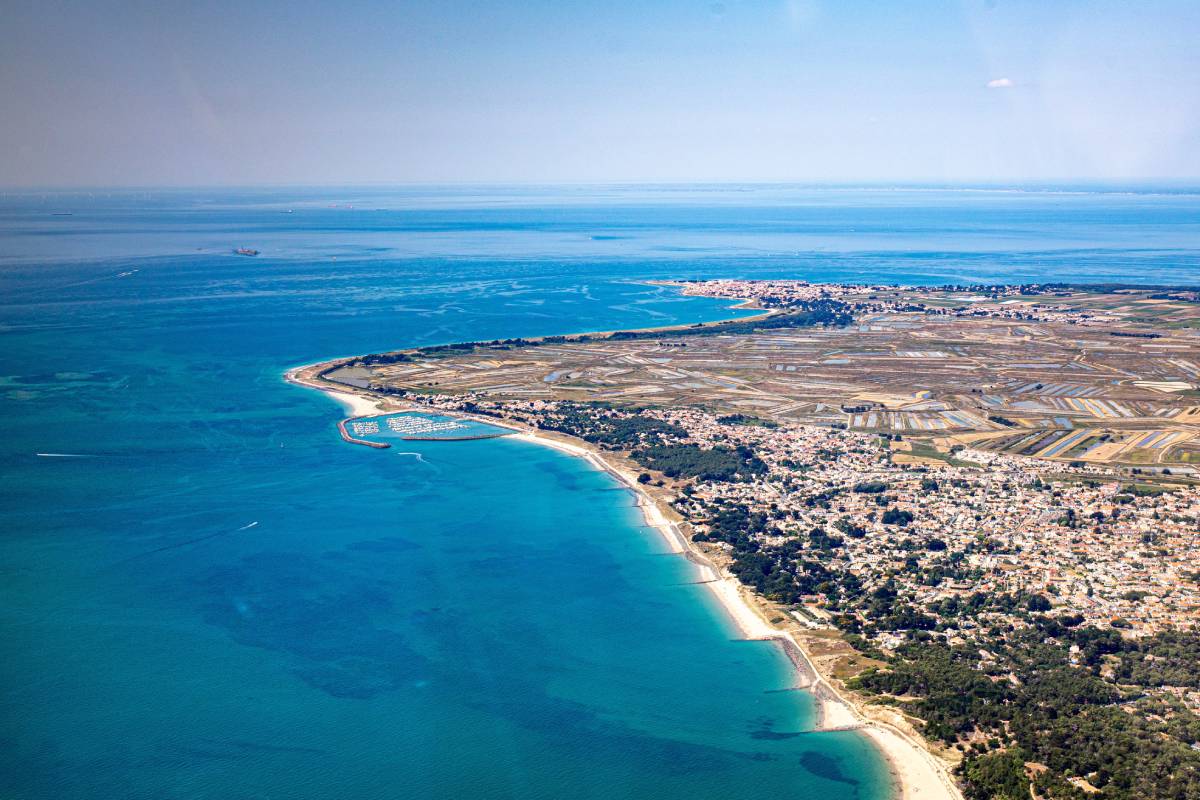
An exposed island off the French coast, Noirmoutier was raided more than better-known sites like Lindisfarne or Iona. Photo: Olivier Malard / Shutterstock
The enigma of Noirmoutier
One stands out among the early Viking raids into Western Europe—not for its violence but its persistence.
Between 799 and 836 CE, Viking fleets returned with alarming regularity to the small island of Noirmoutier, off the coast of France, to attack the monastery of Saint Philibert.
By 836, following attempts to repel the invaders, the monks abandoned the island for good.
This behavior contrasts with raids elsewhere on similarly remote and ill-defended sites. Lindisfarne (793), Iona (795), and other vulnerable monastic settlements across the British Isles suffered devastating attacks, yet the Vikings did not return to those sites with anywhere near the same frequency.
The pattern raises an obvious but unresolved question: why Noirmoutier?
Recent scholarship from Dr. Stephen Lewis demonstrates with a high degree of confidence that salt may indeed have been the target of Viking raiders.
His research follows many other historians who have proposed salt as a motive for the repeated Norse incursions on the island.
It is not the motive of salt that remains a mystery; it's why salt drove the Vikings to exploit that specific area with such persistence. The answer may lie in the systemic causes of the Viking Age.
- READ MORE: The Viking history of France – Part 1
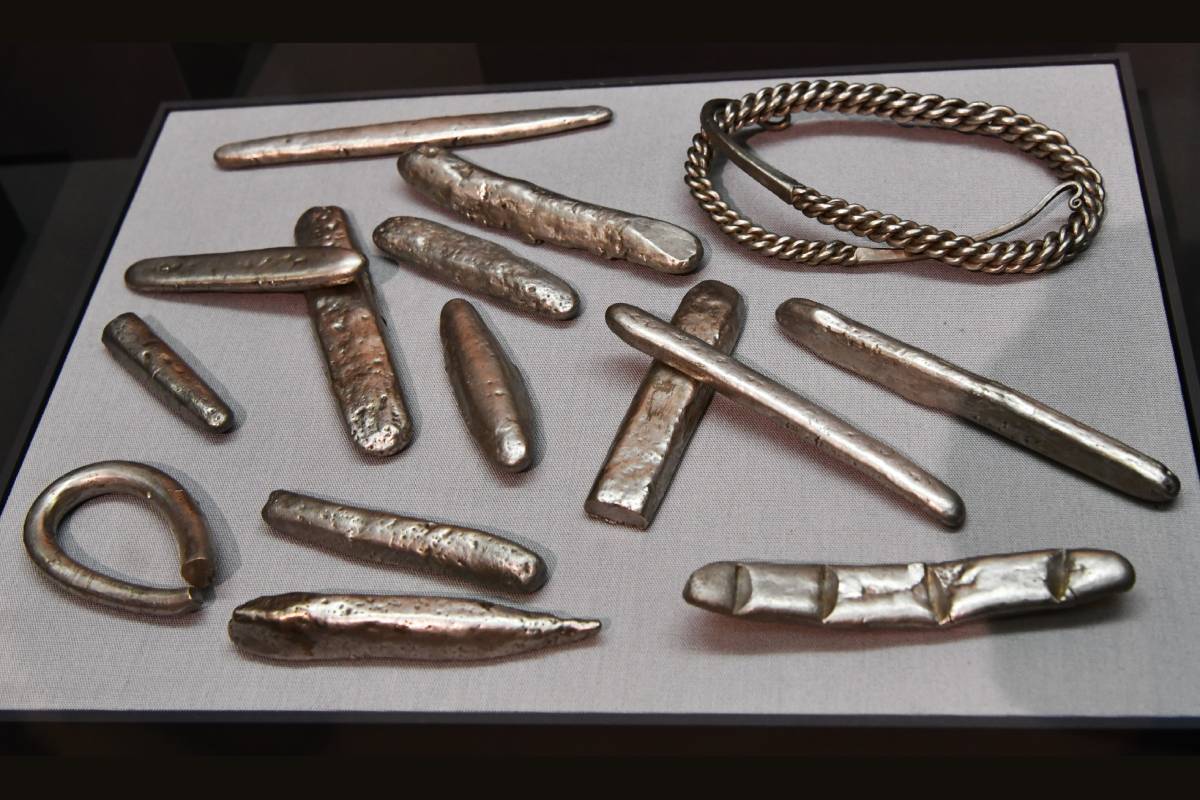
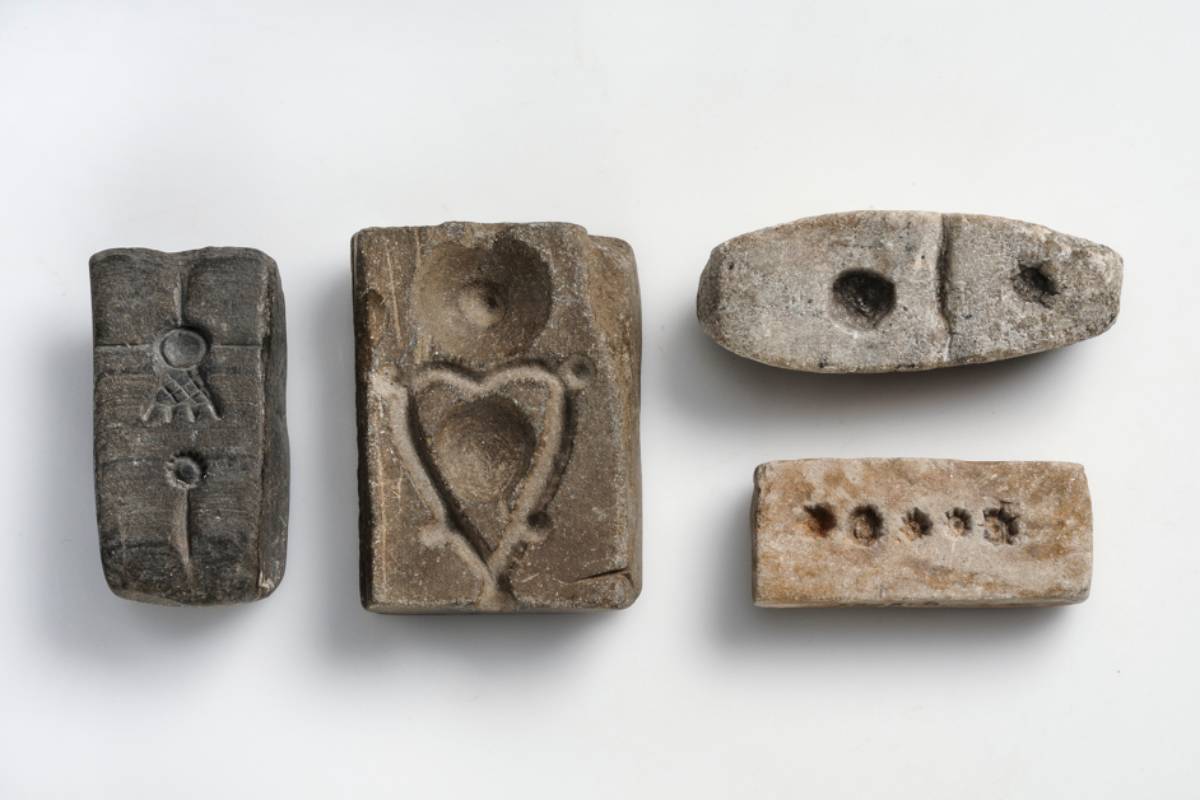
Pieces of silver like these served as currency, dowry payments, and trade goods in Viking society. Photo: Michael Garlick / Geograph (CC BY-SA 2.0)
The silver economy and the need for equilibrium
Over the past two decades, historians and archeologists have deepened our understanding of the Viking economy regarding plunder and social cohesion.
Archeologist Søren Sindbæk and others argue that silver functioned as more than just currency; it stabilized marriage alliances and property arrangements in Scandinavian society.
The bride price, a central feature of the early medieval household economy, often required silver payments negotiated between families.
This system worked when silver remained scarce. However, when the Rus opened trade with the Islamic world in the late 8th century, a flood of silver entered eastern Scandinavia, especially Sweden.
This silver influx may have inflated bride prices, disrupted local economies, and introduced severe instability. In response, communities without direct access to silver needed something of equal value to exchange—something the Swedes would want.
Traditionally, historians pointed to enslaved people and portable wealth, such as silver, wine, and, of course, salt, as the major exports Vikings brought from the West to trade East.
These commodities certainly played a role. However, they may not tell the whole story. Slaves and wine were perishable, and silver was available closer to home. Salt, however, may have been harder to acquire.
Demand for salt in Viking Age Scandinavia
Until recently, salt never ranked among the items considered valuable enough to drive long-distance raids. Silver, enslaved people, wine, and finely worked goods were the staples of portable wealth.
Salt, though essential, appeared too ubiquitous to warrant such costly and dangerous expeditions.
A Danish friend once told me, "You can walk fifty kilometers in any direction and hit the ocean. We don't need salt in Denmark."
That statement encapsulated the central objection: demand for salt strong enough to provoke sustained, targeted Viking aggression as far away as southwestern France and as early as 799 CE remained unproven.
While scholars acknowledged the economic value of salt more broadly, few considered it decisive in early Viking activity.
Until, that is, new scholarship started to investigate certain economic factors at play at the outset of the Viking Age.
- READ MORE: What did Vikings trade?
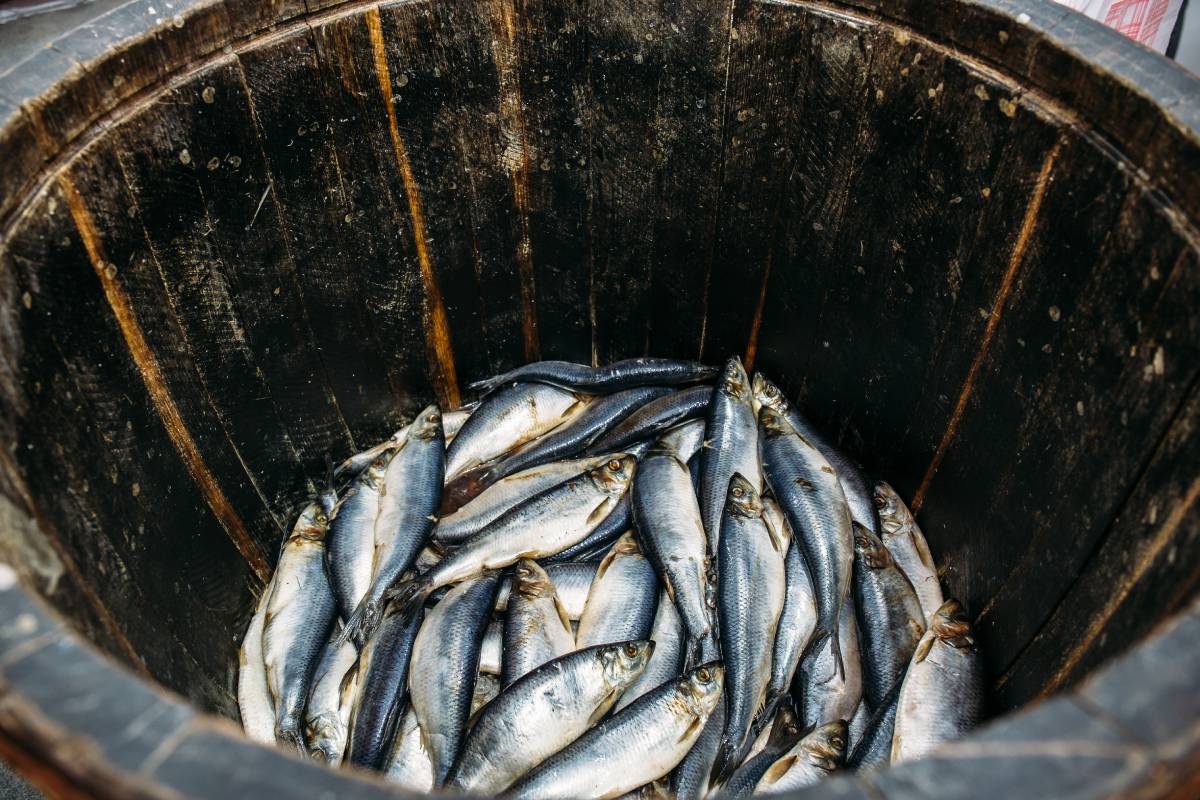
Salted herring became a key commodity in Viking trade, driving demand for salt across the North Sea and Baltic. Photo: DedMityay / Shutterstock
A new link: The herring trade and archaeogenetics
In 2022, a study published in the Proceedings of the National Academy of Sciences revealed that the herring trade in the Baltic began centuries earlier than previously believed—around 800 CE, not 1200.
Researchers analyzed herring bones found at Viking trading sites like Truso and identified them as originating from the saltier waters of Denmark and southern Norway.
In other words, herring was being transported from the North Sea into the Baltic right when the first Viking raids in the West began.
Unlike cod, which can be dried, herring is a fattier fish that spoils quickly. It must be salted to survive any journey.
The implications are profound. Herring bones on the eastern Baltic confirm eastward trade from the Norse and Danes to the Rus and a corresponding demand for salt, one strong enough to alter Viking trade and logistics.
Salt production in Scandinavia at the time may not have proved sufficient to fulfill the demand of the emerging herring trade, and trade with the Carolingians, who controlled inland salt mines, may have started to restrict access around the same time.
This may be the critical link that has been missing.
Denmark and Norway needed salt to preserve their herring, which they traded with the Rus (or Swedes), who needed preserved fish (and perhaps other foodstuffs) and salt for long expeditions up the freshwater rivers toward Constantinople and beyond.
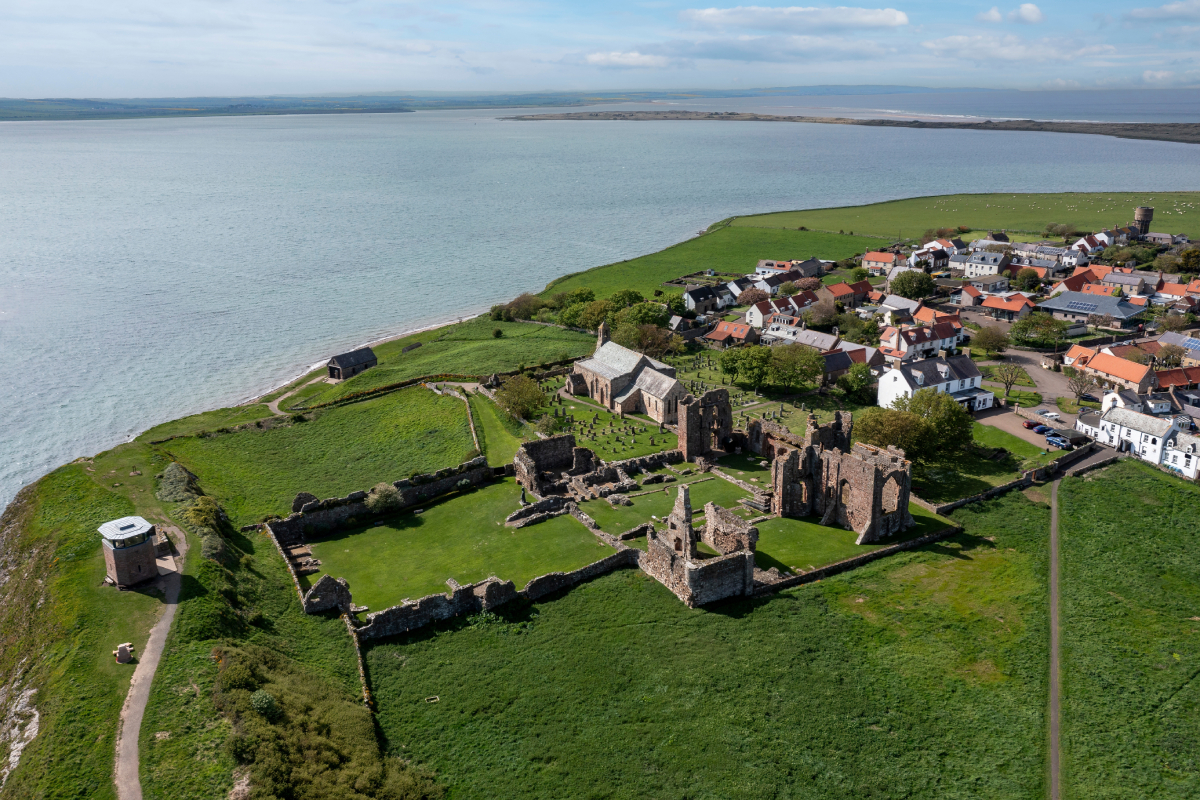
Lindisfarne was one of the earliest monastic sites raided by Vikings, possibly along established trade routes. Photo: GrahamMoore999 / Shutterstock
The monastic trade network and a plausible path of discovery
Consider the early Viking raid progression: Lindisfarne (793), Iona (795), and then Noirmoutier (799).
These attacks may trace the approximate route salt may have taken across the Irish monastic trade networks.
Several scholarly works have examined trade networks in place before the first raids to determine whether the Vikings had exploited them, rather than randomly choosing targets.
In this scenario, the Vikings may have first encountered high-quality salt at Lindisfarne and followed the monastic trade route in reverse, which would have led budding Viking entrepreneurs straight to the source—Noirmoutier.
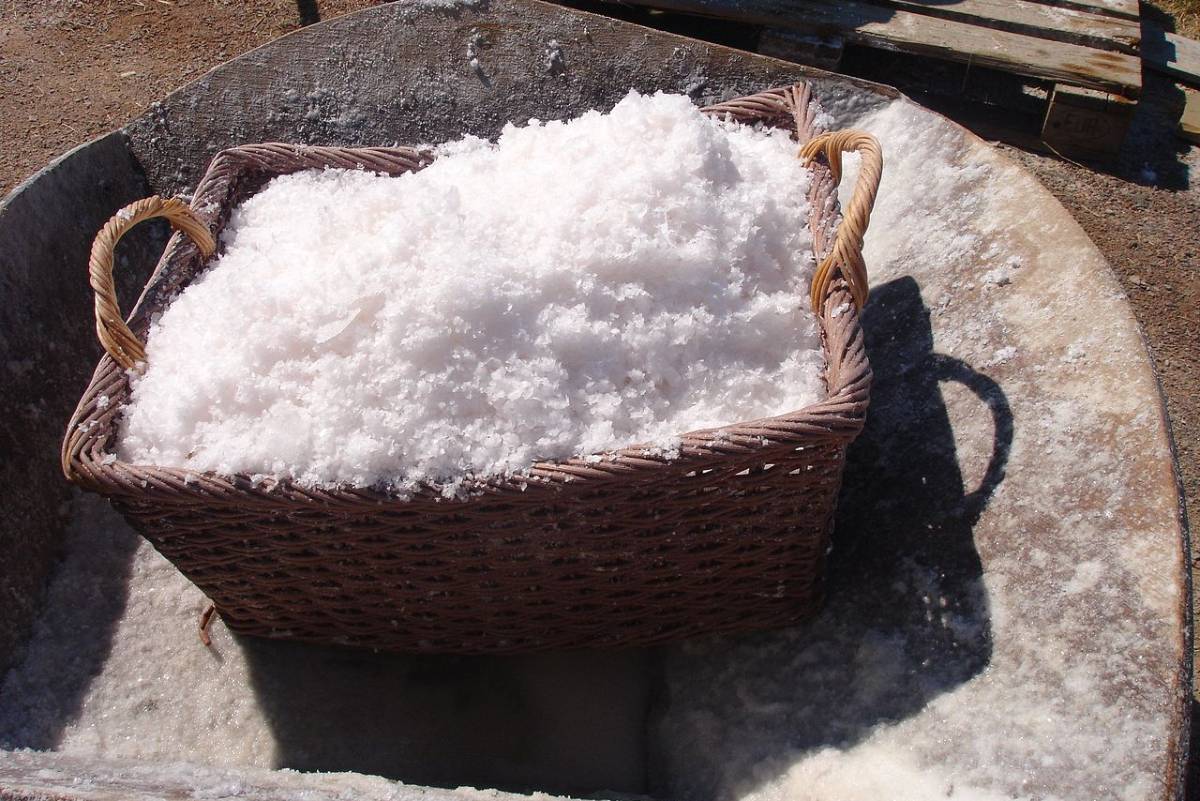
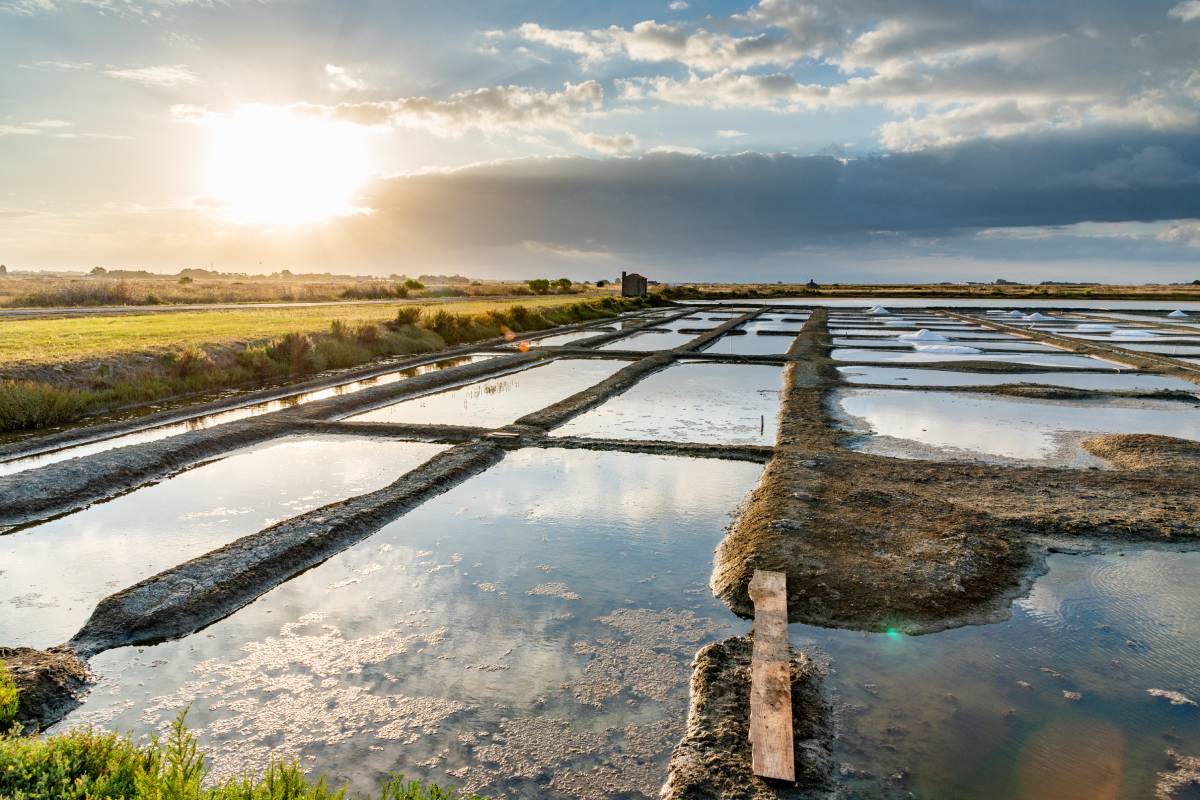
Coarse sea salt like this, harvested at sites such as Noirmoutier, became a strategic commodity in early Viking trade. Photo: Pinpin (CC BY-SA 2.5)
A salt economy, rediscovered
The idea that salt alone launched the Viking Age is unsupportable.
However, given recent scholarship and archeological discoveries, salt emerges not as an afterthought but as a keystone within the broader context of societal pressures, silver inflation, trade imbalance, and economic interdependence between disparate regions.
The repeated raids on Noirmoutier make sense when viewed through this lens.
The monastery was isolated and poorly defended, and it sat atop one of the most valuable resources in Europe during a time of desperate need due to economic expansion in Scandinavia.
Suppose the Danes and Norwegians sought to maintain equilibrium in a destabilized economy. In that case, control of salt may have allowed them to trade preserved herring eastward, acquire silver, and afford the rising bride prices back home.
This article is a high-level summary of my research on the topic, which I am preparing for submission to a peer-reviewed journal. For a more in-depth exploration of this topic, read my "popular" article titled The Viking Island.
We get to provide readers with original coverage thanks to our loyal supporters. Do you enjoy our work? You can become a PATRON here or via our Patreon page. You'll get access to exclusive content and early access.
Feel free to reach out to discuss potential stories that may be in the public interest. You can reach us via email at [email protected] with the understanding that the information you provide might be used in our reporting and stories.