

Like it or not, the older you get, the more the world changes. Without wanting to sound like a rapidly aging millennial (guilty as charged), the certainties and truths of yesterday and yesteryear rapidly shatter as the days and years pass.
The Arctic – that frosty northern region of the world – was once the frozen backwater of world affairs.
Nowadays, it is a new setting for a Cold War between Western countries and rivals such as China and Russia. With Finland and Sweden now in the NATO alliance thanks to Russia's invasion of Ukraine, the Arctic has seen an intensified military build-up.
Throw into this mix the untapped resources of the Cold North, eyed especially by a more aggressive Russia and a more assertive China – and things are heating up in this snowy neck of the world.
The changing climate has also made once-frozen routes along the northern coast of Russia and the Nordic region more navigable.
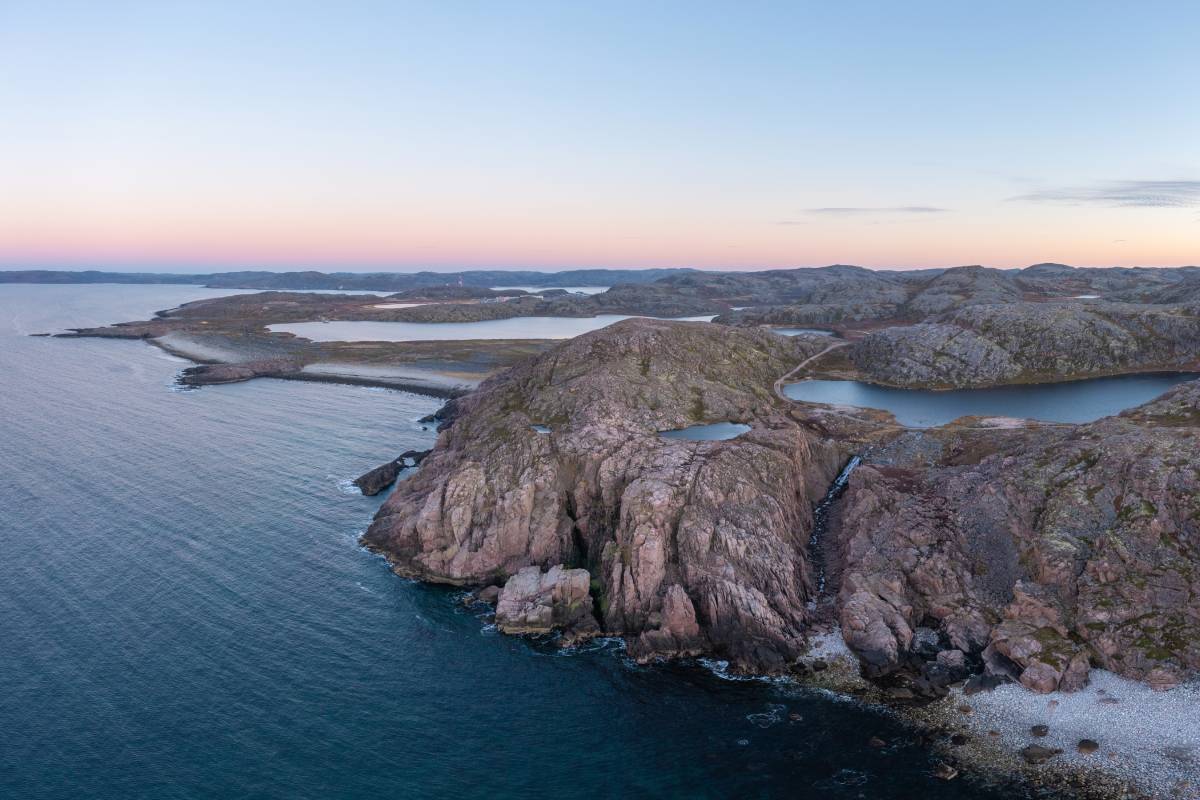
There has been a flurry of activity, especially in the Barents Sea, which roughly divides Russian and Norwegian territorial waters.
Where Russian frigates or Chinese freighters now ply their trade, it was once ships of a different culture and civilization – still driven by economic and military interests – that sailed here.
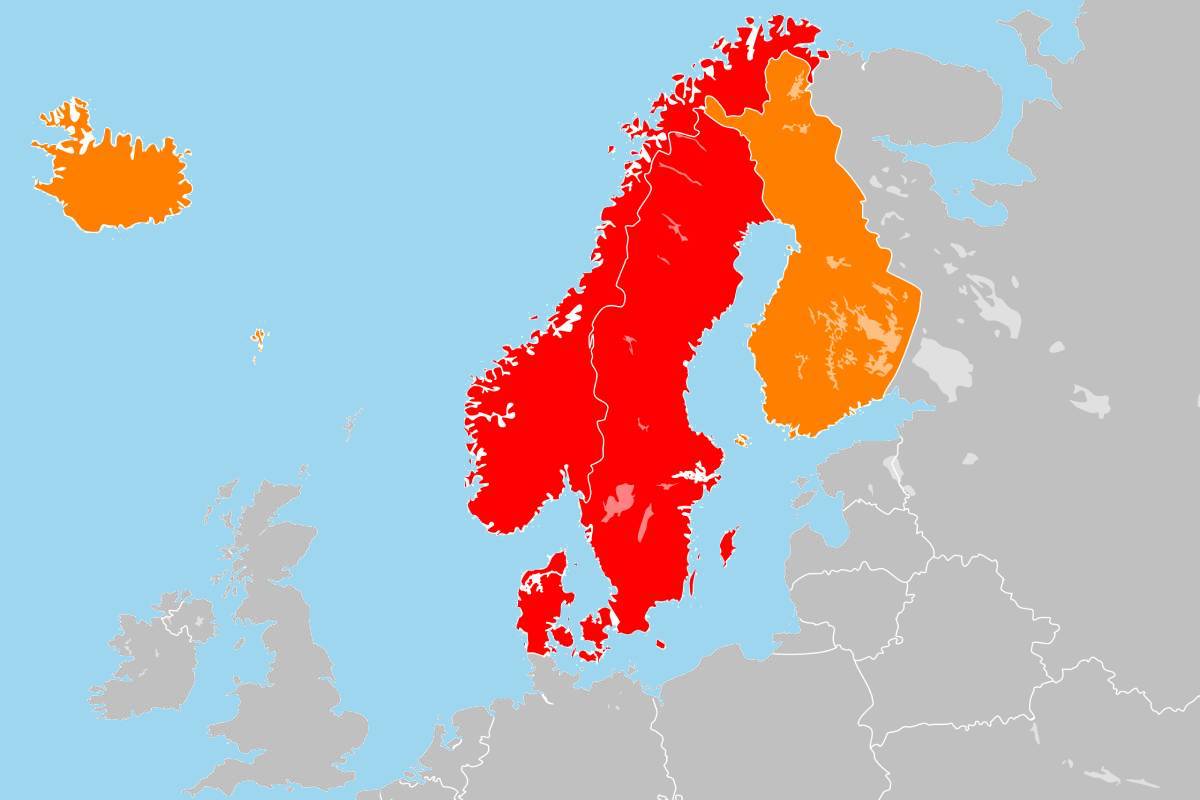
Red highlights Denmark, Norway, and Sweden as Scandinavia, while orange includes Finland, Iceland, and the Faroe Islands as the Nordics. Source: DemonDays64
Early medieval Europe's best explorers?
Is it possible that people from Viking societies were the best European explorers of the early medieval period?
Let us, for a second, examine the record. We know that Viking societies developed in the Scandinavian Peninsula and its surroundings during the glowing embers of the Nordic Iron Age (c. 500 BCE – 800 CE).
Any look at a map of Scandinavia today will show that it is engulfed by sea. Given the rugged landscape of this region – where arable land was at a premium – the only way for these people to survive and thrive was to take to the seas.
During the Viking Age (c. 750 – 1100 CE), people from Viking societies set out to trade, raid, settle, conquer, and colonize huge swaths of the then-known and unknown world.
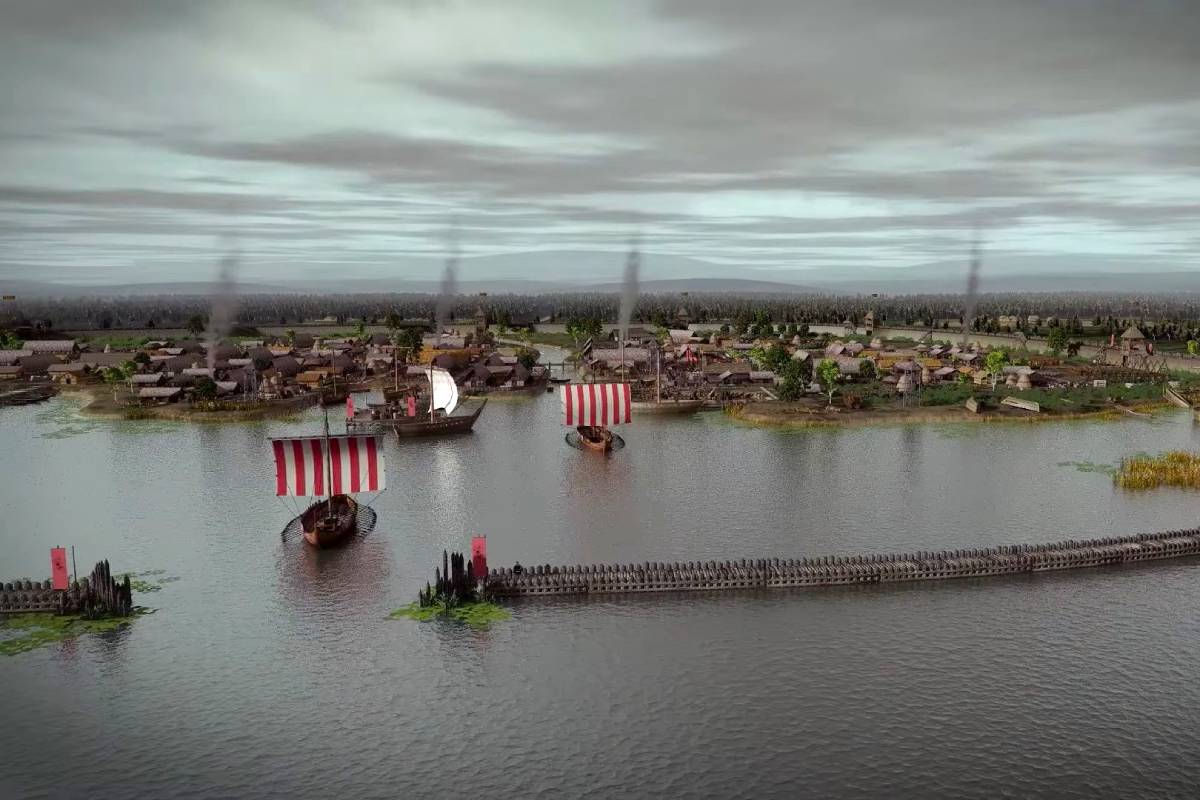
Whether they traveled for profit, peace, or pillage, they used their Viking ships to sail as easily across vast oceans as downstream.
They seemingly traveled everywhere – haggling over slaves in the markets of Baghdad, leaving graffiti in the sacred Hagia Sophia church, or establishing a new settlement at the mouth of the River Liffey.
People from Viking societies were nothing if not adventurous. From the shores of the Caspian Sea to the edges of what is now Canada, the early medieval northern world was often dominated by the familiar sight of a Viking ship on the horizon.
Yet, whilst their westward and eastern adventures have chewed up pages and pages of medieval chronicles, modern history books, and a fair few articles on this website, it is their northern exploits that we turn to.
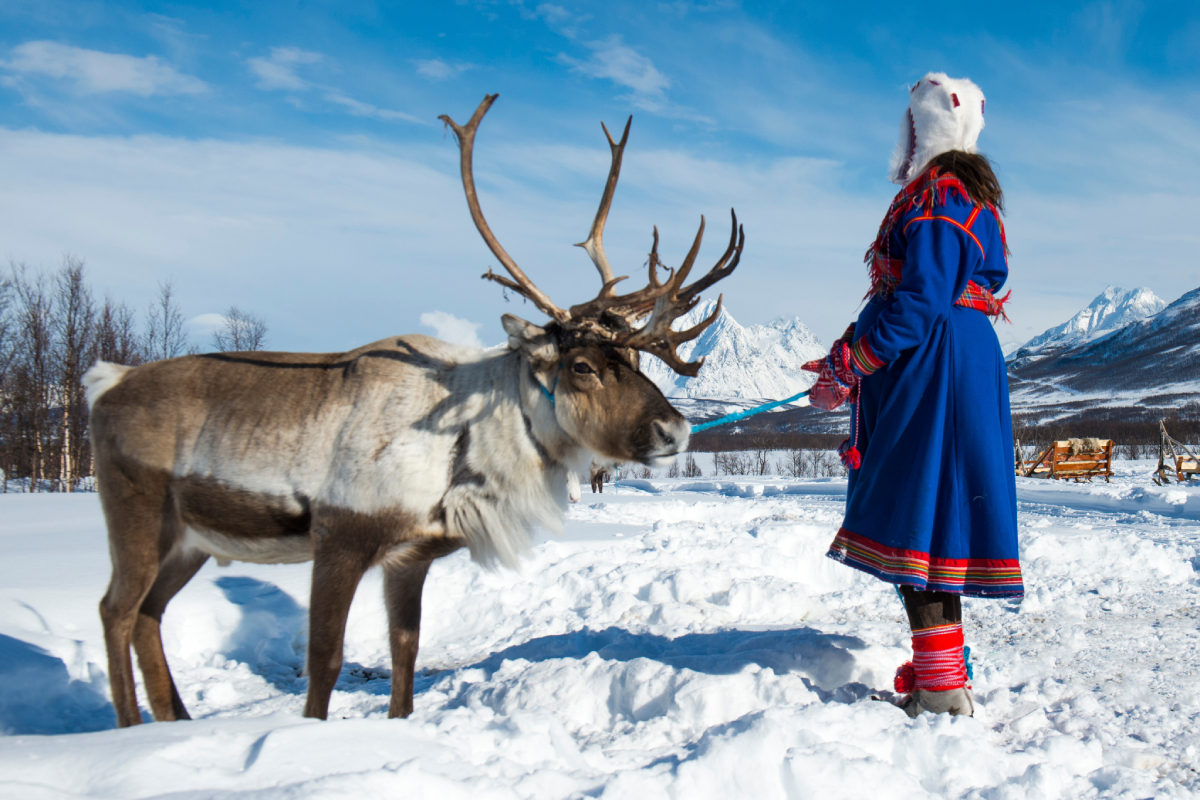
Vikings traveling through Finnmark encountered the Sámi and Ugro-Finnic peoples, obtaining valuable goods from the Arctic region. Photo: V. Belov / Shutterstock
The Northern Route
Where would Norway be without the Vikings?
Aside from the many museums, tour buses, and gift shops that help tell the story of Norway's deep love of early medieval Europe's most famous explorers, the nation itself is said to have been gifted its name – Norway, meaning "the Northern Way or Route" – from this era.
People from Viking societies who lived in what is now Norway would travel along the coast to reach the very north, including the modern Norwegian province of Finnmark.
From here, it was only a short sail through the Barents Sea to the northern fringes of what is now Russia and what was then the very northern fringes of the Kievan Rus.
It was on these trips, as Tette Hofstra and Kees Samplonius write in their 1995 article in the journal Arctic, that "...the southern fringe of the Barents Sea was more than once crossed by Vikings on their way to Bjarmaland (Russia) in the White Sea area."
In this region, which spans both Norway and Russia, people from Viking societies would have encountered the local Sámi and Finno-Turkic populations.
Their interactions with these people were, as always, a combination of profit, peace, and pillage. They would raid just as easily as they would trade here, as they did farther abroad.
This led to the acquisition of highly prized commodities – including furs, timber, walrus ivory, and even polar bears – to be traded with other cultures and civilizations to the south for a tidy profit.
The steady stream of ships, people, and goods that flowed along the Norwegian Atlantic earned this route the moniker "the Northern Way" (or Norþweg in Old English) from the Anglo-Saxons in the late 9th century CE.
This name for the lucrative trade route stuck and became the name for the land of the midnight sun.
There is no doubt that people from Viking societies – or indeed traders and merchants from other cultures and civilizations – when plying this northern route would have traveled into the Barents Sea.
Whilst there was no major Viking or Norwegian settlement in this region until the establishment of Tromsø in about the mid-13th century CE, that doesn't mean that no people from Viking societies lived this far north.
We turn now to one man whose exploits in and around this northern region, including the Barents Sea, reached as far as the Kingdom of Wessex.
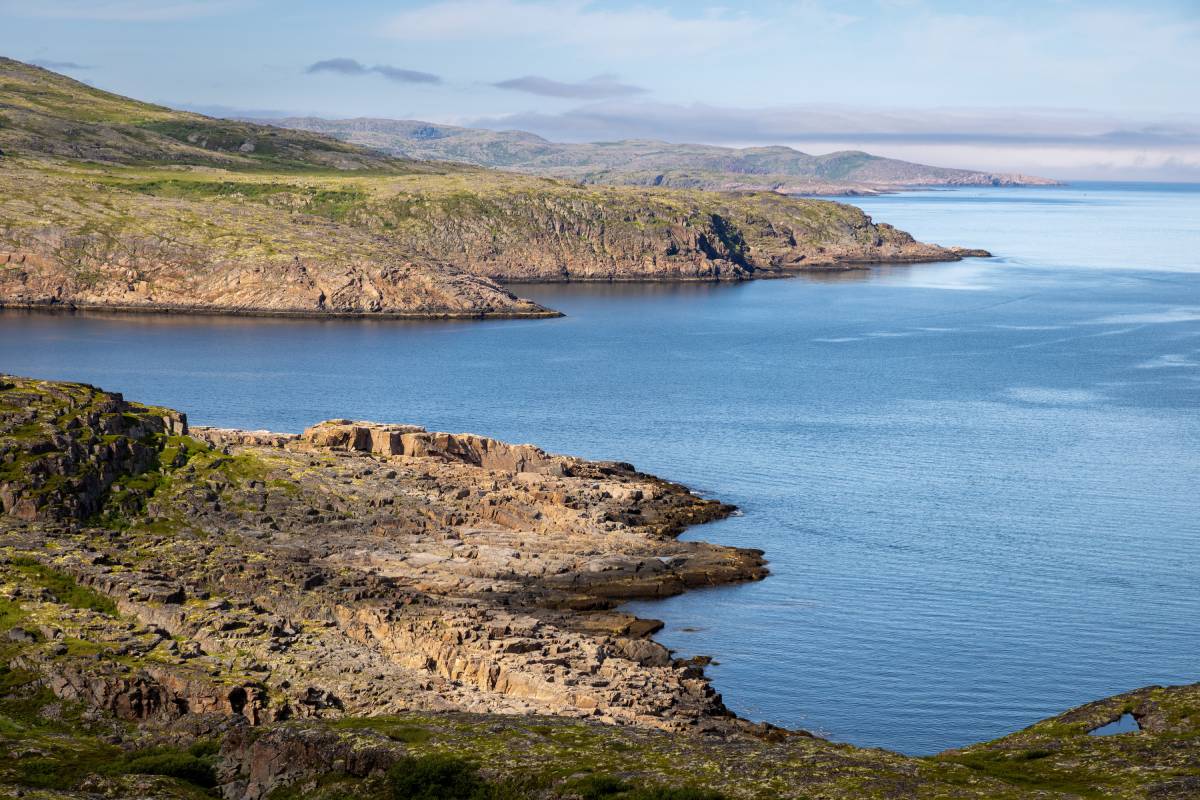
Viking ships navigated the Barents Sea, pushing into Arctic waters in search of furs, ivory, and new trade routes. Photo: savva_25 / Shutterstock
King Alfred, Ottar, and the Far North
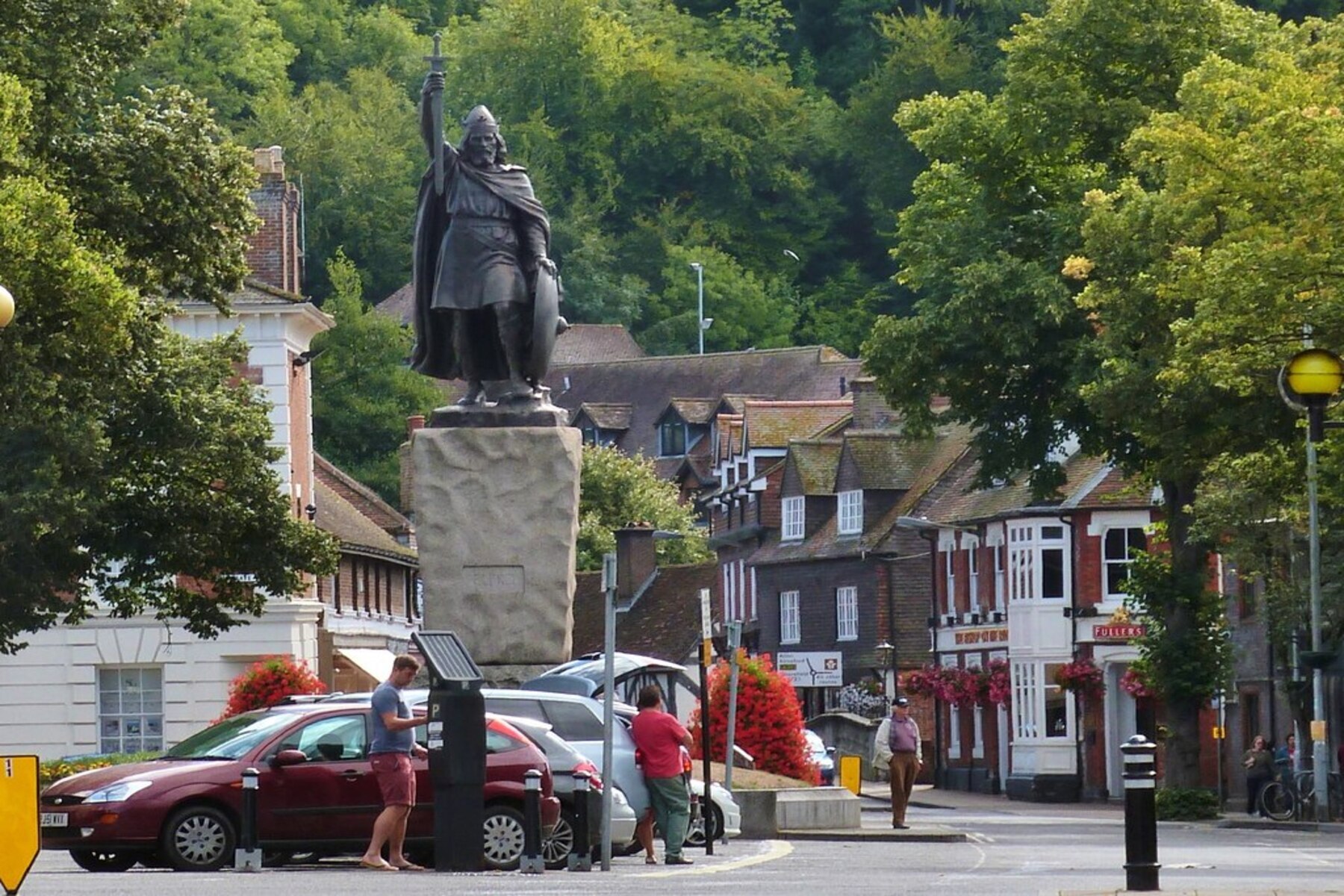
We now turn across the North Sea to the Anglo-Saxon kingdom of Wessex, ruled by King Alfred the Great.
Renowned for a cultured court, we can imagine Alfred, on his throne, wanting to be regaled by tales of derring-do and adventure.
Amongst the many manuscripts, chronicles, and books that Alfred was responsible for collecting – if not writing – was a contemporary adaptation of a fifth-century CE book by Paulus Orosius, Historiarum Adversum Paganos Libri VII, or Seven Books of History Against the Pagans.
Yet this ancient book was modified slightly to include two chapters known collectively as Ohthere's Voyage.
This voyage details the adventures and exploits of a traveler from a Viking society, Ohthere of Hålogaland (Ottar in Old Norse). Using A. A. Somerville's English translation in the 2010 book The Viking Age, we find that Ottar told King Alfred that he:
"...lived northernmost of all the Northmen. He said that he lived in the north of the country..."
Modern historians believe that Ottar must have lived somewhere around what is now Tromsø or, indeed, farther north.
One can imagine that King Alfred did not just want to know where he could send Ottar a Christmas card – he wanted adventures and details.
Given that much of this book presents an early medieval perspective on world geography, it is no surprise that we have a description of this mysterious northern region bordering the Barents Sea. Ottar tells the king:
"...on one occasion he wanted to find out how far north the land went, and whether anyone lived to the north of the wilderness. So he sailed north along the land; he kept the wasteland to his starboard and the open sea to port for three days. By then he was as far north as the whale hunters travel at the farthest. So he went still northward as far as he could sail in the next three days. Then the land turned to the east, or the sea went into the land, he did not know which, but he did know that he waited there for a wind from the west-northwest and sailed then east along the coast as far as he could sail in four days. Then he had to wait there for a due north wind, because the land turned south there, or the sea turned into the land, he did not know which..."
We know that Ottar was not alone in sailing in this region, but this is a fascinating glimpse into early medieval exploration in and around the Arctic and what we can safely assume was the Barents Sea.
Whilst lucrative trading and raiding routes may have existed farther south, people from Viking societies were aware of and did ply the frosty waters of the Barents Sea.
Their modern descendants – Norwegians, Swedes, Finns, and Russians – have transformed this sea nowadays into a hubbub of commercial and military activity, highlighting its strategic importance for this once (mostly) frozen backwater.
For more information on some of the other northern trade routes used by people in Viking societies, visit Popular Science here.
We get to provide readers with original coverage thanks to our loyal supporters. Do you enjoy our work? You can become a PATRON here or via our Patreon page. You'll get access to exclusive content and early access.
Feel free to reach out to discuss potential stories that may be in the public interest. You can reach us via email at [email protected] with the understanding that the information you provide might be used in our reporting and stories.