

Hers is a story of resilience, adventure, and leadership like no other.
Historical apologists and Viking studies
In recent decades, it has been fashionable for historians to become almost apologists for the crimes and misdeeds of those before us.
You've heard it or read it all before. Something along the lines of, "Well, sure, the Mongols were a bit rough and tough and loved a good massacre, but, you know, a maiden carrying a golden nugget on her head was able to walk from Europe to China unharmed... doesn't that count for something?"
Whilst we should never judge and insert our current values, norms, and morals on people who lived centuries before, certain truths are constant and stand true regardless of the historical era, period, or century.
One of these eternal truths is that history has largely been a boy's club.
Luckily for historians, history lovers, and writers at The Viking Herald, the study of history has evolved from simply listing a bunch of dead white kings' names and reigns.
It is only now, with modern scientific and technological advancements and new ways of thinking – inspired by reaching whole new audiences – that those marginalized aspects of our historical tale are being keenly analyzed.
This form of historical apologism has infected the study of the Viking Age (c. 750 – 1100).
For these historians, women of Viking societies are seen as the predecessors of today's fully emancipated Nordic women.
They highlight how these historical figures were, in their time, central to household leadership, engaged in running small enterprises such as farms, and possessed the ability to divorce and lead independent lives free from societal scorn or harassment.
Whilst all of this is true, perhaps more as an exception than a rule, the fact remains that women were, for the vast majority of this period, marginalized, silenced, and subjugated.
Yet one woman, known as Aud the Deep-Minded, calls down to us from the ages to remind us that not every epic saga of a woman's life is lost to the mist of time.
- READ MORE: Women and power in the Viking Age - A primer
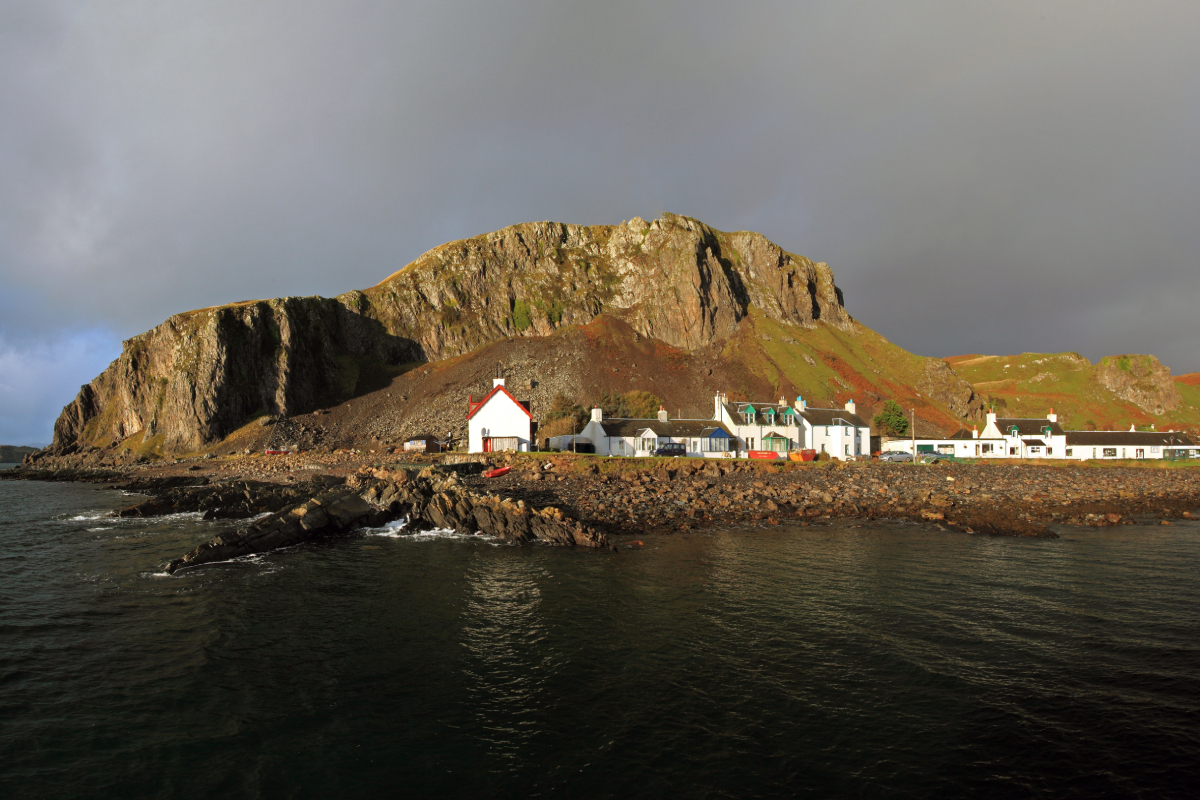
Originating from the Hebrides in the 9th century, Aud the Deep-Minded grew up in an environment that was at the crossroads of Viking and Scottish influences, preparing her for a life of leadership and exploration. Photo: Binson Calfort / Shutterstock
Early beginnings and a life of the move
Iceland was one of the last islands on Earth to be settled by humans.
The traditional story, as gleaned from the sagas, is that it was primarily political exiles and malcontents from Norway who sailed west when the country was unified by Harald Fairhair in 872.
Historians are slightly more skeptical of this exact dating, but it is generally accepted that people from Viking societies began to settle in Iceland in the latter half of the 9th century.
One of the most remarkable figures from the roughly 6-decade period of initial settlement (c. 872 – 930), named the "Age of Settlement" in Icelandic history, was a lady whom posterity has dubbed "Aud the Deep-Minded."
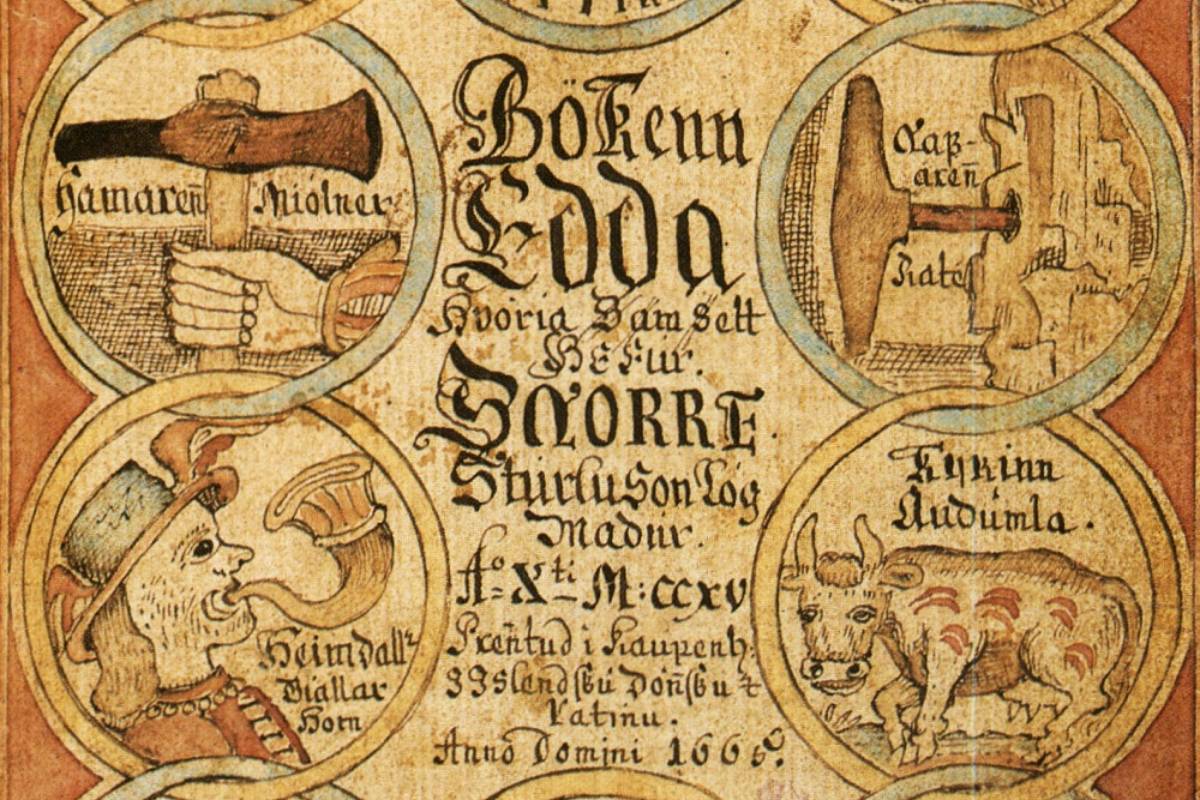
Much of what we know about her comes from several sagas, particularly the famous Landnámabók (Book of Settlements), compiled in the 13th century by Icelandic poet, politician, and her supposed descendant, Snorri Sturluson.
However, elements of her life story also appear in other popular sagas, including The Saga of Erik the Red.
Though historical details are somewhat sketchy in the sagas – these are, after all, ripping yarns and not accurate documents of history – we believe that Aud (sometimes mentioned as Unn or Audur) was born in the mid-830s in the Hebrides, islands off the west coast of Scotland.
She was born into a prestigious Viking family with connections to mainland Scotland and Norway, where her father was said to be a local military commander.
Like much of northern Scotland itself, the Hebrides had been recently brought into the Viking orbit of influence and would stay so – as would later form an integral part of the Kingdom of the Isles – until the 12th century.
Like the children of so many elites throughout the pre-modern era, Aud was quickly married off to secure political status and connections.
Her husband, Olaf the White, was the son of a Viking king in the newly established slave trading port of Dublin.
Their marriage was fruitful – a son, Thorsteinn, was soon born – but short-lived, as Olaf managed to get himself killed whilst away on campaign.
We know little of her movements next, but she found herself in Caithness, on the Scottish mainland, where she was said to have been responsible for the construction of a knarr – a large ship that was often used to ferry goods.
Taking her grandchildren with her, she set sail to Iceland, marrying off her daughters in the Orkneys and Faroe Islands.
The sagas state that she captained this ship, breaking the glass barrier as this was a job that women seldom, if ever, did, making her one of the most impressive Viking grandmothers of the early medieval period.
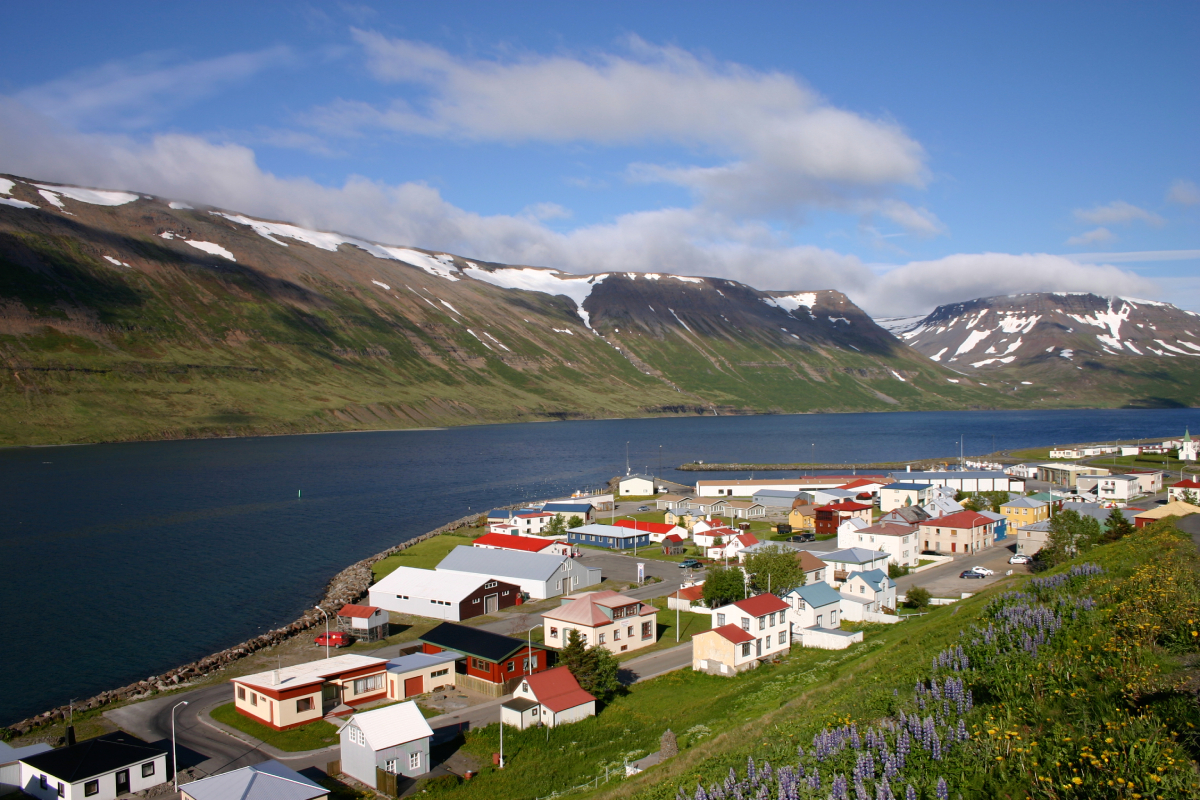
In Iceland, Aud’s actions, including freeing slaves and granting land, were crucial for the development of early Icelandic society, despite the original settlement no longer existing. Photo: Brad Weber (CC BY-SA 3.0)
Building a life and becoming a communal leader
Now, here we must pause to reflect on the audacity and courage of Aud.
Accompanied only by her son and a loyal band of followers, she sailed to Iceland to start a new life.
This journey would have been fraught with danger, as the North Atlantic Ocean was notoriously treacherous. The lack of modern navigation tools, technology, and safety gear made such journeys especially hazardous for early medieval sailors.
This endeavor would also have tested Aud's resilience and resourcefulness, requiring careful navigation, the courage to confront the unknown, and skilled management of her crew.
Upon reaching Iceland, she was said to have settled in the Dalir region, located on the western part of this rocky outcrop bobbing in the Atlantic Ocean.
She quickly established a farm with the aid of slave labor.
However, upon completing this farm and homestead, she was said to have granted her thralls their freedom.
Interestingly, she was said to have become a community leader, helping to mediate disputes, broker political alliances, and foster peaceful coexistence throughout this fledgling Norse settlement.
We know that later medieval Icelandic society was characterized by feuds and vendettas, so Aud deserves some credit for appealing to the settlers' better angels.
- READ MORE: The Viking history of Iceland - A primer
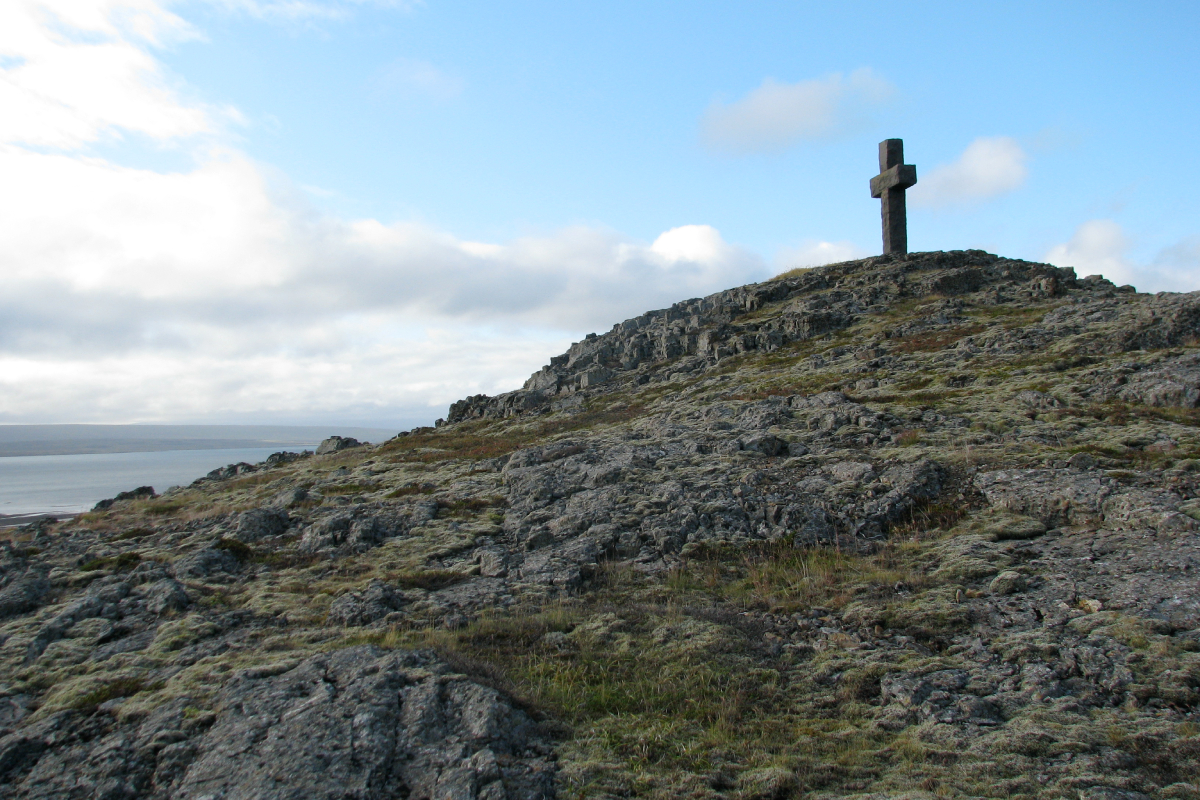
The cross at Krosshólar, situated next to Hvammur in the Icelandic region of Dalabyggð, commemorates the legacy of Aud the Deep-Minded, who originally placed a cross there. Photo: Bromr (CC BY-SA 3.0)
Death and divided legacy
Following her role as a pillar of this Norse society, Aud was said to have lived a long life, remarried, and been responsible for one of the most important political families in Iceland's medieval history, the Sturlusons.
It was her descendant, Snorri Sturluson, who compiled much of her life story and helped to popularize her epic tale.
There is much debate over both her moniker and her death.
Some sagas – including most compiled by her descendant, Snorri – depict her throwing a huge party and then announcing she was dying.
She was said to be a baptized Christian, a rarity for many Viking societies at the time, and the guests were invited to feast and be merry for three days afterward.
Her body was said to have been left for the tide to take, as there was no Christian graveyard yet.
Other sagas suggest she received her moniker for the great advice and sage wisdom she bestowed upon the early Icelandic community.
Regardless of her spiritual beliefs, it is fascinating that Aud, as a widowed lady – a group often highly marginalized and silenced in all pre-modern (and indeed, some modern) societies – managed to lead such an independent and adventurous life.
Her story of leadership, determination, and deep wisdom has continued to inspire all who have the spirit of adventure flowing in their veins.
For more information on Viking Age women, read an article by the UNESCO Courier here.
We get to provide readers with original coverage thanks to our loyal supporters. Do you enjoy our work? You can become a PATRON here or via our Patreon page. You'll get access to exclusive content and early access.
Feel free to reach out to discuss potential stories that may be in the public interest. You can reach us via email at [email protected] with the understanding that the information you provide might be used in our reporting and stories.