

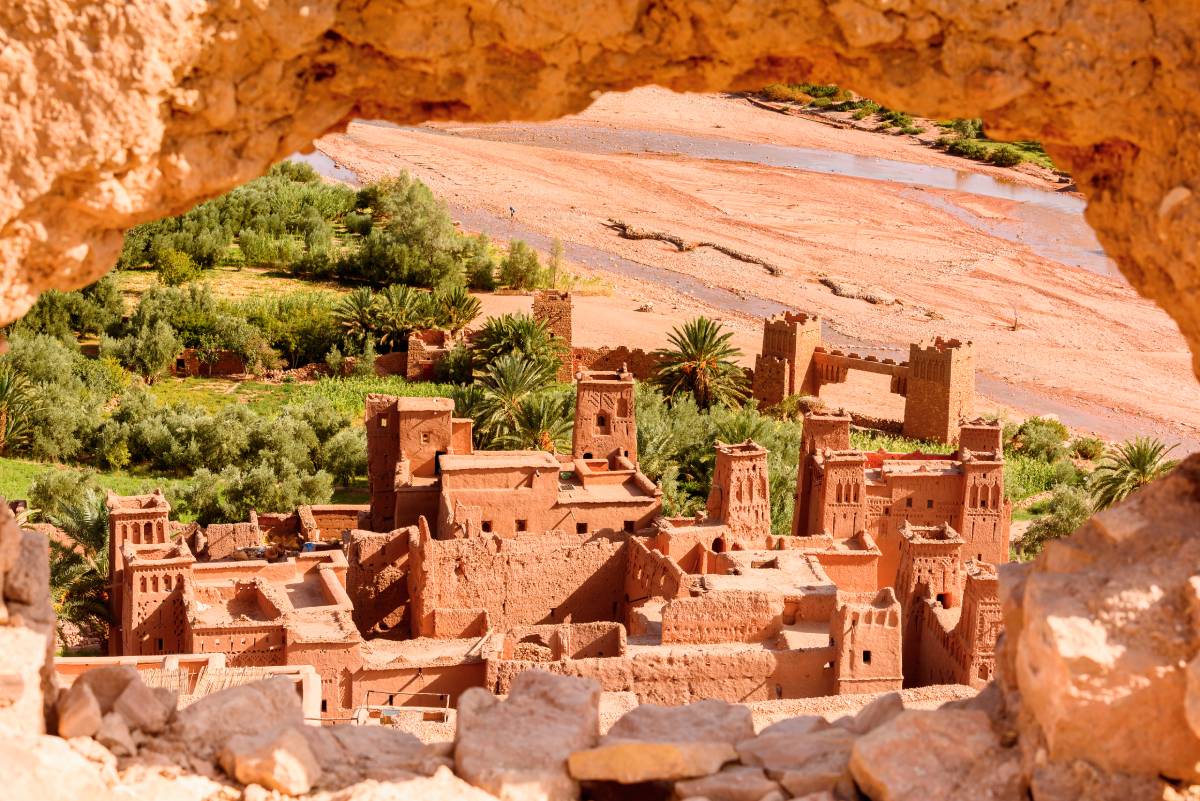
The Mediterranean shores of Northern Africa have been the playground of empires, civilizations, and societies since time immemorial.
Control of North Africa shifting like sands of the Sahara
The control of the western part of North Africa, spanning the southern shores of the Mediterranean from the ancient city of Benghazi to the Strait of Gibraltar, has shifted like the sands of the Sahara when a sirocco blows.
Though the indigenous Amazigh (sometimes known as "Berber") people have been there for a millennium, it soon became a piece of prime real estate in the political machinations of empires including, but not limited to, the Carthaginians, the Greeks, the Romans and later the Byzantines.
Northern Africa had been a key strategic and economic territory of the Roman (and later Eastern Roman or Byzantine) Empire since the defeat of Carthage in 146 BCE.
Despite the fall of the Western Roman Empire in 476 CE, the Byzantine Emperor Justinian – or, to be more precise, his brilliant general Belisarius – had reconquered much of the Roman North African domain – from the hands of the Vandals who had established a kingdom there.
The Vandals were just one of the many peoples that migrated from Eurasia and took advantage of the collapse of Western Roman authority throughout its provinces.
By 565 CE, the Byzantine Empire had won back not only former provinces in North Africa, but their territorial expansion had reached its zenith. Never again would a people who called themselves Romans control such a huge swath of the Mediterranean world.
The Muslim conquest of the Maghreb
In what was surely one of the most extraordinary military campaigns of any time period in history – let alone the early medieval period – Muslim forces from the Umayyad Caliphate managed to conquer all of the Byzantine Empire's north African territory during just six decades.
Following the death of the Prophet Muhammad in 632 CE (11 AH), the Umayyad Caliphate was the second of four major caliphates to be established.
Familial and dynastic machinations saw the Umayyad seize control of the ongoing process of the Muslim conquests of much of Eurasia, creating, at its zenith, one of the largest empires in history.
Ruling over a multiethnic and multicultural empire, the Umayyads promoted a governance of cultural and religious toleration at a level reminiscent of the most progressive democracies today.
That is not to say that the Umayyad Caliphate was all peace and love. Whilst they may have promoted cultural and religious harmony in order to ensure good governance, they also employed history's most successful and deadly armies.
An initial invasion took place in 642 CE. A force of about 20,000 soldiers marched straight from Medina (one of Islam's holiest cities) to Egypt and then further west to Byzantine North Africa.
Historians have counted three invasions – between 642 and 700 – which saw Muslim forces head westward from their Arabian heartland to conquer first Egypt and then all of the Byzantine-held territories in North Africa.
It took Muslim forces a little more than six decades to conquer an area of over 6 million kilometers / 2.3 million miles squared. They would then use this North African territory to launch an invasion of the Iberian Peninsula, conquering up to the Pyrenees by 711 CE.
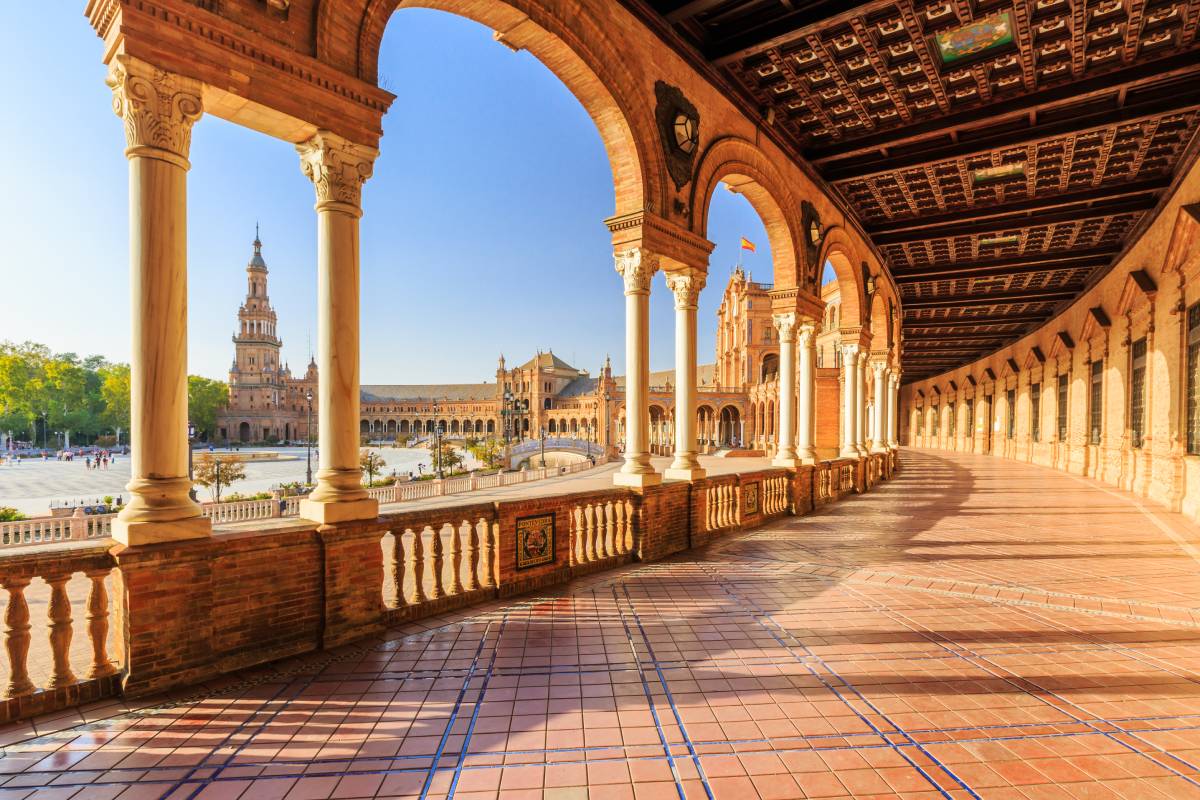
By the mid 840s CE, Vikings had made an upriver raid as far south as Seville. Photo: SCStock / Shutterstock
Vikings head south
Traditional history, at least in Western Europe, has tended to focus on the westward push of Viking peoples, especially to the British Isles and northern areas of France, from the end of the 8th century CE.
Luckily for us, though, a generation of research shows that this "Viking expansion" was so much more complex and wide-ranging than simply sailing across the North Sea to raid a few undefended British monasteries.
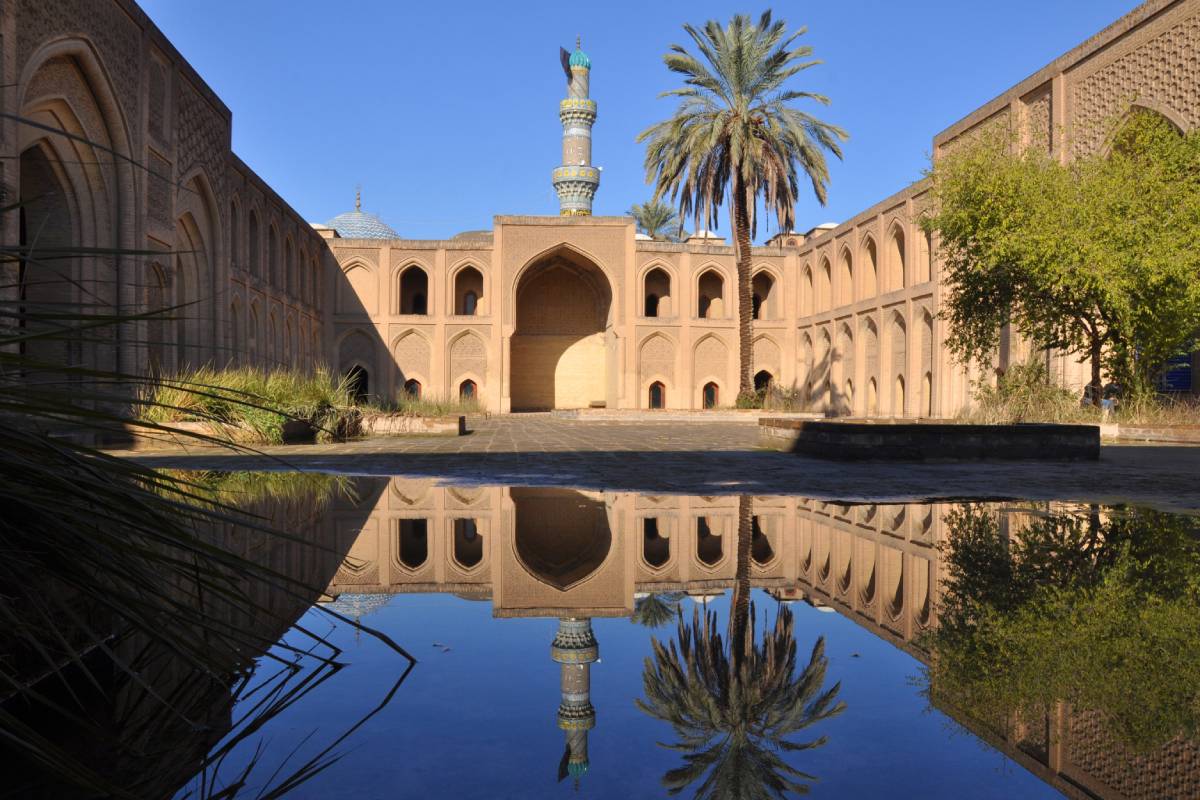
Peoples from Viking societies, especially traders, raiders, and colonizers, spread across Europe, from the steppes of Eurasia to those two great medieval metropolises of Baghdad and Constantinople and everywhere in between.
Viking raids across the largely undefended northern and Atlantic coasts of what is now France proved so successful that these raiders kept on pushing south.
By the late 8th century CE, the Muslim world had been rocked by an internal revolt, and the Umayyad Caliphate, in Spain, had given way to the new Emirate of Cordoba.
There was no doubt that the Emirate was one of the most sophisticated, wealthy, and advanced civilizations of the early medieval period. It soon became too rich a prize for the Vikings to resist.
From their bases in France, Viking raids pushed further south to raid coastal communities in what is now Portugal and Spain. By the mid 840s CE, Vikings had made an audacious upriver raid as far south as Seville.
First contact
In September 844 CE, a huge flotilla of Viking vessels launched one of their most audacious raids ever.
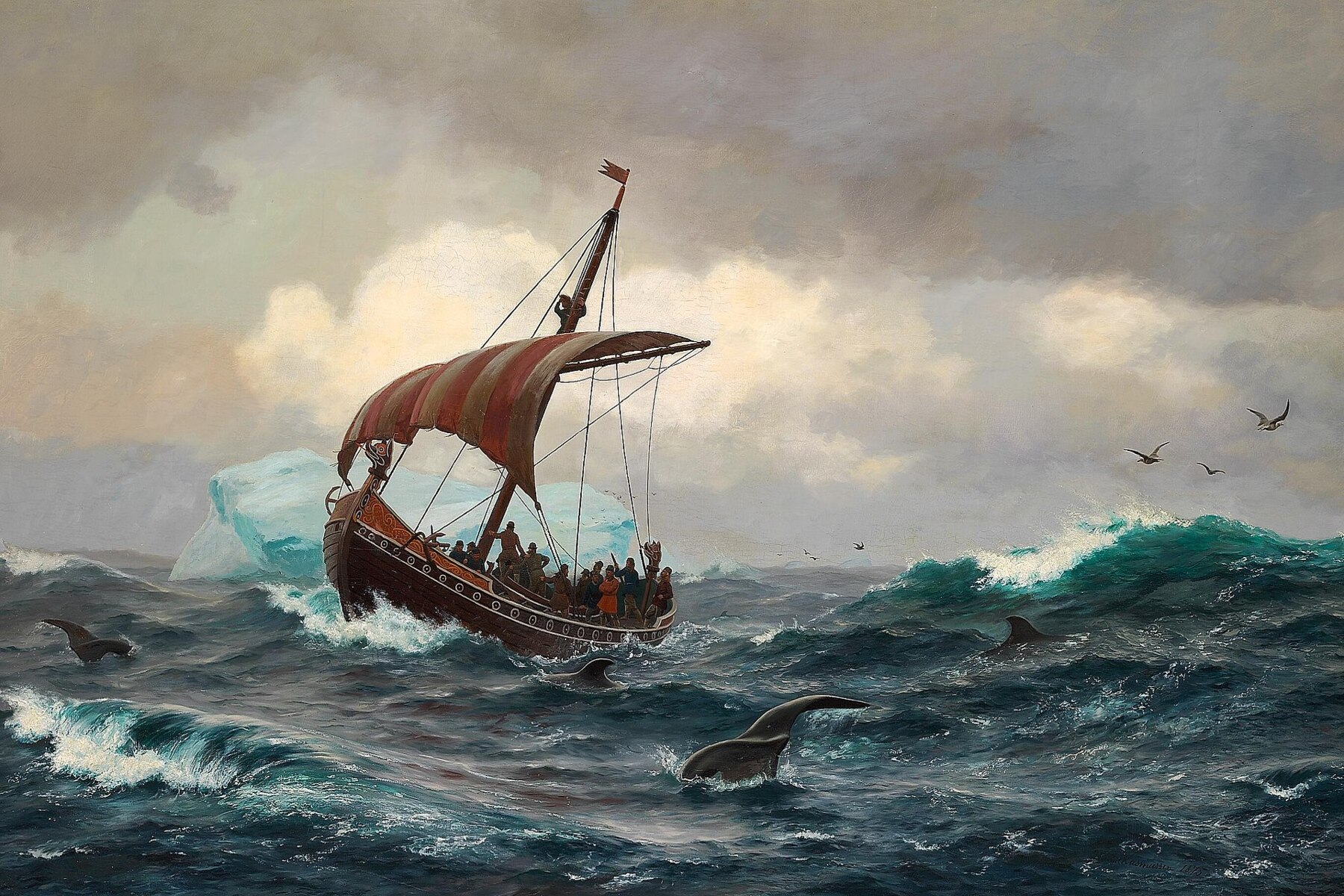
Sailing from a base in northern France, as many as 80 ships made the journey down along the Atlantic coasts of France, Portugal, and to southern Spain. They then sailed up the Guadalquivir River to lay siege to the town of Išbīliya, modern-day Seville.
Unlike other raids, this devastating attack saw the Vikings not only plunder the outer suburbs of the walled city but also lay siege and capture the city for more than two months. Yet the military response by the Emirate of Cordoba was just as devastating.
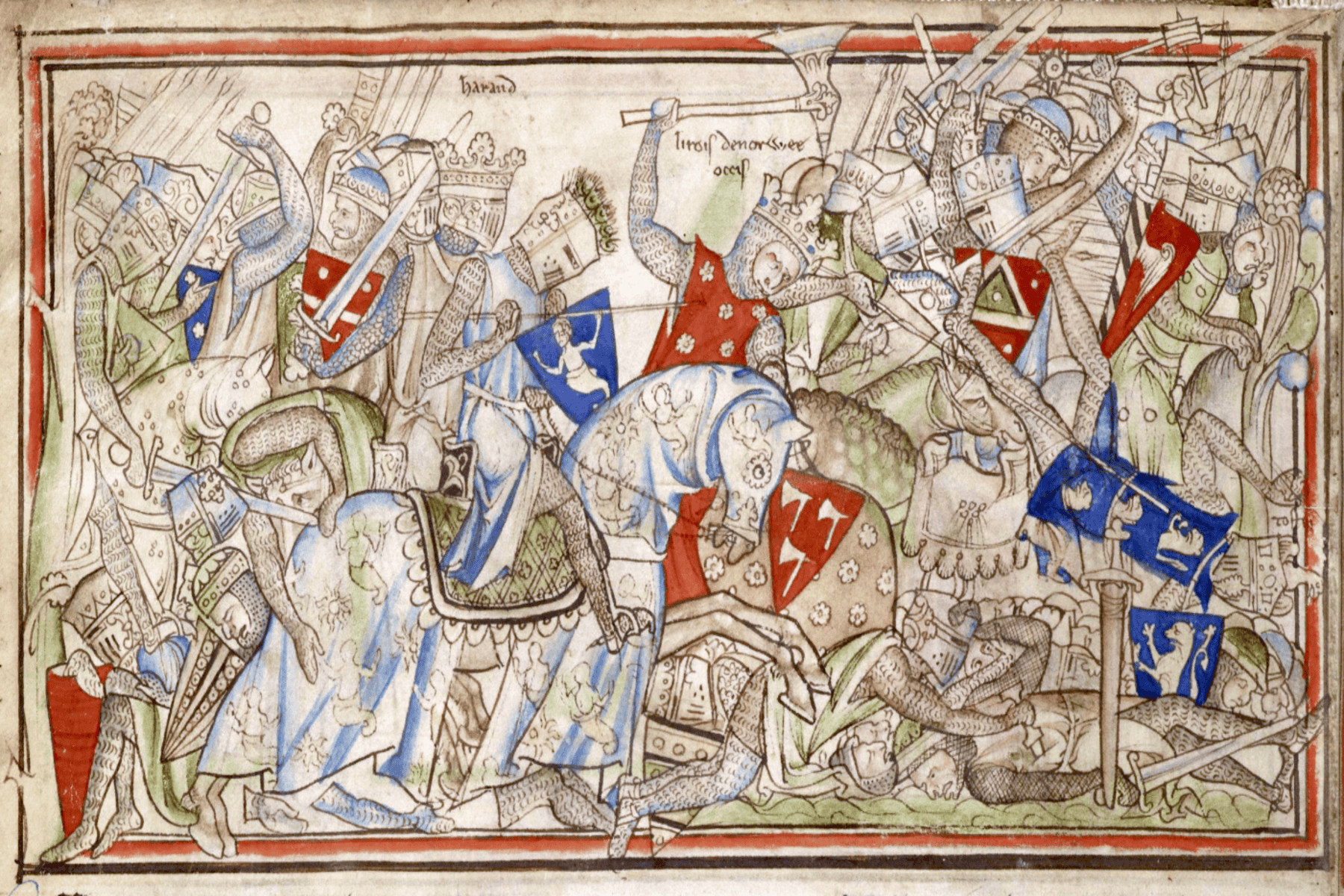
The decisive, swift, and well-organized Muslim forces decimated the Vikings, with some Muslim accounts claiming that as many as 40 Viking ships were destroyed and as many as 1,000 Viking warriors were killed.
However, the Vikings had not learned their lesson, and if we are to believe medieval Muslim accounts, they returned to raid Al-Andalus again in the late 850s.
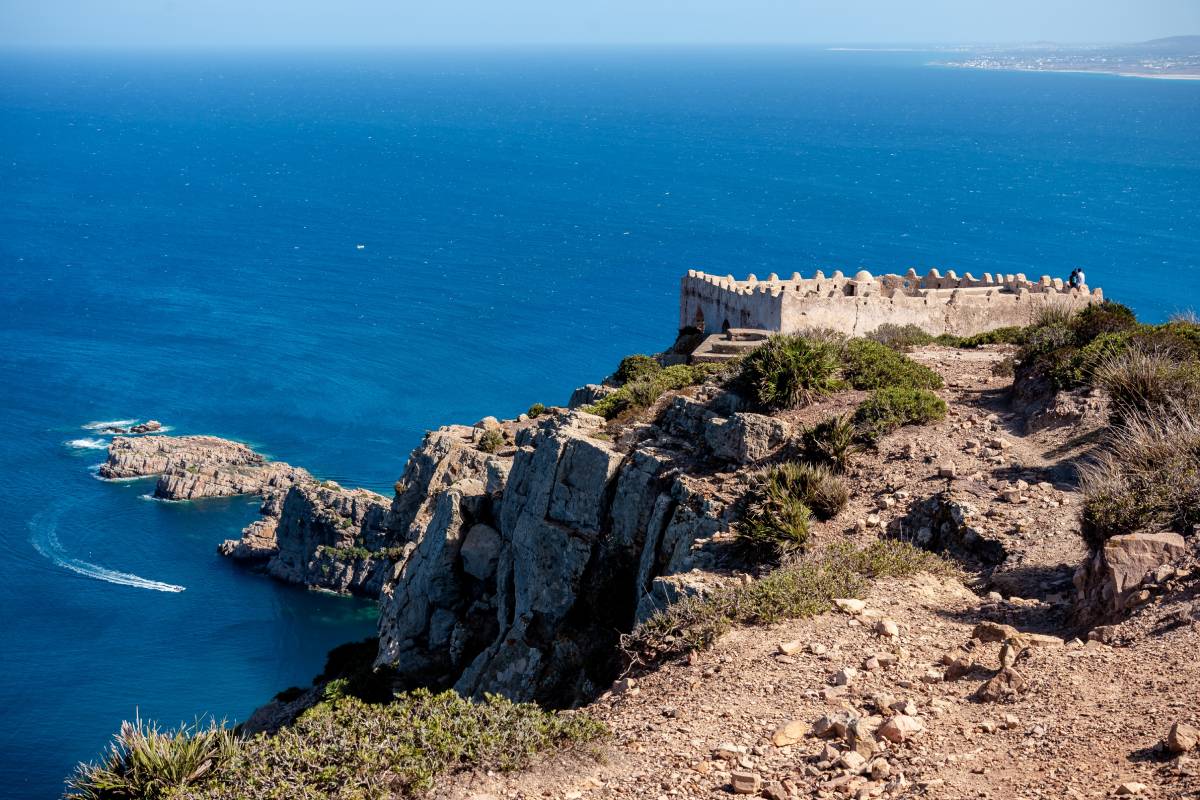
A huge flotilla, said to be led by the legendary Björn Ironside, eventually sailed through the Strait of Gibraltar to raid the Emirate of Nekor in modern-day Morocco and defeated local Muslim forces.
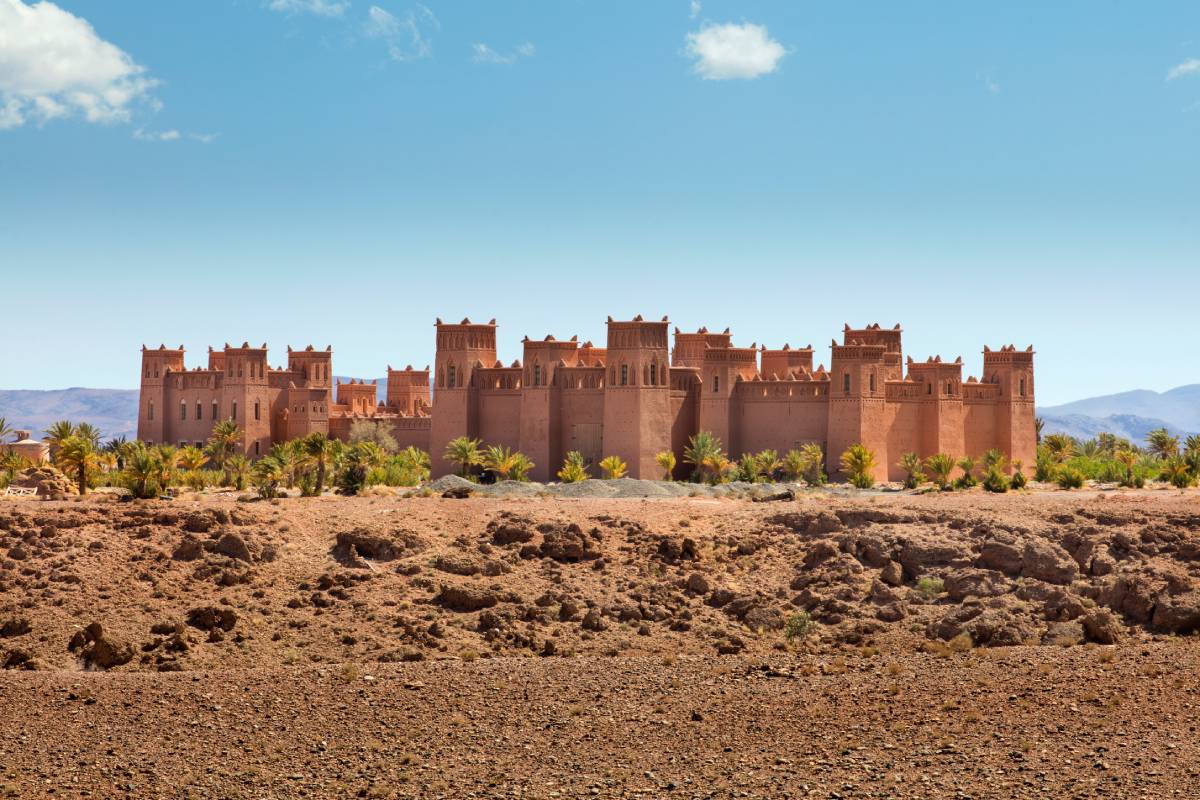
According to some sources, Björn Ironside's flotilla sailed through the Strait of Gibraltar to raid the Emirate of Nekor in modern-day Morocco. Photo: Sergej Onyshko / Shutterstock
Written records of Viking raids on the shores of North Africa
This raid was the supposed basis, according to an 11th-century CE Irish source, Fragmentary Annals of Ireland, of a large host of North African peoples being captured, enslaved, and brought them back to the British Isles.
Despite some scholars dismissing it as little more than a tall Irish tale, there is some archaeological evidence to back up this supposed raid in about 859/860 CE - whether Björn Ironside indeed led it or not.
The first mention of the raid comes from a Christian source in the 9th century CE, the Chronicle of Alfonso III. It mentions that some "... Northman pirates... sailed the sea and attacked Nekur, a city in Mauritania, and there they killed a vast number of Muslims..."
Whilst writing more than two centuries after the event, the Muslim geographer and historian, one of the most famous scholars of Al-Andalus, Al-Bakri, wrote that the "Majūs (the Vikings)—God curse them—landed at Nakūr (Nekor in modern-day Morocco), in the (Islamic) year 244 (c. 858–859 CE). They took the city, plundered it, and made its inhabitants slaves, except those who saved themselves by flight. Among their prisoners were Ama al-Raḥmān and Khanūla, daughters of Wakif ibn-Mu'tasim ibn-Ṣāliḥ. [The emir] Muḥammed ransomed them. The Majūs stayed eight days in Nakūr."
This raid has also been mentioned by various other Muslim scholars, including one of the most brilliant minds (especially for all of the history lovers here at The Viking Herald) of the medieval world, Ibn Khaldun.
Is there any evidence of the North African enslaved hostages being taken back to the British Isles?
If we turn our attention to the archaeological record – which is a little more trustworthy than any early medieval accounts – there is surprisingly some evidence of the prisoners of the Viking raid on the Emirate of Nekor.
Back in 2013, a group of schoolboys found a human skull on the banks of the River Coln in Fairford, England. These boys were then thrust into the center of a worldwide media circus as a BBC film crew was filming nearby on the day of discovery.
After careful scientific and archaeological analysis, it turns out that the boys had uncovered the skeletal remains of an 18–24-year-old Sub-Saharan African woman. The area was known to be a camp for Vikings from the mid-9th to early 11th century CE.
Two other skeletal remains have been uncovered, with analysis again pointing to being born in the Saharan and North African regions.
The whole issue of North African slaves being brought to Viking camps further north, according to Dr. Caitlin Green, an archaeologist and researcher at Oxford University, seems "to have had some basis in reality."
Money, money, money...
It should also be noted that people from Viking societies were also great traders, some of the most impressive proto-capitalists and entrepreneurs of their day.
The shores of the North African coast had been an economic prize for a host of civilizations, and it is possible that Viking traders made it this far south.
From bases in southern France or, indeed, sailing westward from Constantinople, the shores of North Africa are a relatively short journey.
Some of the most impressive hordes of Islamic coinage have been uncovered in Scandinavia, and this should remind us that economic interactions between Viking societies and the Islamic world were more than just occasional.
For more on the Viking interactions with the Medieval Islamic World, visit the Foundation for Science, Technology, and Civilization website here.
We get to provide readers with original coverage thanks to our loyal supporters. Do you enjoy our work? You can become a PATRON here or via our Patreon page. You'll get access to exclusive content and early access.
Feel free to reach out to discuss potential stories that may be in the public interest. You can reach us via email at [email protected] with the understanding that the information you provide might be used in our reporting and stories.