

People from Viking societies are rightly lauded as some of the most impressive explorers of the early medieval period.
From their homeland in the Scandinavian Peninsula, they spread outward into the world to impact huge swathes of Europe and West Asia.
They traveled far and wide, from across the North Atlantic Ocean to the shores of North America and as far east as the modern nation of Georgia.
There is speculation that they traveled along parts of the famous Silk Roads that connected Europe and Asia and may even have made it as far south as the bazaars of Baghdad.
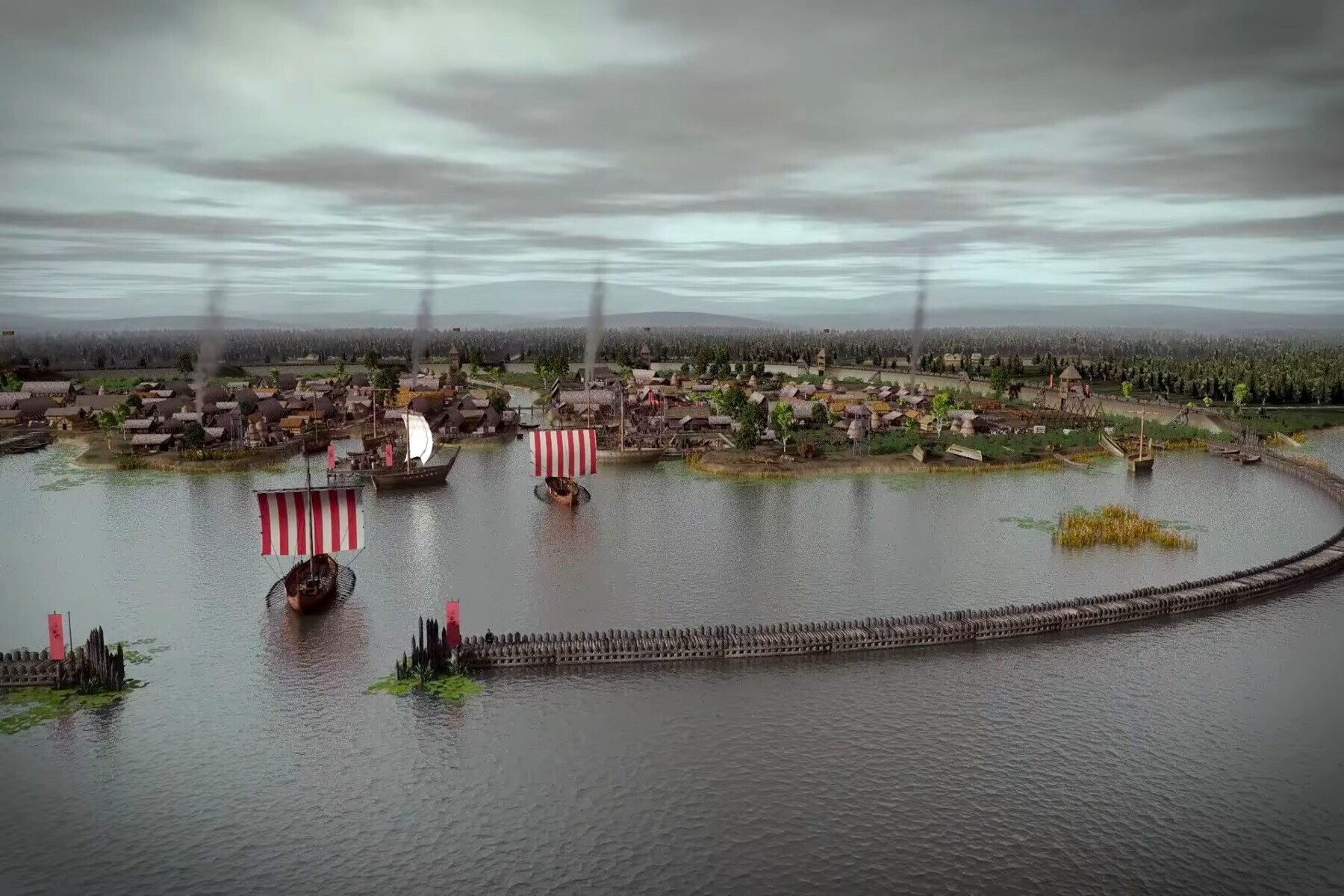
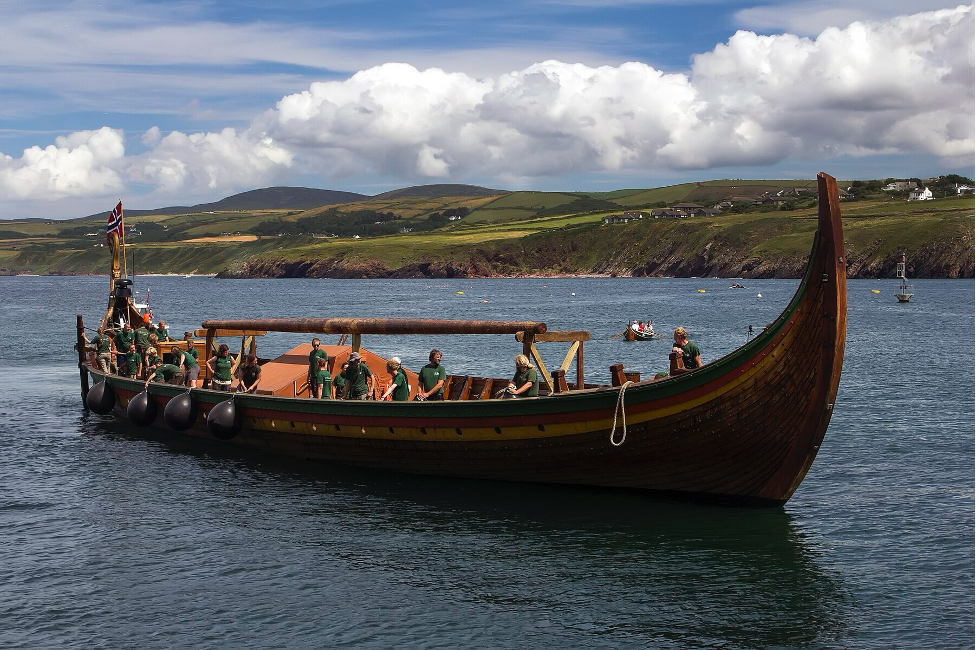
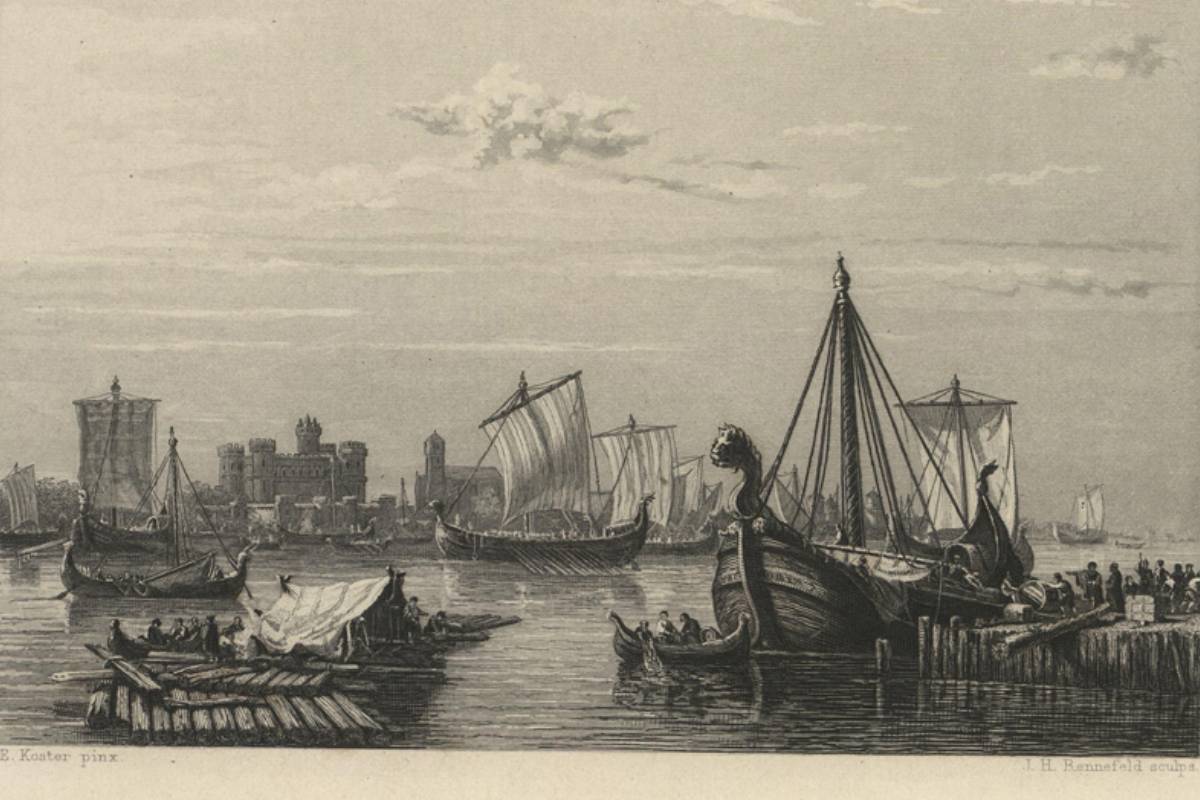
Yet these people had an affinity for water. The Baltic Sea became a Viking pond; the North Sea was one of the busiest during the early medieval period, with longships crisscrossing it from Scandinavia, whilst even that great European lake, the Mediterranean Sea, felt a Viking presence.
We know that from the 9th century onwards, Vikings overwintered in parts of what is now southern France and used this as a base for further operations.
Viking ships soon appeared along the Italian coastline and even as far away as Greece and Turkey.
Yet it was the Iberian Peninsula in particular that felt the real wrath of the Vikings, with significant raiding and military activity from Galicia in the north to Sevilla in the south.
From the warm shores of the Iberian Peninsula, it was just a short sail southward to the North African coastline.
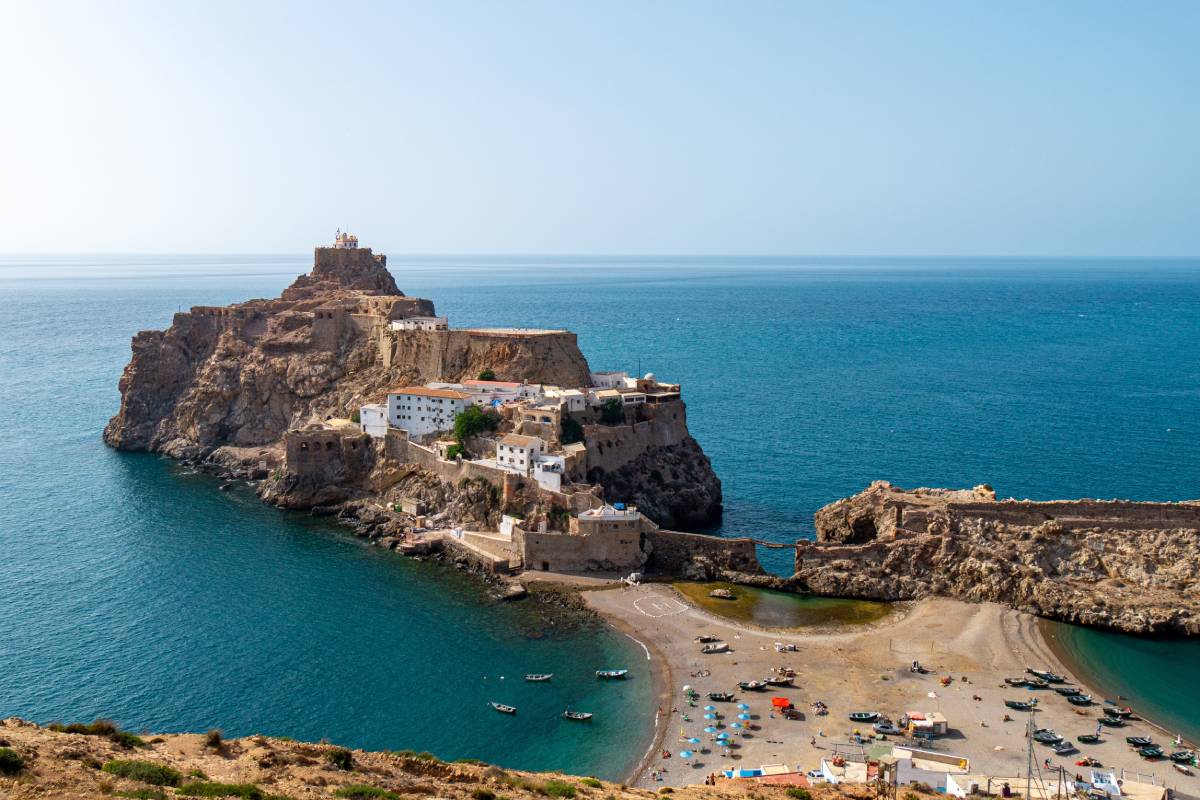
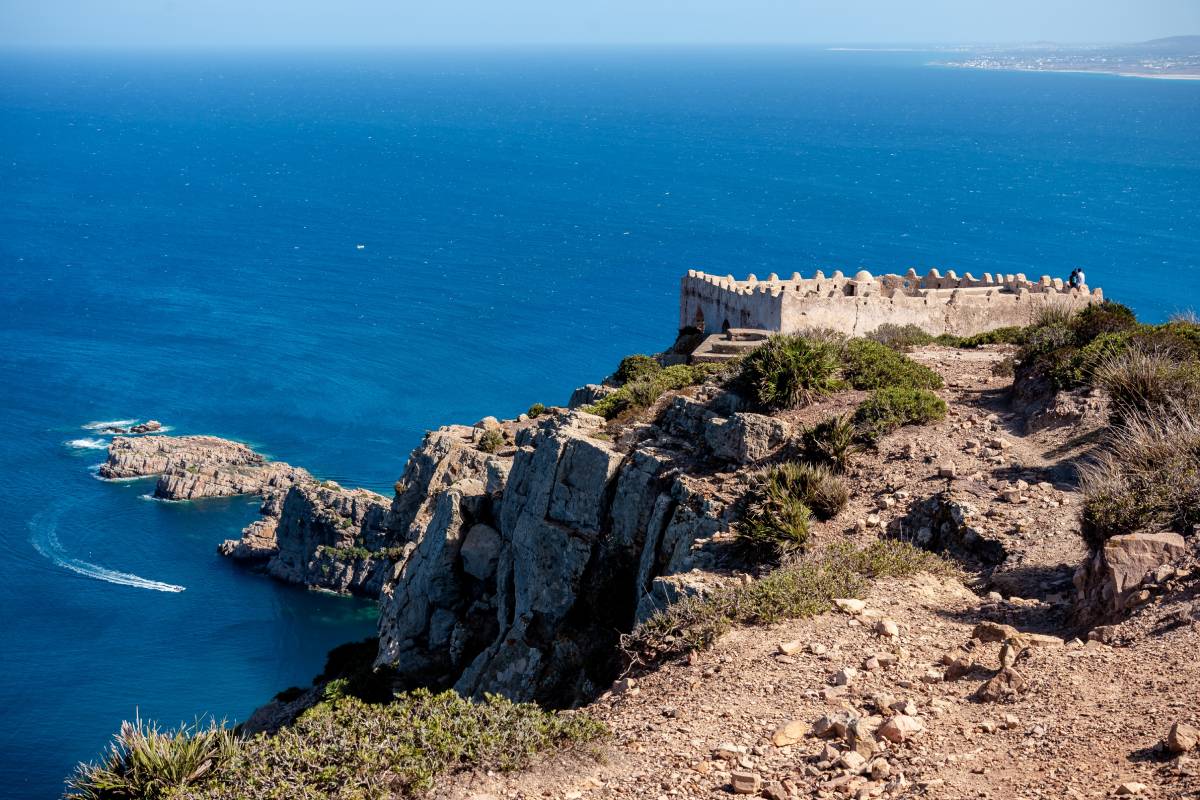
A Spanish military outpost on the Moroccan coast, near the region historically linked to Viking raids on Nekor in the 9th century. Photo: Amine Idrissi / Shutterstock
3 different accounts of Viking raids in North Africa
It has almost become a cliché here at The Viking Herald that when any of us want to know anything, we "turn first to the sagas."
However, as always, this remains the best introduction to any topic related to the Viking Age, even if what is written about it in the sagas may not be historically verifiable.
There is a mention of a famous raid by one of the sons of Ragnar Lothbrok—Björn Ironside—from about c. 859 to 861.
According to the sagas, it was he who, with his band of not-so-merry men, sailed from Scandinavia into the Mediterranean and pillaged the Iberian Peninsula, the Balearic Islands, and even North Africa.
As Ann Christys writes in her 2012 book The Vikings in the South through Arab Eyes, there was a surprising amount of Viking activity around the southern Mediterranean, with "...significant attacks in the 840s and 850s, between 964 and 971, and raids continued into the twelfth century."
What is interesting is that we have three historical sources that seem to back up a Viking raid around this time on the shores of North Africa.
In the Annales de Saint-Bertin, a chronicle that described Frankish life centered around Metz and beyond, we have an entry for the year 859 that:
"The Danish pirates, having made a long circuit at sea, for they had sailed between Spain and Africa, entered the Rhone..."
Later in the 9th century, we have another source from the early medieval Spanish kingdom of the Asturias, the Chronicle of King Alfonso III.
Though compiled several decades after the events it describes—and likely influenced by oral tradition and political motives—it offers a vivid account of Viking activity.
In an entry for the year 888, we find that:
"Again the Nordomani in piracy reached our shores during these times. From there they went into Spania and devastated all its coast in plundering with sword and fire. From there having crossed the sea they invaded the city of Nacchor of Mauritania and there they killed a multitude of Caldeans by the sword. From there they attacked the islands of Maiorica and Minorica and devastated them with the sword. Finally they reached Greece and returned to their own land after a period of three years..."
(Note: The city referred to as "Nacchor" is likely a corrupted reference to Nekor, a known city in northern Morocco raided by Vikings in 859. The mention of "Caldeans" is also problematic, as this name likely does not refer to the ancient Mesopotamian group but may reflect a mistranslation or copyist error.)
Yet it wasn't just Christians who wrote about Viking activities in North Africa. As J. E. Montgomery writes in his chapter in the 2008 book The Viking World, "The Vikings appear sporadically across some six centuries in Arabic texts."
Whilst writing more than two centuries after the event, one of these references was written by the Muslim geographer and historian—one of the most famous scholars of Al-Andalus—Al-Bakri, who wrote:
"Majūs (the Vikings)—God curse them—landed at Nakūr (Nekor in modern-day Morocco), in the (Islamic) year 244 (c. 858–859). They took the city, plundered it, and made its inhabitants slaves, except those who saved themselves by flight. Among their prisoners were Ama al-Raḥmān and Khanūla, daughters of Wakif ibn-Mu'tasim ibn-Ṣāliḥ. [The emir] Muḥammed ransomed them. The Majūs stayed eight days in Nakūr."
So, we have three historical chronicles of Viking activity in North Africa that seem to back up the legendary tales found in the Norse sagas.
Whilst this was more than just a predatory raid, we know from studying the history of the Viking Age that predatory raids often led to something more permanent.
These accounts seem to point to a Viking presence in North Africa, albeit a fleeting one.
Why didn't people from Viking societies flock south to North Africa following predatory raids and press home their advantage like they did in the British Isles or the Frankish realms?
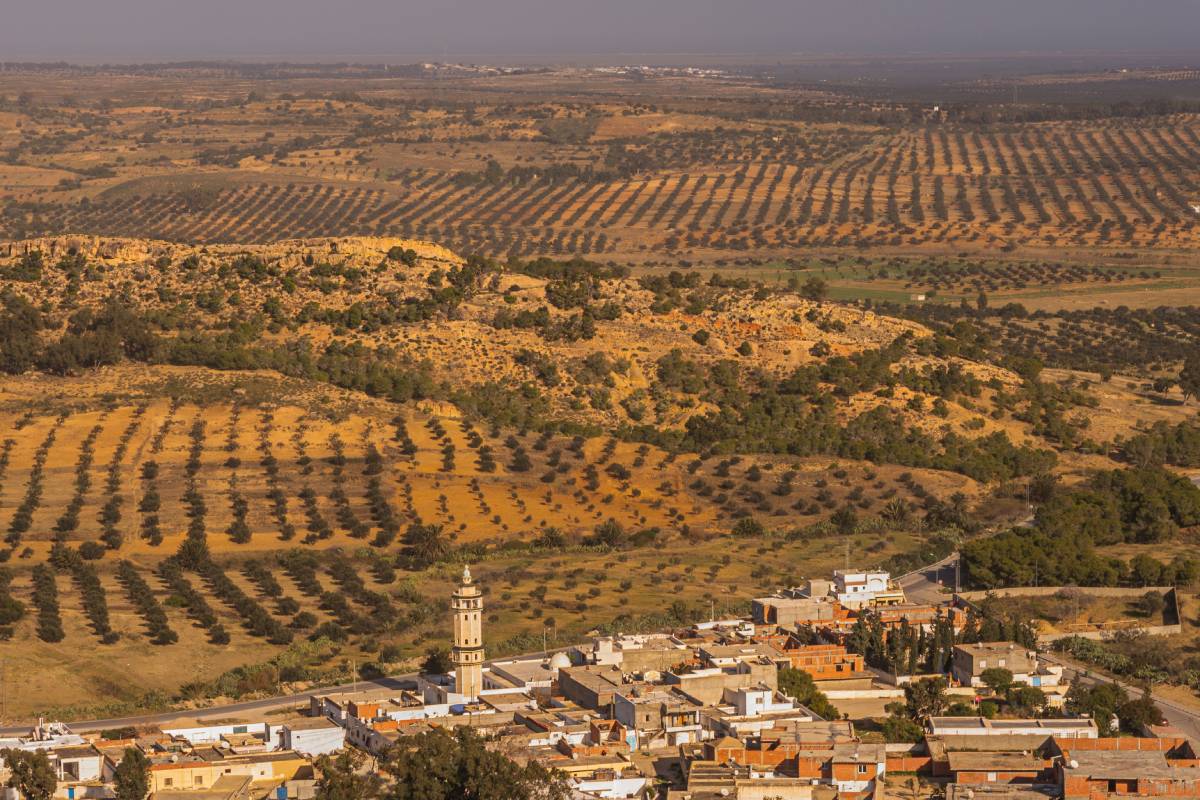
Distance, climate, and organized resistance all worked against Viking settlement in North Africa. Photo: Liz Miller / Shutterstock
Climate, culture, and distance
We know that people from Viking societies made it to the shores of North Africa. The climate there is not too different from the climate in the south of the Iberian Peninsula.
As countless happy Scandinavian tourists will attest, the climate in this region of the world is vastly different from Northern Europe.
Given that the vast majority of people in Viking societies were employed in some sort of agricultural work, North Africa provided little arable and fertile land.
The little arable land present there was a scarce resource in a region that had a population much larger than Scandinavia.
Not only was this population larger, but it was also more culturally advanced. During the Viking Age, much of North Africa fell under the sway of the Umayyad and later the Abbasid Caliphate.
These Caliphates, as well as the broader Islamic world, were far more advanced—economically, militarily, and even culturally—than much of Europe, including Scandinavia.
Sophisticated armies that were well-trained and logistically organized could easily fend off Viking raids, as evidenced during the Viking raid on Sevilla.
Had they attempted larger-scale raids or settlements, they would have been easily rebuffed by forces that were used to the harsh climatic conditions, more organized, and better trained and equipped.
Trying to defeat the military forces of anywhere in the Islamic world, including North Africa, at this time was a slightly harder task than putting the sword to a bunch of Celtic or Frisian farmers with pitchforks.
Finally, it was the rather mundane fact that the journey from Scandinavia to the shores of North Africa was arduous. It would have been a long journey, and much of the route was populated by people hostile and militarily superior to people from Viking societies.
Whilst the population from Viking societies did indeed travel far and wide, their sphere of influence was largely the North Atlantic world.
Though they did travel further—for example, to establish a settlement in what is now Newfoundland, Canada—Viking societies did not have the population or resources to invest in what would have been a large military and colonization effort to North Africa.
Not for the first time in history, the tyranny of distance prevented colonization.
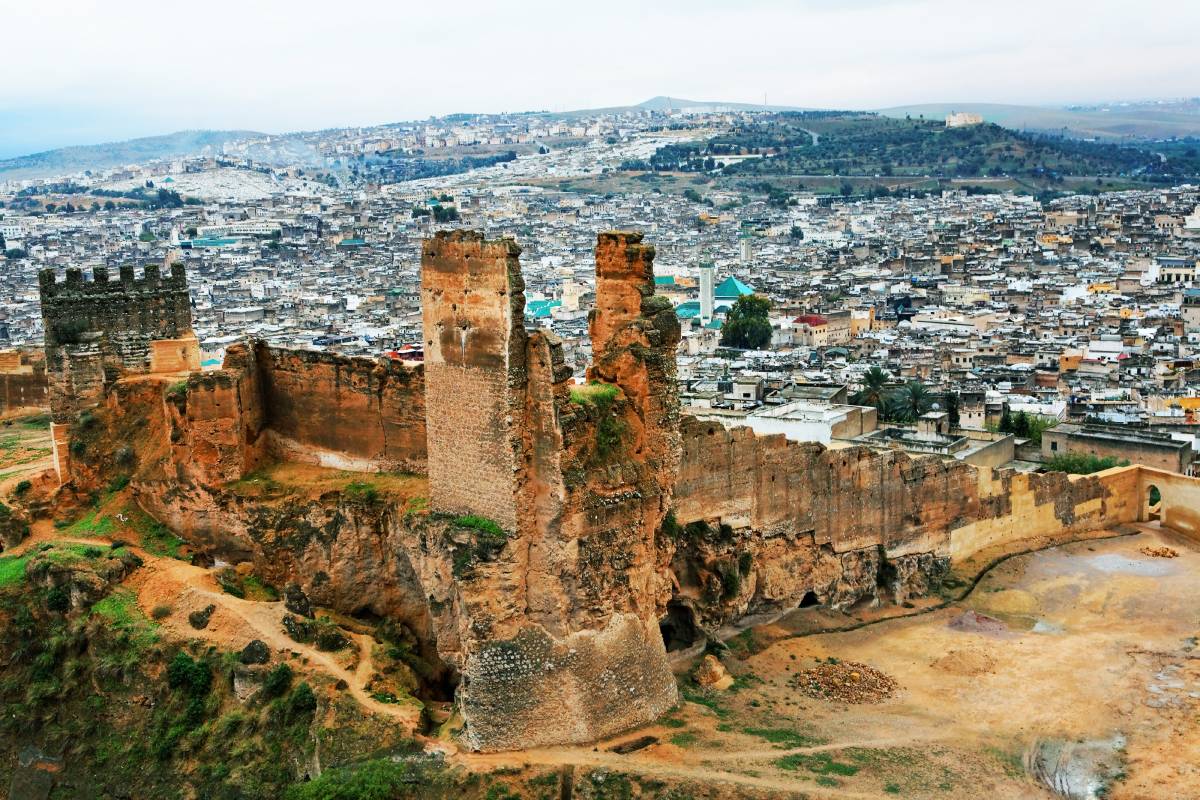
The walled city of Fes in Morocco stands as a reminder of the cultural and political strength that kept Viking colonization at bay. Photo: Mikadun / Shutterstock
A combination of factors prevented
Whilst there was a Viking presence in North Africa—perhaps more frequent than what is reflected in the surviving sagas and chronicles—this never led to widespread settlement or colonization.
A combination of distance, environment, and the political, economic, and cultural supremacy of the cultures and civilizations living throughout North Africa prevented this region from falling into the Viking world.
For more information on Vikings in Africa, visit the University of Wisconsin's Department of Anthropology here.
We get to provide readers with original coverage thanks to our loyal supporters. Do you enjoy our work? You can become a PATRON here or via our Patreon page. You'll get access to exclusive content and early access.
Feel free to reach out to discuss potential stories that may be in the public interest. You can reach us via email at [email protected] with the understanding that the information you provide might be used in our reporting and stories.