

For many farmers in the West, life is hard.
Farmers form the backbone of many nations, yet their livelihoods have been undermined by climate change, cheaper overseas competition, and the uncertainty of today's global economy, driven in part by what some are calling a good old-fashioned trade war.
However, when these hearty salt-of-the-earth types aren't growing the food we devour every day, they occasionally come across something just as rich as the soil they farm: buried treasure.
No, not the sort that you'd fight Long John Silver for, but a treasure of a much higher value: archeological artifacts. Some of the most impressive artifacts of the entire early medieval period have been unearthed on farmland.
Think the world's largest Viking hoard, the most famous Viking helmet uncovered, fabulous Viking swords, or even more famed Viking ships.
Where would the study of people from Viking societies be without a graceful bunch of farmers allowing a whole hoard of Viking aficionados (namely, archeologists and historians) to trample through their fields and paddocks?
Over a century ago, it was on (you guessed it) a farm that the discovery of lavish graves and boat burials was unearthed.
These date from the 4th century CE to the 11th century CE, covering the period from the beginning of the decline of the Western Roman Empire to the beginning of the decline of the Viking Age, and spanning the entire early medieval era.
The burial ground of Valsgärde, tucked away near the River Fyris not so far from Gamla Uppsala, stands as a Scandinavian counterpart to the more famous Sutton Hoo site in England.
However, as we shall see, this site, though less famous than its English counterpart, reveals so much more about the history of the warrior elite in Scandinavia and the surrounding regions throughout the early medieval period.
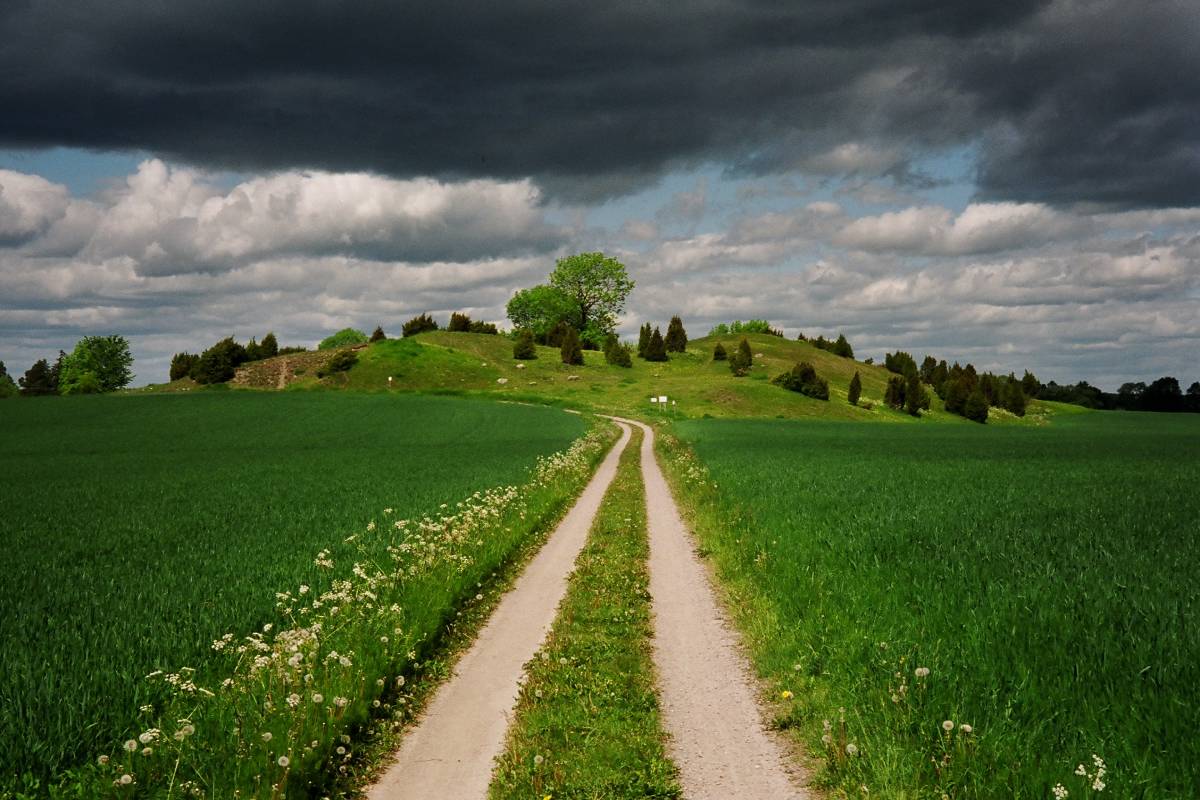
The Valsgärde burial ground in eastern Sweden contains over 90 graves, including elite burials from the 6th to 11th century CE. Photo: Johan Anund (CC BY-SA 3.0)
A site spanning the entire early medieval period
It was in 1926 that a routine inspection of the farm led to the discovery of the presence of boat burials.
For the next three decades, the Department of Archeology from Uppsala University (one of Scandinavia's oldest and most prestigious educational institutions) conducted annual surveys of the farm.
What they uncovered was a wealth of artifacts that spanned the entire early medieval period, from the late 6th century, with the final boat burial taking place sometime in the 11th century CE.
More than 90 graves have been unearthed since the initial discovery almost a century ago, of which more than 15 are boat graves, housing the remains of proto-Viking / Viking-style boats along with the lavish remains of richly adorned individuals.
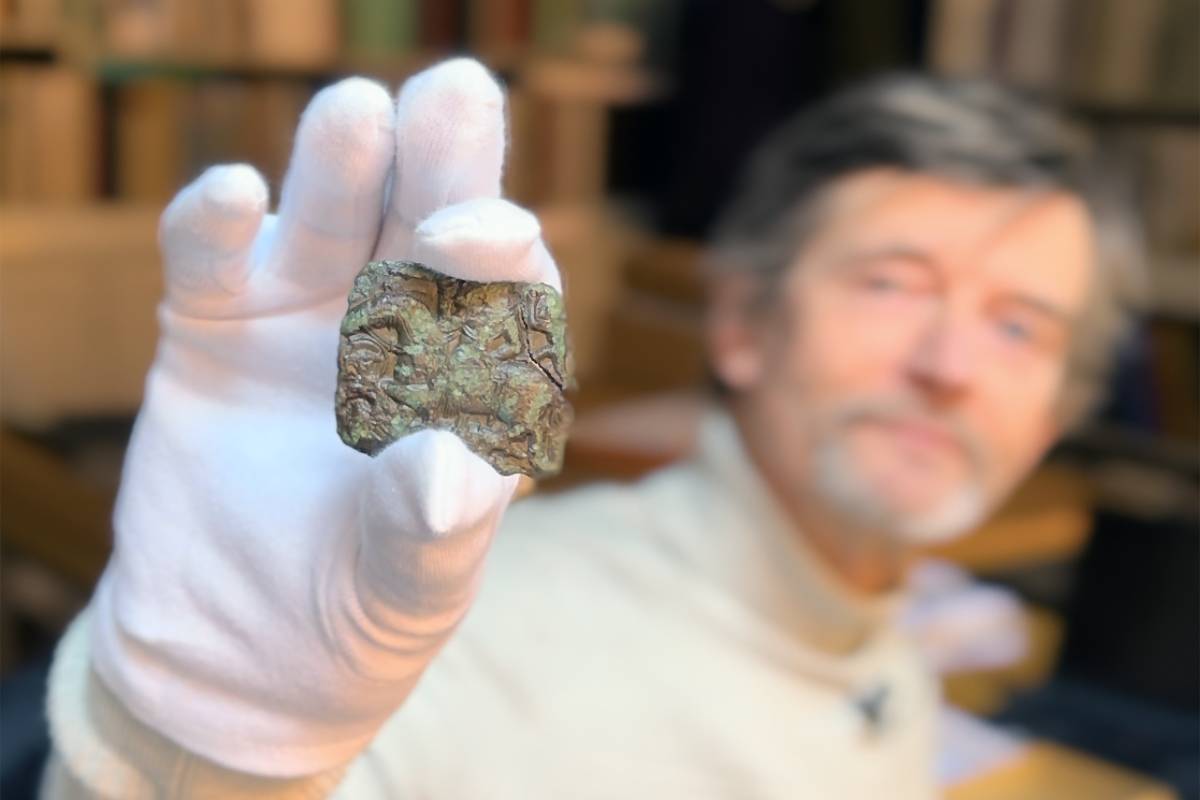
Buried alongside these individuals was a wealth of grave goods, including helmets, silk, tools, and weapons.
Animal remains—such as birds of prey, cattle, dogs, pigs, and even fish—have also been discovered, suggesting that those buried here were individuals of a high social standing or a warrior elite.
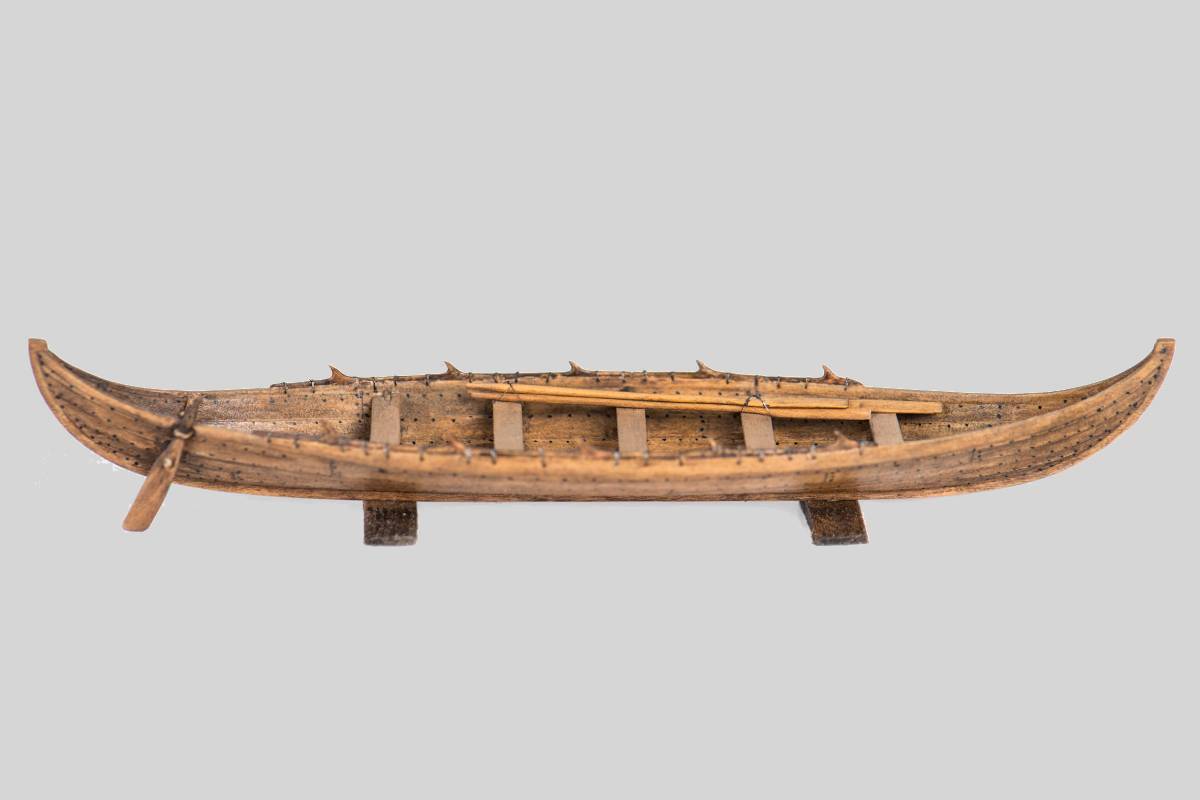
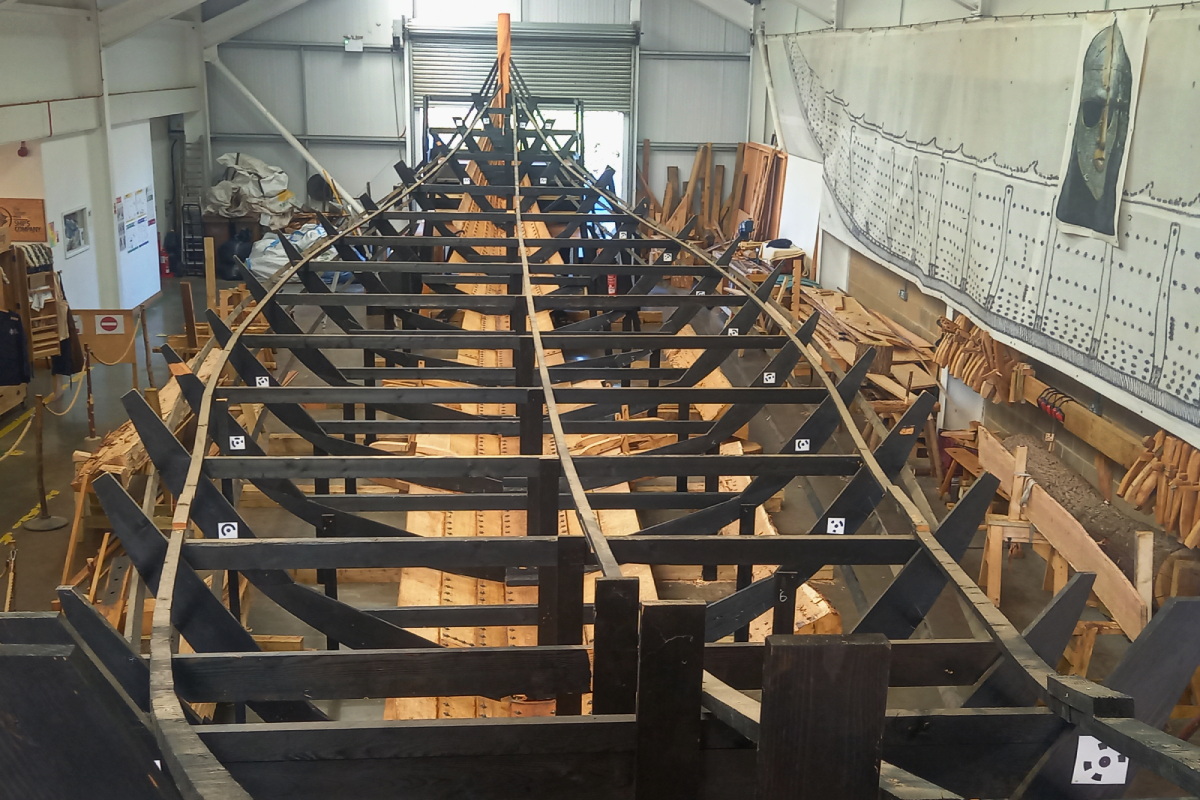
This reconstruction shows the hull and fittings of the boat from Valsgärde grave 2. Photo: Anneli Karlsson / Sjöhistoriska museet (CC BY-SA 3.0)
What secrets do the boats reveal?
The burial ground is situated near a strategic waterway, the Fyris River, which was a crucial route of travel and transport throughout the early medieval period.
The boats uncovered are all between 6 and 15 meters (19 to 45 feet) long and are constructed with the same clinker-built style that was common for all Viking boats and ships.
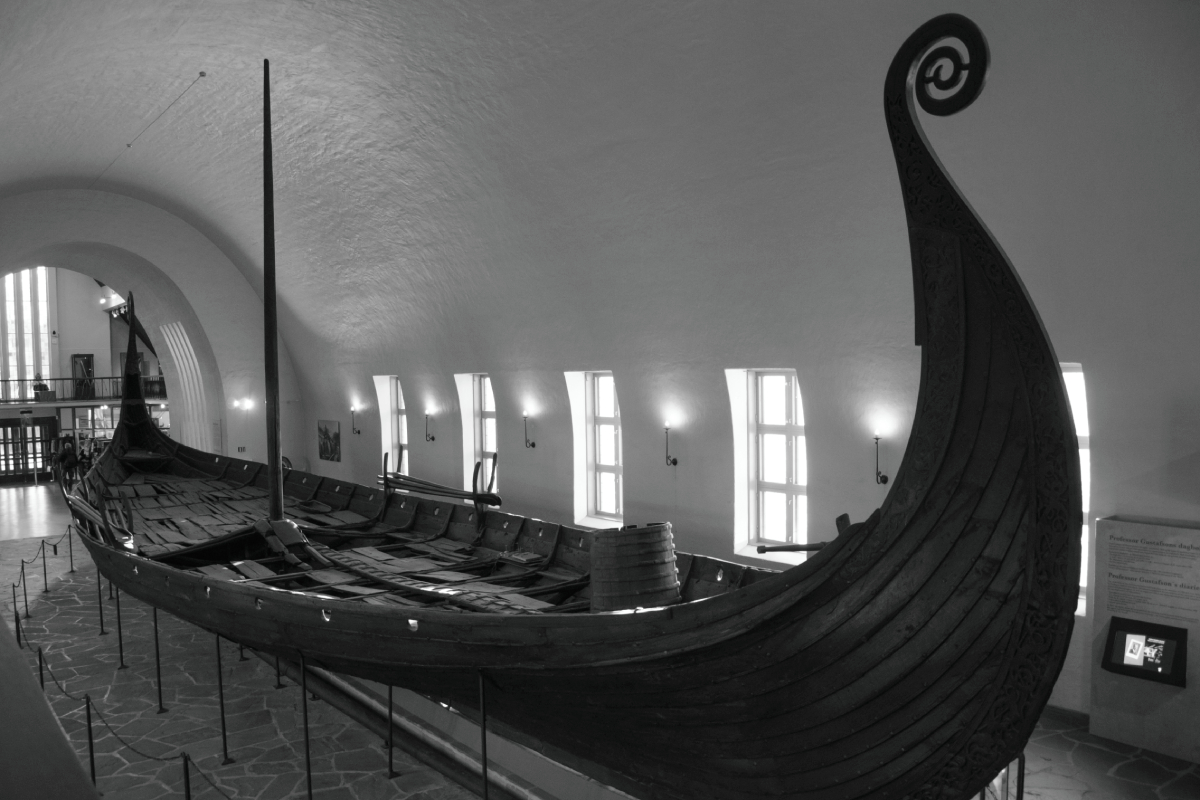
However, unlike the boats uncovered at Oseberg or Gokstad, these were ships meant to ply the rivers and not huge ocean-faring vessels.
It should also be noted that, alongside the strategic river, Valsgärde is only a short distance (about 2 kilometers or 3 miles) from the ancient center of Swedish royalty and power, Gamla Uppsala.
Aside from a great temple dedicated to the Norse gods, Gamla Uppsala was also a burial ground.
Here, great burial mounds—which required only the significant logistics, power, and wealth that powerful rulers could obtain—were constructed in contrast to the simpler boat burials at Valsgärde.
With its location near this great center of ancient Swedish power, Valsgärde could have housed those slightly less powerful, but still rich and powerful enough to be buried in this costly manner.
Whilst it may play second fiddle to Gamla Uppsala in terms of a node of power, Valsgärde has drawn comparisons with another famous archeological site across the North Sea thanks to the presence of its grave goods.
- READ MORE: The Viking history of Sweden at a glance
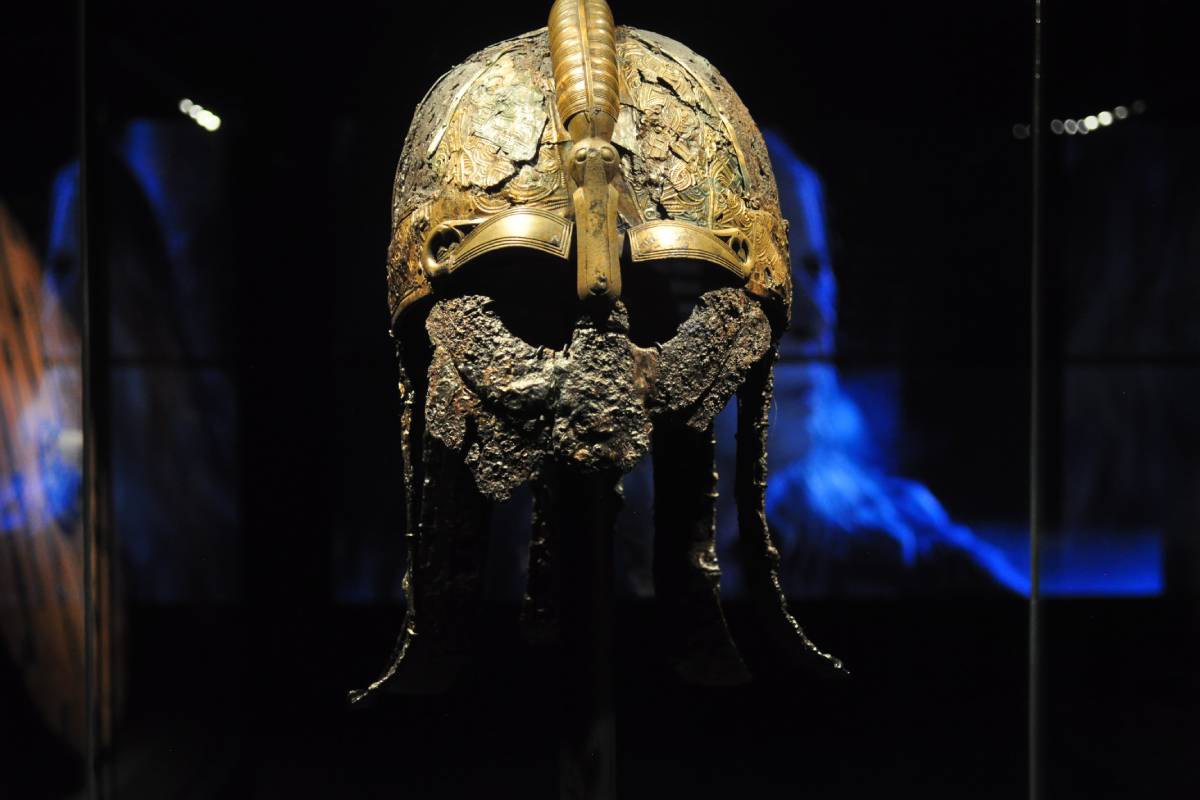
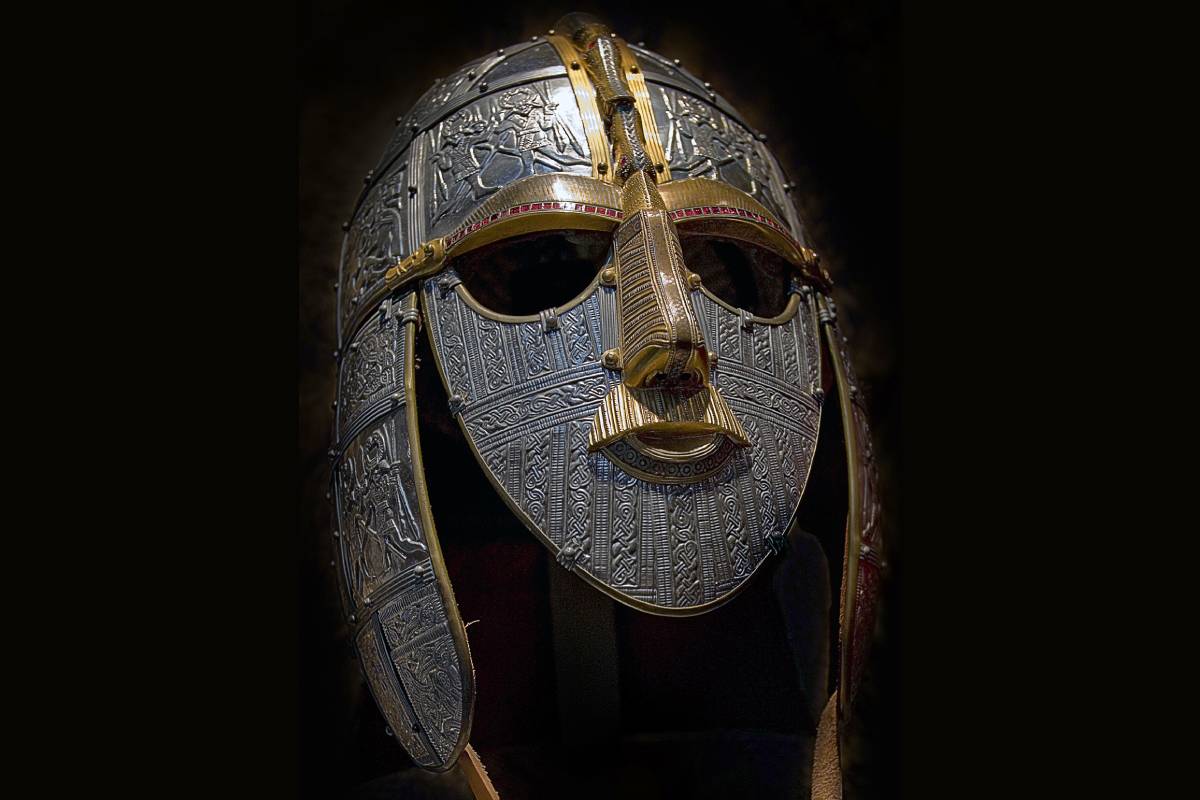
Unearthed in Valsgärde grave 5, this 7th-century helmet is one of the finest examples of Vendel Period craftsmanship. Photo: Joe Mabel (CC BY-SA 4.0)
A Swedish Sutton Hoo?
Boat burials, helmets, and a wealth of grave goods have linked Valsgärde with the roughly contemporaneous Sutton Hoo site.
The most obvious link between the Swedish and English sites is, of course, the fabulous helmets uncovered.
Dating to the very early beginnings of the Anglo-Saxon period of English history, from the 6th to 7th centuries CE, a helmet was unearthed at Sutton Hoo. It was made of ornate tinned bronze and featured a boar motif.
Across the North Sea, four helmets fashioned in a similar style to the one found at Sutton Hoo have been unearthed in Valsgärde graves. These helmets date to the Vendel Period (c. 550–790 CE), the era that immediately preceded the Viking Age in Sweden.
Like the Sutton Hoo helmet, the Valsgärde helmets feature crested construction, eyebrow ridges, and animal-style art, often with intricate repoussé decoration and decorative inlays. They reflect a shared elite warrior culture rooted in Germanic traditions, with clear symbolic links between warfare, status, and cosmology.
This warrior symbolism is found throughout both sites, underscoring the martial and militaristic natures of the two cultures separated by a sea.
As Martin Oswald Hugh Carver states in his 1986 book Sutton Hoo in Context, the "items of military equipment, including the... helmet [found at Sutton Hoo]... have eastern Scandinavian connections," further underscoring the links between Sutton Hoo and Valsgärde.
Along with helmets, weapons, armor, and luxury items were uncovered at the two sites. Whilst precious Frankish and Byzantine items were unearthed at Sutton Hoo, it was the discovery of silk remnants that may have been manufactured on the edges of China that excited archeologists about Valsgärde.
Along with the more mundane weapons and everyday items, it appears that the similarities in the style and type of goods uncovered at both sites speak to close cultural and trade ties between Anglo-Saxon England and Scandinavia during this period.
Alongside the grave goods, the boats uncovered at the two sites speak to the funerary traditions of the two related cultures (Anglo-Saxons and Vendel/Viking cultures had their antecedents in earlier Germanic cultures), which involved boats as vessels for the afterlife.
As Neil Price states in his chapter of the 2020 book The Pre-Christian Religions of the North: History and Structures, boat graves like the ones found at Valsgärde were "fertile ground for the study of these worldviews... as they offer a chance to glimpse... these people's attitude to life as manifest in their approaches to death."
This would become an important part of the cultural and spiritual beliefs and systems of people from Viking societies throughout the early medieval period and, to an extent, a window into their minds and souls.
However, despite the many similar rites that Valsgärde shares with Sutton Hoo, the former offers a view of elite burials spanning nearly half a millennium, while the latter captures a single moment in time—a brief glimpse into the early beginnings of Anglo-Saxon England.
Bringing light to a so-called "Dark Age"
Whilst Sutton Hoo or Gamla Uppsala may receive more popular attention (we are waiting for a film to be made like the recent one telling the story of the Sutton Hoo discovery), Valsgärde remains less well known.
Yet the archeological wonders unearthed there have been invaluable in allowing us to gain an understanding of the early medieval world of Scandinavia and its surrounds.
The discovery of the nearly 100 graves has brought life to a period that was once dismissed as a "Dark Age."
The power, prestige, and skill in organizing such burials, as well as the glittering goods buried, show that the early medieval period in Sweden is as culturally luminant as it is historically important.
For more on the site and its burial traditions, visit Scandinavian Archaeology here.
We get to provide readers with original coverage thanks to our loyal supporters. Do you enjoy our work? You can become a PATRON here or via our Patreon page. You'll get access to exclusive content and early access.
Feel free to reach out to discuss potential stories that may be in the public interest. You can reach us via email at [email protected] with the understanding that the information you provide might be used in our reporting and stories.