

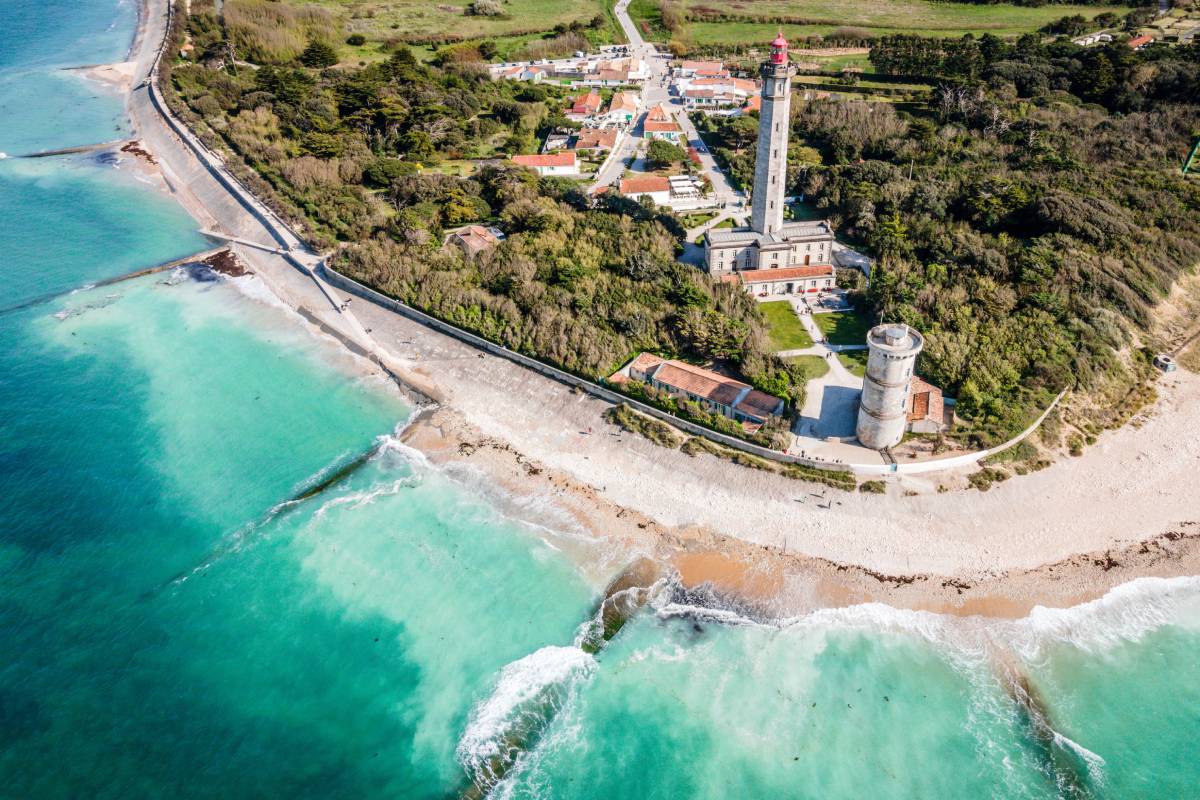
A new study carried out by the French National Institute for Preventive Archaeological Research (INRAP) has found that Vikings may have landed and traded on Île de Ré, an island off the west coast of France.
The research is based on an analysis of grave sites and a number of artifacts that indicate an unexpected foreign presence.
Atypical graves
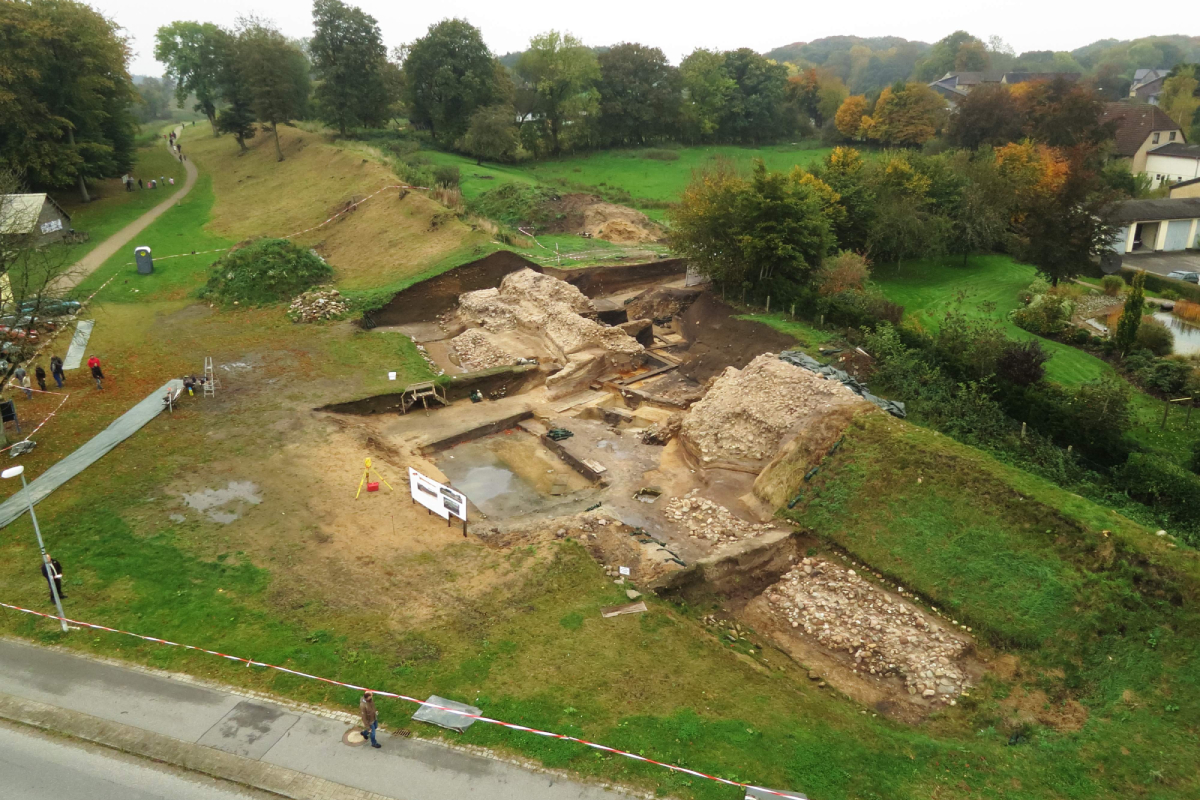
Île de Ré is a small island close to the city of La Rochelle. According to a recent press release from INRAP, excavations began at the La Flotte site on the island in December 2024.
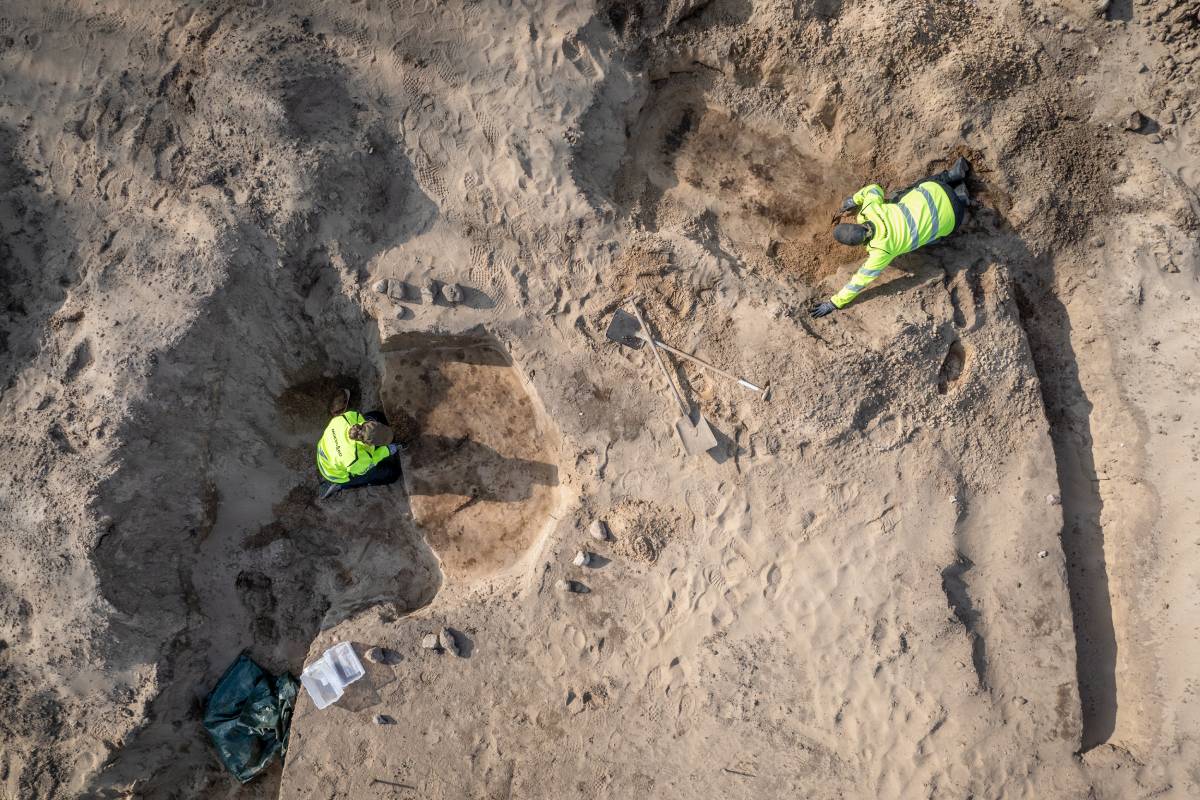
The archeologists have since uncovered a total of 48 graves at the burial ground. The team was especially struck by five of the graves.
The archeologists observed that the position of three of the bodies was not typical for the site as a whole – one was found lying on its left side with its legs bent, a second was lying on its stomach, while the third had its limbs folded and elevated.
The graves have now been dated to the Carolingian era, from 772 to 972 CE.
Although the unusual position of these bodies does not provide any definite indications, this fact alerted the archeologists to the possibility that the individuals may not have been of local origin.
- READ MORE: The Viking history of France (Part 1)

Archeologists have uncovered 48 graves on Île de Ré, including five with unusual burials. Photo: MATHILDE.LR / Shutterstock
Items from beyond the sea
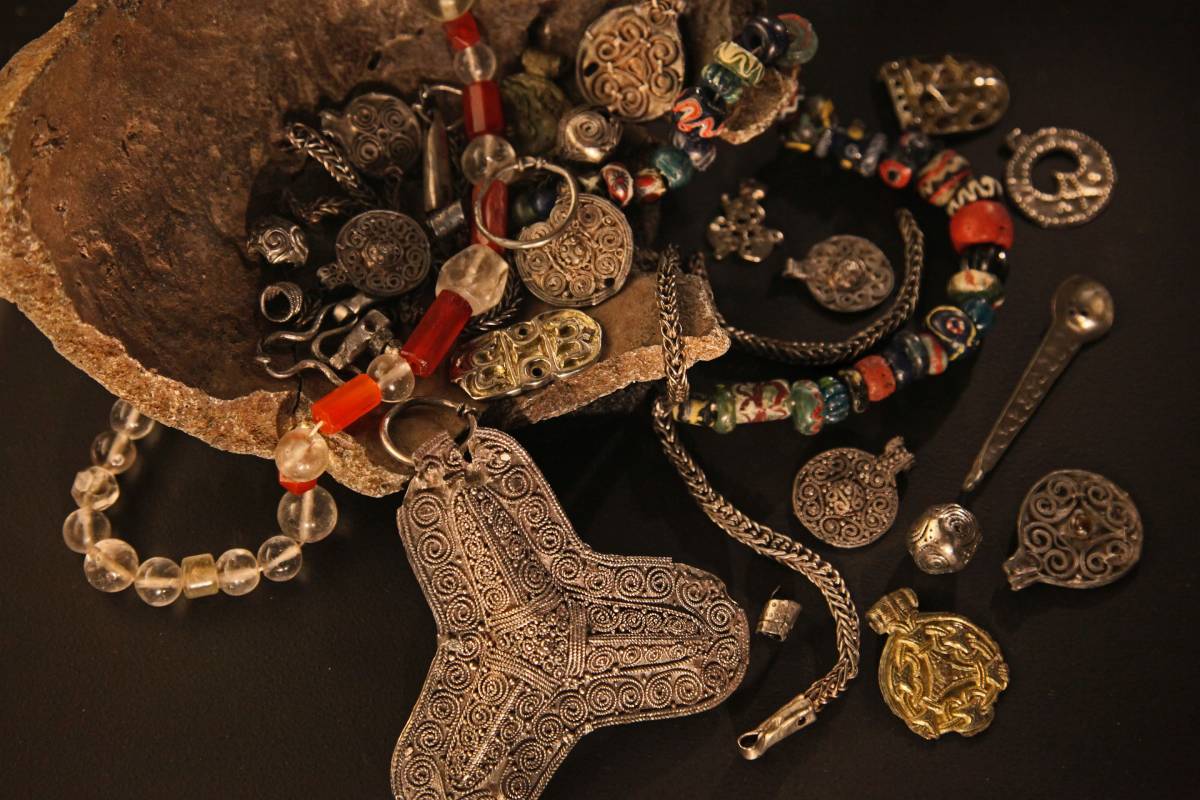
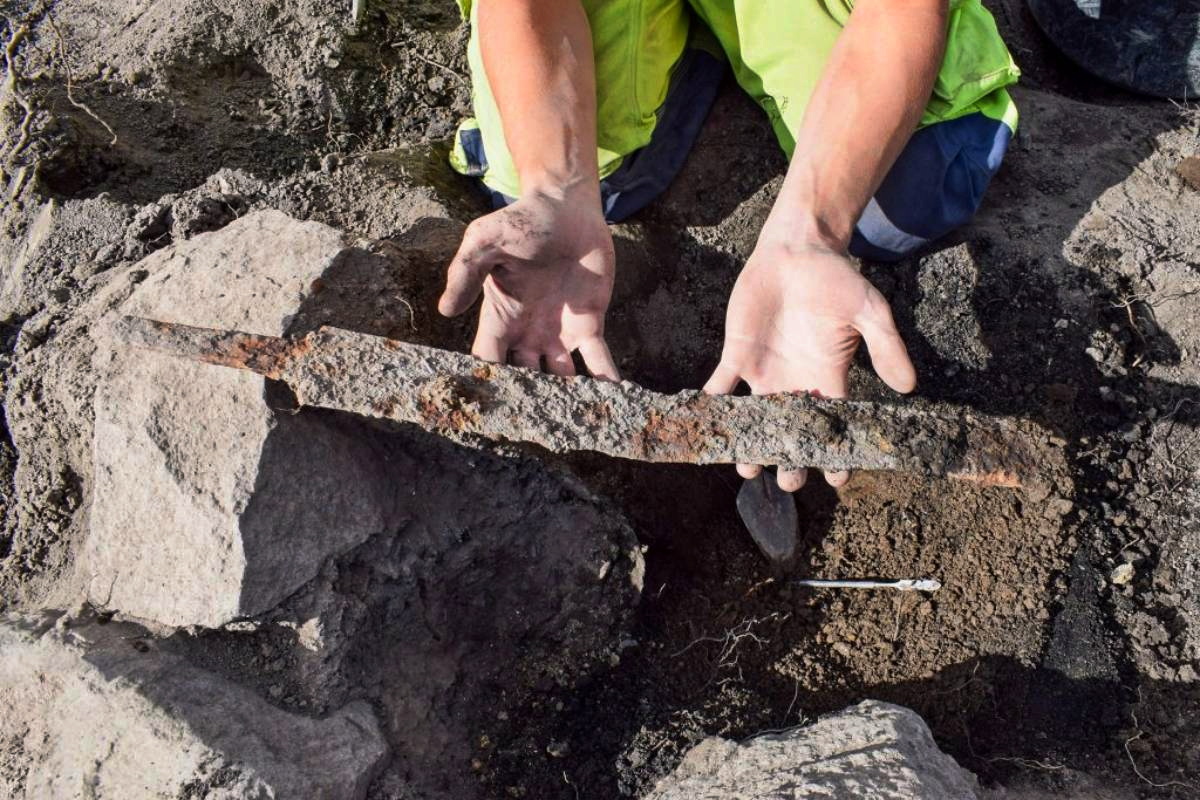
The team also identified several interesting artifacts at these five graves, including clothing, personal items, and bead necklaces.
The archeologists note that it is very rare to find such grave goods and finery in a French burial from the Carolingian period.
Other finds included various small tools, such as copper belt buckles, metal clasps, and even hair combs made out of bone or antler.
One of the combs has a geometric decoration similar to other finds from Frisia, a region in Northern Europe that was at one point occupied by the Norse.
Both the combs and the beads – which were made from amber, glass, bone, and copper alloy – indicate that the five people buried in these graves could have come from somewhere in Northern Europe.
Similar beads have been found in various parts of the United Kingdom, Scandinavia, and other Germanic regions in mainland Europe.
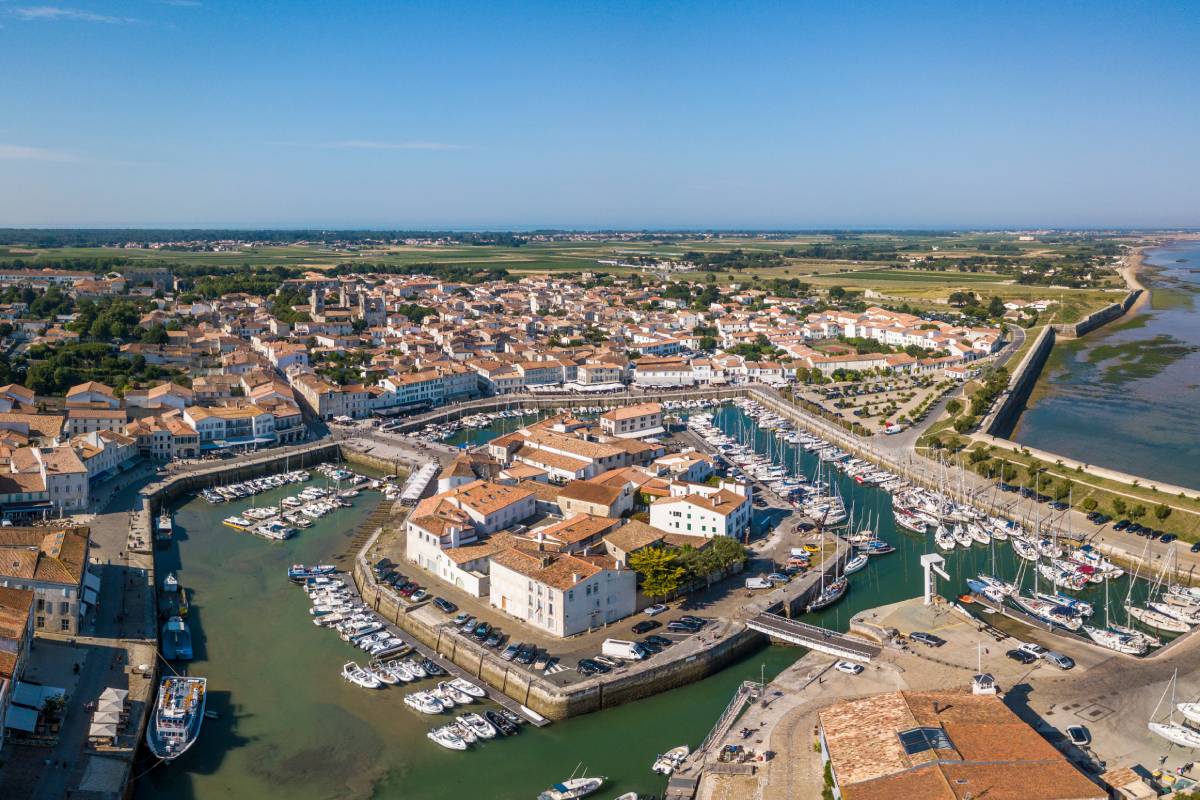
Île de Ré has long been a strategic coastal location, shaped by trade, travel, and conflict. Photo: IURII BURIAK / Shutterstock
A possible harbor and trading post?
Indeed, Annie Bolle, the scientific manager of the excavation site, has indicated that the initial assessments of the five unusual graves suggest the individuals could have been of Anglo-Saxon, Frisian, or Danish origin.
At the same time, she remains cautious about the findings until more tests and analyses have been carried out.
The presence of these objects has also led the team to speculate that Île de Ré could have functioned as a harbor for people traveling from other lands to southeastern France. It is also possible that it was involved in international trade routes.
The team plans to conduct genomic and isotopic studies in the near future, as well as further analysis of the artifacts unearthed at the site.
The archeologists hope they will eventually be able to provide more insight into the activity of people living on Île de Ré during this period, and perhaps also determine the geographical origin of the individuals found at the grave.
We get to provide readers with original coverage thanks to our loyal supporters. Do you enjoy our work? You can become a PATRON here or via our Patreon page. You'll get access to exclusive content and early access.
Feel free to reach out to discuss potential stories that may be in the public interest. You can reach us via email at [email protected] with the understanding that the information you provide might be used in our reporting and stories.