

The Kievan Rus was one of the most important centers of power in Eastern Europe for more than three hundred years. Allegedly founded by the Varangians in the 9th century, it eventually grew into an influential state that governed vital trade routes and wielded significant military power.
Today, it is claimed by some as the birthplace of the nations of Russia, Belarus, and Ukraine. Others, however, characterize it as merely an extension of Viking authority toward the east. So, what is the truth?
The Viking claim
The Kievan Rus was an East Slavic state that eventually evolved into a group of principalities.
Like many centers of power that first emerged in the early medieval period, there are elements of myth and rumor to its foundation.
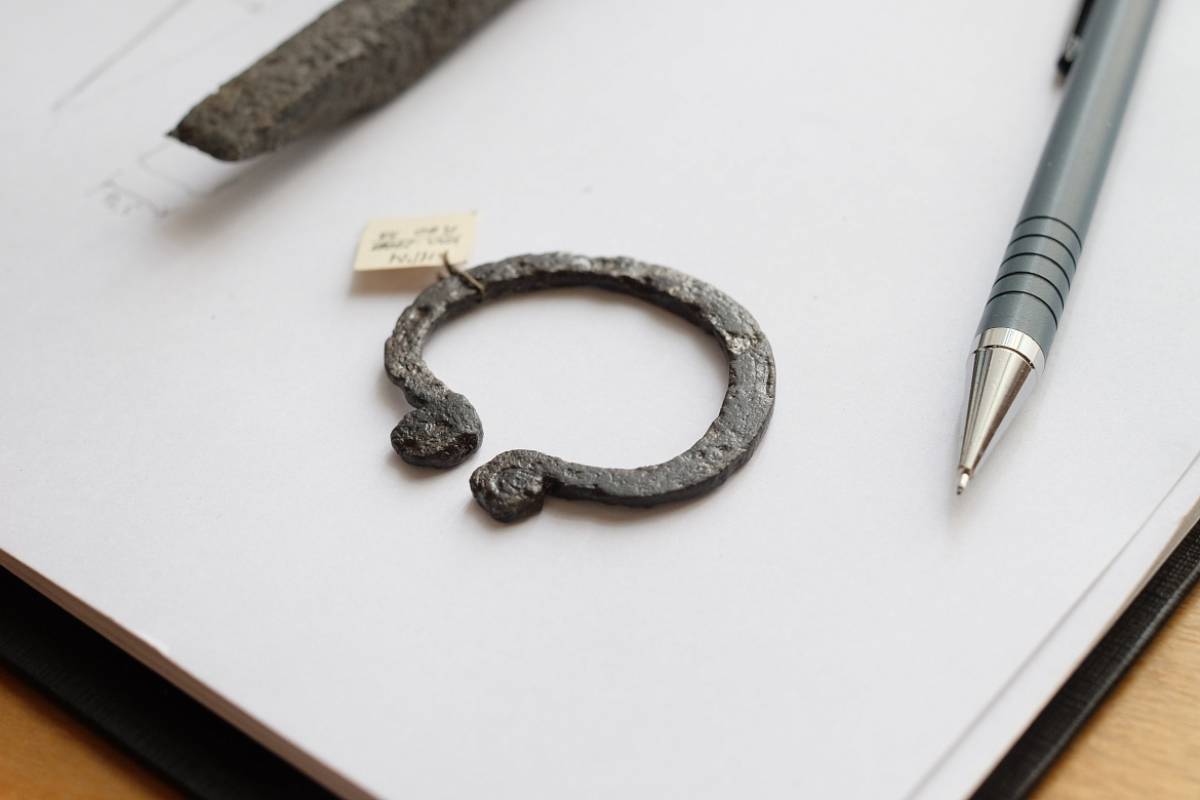
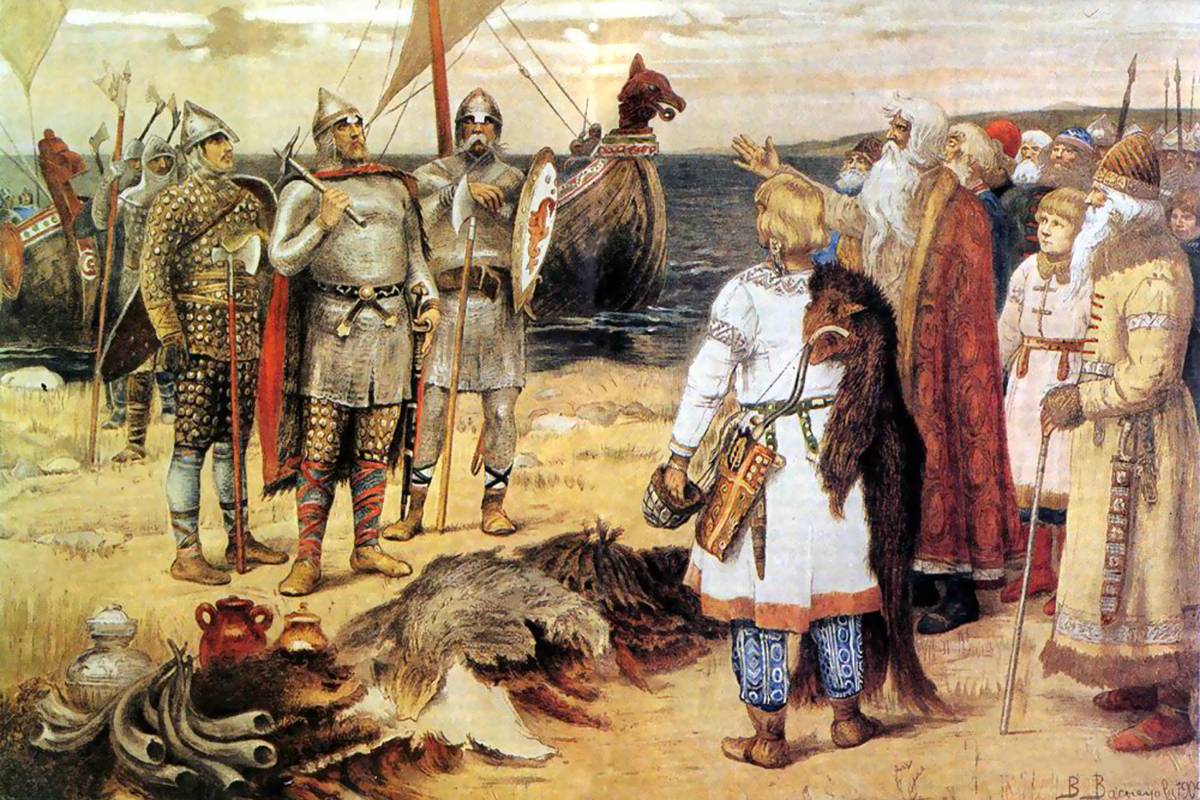
Nonetheless, many historians believe the first rulers of the Kievan Rus were the Varangians—Norse traders and conquerors who mainly originated from present-day Sweden.
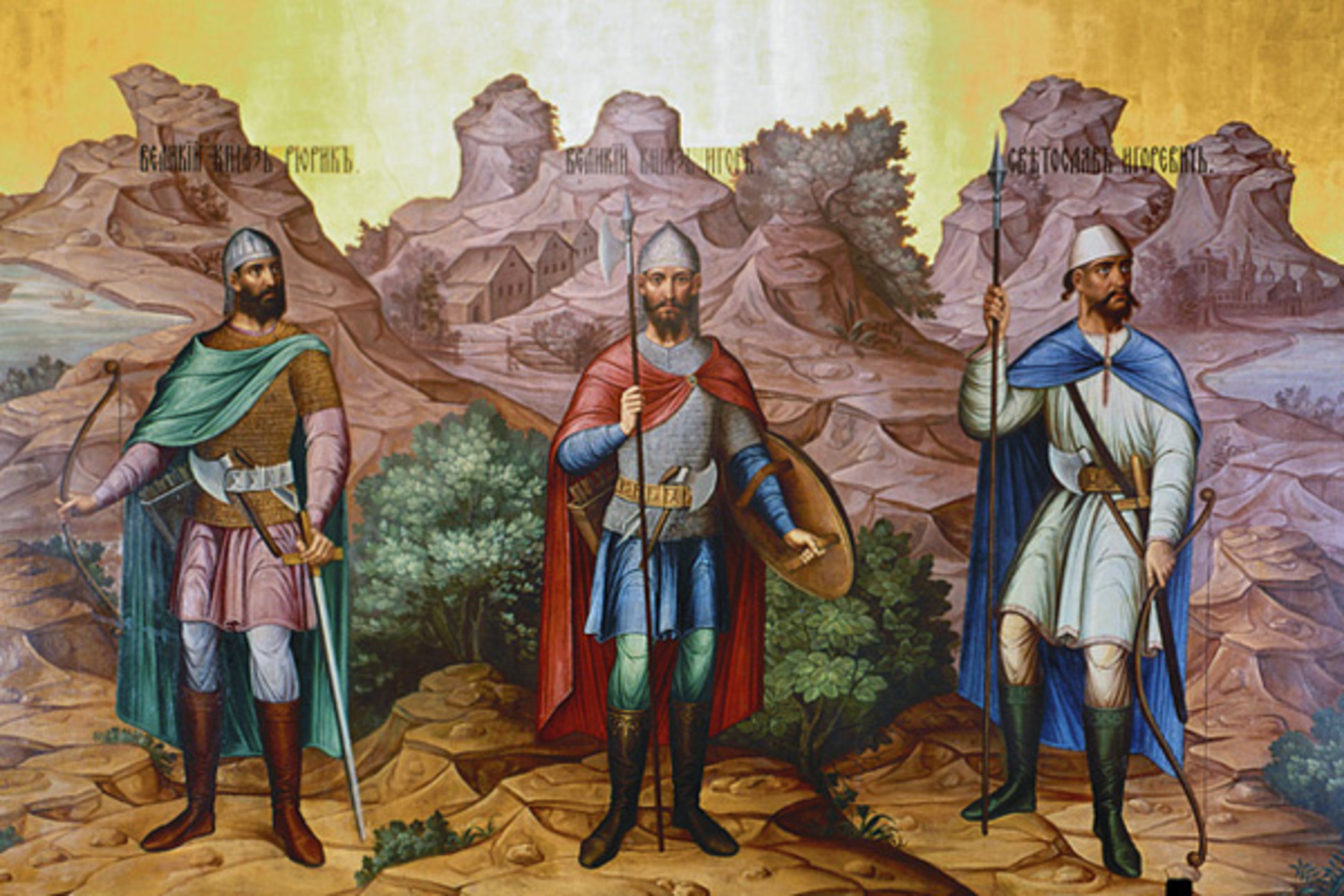
Three brothers—Rurik, Sineus, and Truvor—are said to have established themselves in the cities of Novgorod, Beloozero, and Izborsk, with Rurik eventually taking sole charge of the territories after the deaths of his two siblings.
Rurik was succeeded by Oleg the Wise, acting as regent for Rurik's son, Igor. Oleg soon established Kiev as his new capital, and the city emerged as a powerful citadel and place of trade.
Although the Scandinavians in Kiev eventually assimilated into the local culture, the trading links with the Viking world persisted for centuries.
Nevertheless, it is unlikely that the majority of, for example, the residents of Kiev were ethnically and linguistically of Norse origin, just as French language and culture dominated in Normandy even during the rule of the Viking leader Rollo.
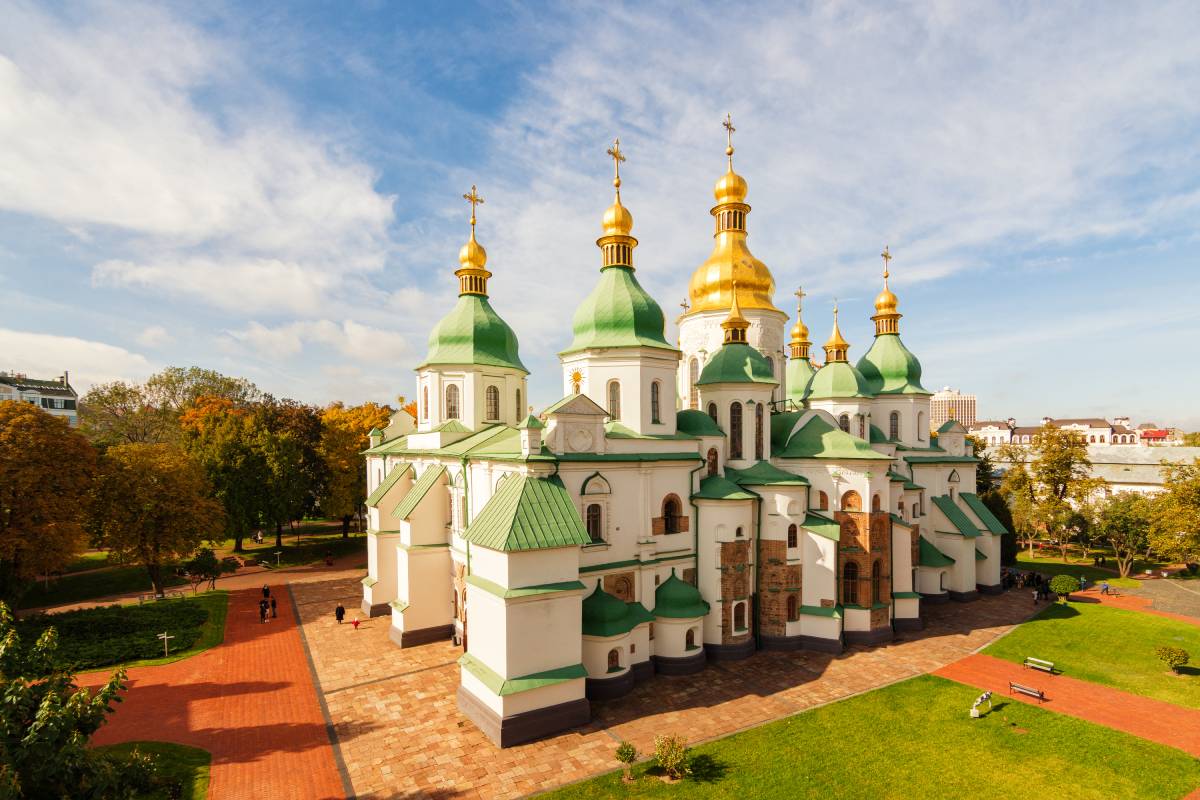
Saint Sophia Cathedral in Kyiv was first built in the 11th century during the height of the Kievan Rus. Photo: rbrechko / Shutterstock
Kyiv and the legacy of the Kievan Rus
The most obvious link from the Kievan Rus to the modern state of Ukraine, of course, comes in the location of the capital.
Although Novgorod, which today lies in Russia, was one of the principal cities of the Rus, Kiev was its true center.
Indeed, it was from Kiev that the Rurik dynasty ruled a large empire that, at its highest point, extended across more than half a million square miles.
As the capital of Ukraine in the present day, Kiev—or Kyiv—is, of course, a Ukrainian city. This does not mean that the link between the ruling parties of Kievan Rus and present-day Ukraine was unbroken—the Mongols sacked the city in the 13th century.
In the 15th century, Ivan IV, believed to be a descendant of Rurik, would extend his powers to become the tsar of the Russian empire.
At the same time, there is no denying that the culture embodied by the residents of modern-day Ukraine has its roots in the era of the Rus.
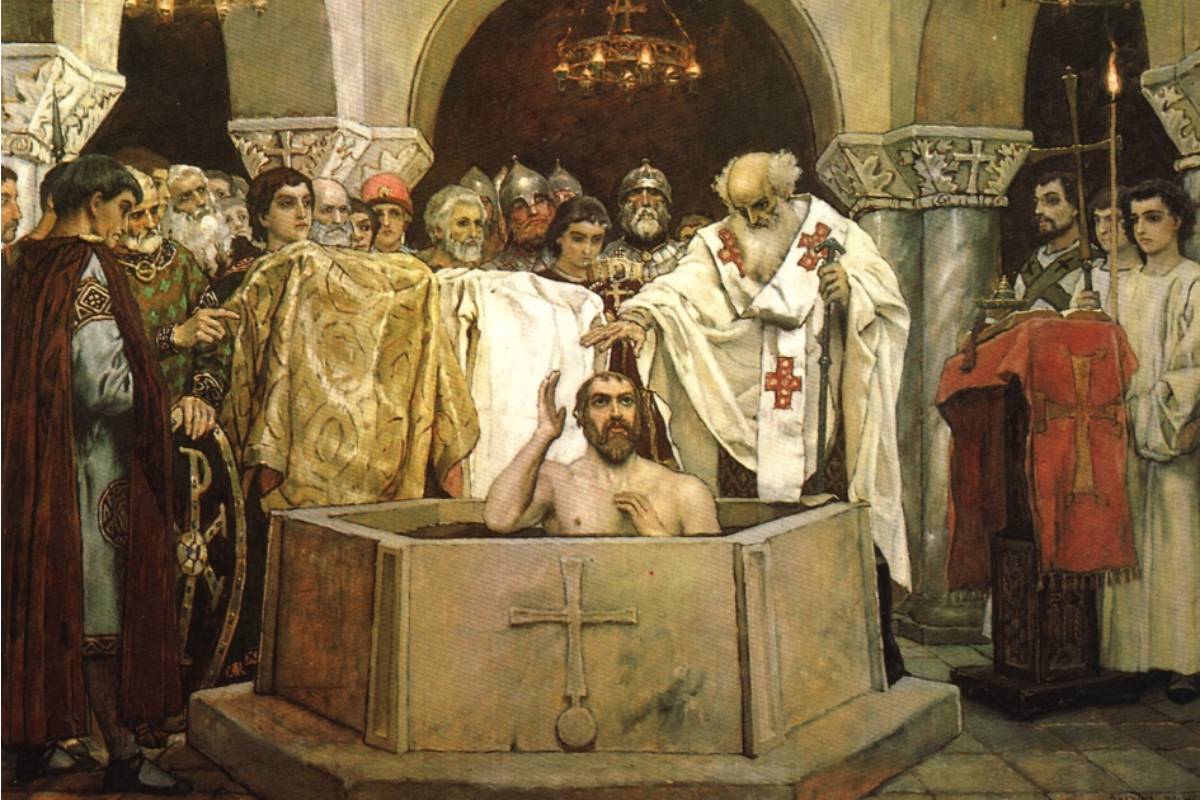
Today, visitors can see a Soviet-era reconstruction of the Golden Gate from this period, as well as Saint Sophia Cathedral, which is thought to have initially been raised in the 11th century by Yaroslav the Wise, and is today a UNESCO World Heritage Site.
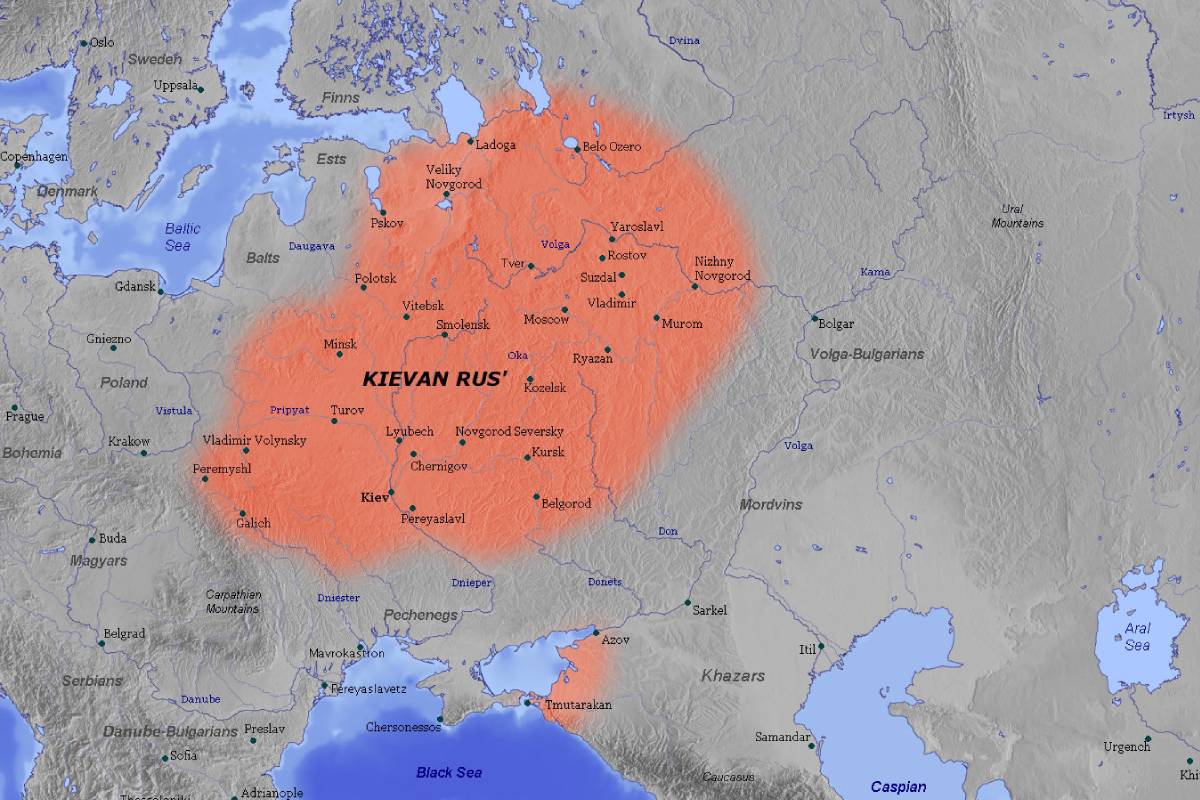
Centered on Kiev, the Kievan Rus stretched across a vast area of Eastern Europe by the 11th century. Source: Claude Zygiel (CC BY-SA 3.0)
The claims of Russia and Belarus
So what about Russia and Belarus?
The most obvious answer is that they both have Rus in the name, which is taken from the people and territories of the Rus.
There have also been many attempts over the centuries to link the Kievan Rus to the birth of Russia as a nation, though it goes without saying that this remains a delicate topic.
The basic argument in favor of Russia is linked to the Rurik dynasty—here, the initial center of Russian power begins in Kiev, before later moving to Moscow.
Indeed, the Grand Duchy of Moscow is seen by many as both a successor to the Kievan Rus and a predecessor to the more modern Russian state.
Then there is Novgorod, of course, the second city of the Kievan Rus that has sometimes been referred to as "the first-ever capital of Russia."
Novgorod was a thriving hub of culture and an important religious site for many centuries. Though less prominent today, it nevertheless remains a thriving city and was named a UNESCO World Heritage Site in 1992.
On the other hand, some parts of Belarus first took shape as a principality under the Kievan Rus.
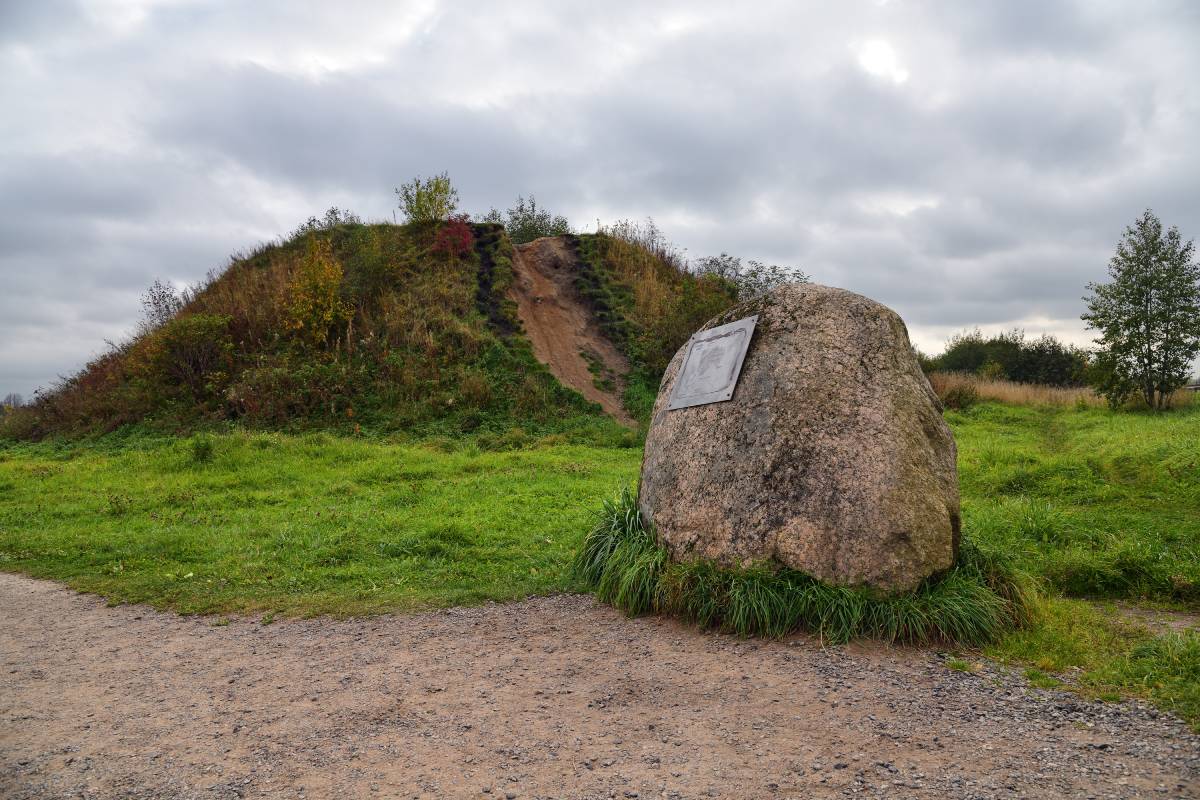
The burial mound of Oleg of Novgorod, legendary Varangian ruler of the Kievan Rus, near Staraya Ladoga in Russia. Photo: Oleg Znamenskiy / Shutterstock
Who is right?
So what's the verdict? Was the Kievan Rus Ukrainian, Russian, Viking, or even Belarusian?
There can only be one answer: that is the wrong question to ask. The present-day nation-states of Ukraine, Russia, and Belarus emerged many centuries after the fall of the Kievan Rus.
Like all nations, their identities are complex and multifaceted, borne of not only language, culture, and ethnicity but also struggles of power, politics, military might, and international treaties.
As many studies have found, the emerging Kievan Rus was both Slavic and Scandinavian. In the beginning, the records indicate it consisted of tribes of different origins that were united by their Varangian rulers.
Even after the invasion of the Mongols led to the collapse of the Kievan Rus, elements of the traditions, culture, and even architecture of this once-great kingdom survived and, in many cases, spread out.
Naturally, some of these fragments can today be seen in parts of Russia, Ukraine, and Belarus.
Even across the Baltic Sea in Sweden, there are linguistic traces still apparent from this meeting of cultures in the early medieval period.
Yet it bears recalling that the Kievan Rus, which stretched across the boundaries of three modern-day countries, passed from history some seven centuries ago.
To use it for modern claims of statehood seems, at the very least, a vast simplification of a very complicated past.
We get to provide readers with original coverage thanks to our loyal supporters. Do you enjoy our work? You can become a PATRON here or via our Patreon page. You'll get access to exclusive content and early access.
Feel free to reach out to discuss potential stories that may be in the public interest. You can reach us via email at [email protected] with the understanding that the information you provide might be used in our reporting and stories.