

What was the Viking Age?
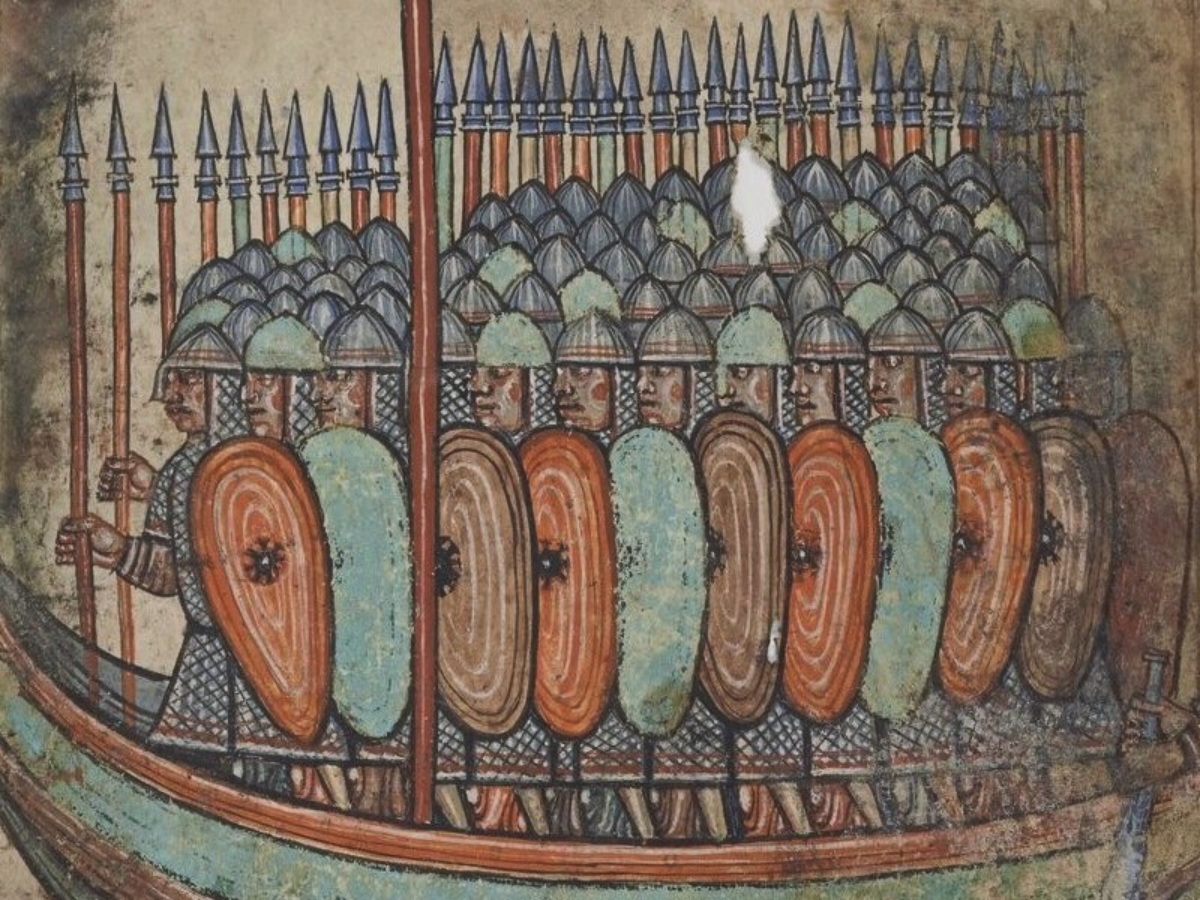
According to numerous historians, it started dramatically with a violent raid on the isolated monastic island of Lindisfarne in 793 and concluded just as dramatically when Harald Hardrada was defeated and killed on a battlefield in the north of England, marking the end of his failed invasion.
However, this traditional view has now undergone about a generation of reanalysis, rethinking, and reassessment.
In Northmen: The Viking Saga, AD 793-1241, John Haywood, a renowned British author and historian, suggests that the Viking Age "begins and ends at different times in different places" compared to the traditional view.
For Haywood, the origins of the Vikings can be found deep in Bronze Age Scandinavia, while he bookends the age with a wedding in Greenland in the 15th century.
While other histories focus mainly on the Viking homeland in Scandinavia and its surrounds, Haywood uses the latest historical research to show how people from Viking societies left a deep impact on faraway places, including the southern tip of Italy and Jerusalem, as Vikings slowly morphed into Normans and Crusaders.

Haywood's narrative skilfully traces the Vikings' rise from "pagan barbarians" to power players in Christian Europe. Photo: elRoce / Shutterstock
Vast horizons
When introducing Northmen: The Viking Saga, AD 793-1241, Haywood notes that the Vikings were a historic phenomenon because of the "vast expanse of their horizons."
Like his subject, the author, too, has seemingly broad horizons as he meticulously traces the story of the Vikings and the societies that produced them.
While new areas of research highlighting the Viking influence in places like Tallinn, Palermo, and Jerusalem are interesting, much of the book is devoted to well-trodden paths such as the Danelaw, Dublin, and the British Isles.
The book's charm occurs when he explores less studied areas, for example, devoting a whole chapter to the Kievan Rus.
Thanks to Vladimir Putin's pre-invasion speech on Ukraine, the issue has popped back into the collective consciousness. It shows how history is constantly being used and abused in everyday 21st-century life.
Tracing the story across five centuries and several continents, Haywood pays special attention to the evolution of Scandinavian societies due to the outside influences that Vikings often brought back with them.
While they started very much as mere "pagan barbarians" at the start of this story, by the final chapter, Scandinavia has been integrated into the broader European Christian network of kingdoms.
Haywood points to this as the actual "end" of the Viking Age, and it spelled, unfortunately, a decline in historical, political, and cultural influence for these societies – just don't tell that to any Scandinavians today!
There is nothing wrong with "Northmen" as Haywood slowly draws a socio-political history of the entire age.
He does, however, admit that the book is not an attempt to "paint a balanced picture of Viking life," with little mention of cultural achievements or even women.
However, its use is probably best suited for academics, researchers, and the not-so-casual lovers of history.
Northmen: The Viking Saga, AD 793-1241, by John Haywood, is available for purchase on Amazon here.
Feel free to reach out to discuss potential stories that may be in the public interest. You can reach us via email at [email protected] with the understanding that the information you provide might be used in our reporting and stories.