

Amid the breathtakingly beautiful surroundings of Jotunheimen National Park, visitors to the Norwegian village of Lom will find a delightful and innovative museum.
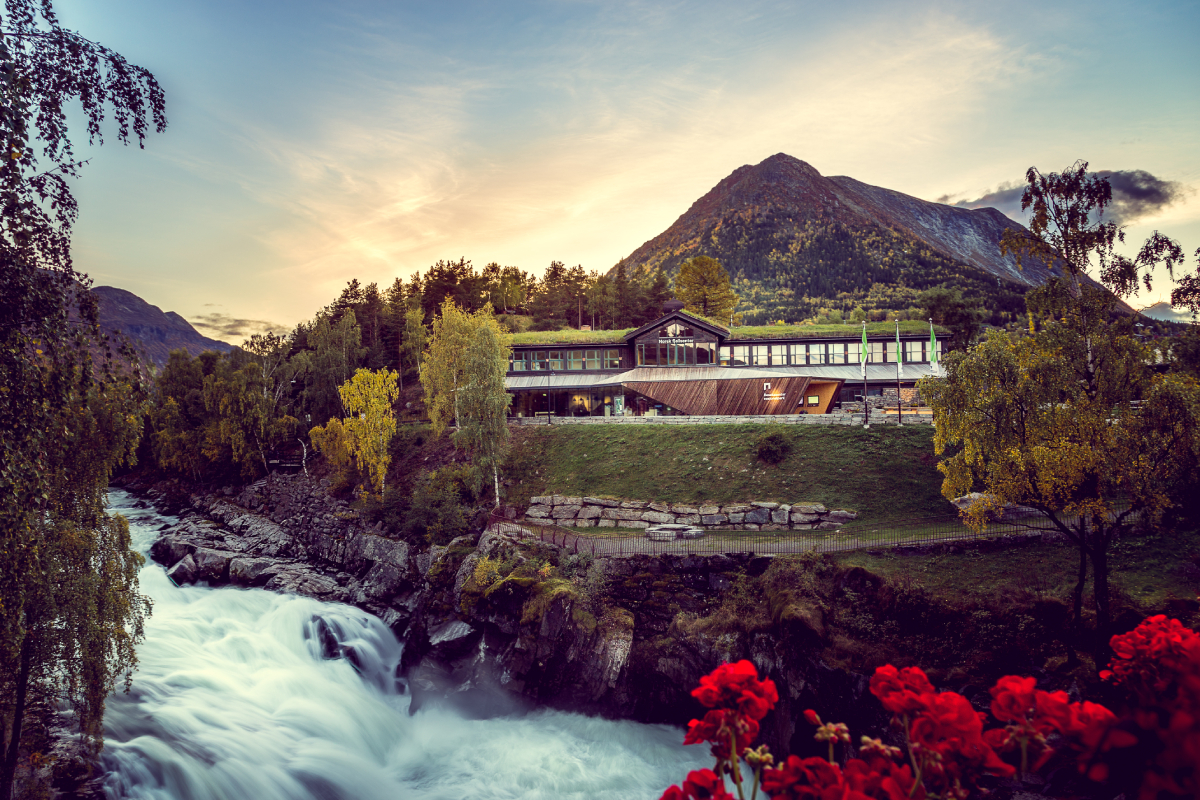
The Norwegian Mountain Center (Norsk Fjellsenter) houses arguably the freshest and most spectacular collection of glacial archeology artifacts in the world.
The center, which has finds ranging from the Stone Age to the Viking Age and the medieval period, has also recently received a USD 1.9 million funding grant to educate visitors about climate change.
We speak to a key member of the museum team, Thea Dalen, about vital partnerships, thrilling discoveries, widespread education, and receiving priceless artifacts for display on the very day of their discovery.
A fruitful partnership
The Norwegian Mountain Center is ostensibly a visitor center for the national parks Jotunheimen, Reinheimen, and Breheimen.
However, after forming two key partnerships over the past two decades, it has also become home to some of the most important historical artifacts found in the surrounding region.
"We have a special agreement with the Museum of Cultural History in Oslo," Thea tells The Viking Herald.
"They have ownership of the artifacts, and we are the arena where they are displayed. When we do an exhibition, we apply for the artifacts we want and cooperate with the museum to find out which ones are suitable and how to exhibit them."
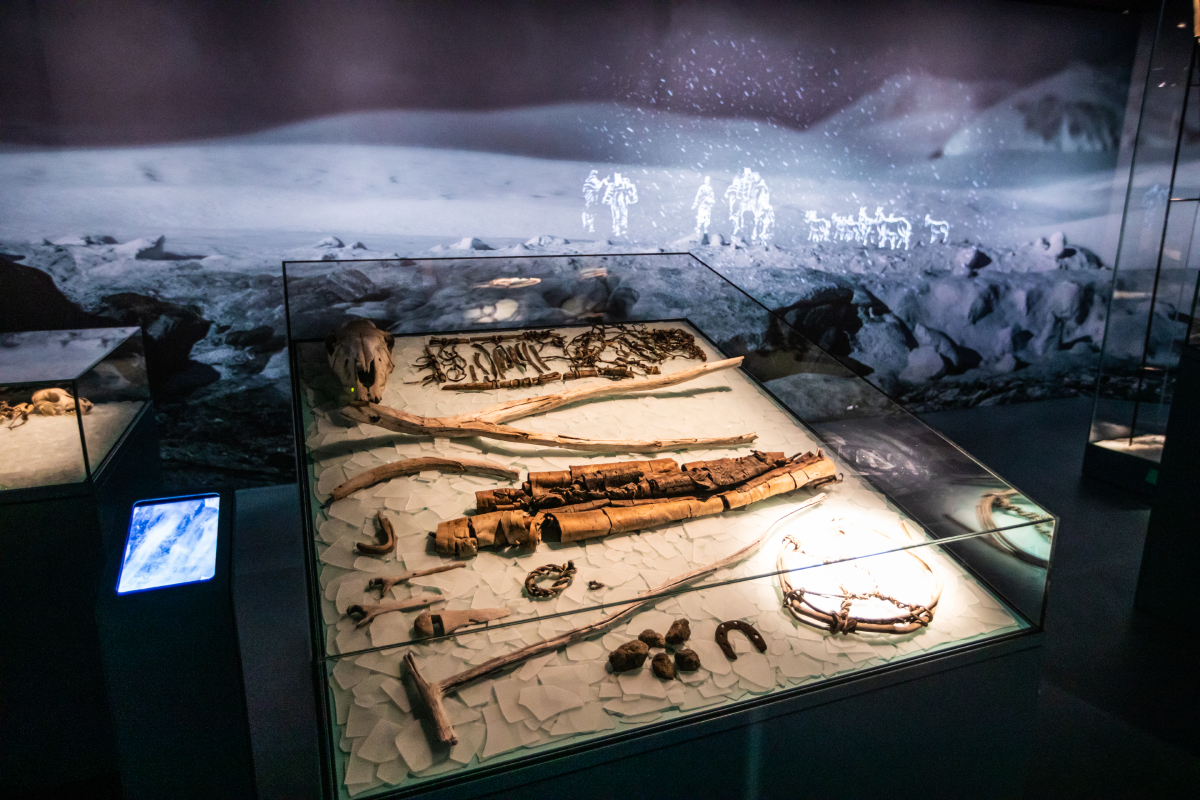
The center collaborates with the Secrets of the Ice team, often exhibiting artifacts on the same day they are discovered. Source: Live Andrea Sulheim / Norsk fjellsenter
Instant exhibits from the Secrets of the Ice
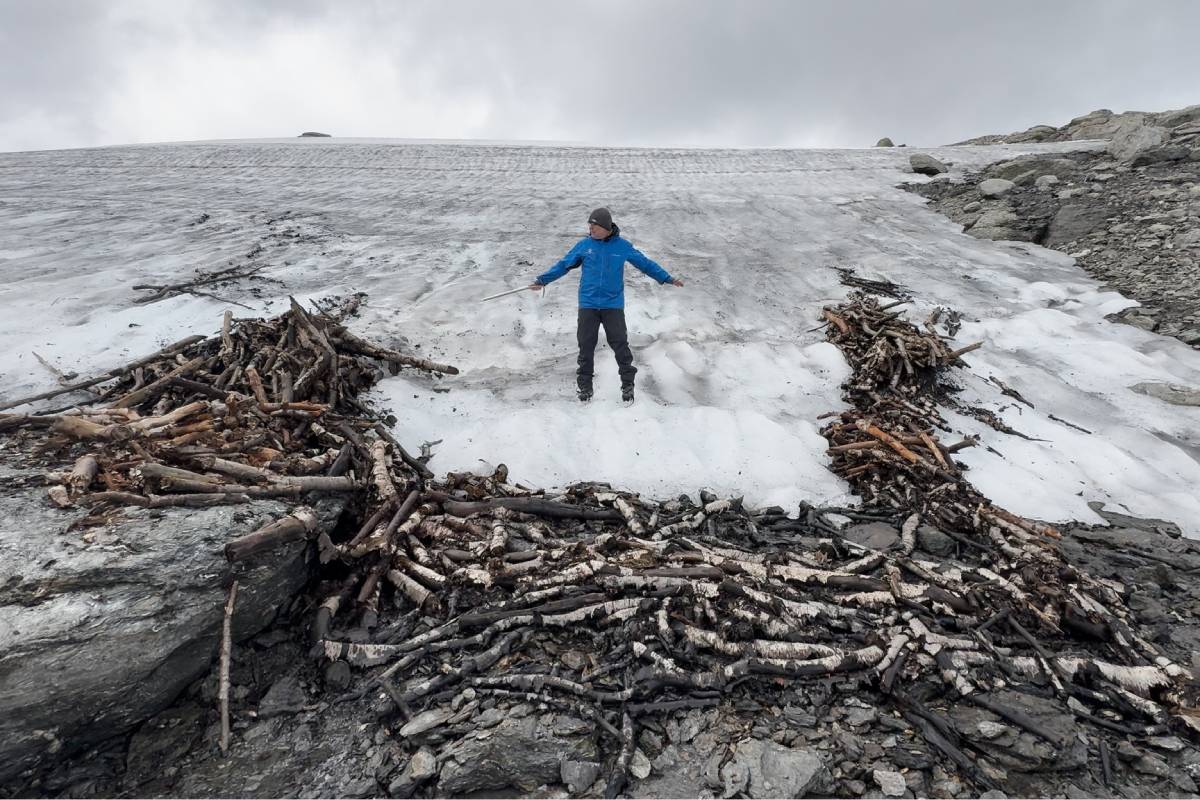
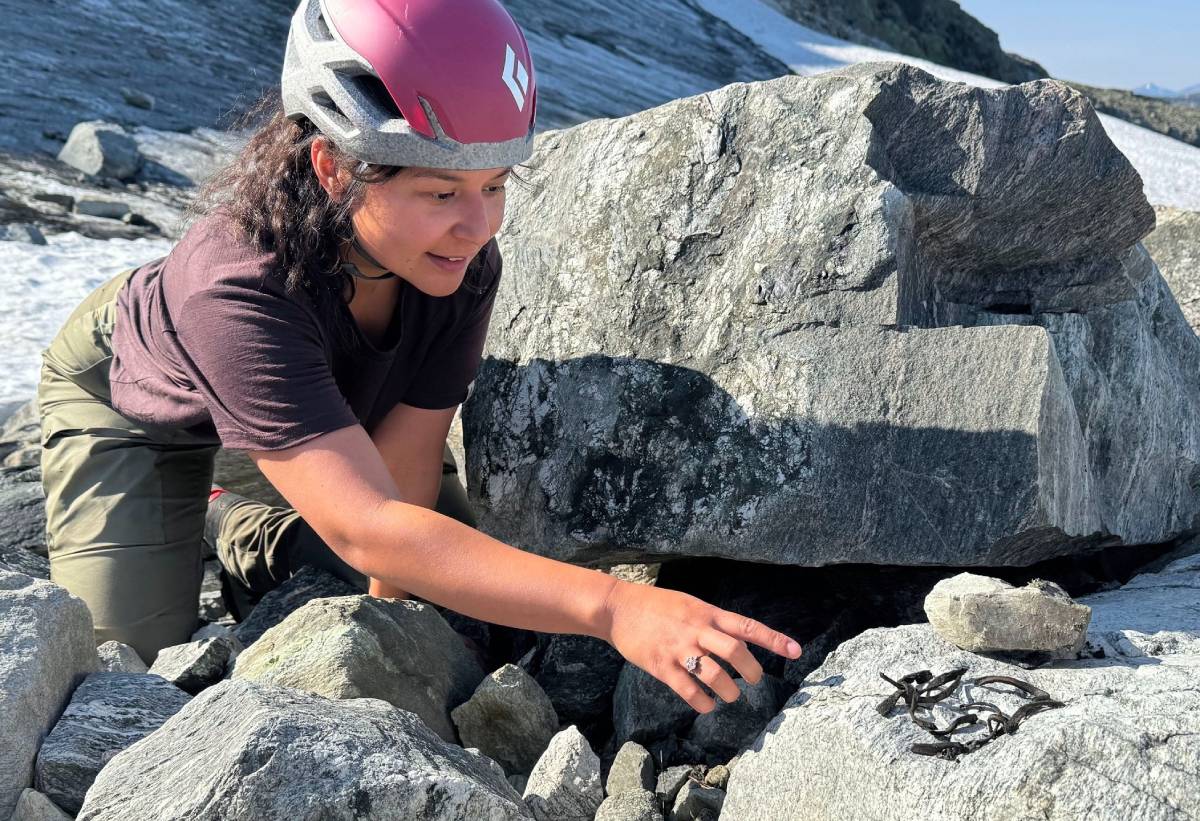
The center also works alongside the Secrets of the Ice team – a group of glacial archeologists based nearby who have uncovered a series of stunning finds in the mountainous regions of Norway.
"We have worked with them since 2006 and often join the archeologists in the field," says Thea.
"When they find something, they usually take it down here, and we can exhibit it immediately – sometimes on the very same day."
"If the artifacts are iron or metal, they are usually dry and don't degrade, so we can put them on display. If they are leather, we sometimes have bottles of water to spray them and keep them moist."
"Of course, we don't display the really fragile artifacts, and many of these are put in cold storage."
"Everything from the Secrets of the Ice team is kept here until winter," Thea explains.
"The Museum of Cultural History then comes up and goes through all the artifacts. They take most of them, but some of them stay here. We can also apply for artifacts we want later for the exhibition."
- READ MORE: Interview - Glacial archaeologists "Secrets of the Ice" seek rare finds in a melting world
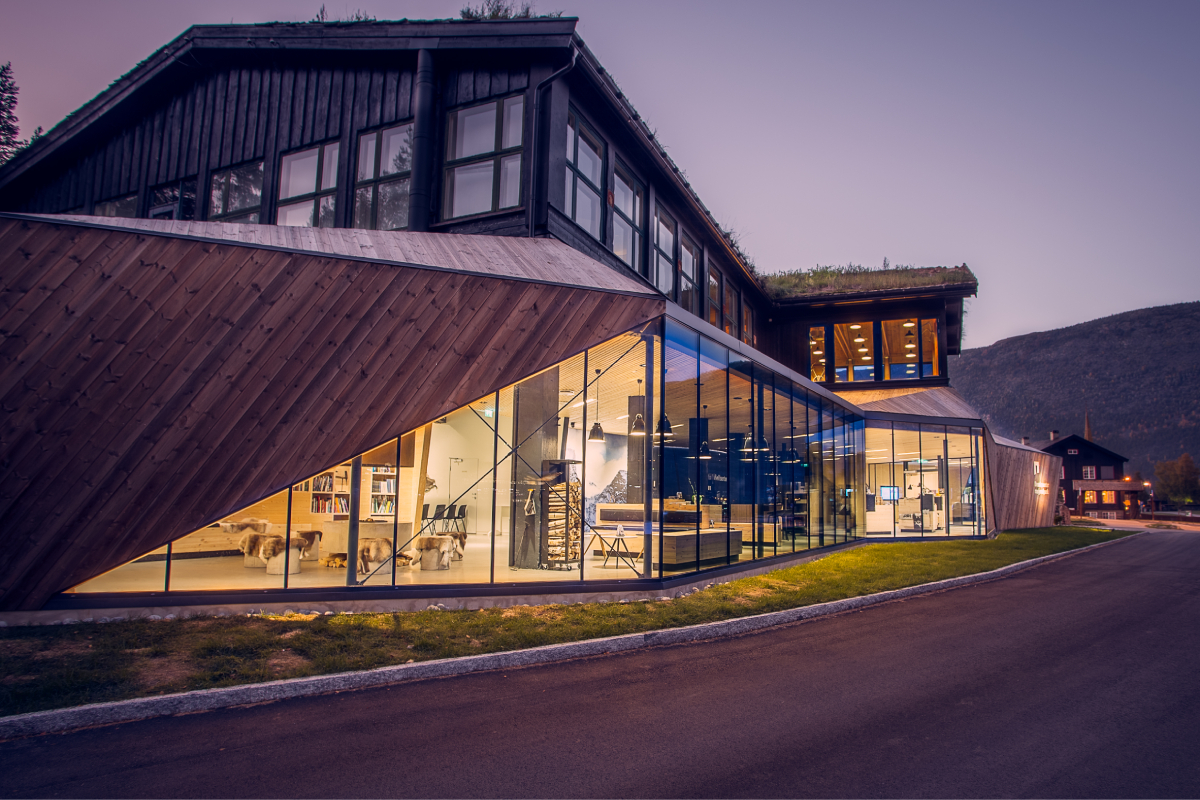
The museum's unique location allows visitors to view artifacts exhibited close to their original discovery sites. Source: Kristoffer Mæle Thuestad
Surrounded by history
As Thea illustrates, there are very few museums or exhibitions in the world in such an authentic setting.
Often, the artifacts are displayed just a few hundred yards or a couple of miles from where they were found.
"When you walk into the exhibition, you will find this high mountain landscape, with glaciers and sounds from the mountain," Thea tells us.
"You can see artifacts that tell you about the Stone Age, reindeer hunting in the Viking Age, or how the mountains were used as important traveling routes."
"Last year, we opened a new exhibition, Frozen in Time, specifically dedicated to glacial archeology."
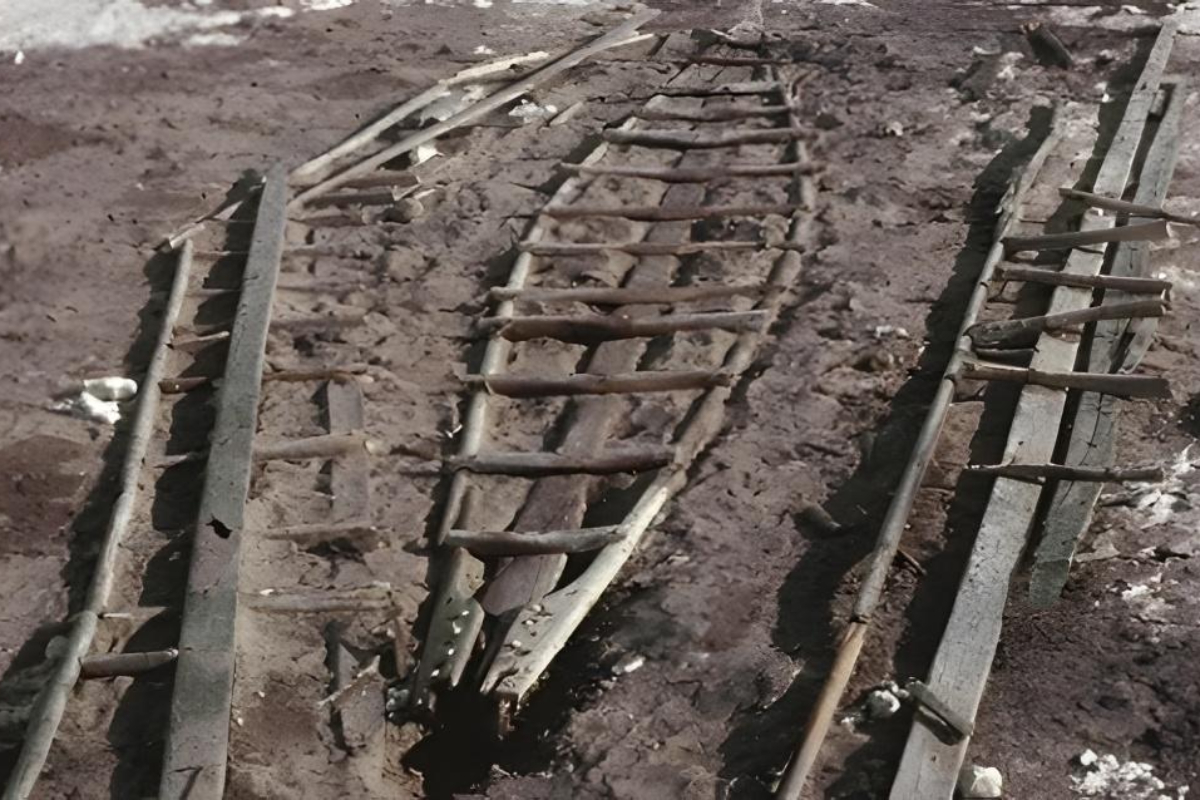
"We display many of the most significant artifacts that have melted out of the ice. These artifacts date as far back as 6,000 years, while the later ones are from the Middle Ages."
"Some of the artifacts are probably easier to interpret than in other museums," Thea adds.
"You can see a whole ski or a complete arrow with the feathers intact. So perhaps it's more immediate than in other exhibitions, and people seem to really appreciate that."
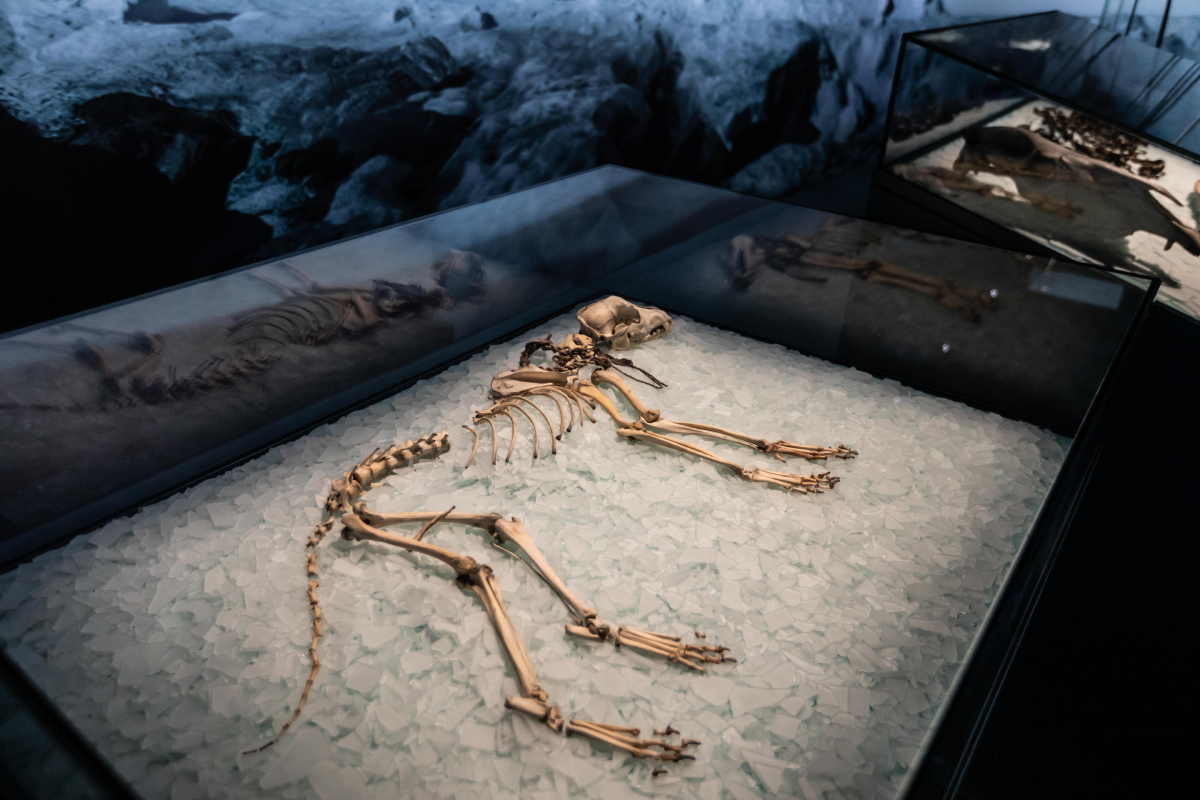
One of the more interesting artifacts in the museum is the 500-year-old dog discovered with its collar. Source: Live Andrea Sulheim / Norsk fjellsenter
Ancient dogs and rare textiles
"I also like the more personal artifacts," Thea continues. "At the Lendbreen Pass – which was used frequently during the Viking Age – the archeologists have found more than a hundred pieces of textiles, and we have displayed 11 of them here."
These textiles tell us about the clothing they wore in the past and also the history of weaving.
"It's very interesting to see the different techniques and threads they used. Most of them are woven from wool, but some are really thin, while others are thicker and not so finely woven – I like to imagine what they looked like when they were worn."
"Maybe it is a more female-centered history than a lot of other historical artifacts."
"One of my favorite artifacts is a 500-year-old dog," Thea continues. "It even has its collar intact."
"A lot of people have dogs, and it's easy to put yourself in the place of the owner – how it must have felt to lose the dog, or perhaps to have had to put it down because it was ill or injured. It's also a find that children usually get very excited about."
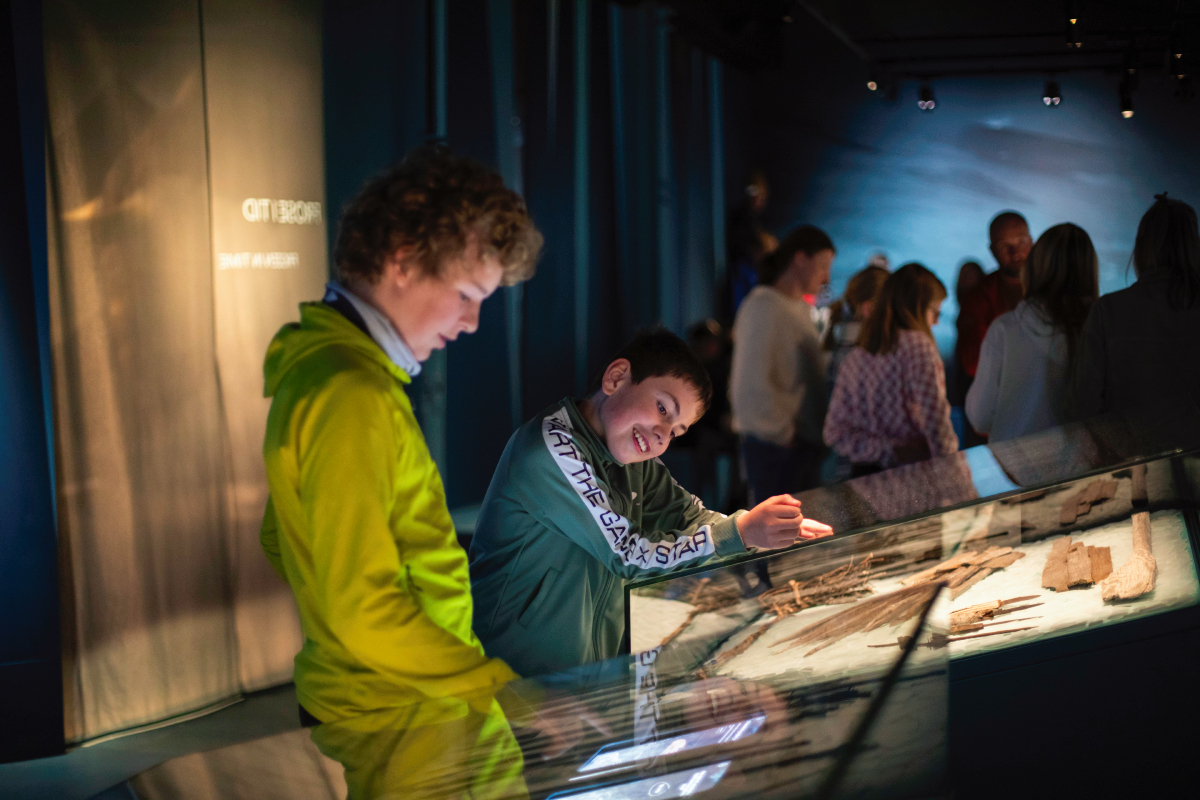
Education is a key focus at the center, with programs like VR experiences and classroom visits to teach kids about glacial archeology. Source: Live Andrea Sulheim / Norsk fjellsenter
Valuable education
Indeed, as Thea explains, education is also a central aspect of the center.
"We travel to many schools, and they also come to us. We have VR glasses, and we have made a show where the kids can go inside the ice tunnel at the nearby Climate Park and view all the different artifacts."
"We have storytelling in the classroom, where we talk about climate change and glacial archeology and bring replicas of different finds so that the students can see and touch them."
"We have also just received 20 million Norwegian kroner (USD 1.9 million) to help us develop digital interpretation at the center."
"We work with climate scientists as well as glacial archeologists, so we are going to develop a platform where you can monitor the climate changes in the high mountains here."
"We want people from all over the world to come here and learn about how the permafrost is disappearing, the melting ice, and the changing temperatures," Thea says.
"Our goal is to help people understand what is happening, but we would also like to give them some tools to help. Some of the changes will happen whether we like it or not – we need to learn how to adapt."
We get to provide readers with original coverage thanks to our loyal supporters. Do you enjoy our work? You can become a PATRON here or via our Patreon page. You'll get access to exclusive content and early access.
Feel free to reach out to discuss potential stories that may be in the public interest. You can reach us via email at [email protected] with the understanding that the information you provide might be used in our reporting and stories.