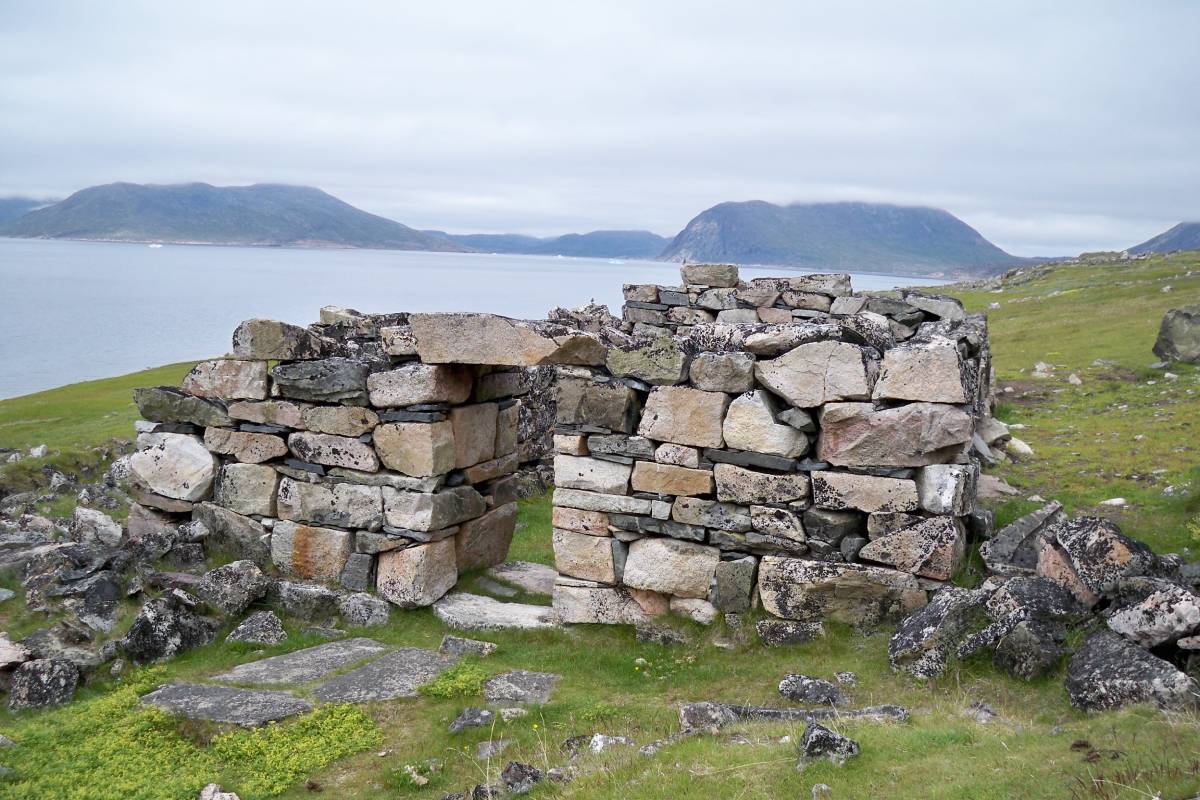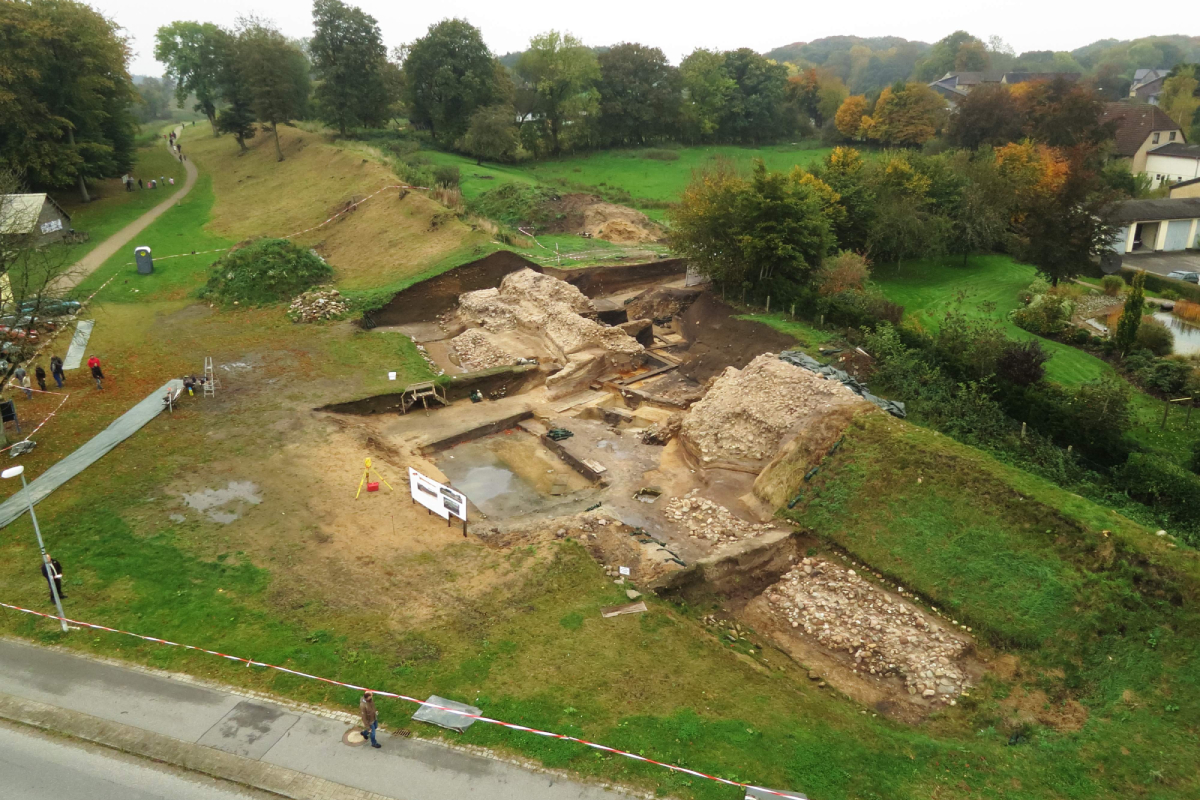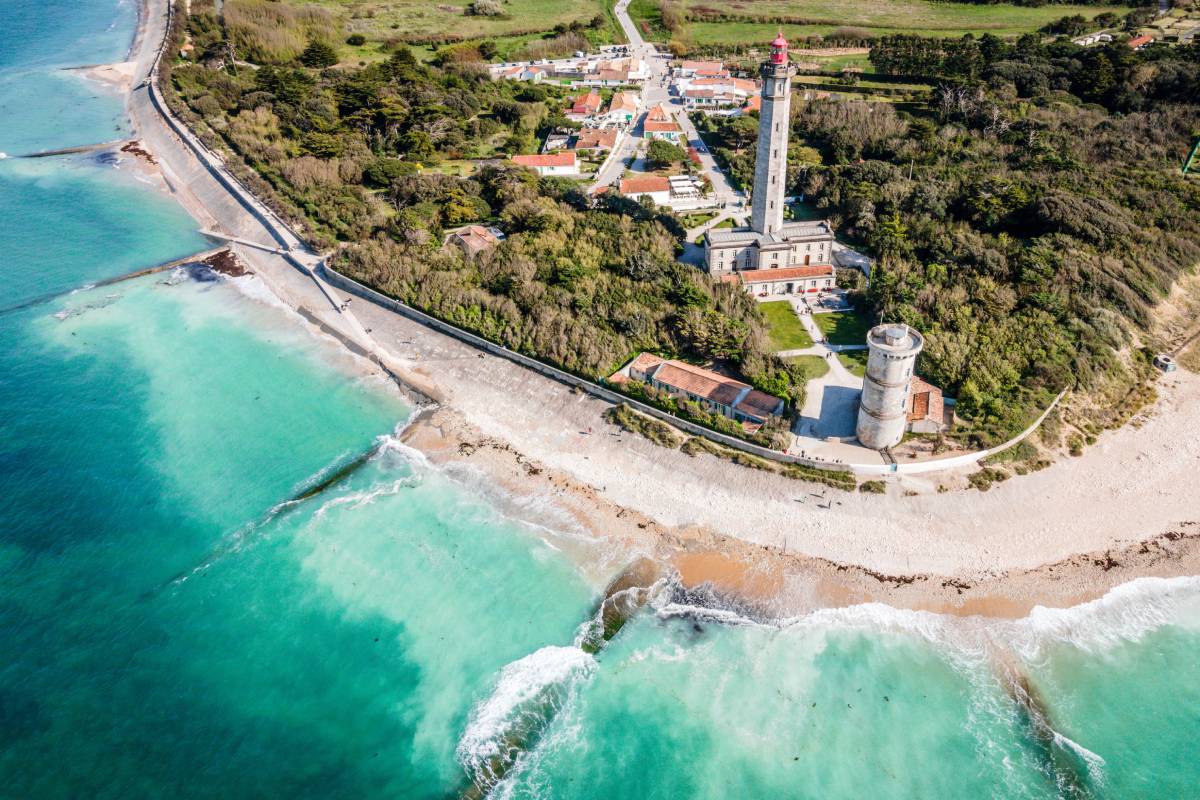


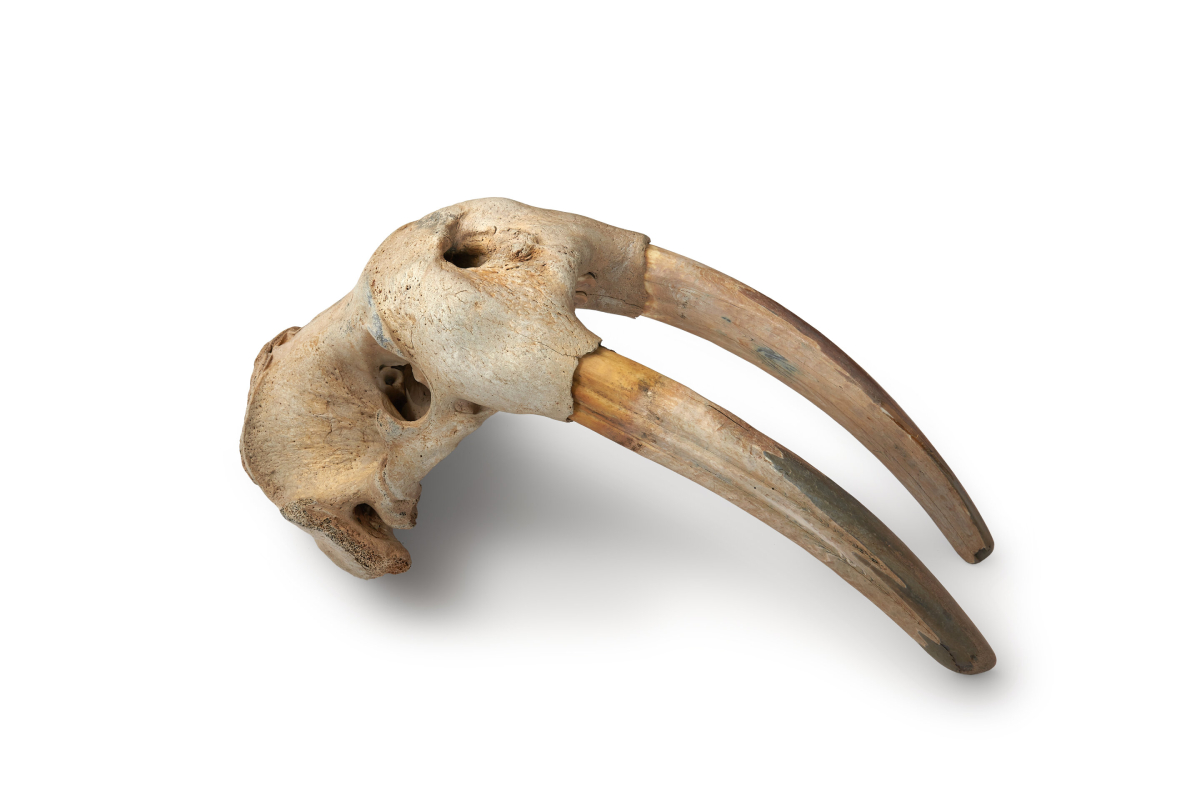
A new study published in the journal Science Advances indicates that Norse Greenlanders may have enjoyed closer ties with the indigenous peoples of the Arctic than previously thought.
The news comes after a detailed study of the movement of walrus ivory from the 10th to the 15th century.
Exploring walrus hunting grounds
The research, summarized in the paper Greenland Norse walrus exploitation deep into the Arctic, was conducted by an international group of 17 researchers.
The study aimed to identify the extent of long-range hunting expeditions carried out by the Norse Greenlanders. The team used high-resolution genomic sourcing methods to track walrus artifacts to specific hunting grounds, including those in the High Arctic.
"Unlike many other marine mammals, Atlantic walruses tend to aggregate in smaller groups close to shallow-water feeding grounds, which are only located in a few specific areas," lead author Dr. Emily Ruiz-Puerta, an Arctic researcher at the University of Groningen and University of Copenhagen, explained to The Viking Herald.
"Over time, these groups become quite isolated from each other and develop their own unique genetic identities," added Dr. Morten Tange Olsen, associate professor at the Globe Institute in Copenhagen.
"It was these unique patterns of walrus behavior and new methodological innovations that made the study feasible."
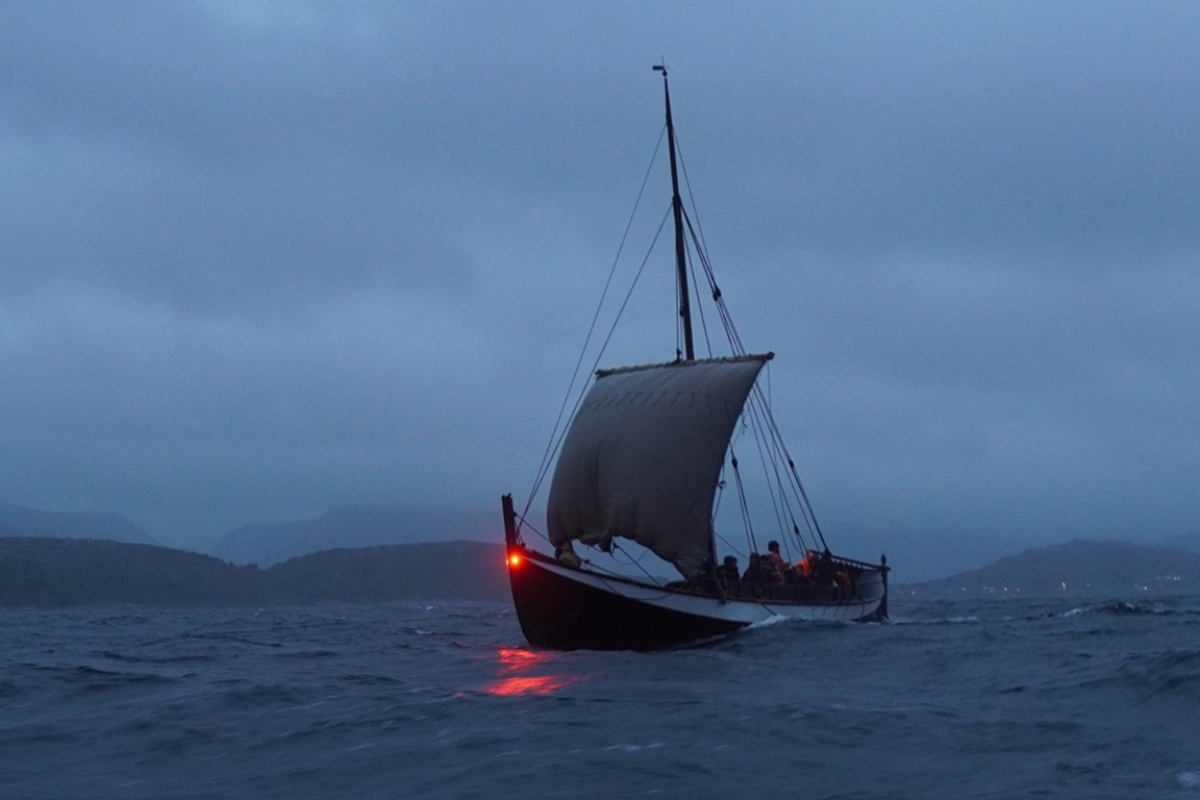
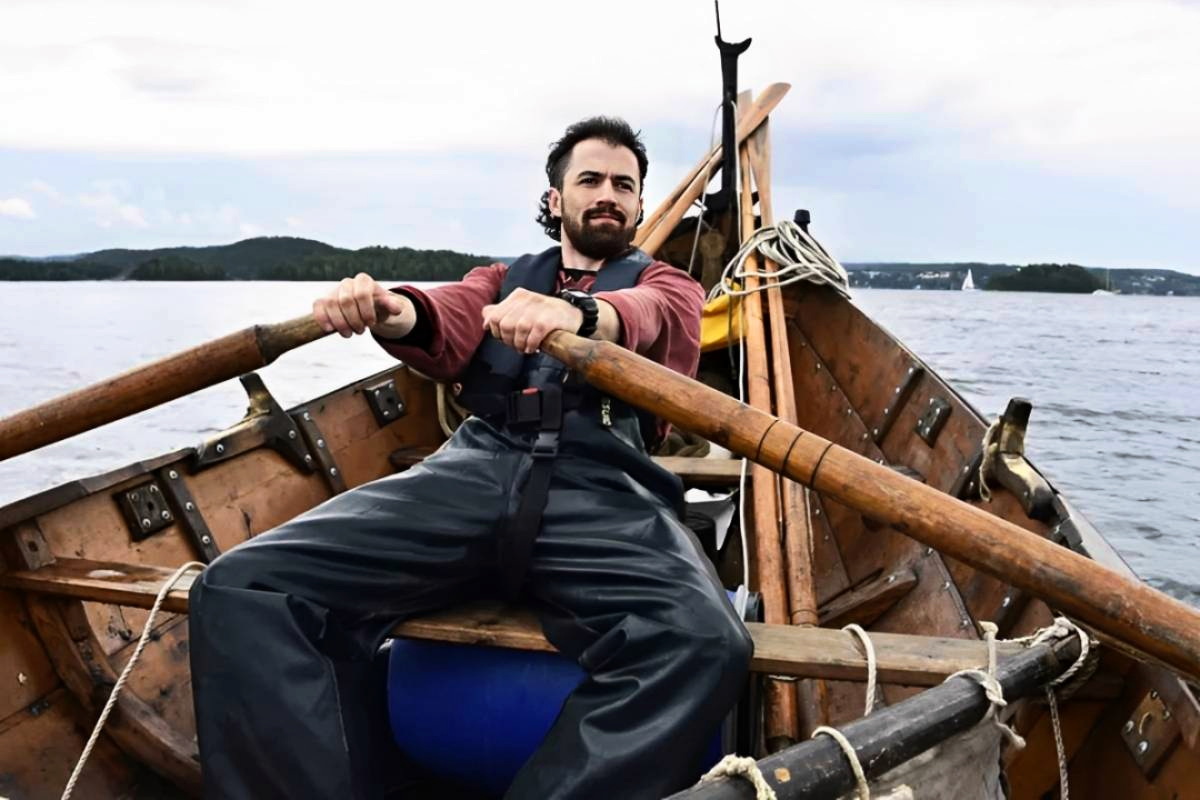
The study involved voyages on experimental vessels to replicate Norse Arctic walrus ivory expeditions. Photo: Greer Jarrett
A valuable commodity
The Norse first settled in Greenland in 986 after migrating west from Iceland. They went on to establish a colony that survived for several centuries, though it was eventually abandoned sometime in the 16th century.
The researchers note that during the colonization period, walrus ivory was likely a key trading commodity for the Norse Greenlanders.
"Walrus ivory was highly prized in medieval Europe and used to make exquisite items representing wealth and status," says Dr. Ruiz-Puerta.
"Although it was a cheaper version of elephant ivory, walrus ivory was used in the development of ecclesiastical objects and had high demand during the Romanesque art period."
"This was followed by its use in the development of more refined and high-art versions of common objects, as artisans preferred walrus ivory because of its unique and highly visual pattern."
"It is also known that walrus ivory was used to pay church taxes in Scandinavian countries."
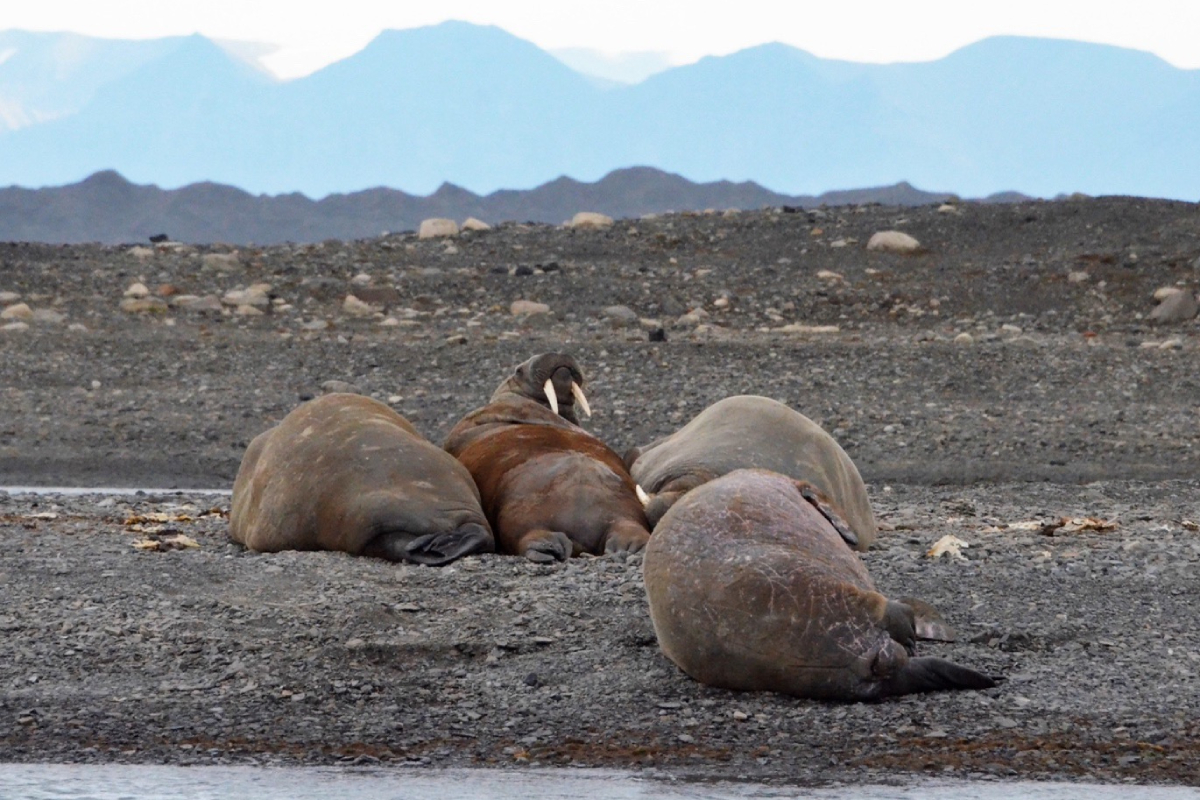
The study suggests Norse Greenlanders may have traded with Indigenous peoples due to declining walrus populations in their usual areas. Photo: Morten Tange Olsen
Possible link between cultures
The research indicates that in their pursuit of walrus ivory, the Norse would almost certainly have traveled to areas populated by Indigenous people.
"For a long time, the Norse were primarily viewed as farmers looking for new lands to settle, with little emphasis placed on their role as traders of walrus ivory," says Dr. Ruiz-Puerta.
"While previous studies suggested a shift in hunting grounds from the east to the west, it was unclear whether they ventured further into the High Arctic or where exactly they sourced their walrus ivory."
"Additionally, although there were hints of possible interactions between the Norse and Indigenous Arctic peoples, perhaps related to the ivory trade, there was no conclusive evidence to support this."
"However, the presence of walrus ivory from the High Arctic in our phylogenetic analyses suggests that the Norse ventured deep into the Arctic and may have established trade networks with local Indigenous populations, possibly due to a decline in walrus populations in their usual hunting grounds," continues Dr. Ruiz-Puerta.
"Indigenous Arctic peoples were already familiar with these regions and had the tools and expertise necessary for hunting walruses."
"Our findings suggest that economic and trade connections likely existed between the Norse and Indigenous groups, challenging previous views of isolation between these cultures."
Further exploration needed
Despite these intriguing results, the team emphasizes that much work remains to be done.
"These preliminary results create the methodological foundations for a much larger-scale analysis of walrus-ivory exchange networks and how these evolved and changed over time," comments Dr. Olsen.
"Our focus here was on the Greenland Norse and their exploitation of Atlantic walruses," Dr. Olsen says.
"However, potentially, a similar approach could be used in the North Pacific, and indeed, right across the circumpolar regions, to understand the movement of this important natural resource between different cultural groups."
"I would like to continue this line of research, with a particular interest in exploring the Pacific region and other marine species," adds Dr. Emily Ruiz-Puerta.
"This area remains both mysterious and fascinating, especially in terms of historical trade networks and interactions between different cultures."
"There is still much to uncover about the exchange of resources and ideas across vast distances, and I'm excited to see where future investigations will lead."
Stay tuned for an in-depth exploration of this topic soon at The Viking Herald.
We get to provide readers with original coverage thanks to our loyal supporters. Do you enjoy our work? You can become a PATRON here or via our Patreon page. You'll get access to exclusive content and early access.
Feel free to reach out to discuss potential stories that may be in the public interest. You can reach us via email at [email protected] with the understanding that the information you provide might be used in our reporting and stories.