

Sometimes, the arrogance of we moderns, sitting in the smug comfort of the 21st century, knows no bounds. We like to think we are the big dogs at the very top of the environmental and natural hierarchy.
It is only in the past century that we humans have – thanks to advances in science, technology, and biology – taken a step back to marvel at how we are really just a small, almost insignificant part of the natural world.
Whilst the traditional narrative is that human beings have "conquered" or "dominated" the natural world, flora, and fauna, we now know that such illusions of grandeur are misplaced and misguided.
People in Viking societies, however, living in the early medieval period, a time of great instability and insecurity, knew better than we do.
For them, the natural world and everything that lived in it were important, connected, and held in the highest reverence.
At the center of their cosmological view was a great world tree, Yggdrasil, that connected the nine realms of Norse mythology.
Scour through their myths, legends, stories, and sagas, and you'll see a multitude of mythical animal deities that underscore the reverence that people in Viking societies had for our furry friends.
However, all was not peace and love between the human world and the animal kingdom.
In addition to the harsh natural environment, animals could also be foes of these societies – from ravenous birds of prey to immense bears.
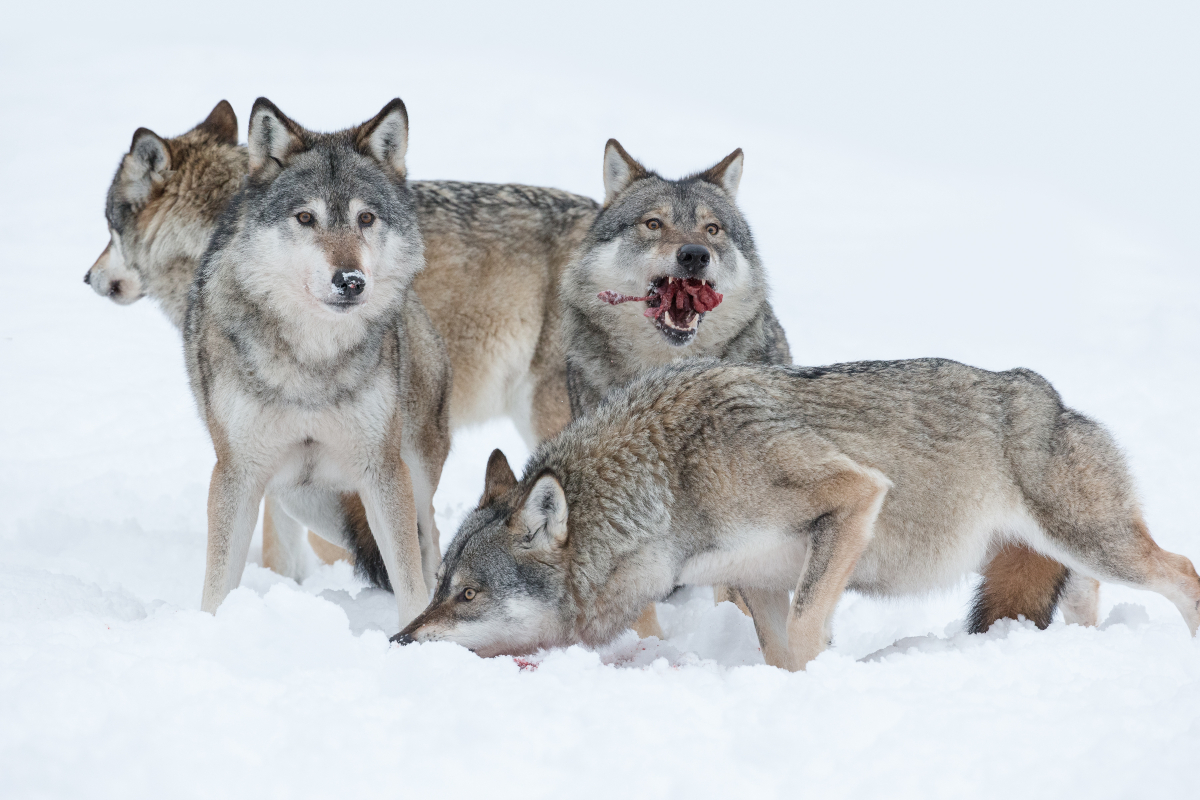
It was the wolf, however, that was both respected and feared, playing a special role in the cultural, spiritual, and religious life of people in Viking societies.
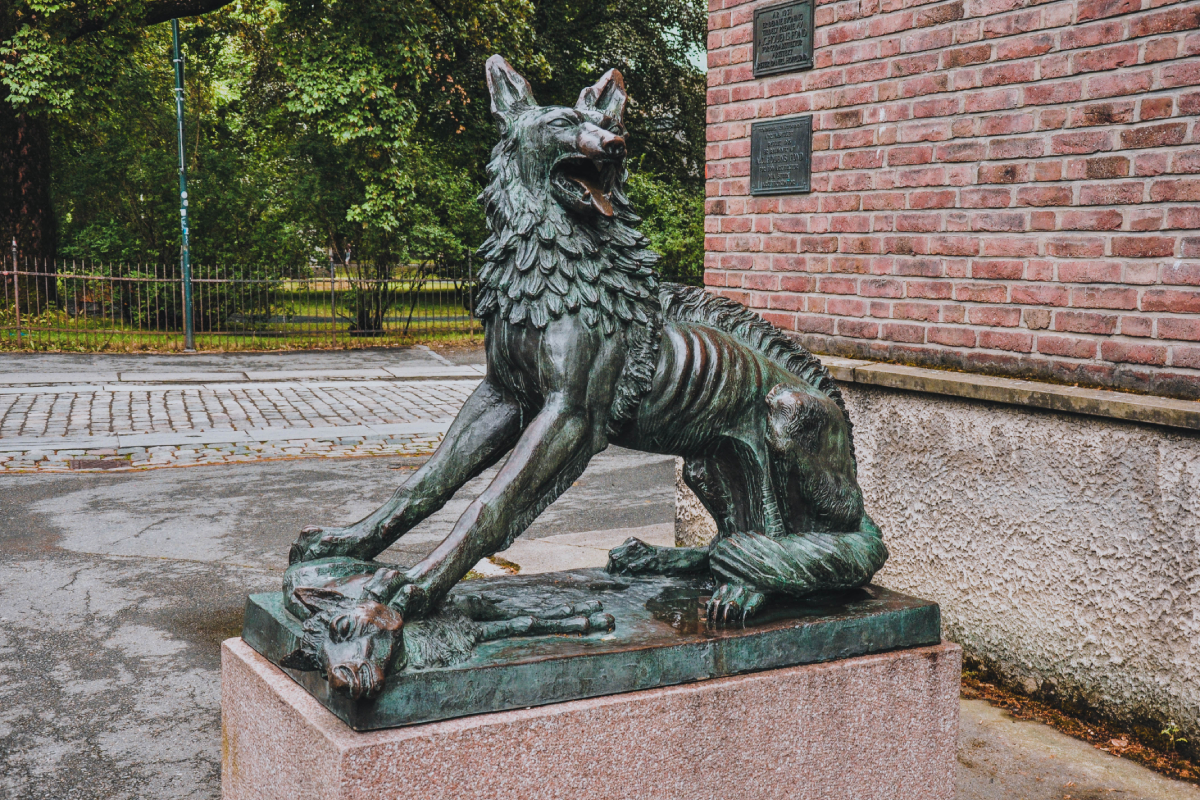
Wolves were important in Viking society because they symbolized the strength and perseverance needed for survival. Source: Vachonya / Shutterstock
Food production and the taming of the natural environment
Nowadays, one can order a gluttonous feast of food with the simple swipe of a finger. People in Viking societies would be amazed not only at the range of food available but also at its accessibility.
For them, a significant amount of daily, monthly, and yearly time, effort, and labor was spent on the production of food.
Hunting was part of this quest for food production and was often a popular pastime activity in these societies. Heading out into the wild to source food taught adaptability, resilience, and patience.
Wolves, then, who had the pleasure (or chore) of hunting every single day for their food, possessed similar traits, which were admired by people in Viking societies.
They were admired for their hunting skills and survival instincts, especially in the colder months of the harsh Scandinavian winter.
This made wolves symbolic of the untamed aspects of the often-brutal natural environment that people from Viking societies lived in.
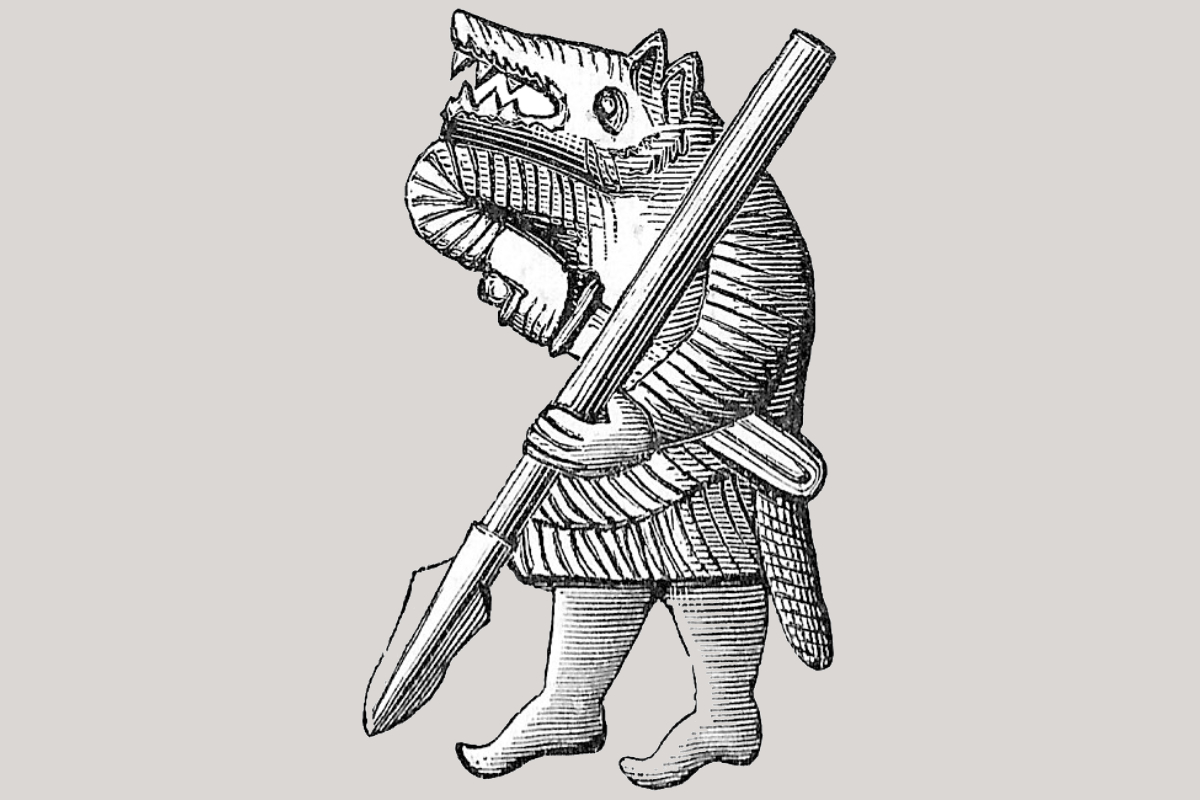
From the 6th-7th centuries, the Torslunda plates feature a Norse fighter wearing a wolf pelt, reflecting the wolf's significance in warrior society. Source: Public domain
The warrior ethos and unlocking animal ferocity
The societies that produced Vikings possessed a warrior ethos like no other in early medieval Europe. They were renowned and feared for their ferocity, much like wolves.
As Kristina Jennbert writes in her 2011 book Animals and Humans: Recurrent symbiosis in archaeology and Old Norse religion, many of these same qualities embodied this societal warrior ethos – the brave and unyielding fighter, the power to conquer death, and tactical nous and skills – were seen duplicated by wolves in the natural world.
Wolves were known for their ability to take down large prey, which showcased their courage and strength.
This often reflected many battles in which people from Viking societies took part – often featuring small Viking raiding parties – against a larger opponent, sometimes even a standing army.
An important but still largely unknown aspect of Viking warfare was the role of berserkers.
As John Colarusso writes in his 2019 article in the journal Comparative Mythology, these were warriors who were famed for their intense battle frenzy, which may have been induced by mind-altering substances.
They were seen as impervious to pain and injury, the crack troops of any Viking military force.
Often, berserkers wore the skins of great animal predators whose ferocity and aggression they sought to channel, including that of wolves.
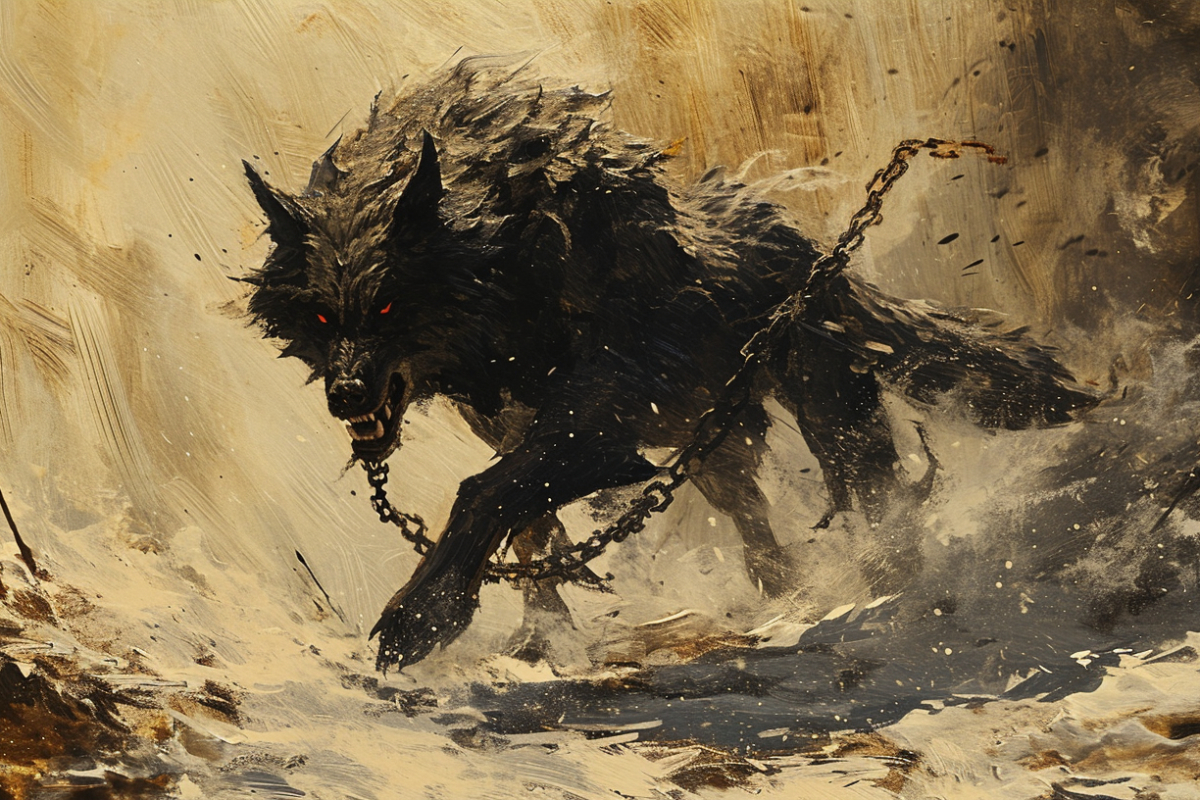
According to Norse myths, Fenrir is a powerful wolf whose escape will signal the beginning of Ragnarök. Source: The Viking Herald
Feature heavily in the Norse sagas, stories, and myths
Given the reverence that people in Viking societies had for wolves – for their survival, adaptability, strength, and courage – it should be no surprise that they feature heavily in Norse mythology.
The most notable is the giant wolf Fenrir (Fenrisúlfr), the monstrous scion of Loki and the giant Angerboda. He is prophesied to play a significant role in Ragnarök, the cataclysmic world-ending events for adherents of the Old Norse religion.
Here, he will battle with some of the Norse gods but be responsible for the death of Odin, the mighty All-Father and leader of the Æsir pantheon.
Fenrir is said to represent chaos and destruction and the inevitable ending to, and collapse of, the delicate cosmic order.
Whilst the Norse gods try to forestall this by binding him, they ultimately fail, symbolizing the uncontrollable forces of the natural world.
Aside from monstrous murderers, wolves play a more peaceful role in Norse mythology.
In Norse mythology, it was believed that two wolves – Sköll, who chases the sun, and Hati, who chases the moon – pursued these celestial bodies across the sky as they moved through the heavens.
These wolves would, every day, race across the sky to try and devour their pursued objects until Ragnarök.
Their chase embodies the eternal struggle between light and darkness, order and chaos.
They were also responsible for the solar and lunar cycles, which were integral to timekeeping in an era before clocks and calendars.
Wolves could also be used as metaphors in sagas to represent various human traits, including bravery, courage, greed, or leadership.
They served as symbols for the virtues and vices that are inherent in human nature, then as now.
Revered and respected animals
In Viking societies, wolves embodied the raw power and untamed essence of nature, symbolizing both the ferocity of battle and the inevitable forces of chaos.
They were respected for their survival skills and adaptability to a harsh environment – qualities all Viking societies wanted to channel. Wolves were also revered for their ferocity, something that many Viking warriors wanted to channel on the battlefield.
They may have also been an inspirational source of courage and tenacity for the famed Viking warriors, the berserkers.
This reverence spilled over into the rich tapestry of Norse cosmology and mythology, where they played central roles in daily life and the cataclysmic end of days, Ragnarök.
Their presence in myth, art, and cultural practices underscored the reverence and respect that people in Viking societies had for these predatory animals.
For more information on the relationship between people in Viking societies and animals, visit Science Norway here.
We get to provide readers with original coverage thanks to our loyal supporters. Do you enjoy our work? You can become a PATRON here or via our Patreon page. You'll get access to exclusive content and early access.
Feel free to reach out to discuss potential stories that may be in the public interest. You can reach us via email at [email protected] with the understanding that the information you provide might be used in our reporting and stories.